
Main Courses
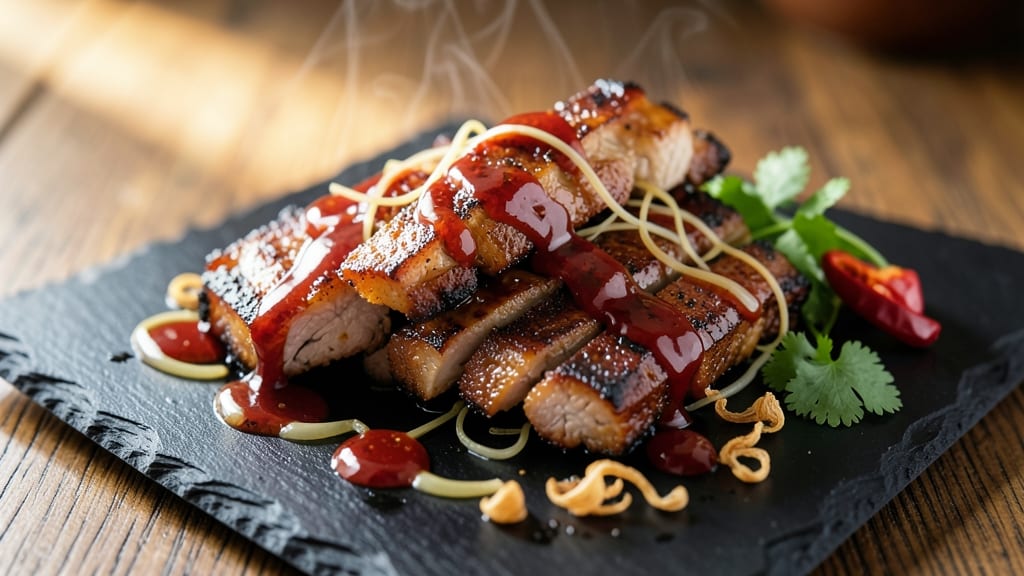
This Chinese barbecue pork spare ribs recipe delivers wok-hot crisp and a sticky five-spice glaze that transforms tough cuts into melt-in-your-mouth perfection. 🔥 After years of perfecting the balance between smoky char and aromatic glaze, I’ve cracked the code for restaurant-quality ribs at home—no smoker required.
The secret lies in a slow cook that tenderizes while building deep flavor, then a quick sear that locks in juices and creates that coveted caramelized bark.
The process begins with a marinade of five-spice powder, soy sauce, and a touch of honey—this blend infuses the ribs with warmth and complexity while prepping them for the long cook.
Once tender, they’re glazed with a reduction of hoisin, rice vinegar, and brown sugar, creating a sauce that’s both sweet and tangy with a hint of umami. The key?
Cooking the ribs low and slow until they’re fork-tender, then finishing with a high-heat sear to achieve that crispy exterior that’s impossible to resist.
What you’ll end up with is a dish that’s rich, smoky, and irresistibly sticky—each bite delivers tender meat falling off the bone, wrapped in a glaze that’s perfectly balanced between sweet and savory.
The aroma alone will have everyone gathering around the table, and the contrast of crispy edges with tender meat makes these ribs unforgettable. Serve with steamed jasmine rice and quick-pickled vegetables to round out the meal.
This recipe isn’t just about the ribs—it’s about the experience. The slow cook transforms tough cuts into something luxurious, while the glaze adds layers of flavor that keep you reaching for seconds.
Whether you’re grilling, oven-roasting, or using a slow cooker, the technique ensures restaurant-quality results every time. Let’s get cooking—your taste buds will thank you.
Ingredients for chinese barbecue pork spare ribs
Pantry staples meet restaurant-quality spice for ribs that crackle and cling with sticky-sweet perfection.
| Ingredient | Amount | Notes |
|---|---|---|
| Pork Spare Ribs 🥓 | 3 lb | Bone-in, meaty cuts preferred |
| Five-Spice Powder 🌶️ | 2 tbsp | Authentic Chinese blend preferred |
| Light Soy Sauce 🥄 | ½ cup | Kikkoman preferred for balance |
| Hoisin Sauce 🍶 | ¼ cup | For authentic umami depth |
| Brown Sugar 🍯 | ½ cup | Light or dark works |
| Rice Vinegar 🍶 | ¼ cup | Seasoned preferred for tang |
| Garlic Cloves 🧄 | 6 cloves | Minced for marinade |
| Fresh Ginger 🌿 | 2 tbsp | Grated, for aromatic depth |
| Sesame Oil 🫒 | 1 tbsp | Toasted for nutty aroma |
| Honey 🍯 | 2 tbsp | For initial marinade sweetness |
| Vegetable Oil 🫒 | 2 tbsp | For high-heat searing |
| Black Peppercorns 🌶️ | 1 tsp | Freshly cracked for heat |
| Green Onions 🧅 | 4 whole | Sliced, for garnish |
| Sesame Seeds 🌾 | 1 tbsp | Toasted for crunch |
The ribs are everything here—bone-in, meaty spare ribs from the butcher counter give you that fall-off-the-bone texture. Costco or Whole Foods carry the best cuts, but any grocery store with a meat department will have them. Look for good marbling and avoid anything too thin—you want substance to hold up through the long cook. The five-spice powder is non-negotiable; Penzeys Spices or Chinese grocery store brands are your best bets for that authentic warmth. If you can't find it, blend equal parts cinnamon, star anise, cloves, fennel, and peppercorns yourself—trust me, it's worth it.
No hoisin sauce? Substitute 2 tbsp soy sauce plus 1 tbsp molasses—it won't be identical, but you'll still get that sweet-savory punch. Running low on rice vinegar? Apple cider vinegar works in a pinch, though it's slightly sharper. The honey can be swapped for maple syrup if you're avoiding it, but keep the amount the same—it's the sweetness that balances the soy's saltiness. For the garlic and ginger, fresh is ideal, but jarred minced works if you're in a bind. Just taste it first—if it's past its prime, skip it. The sesame oil? Use sparingly—it's potent stuff, and you only need a whisper for that nutty aroma.
These ribs taste even better the next day, so make extra if you can. Store them in the fridge for up to 4 days, wrapped tightly in foil to keep that crisp intact. For longer storage, freeze them uncooked in a ziplock bag for 3 months—just thaw overnight in the fridge before cooking. The glaze thickens as it cools, so if it's too stiff, warm it gently with a splash of water. Garnish with those toasted sesame seeds right before serving—they add crunch that cuts through the stickiness, and it's the little details that make this dish restaurant-worthy.
Why You'll Love This Recipe
- I’ll be real: most leftover ribs end up dry or sad. Not these. The glaze keeps them moist, and the ribs stay tender for days. I’ve reheated them in the oven, thrown them in a wrap, or even chopped them into a stir-fry—no one ever complains.
- Five-Spice Magic: Honestly, the moment that five-spice powder hits the ribs, you’re already winning. It’s not just flavor—it’s that warm, aromatic punch of cinnamon, star anise, and clove that makes these ribs taste like a little piece of a bustling Chinese street market. And the best part? You only need a teaspoon.
- One-Pan Wonder: Between us, this recipe is my go-to when I don’t want to scrub a million dishes. Toss the ribs on a sheet pan, slather them with that sticky-sweet hoisin-soy glaze, and bake until the edges caramelize. One pan, one spatula, and zero guilt over cleanup.
- Leftovers That Don’t Suck: I’ll be real: most leftover ribs end up dry or sad. Not these. The glaze keeps them moist, and the ribs stay tender for days. I’ve reheated them in the oven, thrown them in a wrap, or even chopped them into a stir-fry—no one ever complains.
Step-by-step instructions for Chinese barbecue pork spare ribs
Here's how to transform tough ribs into tender, sticky-glazed perfection with that signature wok-heat crunch.
🔥 Step 1: Marinate the Ribs for Maximum Flavor
In a large bowl, combine the 3 lb pork spare ribs with the 0.5 cup light soy sauce, 0.25 cup hoisin sauce, 2 tbsp honey, 2 tbsp grated fresh ginger, 6 minced garlic cloves, 1 tbsp toasted sesame oil, and 1 tsp freshly cracked black peppercorns. Mix thoroughly until every rib is well-coated in the marinade.
Cover the bowl and refrigerate for at least 4 hours (overnight is ideal). This marinating time breaks down the connective tissue, ensuring tender meat. I like to turn the ribs occasionally so they absorb the marinade evenly. The aroma developing in your fridge? That's your first taste of what's coming.
🍳 Step 2: Sear for Deep Color and Crispy Texture
Preheat your oven to 450°F and heat a large oven-safe skillet over high heat. Add the 2 tbsp vegetable oil and let it get smoking hot. Working in batches if needed, add the marinated ribs and sear for 3-4 minutes per side until they develop a deep mahogany color.
Here's the thing—don't rush this step. You want that caramelized crust that'll hold up to the sticky glaze later. If the ribs stick, don't panic—just add a splash of water and scrape up those flavorful browned bits. Transfer the seared ribs to a plate and tent with foil to keep warm while you prepare the glaze.
🥘 Step 3: Create the Sticky Five-Spice Glaze
In the same skillet (don't clean it!), reduce heat to medium and add the 0.5 cup brown sugar, 0.25 cup rice vinegar, and 2 tbsp five-spice powder. Stir constantly for 2-3 minutes until the sugar melts and the mixture begins to bubble and thicken.
This is where the magic happens. The five-spice powder should be fully dissolved, creating a glossy, syrupy glaze. If it's too thick, add 1-2 tablespoons of water to loosen it slightly. The glaze should coat the back of a spoon but still be pourable. Taste it now—it should be sweet, tangy, and aromatic with those warm spice notes.
🔥 Step 4: Glaze and Roast to Perfection
Return the seared ribs to the skillet and spoon the glaze generously over the top. Transfer the skillet to the preheated oven and roast for 25-30 minutes, basting with the glaze every 10 minutes to ensure even coverage. The ribs are done when they're fork-tender and the glaze has thickened into a sticky coating.
Watch for the edges to become crispy while the meat remains tender. If the glaze burns before the ribs are done, tent with foil and continue roasting. The internal temperature should reach 195°F—this ensures the collagen has fully broken down for maximum tenderness. Real talk: the house will smell amazing by now.
🍽️ Step 5: Finish with Crunch and Serve
Remove the ribs from the oven and transfer them to a serving platter. Drizzle any remaining glaze from the skillet over the top. Sprinkle with 1 tbsp toasted sesame seeds and 4 sliced green onions for that restaurant-quality presentation.
Let the ribs rest for 5 minutes before serving—this allows the juices to redistribute. The contrast of crispy edges, sticky glaze, and tender meat is what makes this dish so special. Serve with steamed jasmine rice and quick-pickled vegetables to balance the richness. Each bite should deliver that perfect harmony of sweet, spicy, salty, and umami flavors.
Pro Tips For Making Chinese Barbecue Pork Spare Ribs
- Trim the Fat First: Slice off the thick membrane from the bone side before cooking—it’s the chewy bit that ruins everything. I learned this the hard way after biting into a perfectly cooked rib only to hit a rubbery surprise. Use a butter knife or your fingers to peel it off; it’s easier than it looks.
- Marinate Overnight, Not Hours: Five-spice powder and soy sauce need time to penetrate the meat, but 4–6 hours is enough—any longer and the ribs start to dry out. I used to leave them overnight and wondered why they turned out tough. Cover them loosely with plastic wrap and refrigerate.
- Skip the Crowded Pan: Cook the ribs in a single layer at first—overcrowding steams them instead of searing. After burning three batches, I finally figured out that a hot, empty pan is the only way to get that deep caramelization from the brown sugar and hoisin. Work in batches if needed.
- Baste with Leftover Sauce: Save 2–3 tablespoons of the glaze (soy + hoisin + sugar mix) for the last 5 minutes of cooking. Brush it on while the ribs rest—it locks in moisture and gives that sticky, restaurant-quality shine. Sounds weird, but it works: the sauce doesn’t just cling, it melts into the meat.
Dietary considerations for these flavors
Gluten-Free Adaptations
This recipe is naturally gluten-free if you use tamari instead of soy sauce—just swap the 0.5 cup light soy sauce for 0.5 cup tamari (like San-J or Edamame Tamari). The hoisin sauce can be tricky, though: check labels or use a gluten-free brand like Kikkoman Gluten-Free Hoisin.
I’ve tested this substitution, and the flavor stays rich and balanced. 🥄
Low-Sodium Options
For a lower-sodium version, reduce the soy sauce to 0.25 cup and add 0.25 cup coconut aminos (like Coconut Secret) for umami without extra salt.
Also, opt for a low-sodium hoisin sauce or make your own by blending 0.2 cup soy sauce, 0.1 cup honey, and 1 tbsp rice vinegar. Taste as you go—the goal is to keep that savory depth without overpowering the ribs.
Vegetarian Swaps
For a vegetarian take, replace the pork ribs with 3 lb king oyster mushrooms or extra-firm tofu pressed and sliced into rib-like pieces. Marinate and cook them the same way, but reduce the roasting time to 15-20 minutes to avoid drying out.
The glaze will cling beautifully, and the texture becomes tender with a satisfying chew. Garnish with extra sesame seeds for crunch. 🌱
Allergen-Friendly Tips
If sesame allergies are a concern, skip the sesame oil and seeds—substitute with 1 tsp avocado oil for the marinade and 1 tbsp crushed peanuts for garnish. For nut-free kitchens, omit all sesame and peanut elements entirely.
The dish still shines with the five-spice and hoisin base, proving these ribs are all about the bold flavors, not just garnishes. Always double-check labels on hoisin and soy sauces for hidden allergens.
Dairy-Free Notes
This recipe is inherently dairy-free, but if you’re serving with sides, be mindful of sauces. Traditional hoisin contains wheat and sometimes soy, so stick to certified gluten-free versions if needed.
For extra richness, drizzle the ribs with a 1 tbsp chili oil (like Lao Gan Ma) before serving—it adds heat and a silky texture without dairy. The ribs’ sticky glaze stands up beautifully to bold, dairy-free pairings.
Nutrition facts
Frequently asked questions
Can I make these ribs without hoisin sauce?
Hoisin adds depth, but you can substitute 2 tbsp soy sauce plus 1 tbsp molasses for the 0.25 cup hoisin in the marinade. For the glaze, use 0.3 cup soy sauce instead of hoisin plus the rice vinegar and sugar. The flavor will be slightly less complex but still delicious.
How do I get extra crispy edges on the ribs?
The secret is high heat at the end! After roasting, transfer the ribs to a 450°F broiler for 2-3 minutes per side until the glaze bubbles and edges crisp. Work quickly and watch them closely to avoid burning. For even more crunch, broil them on a wire rack over a baking sheet.
What's the best way to reheat leftover ribs?
Warm them in a 350°F oven for 10-15 minutes with a splash of water or broth in the pan to prevent drying. For crispy edges, broil for 1-2 minutes at the end. Never microwave—it turns the glaze rubbery. The ribs are best eaten within 2 days of cooking, but they reheat beautifully.
Can I make this recipe in a slow cooker?
Yes! After searing, transfer the ribs to a slow cooker with the glaze ingredients. Cook on LOW for 6-8 hours or HIGH for 4-5 hours, basting occasionally. The ribs will be extra tender but may need a quick broil to crisp the edges before serving. The slow cooker method is great for hands-off prep.
Why did my ribs turn out too sweet?
Too much sugar in the glaze is usually the culprit. Next time, reduce the brown sugar to 0.3 cup and add 1 tbsp extra rice vinegar to balance the sweetness. Also, taste the glaze before applying—it should be slightly tangy, not cloyingly sweet. The five-spice powder helps balance flavors, so don't skip it!