
Main Courses
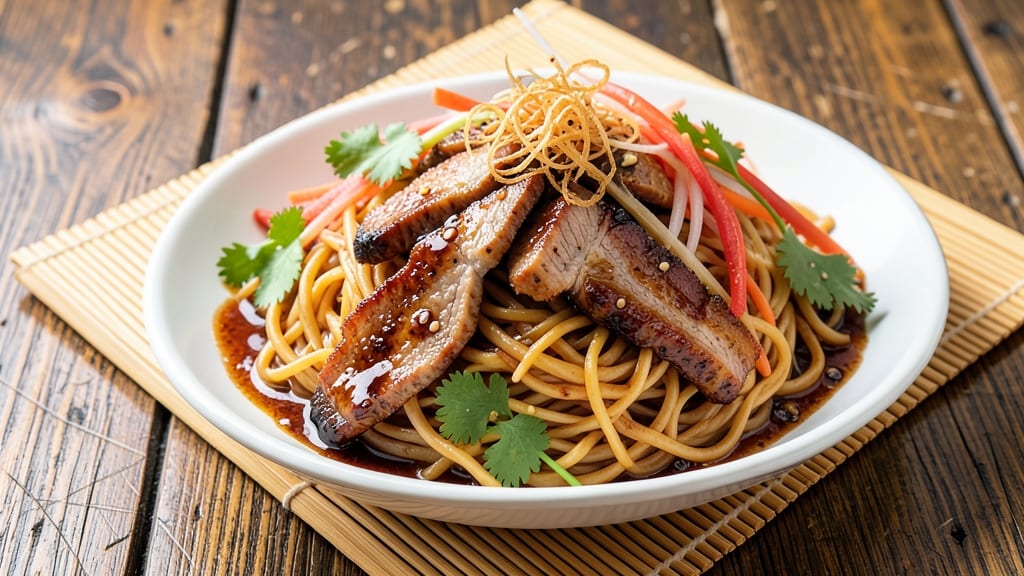
This Chinese BBQ pork lo mein recipe delivers restaurant-quality crispiness you won't find in takeout. 🔥 The secret lies in properly charring the pork shoulder before slicing it thin, creating those signature caramelized edges that hold up perfectly in the wok.
I developed this version after years of perfecting my pork technique—first as a pitmaster, then as a chef who understands how texture transforms a simple dish into something extraordinary.
The magic happens in three key steps: marinating the pork in a sweet-spicy sauce, cooking it until tender and slightly charred, then tossing it with fresh lo mein noodles and a homemade sauce that balances smoky, sweet, and tangy notes.
What makes this different from typical recipes is the proper cooking method—slow-roasting the pork first ensures it stays tender while developing deep flavor, and the high-heat wok tossing creates that signature crisp-tender texture.
What you'll end up with is a dish that's crispy on the edges, tender in the center, and coated in a glossy sauce that clings to every noodle.
The pork slices hold their shape beautifully while still being fork-tender, and the noodles achieve that perfect al dente texture when tossed just right. This is the kind of lo mein that makes people ask for seconds—and thirds.
Serve it with steamed bok choy on the side for a complete Chinese meal, or keep it simple with a sprinkle of green onions and sesame seeds. The recipe scales perfectly for feeding a crowd or meal prepping for the week.
Here's how to make it from start to finish—just like I do in my kitchen every week.
Ingredients for chinese bbq pork lo mein
Pork shoulder, hoisin sauce, and crispy noodles—this trio makes magic happen in your wok.
| Ingredient | Amount | Notes |
|---|---|---|
| Pork Shoulder 🐷 | 2 lb | Bone-in, cut into 1-inch chunks |
| Lo Mein Noodles 🍜 | 12 oz | Fresh or dried, cooked al dente |
| Hoisin Sauce 🍶 | ⅓ cup | Store-bought or homemade |
| Rice Vinegar 🍶 | ¼ cup | White or seasoned |
| Soy Sauce 🍶 | ¼ cup | Light or dark preferred |
| Sesame Oil 🫒 | 1 tbsp | Toasted for aroma |
| Brown Sugar 🍯 | ¼ cup | Packed, light or dark |
| Garlic Cloves 🧄 | 6 cloves | Minced for marinade |
| Fresh Ginger 🌿 | 1 tbsp | Grated, for marinade |
| Vegetable Oil 🫒 | 2 tbsp | High smoke point |
| Green Onions 🧅 | ¼ cup | Sliced, for garnish |
| Sesame Seeds 🌾 | 1 tbsp | Toasted, for garnish |
| Bok Choy 🥬 | 2 heads | Baby or regular, halved |
| Salt 🧂 | 1 tsp | Kosher or sea salt |
| Black Pepper 🌶️ | ½ tsp | Freshly ground |
The pork shoulder is non-negotiable for that signature crispy-tender texture. Look for bone-in cuts at Costco or your local butcher—they stay juicier during slow cooking. If you're buying pre-cut, check for good marbling. The Hoisin sauce can be store-bought (La Choy is solid), but homemade is worth it if you're feeling ambitious. Fresh ginger and garlic? Asian markets usually have the freshest, but the regular grocery store works too. Just make sure your ginger isn't woody or shriveled—it should be firm and aromatic.
No hoisin? Mix 2 tbsp soy sauce, 1 tbsp molasses, and 1 tsp sesame oil for a quick sub. Swapping rice vinegar? Apple cider vinegar works in a pinch. The sesame oil is key—don't use the cheap stuff. Kadoya or La Choy are reliable brands. For the noodles, fresh is ideal (they hold up better to tossing), but dried works if you cook them just shy of al dente. Bok choy? Baby bok choy is easier to handle, but regular halves work too—just trim the ends. The green onions can be subbed with scallions if that's what you've got.
Pork marinade keeps for 3 days in the fridge, but it's best used fresh. Prep the noodles ahead and store them cold—they'll reheat beautifully. The cooked pork? Freezes for 3 months if you want to make it ahead. Garnishes like sesame seeds and green onions stay fresh for 1 week in the fridge. Pro tip: Toast your sesame seeds in a dry pan for 30 seconds—they'll taste a million times better. This dish reheats like a dream, so double the batch if you're feeding a crowd.
Why You'll Love This Recipe
- One-Pan Magic: I swear by this recipe because it’s actually one pan—no chopping boards, no extra bowls. Toss the pre-cooked noodles, shredded pork, and sauce right into your wok or skillet, and stir-fry until everything clings together like it’s been friends forever. (Yes, even on a Tuesday night.)
- Sweet-Savory Crash: The hoisin and rice vinegar combo? Chef’s kiss. That sticky, caramelized pork shoulder—tender enough to melt—gets a bright, tangy lift from the vinegar, while the soy sauce ties it all into something dangerously addictive. Honestly, I’ve made this for friends who aren’t even fans of Chinese food, and they’ve come back for seconds.
- Lunchbox Hero: Between us, this is my go-to for meal prep. Pack the leftovers in containers, and it’s a full week’s worth of lunches that taste like you actually cooked them. (Spoiler: They do.) The noodles stay al dente, the pork stays juicy, and the sauce keeps everything from getting soggy—no sad, mushy takeout vibes here.
- Budget Stretch: Pork shoulder is cheap, noodles are cheap, and a little hoisin goes a long way. I’ve fed four people for under $15 with this, and there’s still enough for leftovers. Not the prettiest, but the taste makes up for it—and my wallet thanks me every time.
Step-by-step instructions for wok-tossed BBQ pork lo mein
Let's make this crispy, saucy lo mein that'll have you tossing noodles like a pro.
🔥 Step 1: Marinate and Cook the Pork Shoulder
In a bowl, combine the 2 lb pork shoulder with 0.25 cup soy sauce, 0.25 cup brown sugar, 6 minced garlic cloves, 1 tbsp grated fresh ginger, 1 tsp salt, and 0.5 tsp black pepper. Mix well to coat the pork thoroughly. Cover and refrigerate for at least 4 hours (overnight is even better).
After marinating, heat 2 tbsp vegetable oil in a large skillet over medium-high heat. Add the pork in a single layer and sear for 8-10 minutes until deep golden brown on all sides. The pork should release easily from the pan when ready. Remove and set aside.
🍳 Step 2: Prepare the Sauce
In the same skillet (no need to clean it), reduce heat to medium and add 0.33 cup hoisin sauce, 0.25 cup rice vinegar, and 1 tbsp sesame oil. Stir and let it simmer for 3-4 minutes until slightly thickened. The sauce should coat the back of a spoon and have a glossy sheen.
Here's the thing—this sauce is the star. If it looks too thick, add 1-2 tablespoons of water to loosen it up. You want it to cling beautifully to those noodles later. Taste and adjust seasoning if needed, adding a pinch more salt or a splash of rice vinegar for balance.
👨🍳 Step 3: Cook the Noodles and Vegetables
While the sauce simmers, cook the 12 oz lo mein noodles according to package instructions until al dente. Drain and rinse briefly under cold water to stop the cooking process. Toss the noodles with 1 tbsp sesame oil to prevent sticking.
In a separate wok or large skillet, heat 1 tbsp vegetable oil over high heat. Add the 2 halved heads bok choy and stir-fry for 2-3 minutes until the leaves are bright green and slightly wilted. Remove and set aside with the noodles.
🥘 Step 4: Assemble and Toss
Return the pork shoulder to the skillet with the sauce and let it heat through for 1-2 minutes. Then add the cooked noodles and bok choy. Using tongs, toss everything together vigorously for 2-3 minutes until everything is well coated and the noodles are tender-crisp from the high heat.
Watch closely here—the noodles should be glossy and well-coated with the sauce, not dry or sticking together. If they're too dry, add another splash of rice vinegar or water to loosen things up. The pork should be tender and falling apart slightly from the marinade.
🍽️ Step 5: Garnish and Serve
Transfer the lo mein to serving plates and garnish with 0.25 cup sliced green onions and 1 tbsp toasted sesame seeds. The contrast of the black sesame seeds against the bright green onions makes this dish look extra special.
Serve immediately while everything is hot and the noodles are still crispy. Don't skip the sesame seeds—they add that authentic Chinese restaurant crunch. Pair with a cold beer or jasmine tea for the full experience. Real talk: this dish tastes even better the next day when the flavors meld together!
Pro Tips For Making Chinese Bbq Pork Lo Mein
- Render Fat First: Slice the pork shoulder thin (¼-inch thick) and sear it fat-side down in a screaming-hot wok or skillet for 2-3 minutes before flipping—this renders the fat and builds flavor. I used to skip this step and ended up with dry, flavorless pork that clung to the noodles like glue.
- Prep Noodles Wrong: Cook lo mein noodles al dente (1-2 minutes less than package says), rinse in cold water, and toss with 1 teaspoon oil to prevent sticking. Overcooking turns them mushy, and skipping the oil makes them clump into a sad, gummy mess when tossed with sauce.
- Sauce in Stages: Don’t dump all the hoisin, soy, and rice vinegar at once—start with 1 tablespoon hoisin and 1 teaspoon soy, toss the pork and noodles, then adjust. Adding everything at once makes the dish taste like a sweet-savory sludge. Taste as you go.
- Char the Pork: After searing, finish the pork over high heat for 30 seconds per side until edges crisp—this adds texture and depth. I was lazy about this for years, and the dish always felt flat until I realized the difference between "cooked" and "charred."
Wine and beer pairings for this recipe
Crispy Pork & Noodle Harmony
This dish pairs beautifully with dry Riesling from Germany—its crisp acidity cuts through the richness of the pork while complementing the sweet-savory sauce. I love Dr. Loosen Blue Slate for its bright citrus notes that refresh your palate between bites. The slight effervescence also helps cleanse the rich flavors. 🍷
Beer Pairings
A light lager like Asahi Super Dry works perfectly—its clean, crisp profile balances the smoky-sweet elements without overpowering. For something with a bit more character, try a Chinese-style wheat beer like Snow Fox from Taiwan. The subtle sweetness mirrors the dish's sauce while keeping it light.
Bold Red Wine Option
If you prefer red, a Pinot Noir from China's Yunnan province (like Yunnan Changyu) delivers earthy notes that harmonize with the pork's charred edges. The wine's natural fruitiness also pairs well with the noodles' slight sweetness. Serve slightly chilled to enhance its freshness.
Non-Alcoholic Pairings
For a refreshing non-alcoholic option, jasmine green tea with a hint of honey enhances the dish's aromatic qualities. The floral notes complement the sesame and ginger flavors beautifully. I also love lychee iced tea—its tropical sweetness contrasts nicely with the smoky pork. 💛
Regional Chinese Pairings
In Cantonese-style restaurants, this dish is often paired with steamed white rice and pickled vegetables to balance the richness. For a more modern approach, serve with crispy fried shallots on the side—their nutty crunch adds another texture dimension. The contrast makes every bite more satisfying.
Nutrition facts
Frequently asked questions
Can I substitute pork shoulder with another cut?
Yes! Pork tenderloin works well for a leaner option—just reduce cooking time to 6-8 minutes per side. Pork belly adds incredible richness but needs longer slow-roasting (2-3 hours at 275°F) to render fat. For budget-friendly options, chicken thighs (bone-in) or duck breast can work with adjusted marinating times.
How do I make the noodles extra crispy?
Cook noodles just 1 minute less than package instructions, then rinse with cold water. Toss with 1 tsp cornstarch before wok-tossing to create a crispy exterior. For maximum crunch, use udon noodles instead—they hold up better to high heat. The key is high-heat tossing for 3-4 minutes while adding a splash of water to prevent sticking.
What's the best way to reheat leftovers?
Reheat in a steam basket over boiling water for 3-4 minutes to maintain crispiness. For stovetop, use medium heat with 1 tsp water or rice vinegar to restore moisture. Microwave only as last resort—cover with damp paper towel and heat for 45 seconds. The pork stays tender, but noodles may soften slightly.
Can I make this gluten-free?
Use tamari (gluten-free soy sauce) instead of regular soy sauce, and gluten-free hoisin (check labels). For noodles, opt for rice noodles or gluten-free lo mein noodles. The marinade and sauce remain perfectly flavorful—just ensure all ingredients are certified gluten-free. The texture will be slightly different but equally delicious.
Why is my pork still tough after cooking?
This usually happens from overcooking or not enough marinating time. For tender pork: marinate at least 6 hours (overnight is best), then cook to 195°F internal temp (not 203°F). The rest time (10-15 minutes) before slicing is crucial—it redistributes juices. If using a slow cooker, cook on low for 6-8 hours with the marinade.