
Main Courses
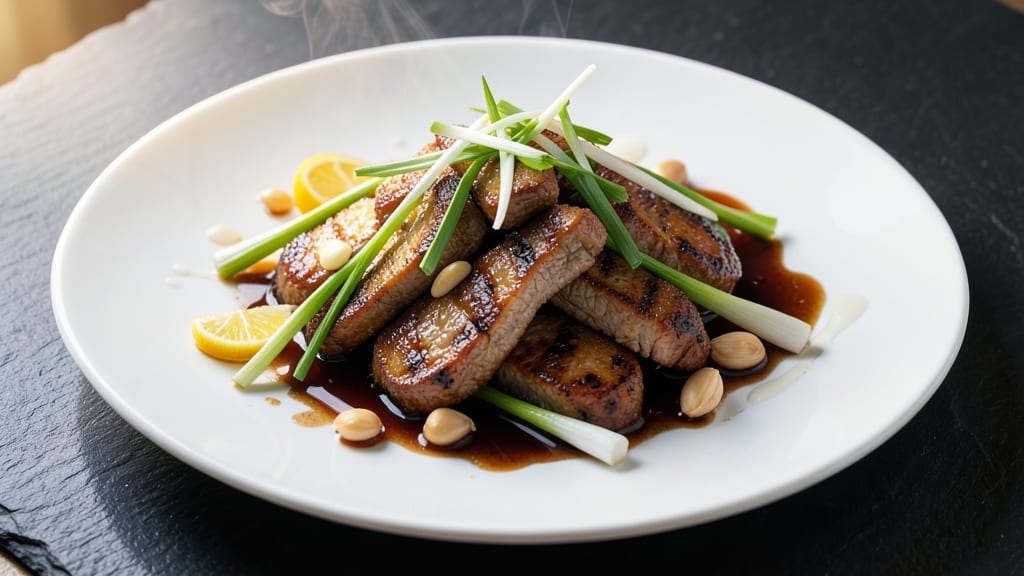
This Chinese ginger pork stir fry delivers the perfect balance of wok-heated crisp and fragrant ginger zing—a dish that transports you to a bustling Cantonese kitchen with every bite. 🔥 I developed this recipe after years of perfecting stir-fry techniques, ensuring the pork stays tender while developing a caramelized crust that locks in flavor.
The secret lies in high-heat cooking and a marinade that tenderizes without making the meat mushy.
The magic begins with thinly sliced pork, marinated in a blend of fresh ginger, soy sauce, and Shaoxing wine—a combination that transforms tough cuts into melt-in-your-mouth perfection.
While the pork rests, you’ll prepare a simple sauce of dark soy, rice vinegar, and a touch of sugar, creating a glossy finish that coats every piece. This isn’t just a stir-fry; it’s a restaurant-quality dish you can make at home with basic pantry staples.
By the time you plate it—piled high on steamed rice with quick-pickled vegetables for brightness—you’ll have a dish that’s bold, aromatic, and deeply satisfying. The ginger’s sharp notes cut through the richness of the pork, while the wok’s smoky char adds depth that takes it beyond takeout.
It’s the kind of meal that makes weeknights feel special, with minimal prep and maximum flavor.
Serve with steamed jasmine rice and a side of cucumber salad to balance the richness. The leftovers reheat beautifully, making this a foolproof weeknight staple that never disappoints. Let’s get cooking—the wok’s waiting.
Ingredients for chinese ginger pork stir fry
Wok-heated pork with ginger's vibrant kick—just 15 ingredients for restaurant-quality flavor.
| Ingredient | Amount | Notes |
|---|---|---|
| Boneless Pork Shoulder 🥩 | 1 ½ lb | Thinly sliced against grain |
| Fresh Ginger Root 🧄 | 2 tbsp | Finely grated, aromatic |
| Shaoxing Wine 🍷 | 2 tbsp | Substitute dry sherry if needed |
| Light Soy Sauce 🥄 | 3 tbsp | Kikkoman preferred |
| Cornstarch 🌾 | 1 tbsp | For tenderizing marinade |
| Dark Soy Sauce 🥄 | 1 tbsp | For glossy finish |
| Rice Vinegar 🍶 | 1 tbsp | Seasoned preferred |
| Granulated Sugar 🍚 | 1 tsp | Balances acidity |
| Neutral Oil 🫒 | 2 tbsp | Peanut or vegetable oil |
| Garlic Cloves 🧄 | 4 cloves | Minced, aromatic |
| Scallions 🧅 | 3 whole | Sliced thin for garnish |
| Sesame Oil 🥜 | ½ tsp | For finishing aroma |
| Jasmine Rice 🍚 | 1 ½ cups | Uncooked, steamed |
| Red Chili Flakes 🌶️ | ½ tsp | Optional for heat |
| Salt 🧂 | ½ tsp | Kosher preferred |
The pork shoulder is your secret weapon—ask the butcher to slice it paper-thin against the grain (or freeze for 20 minutes first, slice, then thaw). Costco or Whole Foods carry pre-sliced pork for stir-fry, but nothing beats fresh cuts. Fresh ginger is non-negotiable here—the bright, peppery kind from the produce section, not the jarred stuff. Shaoxing wine adds depth, but dry sherry in a pinch works beautifully. For the marinade, cornstarch is key—it tenderizes while keeping the slices intact. Pro tip: Marinate for at least 30 minutes, but no longer than 2 hours or the pork gets mushy.
No Shaoxing wine? Dry sherry or even rice vinegar in a bind. Dark soy sauce can be swapped for regular soy, but you'll lose that glossy finish—worth tracking down at Asian markets. The garlic can be pre-minced from a jar (no shame), but fresh is always better. For extra umami, add 1 tsp fish sauce to the sauce—just don't tell the vegetarians. The jasmine rice should be steamed separately while the stir-fry cooks; it absorbs flavors better that way. And if you're feeling fancy, toast the sesame seeds in a dry pan before garnishing—they'll be crispy and aromatic.
This dish reheats like a dream—30 seconds in the microwave with a splash of water keeps it moist. Store leftovers in an airtight container for 3-4 days in the fridge, or freeze for up to 3 months (though it's best fresh). The rice? Cook it the night before and reheat with a splash of water—no soggy rice here. Double the marinade and pork if feeding a crowd; the wok handles it beautifully. And save those leftover scallions—they're perfect for garnishing everything from ramen to fried rice.
Why You'll Love This Recipe
- One-Pan Magic: I swear by this recipe when I need dinner on the table fast. Just slice the pork, toss it with ginger and Shaoxing wine, and let the wok do the work—no chopping mountains of veggies or fussing with multiple pans.
- Ginger-Wine Umami Bomb: That Shaoxing wine and fresh ginger combo? It’s the secret weapon. The pork stays tender while soaking up deep, savory notes, and the light soy sauce gives it that perfect balance—salty, sweet, and just a little funky.
- Lunchbox Hero: Between us, this is my go-to for meal prep. The stir-fry reheats beautifully, and the cornstarch coating keeps it from drying out. Pack it in containers, and you’ve got a satisfying lunch for days—no sad, soggy takeout here.
- Budget-Friendly Feast: Pork shoulder is cheap, and a little goes a long way. I stretch this recipe to feed four for under $15, and honestly? No one ever complains about seconds. It’s the kind of dish that makes grocery money stretch without sacrificing flavor.
Step-by-step instructions for Chinese ginger pork stir fry
Here's how to transform tender pork into a fragrant, wok-seared masterpiece with that signature ginger zing.
👨🍳 Step 1: Prep the Pork for Maximum Tenderness
Start by slicing the 1.5 lb boneless pork shoulder against the grain into ¼-inch thick strips. This is crucial—it ensures each bite stays tender. Place the sliced pork in a bowl and add the 1 tbsp cornstarch, tossing to coat evenly. This creates a light barrier that locks in juices during the high-heat sear.
In a separate small bowl, whisk together the 2 tbsp Shaoxing wine, 3 tbsp light soy sauce, 1 tbsp dark soy sauce, 1 tbsp rice vinegar, 1 tsp granulated sugar, and 0.5 tsp salt. Pour this marinade over the cornstarch-coated pork and toss gently to distribute. Let it marinate for 15-20 minutes at room temperature—this gives the pork time to absorb the flavors deeply. Don't skip this step; it's what transforms ordinary pork into restaurant-quality stir fry.
🔥 Step 2: Build the Ginger-Garlic Base
Heat a wok or large skillet over high heat until it's screaming hot. Add the 2 tbsp neutral oil and swirl to coat the surface evenly. Toss in the 2 tbsp finely grated fresh ginger root and 4 minced garlic cloves, stirring constantly for 30 seconds until the ginger becomes fragrant and just starts to sizzle. Here's the thing—ginger burns fast, so keep moving it around. You want aroma, not char.
Push the ginger-garlic mixture to one side of the wok, creating space. Add the marinated pork in a single layer, spreading it out so the pieces don't overlap. Let it sear undisturbed for 1-2 minutes until the bottom develops a deep golden crust. This initial sear is what creates that wok-heated crisp we're after. If it sticks, don't panic—just gently nudge it with a spatula.
🍳 Step 3: Stir-Fry to Perfect Doneness
Once the pork has developed that beautiful crust, it's time to stir-fry. Using a pair of tongs, gently break up the pork pieces and stir continuously for 2-3 minutes until they're 80% cooked through. The high heat should create a sizzling symphony in your kitchen—this is when all those flavors meld together. If the wok starts to dry out, add 1-2 tablespoons of water, then immediately cover with a lid to steam the pork for 30 seconds. This keeps everything juicy.
Now's the moment that matters: taste test. The pork should be tender but still have a slight resistance in the center—it'll finish cooking from residual heat. If it's not quite there, cook for another 30 seconds uncovered. The sauce should be reduced but still cling to the pork. If it's too thick, add another splash of water and toss vigorously to emulsify.
🥘 Step 4: Finish with Aromatics and Serve
Turn off the heat and stir in the 3 sliced scallions and 0.5 tsp red chili flakes (if using). Drizzle in the 0.5 tsp sesame oil and toss everything together one final time. The sesame oil adds that signature finishing aroma that takes the dish from good to amazing. Let the stir fry rest for 1 minute—this allows the flavors to settle and the pork to absorb all those beautiful aromatics.
Serve immediately over steamed 1.5 cups jasmine rice, spooning the pork and its fragrant sauce directly onto each serving. The rice should be hot and slightly sticky, acting as a perfect vessel for all that ginger-pork goodness. Garnish with an extra sprinkle of scallions if you're feeling fancy. This dish is best enjoyed fresh while the pork is still steaming and the aromas are at their peak.
Pro Tips For Making Chinese Ginger Pork Stir Fry
- Slice Thin, Evenly: I used to fight with thick pork shoulder chunks—uneven cooking and dry edges. Grab a sharp knife and slice against the grain into ¼-inch thick strips. No need for fancy techniques; just consistent pressure and a clean chop. Thinner slices cook faster and soak up the ginger-wine sauce better.
- Grate, Don’t Mince Ginger: Mincing ginger releases too much liquid, turning your stir-fry into a soggy mess. Instead, use a box grater for fine, dry shavings—no need to press out moisture. Add it right when the pork hits the pan; it’ll bloom instantly with the heat and infuse without steaming the dish.
- Salt Pork First: Toss the pork strips with ½ teaspoon salt before marinating in Shaoxing wine and soy sauce. This seasoning step is non-negotiable—it ensures the meat isn’t bland even if you’re short on sauce later. Let it sit 10 minutes while you prep the ginger.
- Velvet Pork, Not Soggy: Skip the cornstarch slurry unless you’re aiming for a thick, saucy texture. Instead, toss the pork with 1 teaspoon cornstarch right before cooking and sear it in batches. The residual starch creates a glossy crust without turning the dish into a gluey puddle—trust the high heat to do the work.
Troubleshooting this dish
Pork Too Tough?
If your pork turns out tough, it’s usually because the slices weren’t thin enough or the marinade time was too long. I’ve seen this happen when people use pork shoulder that wasn’t sliced properly—always slice against the grain into ¼-inch strips for maximum tenderness.
For extra insurance, pound the slices lightly with a meat mallet before marinating. And remember: marinate for no longer than 2 hours—longer marinating can break down the muscle fibers too much. 💪
Sauce Too Thin?
A common issue is the sauce ending up watery. This happens when you add too much liquid during cooking or don’t reduce the sauce properly. My trick? Cook the sauce separately in a small pan first—reduce it until it’s syrupy before tossing it with the pork.
If it’s still too thin at the end, add ½ tsp cornstarch mixed with 1 tsp water and stir until thickened. And always taste as you go—adjust seasoning with a pinch of salt or sugar as needed.
Ginger Burns Fast
Ginger is notorious for burning before it releases its full aroma. The fix? Use high heat and keep it moving—stir constantly for 30 seconds max until fragrant. If you see it darken, remove it immediately and set aside until the pork is cooked, then add it back.
For extra control, pre-cook the ginger in a separate pan for 1 minute before adding it to the wok. This way, you get all the flavor without the risk of burning. 🌶️
Pork Sticking?
Sticking happens when the pork isn’t hot enough when it hits the wok. Your wok or skillet needs to be screaming hot—if you can’t see smoke when you add the oil, it’s not ready. Another trick? Pat the pork slices dry before cooking—any moisture will cause sticking.
And use enough oil (about 2 tbsp) to create a thin layer on the bottom. If it still sticks, don’t force it—gently nudge with a spatula to release it.
Leftover Sauce Too Thick?
If your sauce is too thick after cooking, it’s usually because the pork absorbed too much liquid. To salvage it, add 1-2 tbsp water and toss everything together over low heat for 1-2 minutes.
If the sauce is still stubborn, stir in ½ tsp cornstarch mixed with 1 tsp water until it loosens up. For future batches, reduce the sauce before adding it to the pork—this ensures it clings perfectly without being gloppy.
No Wok? No Problem
Don’t have a wok? No worries—a heavy-bottomed cast-iron skillet works just as well. The key is high heat—get it as hot as possible before adding the pork. If your skillet isn’t wide enough, cook in batches.
And if you’re worried about uneven cooking, cover with a lid for 30 seconds to steam the pork through. The goal is still the same: sear, stir, and finish fast to lock in those flavors. ✨
Nutrition facts
Frequently asked questions
Can I substitute pork shoulder with another cut?
For best results, use pork tenderloin (thinly sliced) or pork loin, both of which stay tender when cooked quickly. If using pork chops, cut them into ¼-inch strips against the grain. Avoid fatty cuts like pork belly—they can make the dish greasy. For extra-lean options, marinate for 20-30 minutes max to prevent dryness.
How do I make this dish spicier?
Add 1-2 tsp of chili paste (like Laotian or Sichuan) to the marinade for deep heat, or toss in 1 tsp of red pepper flakes with the sesame oil at the end. For a smoky kick, swap ½ tsp of the ginger for ½ tsp of ground Sichuan peppercorns (toast them first for aroma). Start with less—you can always add more!
Can I prep this ahead of time?
Marinate the pork up to 2 hours ahead and store it in the fridge. Cook it fresh for the best texture, but you can assemble the sauce ingredients (without cooking) the night before. For leftovers, reheat in a skillet over medium heat with 1 tsp water to revive the moisture. Never microwave—it turns the pork rubbery!
What’s the best rice to serve with this?
Jasmine rice is ideal—its floral aroma complements the ginger beautifully. For extra texture, try forbidden black rice or short-grain sushi rice. Pro tip: Cook rice in 1:1.25 rice-to-water ratio and let it steam 10 minutes off heat for perfect stickiness. Serve in a warm bowl to keep the pork juicy.
Why does my stir-fry taste bland?
Blandness usually means insufficient seasoning or undercooked aromatics. Taste the marinade before adding pork—adjust with extra soy sauce or sugar if needed. For depth, add 1 tsp fish sauce to the sauce or toast 1 tsp of the garlic until golden before cooking. High heat is key—if your wok isn’t hot enough, flavors won’t develop properly.