
Main Courses
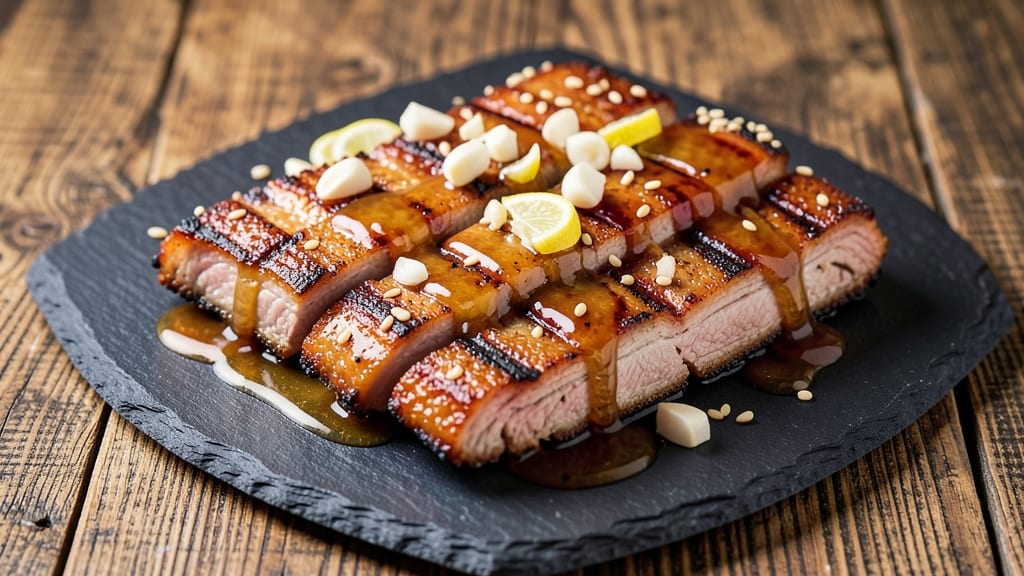
This Chinese honey garlic pork ribs recipe delivers the perfect balance of wok-sear crisp and sweet-smoky caramelization that makes every bite unforgettable. 🔥 I've perfected this technique over years of cooking for crowds, ensuring the ribs stay tender while developing that signature glossy glaze.
The secret lies in the marinade's harmony of garlic, ginger, and honey, which transforms simple pork into restaurant-quality centerpieces.
The process begins with a flavorful marinade that tenderizes the ribs while infusing them with aromatic depth. After a quick sear in a hot wok or skillet, the ribs are braised until fork-tender, then finished with a sticky-sweet glaze that caramelizes beautifully.
This method ensures the meat stays juicy while developing that perfect balance of sweet, smoky, and savory flavors that define Chinese-style pork dishes.
What you'll end up with is ribs that are crisp on the edges, tender throughout, and coated in a glossy honey garlic glaze that's impossible to resist. The aroma alone will have everyone gathering around your table, and the flavors will have them asking for seconds.
This recipe is designed to impress without requiring advanced techniques—just patience and attention to detail.
Whether you're serving these ribs at a family gathering or treating yourself to a special meal, they're guaranteed to become a crowd-pleaser. The best part? This method works equally well on the grill, in the oven, or even in a slow cooker for hands-off cooking.
Let's get started on creating ribs that will have everyone coming back for more.
Ingredients for chinese honey garlic pork ribs
Six ingredients transform simple pork ribs into restaurant-quality centerpieces with crisp edges and glossy glaze.
| Ingredient | Amount | Notes |
|---|---|---|
| Pork Ribs (Baby Back) 🥓 | 4 lb | Bone-in, cut into 2-inch pieces |
| Honey 🍯 | ½ cup | Pure, preferably clover honey |
| Garlic Cloves 🧄 | 12 whole | Minced, fresh preferred |
| Fresh Ginger 🌿 | 2 tbsp | Finely grated, peeled |
| Soy Sauce 🍶 | ⅓ cup | Light or all-purpose |
| Rice Vinegar 🍶 | ¼ cup | White or seasoned |
| Sesame Oil 🫒 | 1 tbsp | Toasted sesame oil |
| Vegetable Oil 🫒 | ½ cup | For high-heat searing |
| Brown Sugar 🍚 | ¼ cup | Packed, light or dark |
| Red Chili Flakes 🌶️ | 1 tbsp | Adjust for heat preference |
| Green Onions 🧅 | 4 whole | Sliced, white and green parts |
| Salt 🧂 | 1 ½ tsp | Kosher or sea salt |
| Black Pepper 🌶️ | 1 tsp | Freshly ground |
| Cornstarch 🌾 | 2 tbsp | For glaze thickening |
The ribs are everything here. Baby back ribs cut into even 2-inch pieces cook faster and stay juicier than slab ribs. Costco or local butchers usually have them pre-cut, but if you're buying a whole rack, ask for the meaty sections. Fresh ginger and garlic? Asian markets have the best selection—look for plump, firm ginger roots and fat garlic cloves. The honey should be pure, with no added corn syrup. Local farmers markets often have small jars of clover honey that add depth to the glaze. And trust me on the sesame oil—toasted makes all the difference.
No honey? Maple syrup works in a pinch, though it has a different flavor profile. Short on garlic? Garlic powder at half the amount gets you close, but fresh is non-negotiable for that authentic aroma. The soy sauce can be swapped for coconut aminos if you're avoiding gluten. Red chili flakes giving you pause? Substitute with 1 tsp cayenne pepper, but go easy—this glaze packs heat. The cornstarch is key for that signature glossy finish. Arrowroot powder works too, but cornstarch is what I always reach for. And if you're feeling fancy, add a splash of Shaoxing wine to the marinade—worth the extra minute.
Marinate the ribs overnight for maximum tenderness, but at least 4 hours if you're short on time. Store the marinade in a sealed container in the fridge. The ribs reheat beautifully—350°F for 20 minutes in the oven keeps them moist. For make-ahead magic, freeze cooked ribs for up to 3 months. Just thaw in the fridge overnight before reheating. The glaze thickens as it cools, so if it's too sticky, add a splash of water and warm gently. These ribs are worth the wait—every bite delivers that perfect crisp-meets-tender balance.
Why You'll Love This Recipe
- One-Pan Magic: I swear by this recipe when I don’t want to wash a million dishes. The ribs go straight from the oven to the table—no extra pans, no fuss—just that sticky, caramelized glaze pooling on the cutting board.
- Sweet-Savory Balance: That honey and garlic combo? It’s like a flavor hug. The ginger adds a little kick, but the soy sauce ties it all together—rich, glossy, and impossible to resist without overpowering.
- Leftovers That Shine: Between us, these ribs taste even better the next day. I’ll pull them out of the fridge, reheat for 10 minutes, and suddenly it’s lunch or dinner—no one ever complains about the second helping.
- Budget-Friendly Feast: A single rack of baby back ribs stretches for four meals if you’re smart. The sauce is cheap to make, and the ingredients? Basic enough that I keep them stocked just for this. Solid value for a dish that feels fancy.
Step-by-step instructions for Chinese honey garlic pork ribs
Here's how to create restaurant-quality ribs with a perfect balance of crispy, caramelized edges and sweet-savory glaze.
🔥 Step 1: Sear the Ribs for Maximum Flavor
Heat 0.5 cup vegetable oil in a large wok or heavy skillet over high heat until shimmering. Pat the 4 lb pork ribs completely dry with paper towels—this is crucial for crispy skin. Working in batches, add the ribs to the hot oil and sear for 3-4 minutes per side until deeply golden brown.
Don't crowd the pan or the temperature will drop. You'll know it's ready when the ribs release easily from the pan and the edges are deep golden brown. Transfer the seared ribs to a plate and set aside. This high-heat sear locks in juices and creates the perfect foundation for the sweet glaze.
👨🍳 Step 2: Build the Flavor-Packed Sauce
In the same wok, reduce heat to medium and add 12 minced garlic cloves and 2 tbsp finely grated ginger. Sauté for 30 seconds until fragrant—don't let the garlic burn! Add 0.33 cup soy sauce, 0.25 cup rice vinegar, 0.25 cup brown sugar, 1 tbsp red chili flakes, 1.5 tsp salt, and 1 tsp black pepper.
Stir everything together and let it simmer for 2-3 minutes until the sugar begins to caramelize slightly. This is where all the magic happens—the sauce should be thick enough to coat the back of a spoon but still pourable. Here's the thing—if you taste it now, you'll already be hooked on the balance of sweet, salty, and spicy flavors.
🍳 Step 3: Glaze and Caramelize the Ribs
Return the seared ribs to the wok, spooning the sauce over them completely. Cover and let them simmer for 10 minutes on medium heat, turning occasionally. This allows the ribs to absorb some of the flavorful sauce while maintaining their crispiness.
After 10 minutes, uncover and increase heat to medium-high. Here's where we create that beautiful caramelized glaze: let the ribs cook uncovered for another 5-7 minutes, turning occasionally, until the sauce reduces and forms a thick, glossy coating. You'll see the edges darken and develop a sticky, caramelized crust—that's your signal they're nearly done.
🥘 Step 4: Finish with Honey and Sesame Oil
Reduce heat to low and stir in 0.5 cup honey and 1 tbsp sesame oil. Let the mixture simmer for 2-3 minutes until the honey begins to bubble and thicken slightly. This final step adds that signature sweetness and richness that makes these ribs so irresistible.
Taste and adjust seasoning if needed—you might want to add a splash more soy sauce for saltiness or a pinch more chili flakes for heat. The sauce should coat the ribs beautifully with a glossy sheen. Here's the moment that matters: the aroma should be intoxicating—sweet, garlicky, with a hint of smoky heat.
🍽️ Step 5: Garnish and Serve Immediately
Transfer the ribs to a serving platter and sprinkle with 4 sliced green onions, reserving some for garnish. Serve immediately while the ribs are still sizzling hot—this is a dish that doesn't wait. The contrast of crispy edges, tender meat, and that sticky-sweet glaze is what makes these ribs truly special.
For the ultimate experience, serve with steamed jasmine rice and quick-pickled cucumbers. The acidity of the cucumbers cuts through the richness of the ribs perfectly. Don't forget to save some of that delicious sauce from the wok—it's perfect for drizzling over each serving!
Pro Tips For Making Chinese Honey Garlic Pork Ribs
- Sear the Ribs First: Skip the slow start—blast those ribs in a screaming-hot pan for 3-4 minutes per side before braising. I learned this the hard way: cold ribs in liquid turn out bland and mealy. The crust locks in flavor and keeps them from falling apart later.
- Mince That Garlic: Forget whole cloves or rough mincing—pulse your garlic in a food processor until it’s almost paste-like. This recipe relies on garlic’s punch, and uneven pieces just sit there instead of dissolving into the sauce. (Yes, even if you’re impatient like me.)
- Control the Honey: Don’t dump honey in at the start—add it in the last 10 minutes of cooking. Too early, and it burns, turning your sauce bitter. A splash of water or broth at the end also thins it out if it’s too thick.
- Rest the Ribs: Pull them from the heat and tent with foil for 5-10 minutes before slicing. I used to cut into them too soon, and the juices ran everywhere. This keeps the meat tender and the sauce clinging to every bite. (Your future self will thank you.)
Troubleshooting this dish
Ribs Too Dry?
If your ribs end up dry, it's usually from overcooking or not enough marinating time. I've seen this happen when ribs sit too long uncovered at high heat. Here's my fix: Baste the ribs with extra sauce every 5 minutes during the uncovered caramelization phase.
Also, marinate for at least 4 hours—overnight is best. For extra moisture, add 2 tbsp water or broth to the wok when glazing. 💧
Glaze Too Thin?
A runny glaze happens when the sauce doesn't reduce enough. The key is patience—let that sauce bubble away uncovered until it coats the back of a spoon. If it's still too thin, simmer uncovered for another 3-5 minutes on medium heat.
For instant thickening, mix 1 tbsp cornstarch with 1 tbsp water, stir into the sauce, and cook for 1 minute until thickened. Pro tip: Use a wire whisk to prevent clumping.
Uneven Cooking?
When some ribs cook faster than others, it's usually because they're different sizes. I solve this by cutting all ribs into uniform 2-inch pieces before cooking. For stubborn uneven spots, flip those pieces more frequently during the 10-minute covered simmer.
If using a grill, move ribs to indirect heat once seared to cook evenly. And here's a secret: Thicker pieces need 1-2 extra minutes uncovered at the end.
Burnt Garlic Flavor?
That bitter burnt taste comes from garlic cooking too long. The fix is simple: Sauté garlic and ginger for only 30 seconds—just until fragrant. If you burn it, remove the wok from heat immediately and add 1 tsp fresh ginger to balance the flavor.
For extra insurance, add garlic to the sauce in batches—first half when building the sauce, second half at the very end when finishing with honey.
Ribs Stuck Together?
Ribs clumping happens when they're not seared properly or the sauce isn't thick enough. First, pat ribs completely dry before searing—this prevents sticking. If they're already stuck, gently separate with tongs while hot.
For future batches, reduce the sauce by 1-2 minutes longer before adding ribs back in. And here's my trick: Add 1 tbsp vegetable oil to the sauce when returning ribs to prevent clinging.
Not Sweet Enough?
If your ribs lack sweetness, it's usually because the honey didn't caramelize properly. The solution? Simmer the honey longer—up to 5 minutes on low heat until it thickens and darkens. For extra sweetness, add 1 tbsp brown sugar to the final glaze.
I also recommend using raw honey (like clover) which has more natural sugars to caramelize. And here's a pro move: Brush ribs with extra honey during the last 2 minutes of cooking for maximum sweetness. 🍯
Nutrition facts
Frequently asked questions
Can I use pork spare ribs instead of baby back ribs?
Yes, but you'll need to adjust the cooking time. Spare ribs have more connective tissue and fat, so they'll take 15-20 minutes longer to become tender. Cut them into 2-inch pieces and increase the braising time to 20-25 minutes covered, then 8-10 minutes uncovered for caramelization. The flavor will be richer but slightly fattier.
How do I make this recipe in a slow cooker?
Marinate the ribs overnight as directed, then sear them in a skillet for 3-4 minutes per side to build flavor. Transfer ribs to the slow cooker, add all sauce ingredients except honey, and cook on low for 4-5 hours. In the last 30 minutes, stir in honey and sesame oil. The ribs will be fall-apart tender with a slightly thinner glaze—perfect for hands-off cooking!
What's the best way to reheat leftovers?
Reheat ribs in a 350°F oven for 15-20 minutes with a splash of water or broth in the pan to restore moisture. For extra crispiness, broil for 2-3 minutes at the end. Never microwave—it makes the glaze rubbery. Leftovers keep well for 3-4 days refrigerated or 3 months frozen.
Can I substitute honey with something else?
For a similar sweetness, use maple syrup or agave nectar (same amount). For a deeper caramel flavor, try brown sugar syrup (simmer 0.5 cup brown sugar + 0.25 cup water until dissolved). Avoid corn syrup—it lacks the floral notes that complement the garlic. The glaze will be slightly less glossy but still delicious.
Why does my glaze turn out too sweet?
This usually happens when the sauce reduces too much or you use extra honey. Balance it by adding 1 tbsp soy sauce or rice vinegar to cut the sweetness. For future batches, reduce honey to 0.375 cup and increase brown sugar to 0.375 cup for better flavor balance. Taste the sauce before adding ribs—it should be sweet but not cloying.