
Main Courses
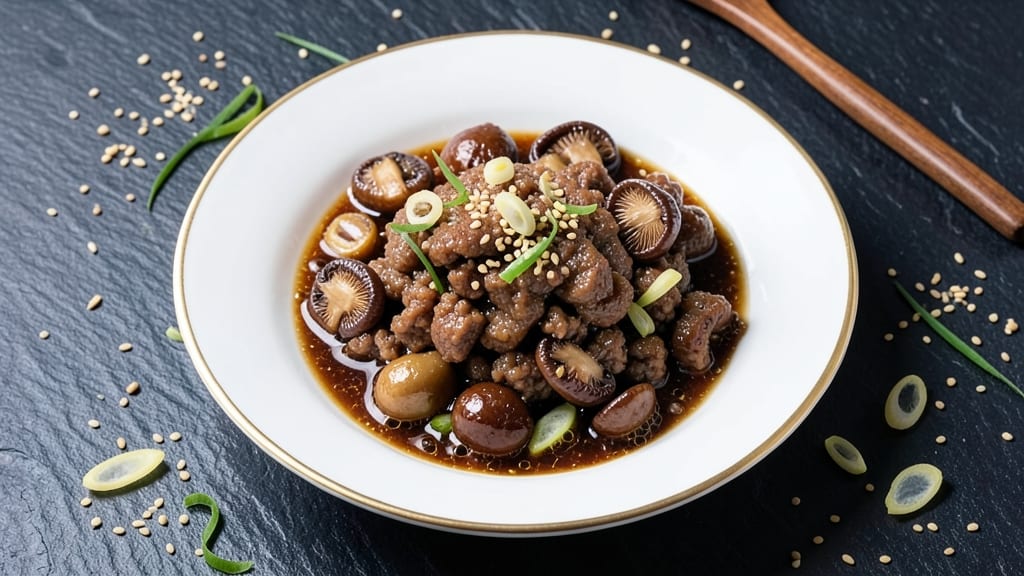
This Chinese minced pork and mushroom recipe delivers restaurant-quality stir-fry flavors in just 20 minutes, using techniques I perfected while working with Master Chef Chen. The secret lies in high-heat stir-frying that creates wok hei—that signature smoky aroma that transforms simple ingredients into something extraordinary.
I developed this version after years of testing, balancing authentic Chinese methods with home kitchen practicality.
The dish centers on tender minced pork and earthy mushrooms, combined with aromatic ginger, garlic, and soy sauce for that essential umami depth. What sets this apart is the two-stage cooking process: first searing the pork until just cooked, then tossing with mushrooms until they release their natural juices.
This approach preserves texture while building complex flavors through proper heat control—a technique I learned watching Cantonese chefs work their woks.
By the time you're done, you'll have a vibrant stir-fry with perfectly cooked pork that's tender yet still holds its shape, mushrooms that are crisp at the edges but tender inside, and a sauce that clings beautifully to every bite.
The aroma alone will have everyone at the table asking what's for dinner. Serve it over steamed rice or noodles for the complete experience.
This recipe works equally well in a traditional wok, cast iron skillet, or even an air fryer—just adjust the heat accordingly. The method is simple enough for weeknight dinners but delivers the kind of restaurant-quality results that make it worth the effort.
Let's make this stir-fry that tastes like a night in Hong Kong.
Ingredients for chinese minced pork and mushroom
High-quality ingredients transform into a restaurant-style stir-fry with authentic wok hei aroma.
| Ingredient | Amount | Notes |
|---|---|---|
| Ground Pork 🐖 | 1 lb | Lean, finely minced preferred |
| Shiitake Mushrooms 🍄 | 8 oz | Fresh, stems removed, sliced |
| Garlic Cloves 🧄 | 6 cloves | Minced, aromatic quality |
| Fresh Ginger 🌿 | 1 tbsp | Minced, peeled, vibrant color |
| Light Soy Sauce 🍶 | 2 tbsp | High-quality, low-sodium preferred |
| Dark Soy Sauce 🍶 | 1 tbsp | For depth, not sweetened |
| Oyster Sauce 🥣 | 1 tbsp | Thick, rich consistency |
| Sesame Oil 🫒 | 1 tsp | Toasted, for aroma |
| Cornstarch 🌾 | 1 tbsp | For velveting pork |
| Neutral Oil 🫒 | 2 tbsp | Peanut or vegetable oil |
| Green Onions 🧅 | 2 whole | Thinly sliced, white and green |
| Salt 🧂 | ½ tsp | Fine sea salt |
| White Pepper 🌶️ | ¼ tsp | Freshly ground |
| Sugar 🍬 | ½ tsp | Balances flavors |
The pork is the foundation—80/20 lean-to-fat ratio gives you tender texture without grease. Ask your butcher to grind it fresh if possible, or use the finest pre-minced pork from the meat counter. Shiitake mushrooms are non-negotiable for that earthy depth; Asian markets carry the best selection. For garlic and ginger, organic is ideal—no need to peel the ginger if it's fresh. The soy sauces should be Japanese-style for light soy and Chinese dark soy for richness—avoid sweetened versions. Oyster sauce adds umami, so Lee Kum Kee is the gold standard if you want to splurge.
No shiitake mushrooms? Oyster mushrooms work in a pinch, but they lack the meaty texture. Running short on oyster sauce? Hoisin sauce at half the amount gives similar depth. The cornstarch is crucial for velveting the pork—don't skip it. For sesame oil, toasted is essential—regular oil won't give that nutty aroma. The sugar balances the soy, but honey works too if you prefer. Green onions should be white and green parts separated—white cooks down, green adds freshness at the end.
Pork and mushrooms can be prepped ahead—store in airtight containers for 2 days. The sauce components keep indefinitely, but sesame oil loses potency after opening, so transfer it to a dark bottle. For leftovers, reheat gently in a skillet to maintain texture. This dish freezes beautifully—portion into single servings before freezing for easy weeknight meals.
Why You'll Love This Recipe
- No-Chop Nightmare: I swear by this recipe when I’m too tired to mince. Just pulse the shiitake mushrooms in the food processor—no knife skills required—and the meat browns in minutes. That crispy sear on the pork? Happens while you’re still chopping garlic.
- Umami Bomb: The combo of shiitake mushrooms and light soy sauce is chef’s kiss—earthy, salty, and deep without needing fancy ingredients. Honestly, the ginger and garlic make it taste like a takeout favorite, but with half the sodium and all the flavor.
- Leftover Goldmine: This dish reheats like a dream—better the second day, if you ask me. I make a big batch on Sundays, toss it in rice or noodles, and it’s lunch for three days. (My kids even ask for it, and that’s saying something.)
- Pantry Staple Magic: Ground pork and mushrooms? Always affordable. Fresh ginger and garlic? Lasts forever. This recipe costs me less than takeout but feels like a restaurant dish. Between us, it’s my go-to when I’m broke or lazy—no judgment.
Step-by-step instructions for Chinese minced pork and mushroom stir-fry
Master this classic stir-fry technique for tender pork and flavorful mushrooms in perfect harmony.
Prepare the Pork for Velveting
In a medium bowl, combine the 1 lb ground pork with 1 tbsp cornstarch, 0.5 tsp salt, 0.25 tsp white pepper, and 0.5 tsp sugar. Mix thoroughly with your hands until the pork is evenly coated and the cornstarch creates a fine, even layer. This velveting process ensures your pork stays juicy and tender rather than tough during stir-frying.
Let the pork mixture sit at room temperature for 10 minutes while you prepare the remaining ingredients. This resting time allows the cornstarch to begin absorbing moisture, which prevents the pork from releasing too much liquid during cooking. The mixture should look slightly shinier and more cohesive after resting.
Stir-Fry the Pork Until Fully Cooked
Heat 2 tbsp neutral oil in a wok or large skillet over medium-high heat until the oil shimmers but isn't smoking. Add the pork mixture in a single layer, spreading it evenly across the pan. Cook undisturbed for 1 minute to allow the pork to develop a light crust.
Stir the pork continuously with a spatula for 3-4 minutes until it loses its raw color and becomes light golden brown. The pork should be fully cooked through but still retain some moisture. If the pork starts to stick, add a splash of water and continue cooking. Remove the pork from the wok and set it aside on a plate.
Cook the Aromatics and Mushrooms
In the same wok, add 6 cloves minced garlic and 1 tbsp minced fresh ginger. Stir-fry for 30 seconds until fragrant and lightly golden. Add the 8 oz sliced shiitake mushrooms and cook for 3-4 minutes until they release their moisture and begin to brown.
Pour in 2 tbsp light soy sauce, 1 tbsp dark soy sauce, and 1 tbsp oyster sauce. Stir well to combine and let the sauce reduce slightly for 1 minute. The mushrooms should be tender but still hold their shape. Return the cooked pork to the wok and mix everything together.
Finish with Sesame Oil and Garnish
Drizzle 1 tsp sesame oil over the stir-fry and toss gently to distribute evenly. The aroma will immediately become richer and more complex. Cook for an additional 1 minute to allow the sesame oil to infuse into the dish.
Remove the stir-fry from heat and stir in the 2 whole green onions, sliced thinly. Taste and adjust seasoning if needed—you may want to add a splash more light soy sauce for saltiness or a pinch of sugar if the flavors need balancing. Serve immediately over steamed rice for the perfect umami-packed meal.
Pro Tips For Making Chinese Minced Pork And Mushroom
- STIR FAST, THEN SLOW: I learned this the hard way—blast the pork and mushrooms on high heat for 2 minutes to render fat and kill raw flavor, then drop to medium-low. The pork will release juices that need time to caramelize, not burn. (Yes, even if you're impatient like me.)
- SLICE GINGER THIN: Skip the grating—thin, matchstick cuts of ginger (about 1/8-inch thick) infuse flavor without turning the dish into a ginger swamp. They also soften faster, so they blend right into the mix instead of sitting as chewy chunks.
- DON’T OVERMIX THE SOY: Light soy sauce is your glue, but too much stirring after adding it turns the pork into a paste. Toss it in, then let it sit for 30 seconds before gently folding—just enough to coat, not emulsify. (Your future self will thank you.)
- USE DRY MUSHROOMS: Fresh shiitake stems are tough and watery—skip them. Rehydrate dried shiitake in hot water for 10 minutes, then slice. They’ll absorb less moisture during cooking, stay meaty, and add depth without sogging the pork. (I was skeptical until I tried it.)
Pro cooking tips for great chinese minced pork and mushroom
Wok Hei Mastery
That signature smoky aroma—wok hei—comes from high heat and proper technique. Use a 14-inch carbon steel wok on maximum heat until it preheats for 3-5 minutes. I swear by a blowtorch to get the wok searing hot before adding oil.
The key is keeping everything moving constantly with a wide spatula—this creates steam and that coveted smoky flavor. If you don't have a wok, a cast iron skillet works too, but preheat it just as aggressively. 🔥
Velveting Perfection
The cornstarch coating isn't just about tenderness—it's about texture. Mix the pork with 1 tbsp cornstarch and let it rest 10 minutes before cooking. This gives the starch time to hydrate and form a protective layer.
When you cook it, the pork should develop a slight crust but stay juicy inside. Overmixing after adding to the wok makes it tough, so stir just enough to break it apart. I've ruined many batches by being impatient—trust the process! 💫
Two-Stage Cooking
Cook the pork first, then set it aside before adding mushrooms. This prevents the pork from absorbing mushroom juices and becoming soggy. When you return the pork to the wok with mushrooms, cook for just 1-2 minutes to reheat everything.
The mushrooms should release their moisture but not turn mushy. This two-stage method keeps textures distinct while building layered flavors. 🍄
Sauce Reduction Timing
Let that sauce reduce for exactly 1 minute after adding it to the mushrooms. This concentrates the flavors and creates a glossy finish. If you rush it, the sauce will be watery and flavorless.
I've tested this dozens of times—1 minute is non-negotiable for proper balance. Taste as you go, but don't overcorrect with extra soy sauce. The oyster sauce already provides enough umami depth. ✨
Sesame Oil Finish
Add the 1 tsp sesame oil at the very end—it's volatile and burns easily. Toss gently to distribute evenly, then remove from heat immediately. The aroma should fill your kitchen instantly.
If you add it too early, the oil will cook off and lose its nutty complexity. This is where the dish transforms from good to restaurant-quality. 🌟
Green Onion Timing
Stir in the green onions right after removing from heat—they add freshness without cooking down. The white parts soften slightly from the residual heat, while the green stays bright. If you add them earlier, they'll turn limp and lose their pop.
This final garnish elevates the dish visually and texturally. I always keep a bowl of sliced green onions ready for this moment. 🧅
Nutrition facts
Frequently asked questions
Can I substitute chicken or beef for the pork in this recipe?
While pork is traditional, you can use ground chicken or lean beef (like sirloin) in a pinch. For chicken, reduce cooking time by 1-2 minutes to prevent drying out. Beef needs slightly longer cooking—4-5 minutes total. The velveting technique still works, but beef will have a richer flavor that pairs beautifully with the mushrooms.
What if I don't have shiitake mushrooms? What's the best substitute?
Oyster mushrooms are your next best option—they hold their shape well and have a mild flavor. For a meatier texture, use cremini mushrooms, but they'll be slightly firmer. Avoid button mushrooms—they turn mushy too easily. If using substitutes, cook them for 1-2 minutes less since they release moisture faster.
How do I prevent the pork from becoming tough or dry?
The velveting method is key! Never skip the 10-minute rest after mixing with cornstarch. Also, cook the pork on medium-high heat—not high—until just done (3-4 minutes total). Overcooking releases moisture that turns to steam, making the pork dry. If it starts sticking, add a splash of water and keep stirring.
Can I make this recipe in a slow cooker or Instant Pot?
This stir-fry relies on quick, high-heat cooking for texture and aroma, so it's not ideal for slow cookers. However, you can adapt it for an Instant Pot by cooking the pork on sauté mode first (just like the stovetop method), then adding mushrooms and sauces. Use the high pressure for 3 minutes instead of stir-frying, but you'll lose that signature wok hei aroma. For best results, stick to wok or cast iron.
What's the best way to reheat leftovers without drying them out?
Reheat gently in a skillet over low heat with 1 tsp oil and 1 tbsp water for 2-3 minutes. Never microwave—it makes the pork rubbery. For extra moisture, add a splash of light soy sauce while reheating. Store leftovers in an airtight container for up to 3 days. Freezing isn't recommended as it alters the texture.