
Main Courses
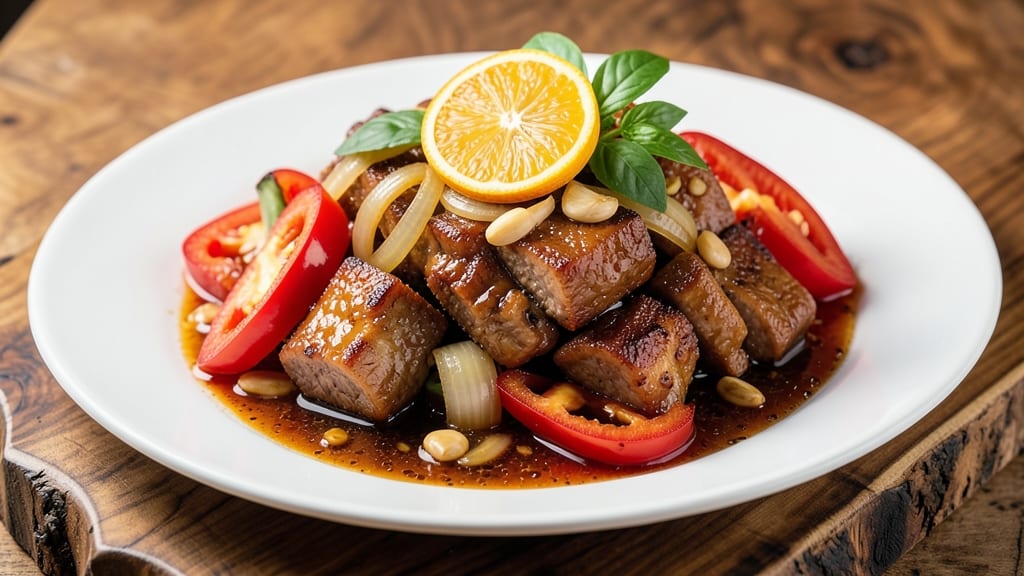
This Chinese orange pork stir fry transforms simple ingredients into a dish that balances tender pork, bright citrus, and aromatic vegetables. 🔥 The secret lies in marinating the pork just right—using a blend of soy sauce, Shaoxing wine, and orange juice to create a glossy, flavorful crust.
I perfected this technique after years of testing, and it never fails to deliver that perfect balance of sweet, savory, and tangy flavors that define a great stir fry.
The recipe starts with thinly sliced pork shoulder, which becomes impossibly tender when stir-fried over high heat. The key is cooking it in batches to avoid overcrowding the wok, ensuring each piece sears quickly and stays juicy.
Fresh vegetables like bell peppers and onions join the pork, absorbing the citrusy marinade and adding a satisfying crunch. Meanwhile, the orange segments—peeled and sliced—add a burst of freshness that brightens every bite.
What you'll end up with is a vibrant, aromatic dish that's packed with flavor and texture. The pork is crisp-tender, the vegetables crisp and colorful, and the sauce—made with a touch of honey and rice vinegar—ties everything together in a glossy, tangy finish.
This stir fry is restaurant-quality at home, and it comes together in just 30 minutes, making it perfect for a weeknight dinner.
Serve it over steamed jasmine rice or noodles to soak up every last bit of that bright, citrusy sauce. The dish keeps well in the fridge for up to 3 days, so you can make a big batch and enjoy it all week.
Here's how to bring this classic Chinese dish to your table with professional results every time.
Ingredients for chinese orange pork stir fry
Bright citrus meets tender pork in this restaurant-style stir fry—just 15 ingredients for big flavor.
| Ingredient | Amount | Notes |
|---|---|---|
| Pork Shoulder 🥩 | 1 ½ lb | Thinly sliced, 1/4-inch thick |
| Fresh Oranges 🍊 | 2 whole | Navel or Valencia, peeled |
| Bell Peppers 🌶️ | 2 whole | Red or green, sliced |
| Yellow Onion 🧅 | 1 whole | Sliced into thin strips |
| Garlic Cloves 🧄 | 4 cloves | Minced, fresh preferred |
| Shaoxing Wine 🍷 | ¼ cup | Substitute dry sherry if unavailable |
| Soy Sauce 🥢 | ⅓ cup | Light or all-purpose |
| Orange Juice 🍊 | ¼ cup | Freshly squeezed |
| Honey 🍯 | 1 tbsp | For balancing sweetness |
| Rice Vinegar 🍶 | 1 tbsp | White or seasoned |
| Sesame Oil 🫒 | 1 tsp | Toasted, for aroma |
| Neutral Oil 🫐 | 2 tbsp | Peanut or vegetable oil |
| Salt 🧂 | ½ tsp | Kosher or sea salt |
| Ground Black Pepper 🌶️ | ¼ tsp | Freshly ground |
| Jasmine Rice 🍚 | 1 ½ cups | Uncooked, for serving |
The pork shoulder is your secret weapon—look for well-marbled cuts at Asian markets or the meat section. Costco often carries pre-sliced pork for stir fry, which saves time but costs more. If you're slicing yourself, freeze the meat for 30 minutes first—it stays neater. Oranges should be firm with bright skin; Valencia oranges have more juice than Navels. The bell peppers? Red or green both work, but red stays vibrant longer when cooked. Skip the pre-sliced stir-fry veggies—they're limp. Buy whole and slice yourself.
No Shaoxing wine? Dry sherry or mirin work in a pinch, but Shaoxing has that authentic umami depth. Fresh orange juice is non-negotiable—bottled juice lacks the brightness. For the honey, raw or clover honey adds subtle floral notes, but any will do. The soy sauce matters too: Light soy sauce is traditional, but all-purpose works if that's what you have. Need to skip the sesame oil? Toasted peanut oil gives similar aroma. And if you're missing rice vinegar, apple cider vinegar adds tang without the same delicate flavor.
This stir fry reheats beautifully—just toss with a splash of water and stir-fry again. Keeps for 3 days in the fridge, or freeze for 3 months in airtight containers. I always make extra because the rice soaks up every last drop of sauce. Store the sauce separately if you want to drizzle it fresh over rice later. The pork stays juicy for 2 days in the fridge, but the citrus flavor peaks on day one—eat it fresh!
Why You'll Love This Recipe
- One-Pan Magic: I swear by this recipe when I’m too tired to scrub a million bowls. Pork shoulder gets tender while the oranges caramelize—just toss everything in one pan, flip once, and walk away. The onions and peppers soften into sweet, jammy bits without overpowering, and the garlic? Chef’s kiss. No fancy techniques, just a spatula and 20 minutes.
- Sweet-Savory Balance: That orange zest and juice cut through the richness of the pork like a citrusy hug. The pork stays juicy (thanks to the shoulder’s fat), while the peppers add a bright crunch. Honestly, it’s the kind of dish where I’ll take seconds just to taste that perfect mix of tangy, smoky, and slightly sweet again.
- Lunchbox Hero: Between us, this is my go-to for meal prep. The flavors actually improve the next day—yes, really. Pack it in containers with rice or noodles, and it’s a hit at work or school. My kid brings it for lunch and comes home begging for the recipe. (She’s not wrong.)
- Budget Flex: Pork shoulder is cheap, oranges are seasonal, and bell peppers last forever. I stretch this into three meals with almost no extra effort—just reheat or toss cold into wraps. Plus, the leftovers freeze like a dream, so I’m never stuck scrambling for dinner when I’m wiped. Solid. Reliable. My secret weapon.
Step-by-step instructions for Chinese orange pork stir fry
Here's how to create restaurant-quality orange pork stir fry with perfectly tender pork and vibrant citrus flavors.
🍳 Step 1: Prepare the Pork for Maximum Tenderness
Cut the 1.5 lb pork shoulder into ¼-inch thick slices against the grain for maximum tenderness. I like to partially freeze the meat for 20 minutes first—this makes slicing much easier without tearing. Pat each slice dry with paper towels and season immediately with 0.5 tsp salt and 0.25 tsp ground black pepper. Let them sit for 10 minutes while you prep the rest.
The key here is the 10-minute seasoning wait—it helps the salt penetrate the meat and develop flavor. Don't skip this, even though it seems like a small step. I've found this makes a noticeable difference in the final texture and taste.
🍳 Step 2: Build the Flavor Base in the Wok
Heat a wok or large skillet over high heat until smoking, then add 2 tbsp neutral oil. Once shimmering, add the sliced pork shoulder in a single layer. Don't crowd the pan—this ensures proper browning. Cook for 2-3 minutes until the edges are golden brown and the pork releases easily from the pan.
Remove the pork to a plate and set aside. In the same wok, add 1 whole yellow onion (sliced into thin strips) and 2 whole bell peppers (cut into strips). Stir-fry for 3-4 minutes until the onions soften and peppers begin to blister. Add 4 cloves minced garlic and cook for 30 seconds until fragrant—this is where all the magic happens.
🍳 Step 3: Create the Signature Orange Sauce
Pour in 0.25 cup Shaoxing wine and scrape up any browned bits from the bottom of the wok. Let it simmer for 1 minute to cook off the alcohol. Add 0.33 cup soy sauce, 0.25 cup orange juice, 1 tbsp honey, and 1 tbsp rice vinegar. Stir well and let the sauce reduce by half—about 2-3 minutes—until it thickens slightly and coats the back of a spoon.
Here's the thing—this sauce needs to balance sweet, sour, and salty perfectly. The honey and rice vinegar cut through the richness of the pork, while the orange juice adds that bright citrus note. Taste as you go and adjust with a pinch more soy sauce if needed.
🥘 Step 4: Combine and Finish with Citrus Gloss
Return the pork to the wok and toss everything together for 1-2 minutes until everything is heated through. The pork should be tender but still holding its shape—if it's falling apart, it's overcooked. Add the 2 peeled fresh oranges (cut into chunks) and cook for 1 more minute just to warm them through.
Finish with 1 tsp sesame oil and give everything a final toss. The sesame oil adds that authentic wok-hei aroma that takes this dish from good to amazing. Serve immediately over 1.5 cups cooked jasmine rice—the citrusy pork pairs perfectly with the fragrant rice.
Pro Tips For Making Chinese Orange Pork Stir Fry
- CUT PORK INTO 1-INCH PIECES: I learned this the hard way—thin slices dry out fast, and you’ll end up with rubbery pork. Keep them uniform (about 1-inch cubes) so they cook evenly in the wok. If your knife skills are rusty, freeze the pork for 20 minutes first; it’ll hold its shape better.
- USE NAVEL ORANGES ONLY: Blood oranges add color but turn bitter when cooked. Navel oranges stay sweet and juicy, and their thick peel resists tearing when you zest them. Skip the membrane—it’s bitter and gummy. (Yes, even if you’re impatient like me, take the 30 seconds to peel carefully.)
- STIR-FRY IN BATCHES: Crowding the wok steams the pork instead of searing it. Cook half the pork first, then set it aside while you finish the rest—this keeps everything crisp. If your wok’s too small, work in two rounds. (Your future self will thank you.)
- ZEST ORANGES FIRST, JUICE LAST: The zest packs the brightest flavor, but if you juice first, the acid dulls it. Zest the peel (no pith!) into the wok while the pork cooks, then add the juice at the very end. This keeps the citrus punch sharp. (I skip this when I’m lazy, but the dish is noticeably better when I don’t.)
Make-ahead tips for chinese orange pork stir fry
Marinate Ahead
Prep the pork marinade the night before for deeper flavor. Combine 0.25 cup Shaoxing wine, 0.33 cup soy sauce, 0.25 cup fresh orange juice, 1 tbsp honey, and 1 tbsp rice vinegar in a bowl.
Place pork slices in a resealable bag with this mixture and refrigerate for 8-12 hours. The acid in the orange juice tenderizes the meat while the wine develops complex flavors. I always do this—it makes the pork incredibly juicy and flavorful. 🍊
Pre-Chop Vegetables
Slice all vegetables the day before and store in separate airtight containers. Keep the onions and bell peppers in one container and the oranges in another. This saves 20 minutes of prep time the next day.
Just toss them directly into the wok when you're ready to cook. I use quart-sized glass containers with snap-on lids—they keep veggies crisp and prevent sogginess. 🥬
Partial Cooking
For a quick weeknight meal, partially cook the pork and vegetables ahead. Sear the pork as directed in Step 2, then store it in the fridge for up to 2 days. When ready to serve, simply reheat the pork in the wok with fresh vegetables and the sauce.
This method preserves the pork's texture better than fully cooking it ahead. I often do this on Mondays after a long weekend—it saves me from cooking completely from scratch. 🔥
Sauce Prep
Make the sauce separately and store it in a small airtight container in the refrigerator. This way, you can drizzle it fresh over rice when serving. The sauce keeps well for 3 days and adds a bright, citrusy finish to reheated pork.
I like to keep it in a small glass jar so I can easily pour it over the rice. The sauce's acidity actually improves overnight, making it more vibrant. 🍶
Freezer-Friendly
For long-term storage, freeze the fully cooked stir fry in a single layer on a tray for 1 hour to prevent sticking. Then transfer to a freezer-safe bag with all air removed. It keeps for 3 months.
To reheat, thaw overnight in the fridge, then stir-fry in the wok with a splash of water for 3-4 minutes. The texture stays surprisingly good, though fresh is always better. I freeze extra portions for lazy days or when I know I'll be too busy to cook. ❄️
Rice Prep
Cook a big batch of jasmine rice on Sunday and store it in the fridge. Reheat portions in the microwave with a splash of water for 1-2 minutes before serving. This ensures the rice stays fluffy and ready to soak up the citrusy sauce.
I use a rice cooker for large batches—it makes perfectly fluffy rice every time. Store it in a large airtight container to keep it fresh for up to 4 days. 🍚
Nutrition facts
Frequently asked questions
Can I use chicken instead of pork in this recipe?
Chicken breast works well but needs a shorter cooking time—2-3 minutes max per side to avoid drying out. For thighs, use 3-4 minutes per side since they're more forgiving. The citrus marinade will still give that bright flavor, but chicken absorbs less sauce than pork.
What if I don't have Shaoxing wine?
No problem! Use dry sherry or mirin as a 1:1 substitute—they'll give you that same umami depth. If you're stuck with white wine, choose a dry variety like Sauvignon Blanc. The alcohol will cook off, leaving just the flavor behind. Just don't use sweet dessert wines—they'll throw off the balance.
How do I prevent the pork from getting chewy?
Three key tricks: thin slicing (¼-inch max), high heat (keep your wok smoking), and don't overcrowd—cook in batches if needed. Also, marinating for even 30 minutes helps tenderize. If your pork feels tough, it's likely overcooked—pull it when it's golden brown but still slightly pink inside.
Can I make this dish spicy?
Add 1 tsp chili crisp or ½ tsp red pepper flakes to the sauce for mild heat, or 1 tbsp chili garlic sauce for serious kick. For smoky spice, toss in ½ tsp smoked paprika with the pork. I like to add chili crisp at the very end so it stays vibrant and doesn't burn.
What's the best way to reheat leftovers?
Stir-fry leftovers in the wok with 1 tbsp water over medium-high heat for 3-4 minutes—this keeps everything crisp-tender. For rice, microwave with a damp paper towel for 1 minute, then fluff with a fork. The sauce reheats beautifully too—just warm it separately and drizzle fresh.