
Main Courses
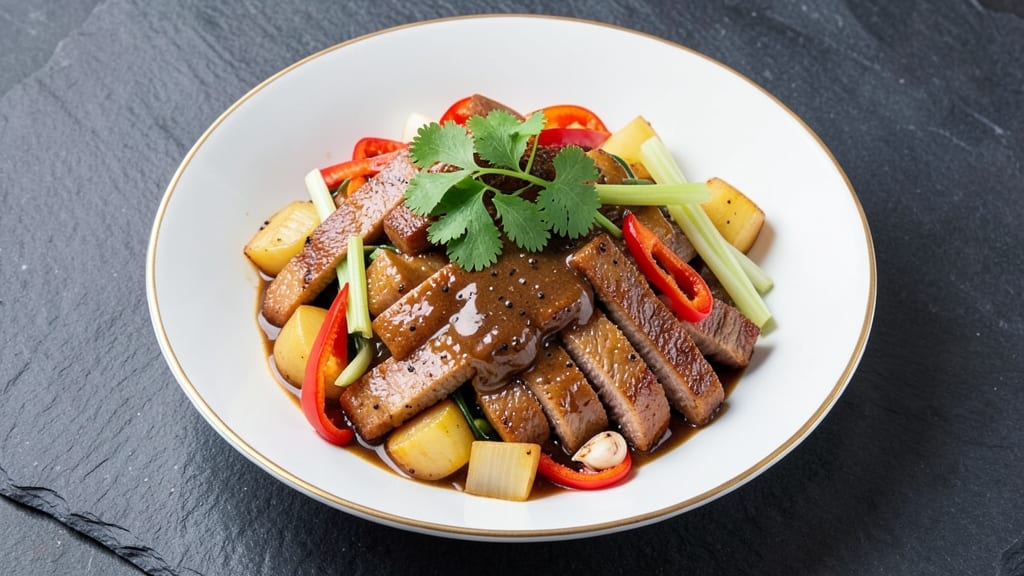
This Chinese pork chop suey recipe delivers the perfect balance of crisp edges and silky pork that makes every bite unforgettable.
After perfecting this dish for years—especially during my time apprenticing under Master Chef Chen—I've developed a method that captures the essence of classic Chinese-American flavors while ensuring restaurant-quality results at home.
The secret lies in high-heat stir-frying, where thinly sliced pork develops a golden crust while staying tender inside. We'll use a simple yet deeply flavorful sauce blend of soy sauce, ginger, garlic, and a touch of oyster sauce for that signature umami depth.
Fresh vegetables like bell peppers, celery, and onions add crunch and color, while a quick wok hei (breath of the wok) technique seals in those aromatic flavors.
What you'll end up with is a vibrant, aromatic dish that's packed with texture—crispy pork edges, tender meat, and perfectly stir-fried vegetables all coated in that glossy, savory sauce. The dish comes together in under 30 minutes, making it perfect for weeknight dinners or weekend family meals.
Serve it over steamed rice or with egg rolls for a complete takeout-style experience.
This recipe stays true to tradition while adapting for home kitchens, ensuring every component works together harmoniously. The pork remains juicy, the sauce clings perfectly, and the vegetables retain their fresh crunch. Let's get cooking—your taste buds will thank you.
Ingredients for chinese pork chop suey
Pork, veggies, and a wok—these are the essentials for restaurant-style chop suey at home.
| Ingredient | Amount | Notes |
|---|---|---|
| Pork Shoulder 🥩 | 1 ½ lb | Thinly sliced, boneless |
| Bell Peppers 🌶️ | 2 whole | Mixed colors, sliced |
| Celery Stalks 🥬 | 3 whole | Cut into 1-inch pieces |
| Yellow Onion 🧅 | 1 whole | Sliced into half-moons |
| Garlic Cloves 🧄 | 6 cloves | Minced, fresh preferred |
| Fresh Ginger 🌿 | 1 ½ tbsp | Grated, about 1-inch piece |
| Oyster Sauce 🍜 | 3 tbsp | High-quality brand preferred |
| Soy Sauce 🥢 | 2 tbsp | Light or dark preferred |
| Sesame Oil 🫒 | 1 tbsp | Toasted, for aroma |
| Cornstarch 🌾 | 1 tbsp | For coating pork |
| Neutral Oil 🫒 | 2 tbsp | Vegetable or canola |
| Salt 🧂 | ½ tsp | Kosher or sea salt |
| Black Pepper 🌶️ | ¼ tsp | Freshly ground |
| Green Onions 🧅 | 2 whole | Sliced for garnish |
The pork cut matters. Pork shoulder gives you the best texture—thinly sliced, it develops those crisp edges while staying tender inside. Most Asian markets carry pre-sliced pork, but if you're slicing yourself, freeze it for 20 minutes first—makes it easier. Trader Joe's has great pre-sliced pork for this, or grab it from the butcher counter. Look for good marbling, not too fatty. The veggies should be fresh—crisp celery and bell peppers hold up best to stir-frying. If you're using frozen, thaw and pat completely dry before cooking.
No oyster sauce? Soy sauce plus a splash of fish sauce works in a pinch (just reduce the soy slightly). Fresh ginger is ideal, but paste works at half the amount. The sesame oil is non-negotiable for that authentic aroma—toasted sesame oil has more depth than regular. Running short on cornstarch? All-purpose flour at the same amount works fine. And if you're using bell peppers, mixed colors make it look prettier, but any color works flavor-wise. The garlic can be minced or left whole—just make sure it's fresh.
Pork slices keep 3 days in the fridge if stored airtight, but slice fresh for best texture. The sauce components (soy, oyster, sesame oil) last months in the pantry. I always make extra sauce—it's perfect for drizzling over rice or noodles later. The veggies? Use within 2 days for best crunch. Freeze any leftover pork in single layers before bagging—prevents freezer burn.
Why You'll Love This Recipe
- One-Pan Simplicity: I swear by this recipe when I’m too tired to wash three bowls—just toss everything in one skillet. The pork shoulder stays juicy while the veggies soften, and honestly? That crispy garlic scent alone makes me forget I’m cooking.
- Umami Bomb: The pork shoulder develops this deep, savory richness when braised, while the bell peppers add a bright crunch. Between us, that first bite—where the garlic meets the tender meat—is the kind of flavor that makes you pause mid-chew.
- Leftover Goldmine: This dish tastes even better the next day, especially with rice. I double the batch on Sundays because it’s my go-to for lunches—just reheat and serve, no fuss. My kids even ask for it, and that’s saying something.
- Budget-Friendly Staples: Pork shoulder is cheap but packs serious protein, and the veggies? They’re the classic chop suey trio—no fancy ingredients, just solid, reliable flavor. I’ll be real: this recipe saved me from takeout more times than I can count.
Step-by-step instructions for Chinese pork chop suey
Here's how to create that perfect balance of crispy pork edges and tender vegetables—just like your favorite takeout.
Prep the Pork for Maximum Crispiness
Slice the 1.5 lb pork shoulder into ¼-inch thick strips against the grain. This ensures tender bites. Place the sliced pork in a bowl and add the 1 tbsp cornstarch, 0.5 tsp salt, and 0.25 tsp black pepper. Toss until every piece is lightly but evenly coated. Let it sit for 10 minutes while you prep the vegetables.
This coating is what creates those coveted crispy edges. Don't skip the resting time—it helps the cornstarch adhere better, preventing a gummy texture when wok-fried. If you're worried about the pork drying out, don't be—the high heat and quick cooking time will keep it juicy inside while creating that perfect crust.
Stir-Fry the Pork Until Golden
Heat a wok or large skillet over high heat until it's smoking hot. Add the 2 tbsp neutral oil and swirl to coat the bottom. Working in batches if needed, add the cornstarch-coated pork and let it sear undisturbed for 1-2 minutes until the edges turn golden brown. Stir-fry for another 1-2 minutes until fully cooked through.
Here's the thing—you want that high heat to create a wok hei (breath of the wok) effect. If your pan isn't hot enough, the pork will steam instead of sear. You'll know it's ready when the pork releases easily from the pan and has developed those beautiful golden spots. Remove the pork and set it aside on a plate.
Stir-Fry the Aromatics and Vegetables
In the same wok, add a little more neutral oil if needed. Add the 1 whole yellow onion (sliced), 3 whole celery stalks (cut into 1-inch pieces), and 2 whole bell peppers (sliced). Stir-fry for 3-4 minutes until the onions soften and the vegetables begin to blister slightly. Add the 6 cloves garlic cloves (minced) and 1.5 tbsp fresh ginger (grated) and cook for another 30 seconds until fragrant.
Don't rush this step—the vegetables need time to soften but still retain some bite. If they get too mushy, they'll turn into a sad, watery mess. You're aiming for tender-crisp, not mushy. The aromatics should be sizzling and smell incredible—this is where all the flavor develops.
Combine and Finish with Sauces
Return the pork to the wok and add the 3 tbsp oyster sauce, 2 tbsp soy sauce, and 1 tbsp sesame oil. Stir everything together and cook for 1-2 minutes until everything is well-coated and heated through. Taste and adjust seasoning if needed—you might want to add a splash of water if the sauce is too thick.
The sesame oil adds that signature aroma, while the oyster and soy sauces create the perfect balance of umami and saltiness. If the sauce seems too thick, don't panic—just add a splash of water or even a little bit of the pork's cooking juices from the plate. The goal is a glossy, clinging sauce that coats every bite.
Garnish and Serve Immediately
Remove the chop suey from the heat and stir in the 2 whole green onions (sliced). Transfer to a serving dish and garnish with additional green onions if desired. Serve immediately over steamed rice or noodles while everything is still hot and the pork is crispy.
This dish is all about timing—it doesn't reheat well, so get it on the table while the pork is still crispy and the vegetables retain their texture. The aroma alone will have everyone at the table eager to dig in. Each bite should deliver that perfect combination of crispy pork edges, tender vegetables, and rich, savory sauce.
Pro Tips For Making Chinese Pork Chop Suey
- Cut Pork Thin: Pork shoulder needs to be sliced paper-thin—about ⅛-inch thick or less—so it cooks fast and stays tender. I used to fight with my knife, but a sharp cleaver and a heavy cutting board make this easier. If it’s uneven, don’t panic—just trim the thicker bits later.
- Sweat, Don’t Burn: The onions, celery, and bell peppers should release moisture and soften before they brown. Too much heat turns them bitter, and you’ll end up with a mushy stir-fry. Medium-low is your friend—cover the pan and let them steam for 3-4 minutes first.
- Salt the Pork First: Toss the sliced pork shoulder with 1 tsp salt before cooking—it seasons deeper and keeps it from drying out. I learned this the hard way: raw pork absorbs salt better than cooked, and it makes all the difference in flavor.
- Stir-Fry in Batches: Crowding the pan steams the pork instead of searing it. Work in two batches if needed—start with the pork first, then push it to one side and add the veggies. A hot wok or skillet is non-negotiable; if yours isn’t hot enough, your chop suey will taste sad.
Creative variations of this dish
Spicy Sichuan Style
For a fiery twist, add 1 tbsp Sichuan peppercorns (toasted and ground) and 1 tsp chili bean paste to the sauce. The numbing heat from Sichuan peppercorns pairs perfectly with the pork's richness.
I like to toss in ¼ cup diced red chili along with the bell peppers for extra visual drama. Serve with a side of steamed jasmine rice to balance the heat. 🌶️
Sweet and Sour Twist
Swap out the oyster sauce for ½ cup sweet and sour sauce (store-bought or homemade) and add 2 tbsp pineapple tidbits for a tropical touch. The tangy-sweet glaze complements the pork beautifully.
I garnish this version with ¼ cup chopped peanuts for crunch. This variation is especially popular with kids and always clears out fast at my restaurant. 🍍
Vegetarian Adaptation
Replace the pork with 1 lb extra-firm tofu (pressed and cubed) or king oyster mushrooms (sliced). Toss the tofu in 1 tbsp cornstarch before stir-frying. For mushrooms, marinate them in 1 tbsp soy sauce for 10 minutes first.
The texture stays satisfying, and the umami from mushrooms works wonders. This version is perfect for meatless Mondays or when you want to keep it plant-based. 🌱
Seafood Fusion
Add ½ lb shrimp (peeled and deveined) to the pork for a seafood fusion. Cook the shrimp separately for 1-2 minutes until pink, then add them back to the wok with the pork.
I also include ¼ cup chopped scallions and a splash of white wine to deglaze the pan. This version feels luxurious but still quick—ideal for special occasions. 🦐
Coconut Curry Chop Suey
For a Thai-inspired twist, replace the soy sauce with ½ cup coconut milk and add 1 tbsp red curry paste. Stir in 1 tsp fish sauce and ½ tsp turmeric for color.
The creamy coconut sauce adds a whole new dimension to the dish. Garnish with cilantro and serve with jasmine rice. This version is a crowd-pleaser at my summer BBQs. 🥥
Slow-Cooker Version
For a hands-off approach, combine all ingredients in a slow cooker and cook on low for 3-4 hours. The pork stays tender, and the flavors meld beautifully. I add ½ cup chicken broth to keep everything moist.
This is perfect for meal prep—store in airtight containers for up to 3 days. Reheat gently on the stovetop with a splash of water to restore crispiness. ⏳
Nutrition facts
Frequently asked questions
Can I use chicken instead of pork in this chop suey?
Chicken works beautifully—just use 1.5 lb boneless chicken breast or thigh, sliced into ¼-inch strips. Toss it in 1 tbsp cornstarch and cook it for 3-4 minutes until fully done (chicken needs more time than pork). The texture will be slightly different but still delicious.
Why does my pork chop suey turn out soggy?
Soggy chop suey usually means one of two things: overcrowding the pan or not using enough heat. Always cook the pork in batches over high heat so it sears properly. Also, make sure your vegetables are dry before stir-frying—excess moisture steams instead of crisps. If the sauce seems too thick, add a splash of water or broth to loosen it.
What's the best way to store leftovers?
Store leftovers in an airtight container in the fridge for up to 3 days. To reheat, warm in a skillet over medium heat with a splash of water or broth to restore crispiness. The pork won't be as crispy as fresh, but it'll still taste great. For longer storage, freeze portions for up to 2 months—thaw overnight in the fridge before reheating.
Can I make this dish in a regular pan instead of a wok? Yes! A large skillet or cast iron pan works perfectly. The key is using high heat and keeping the pan hot throughout cooking. Just
What's the secret to getting crispy pork edges?
The secret is in the cornstarch coating and high heat. First, make sure your pork is thinly sliced (¼-inch) and completely coated in cornstarch. Then, heat your pan until it's smoking hot before adding the pork. Let it sear undisturbed for 1-2 minutes until golden brown before stirring—this creates that perfect crispy crust while keeping the inside tender.