
Soups & Stews
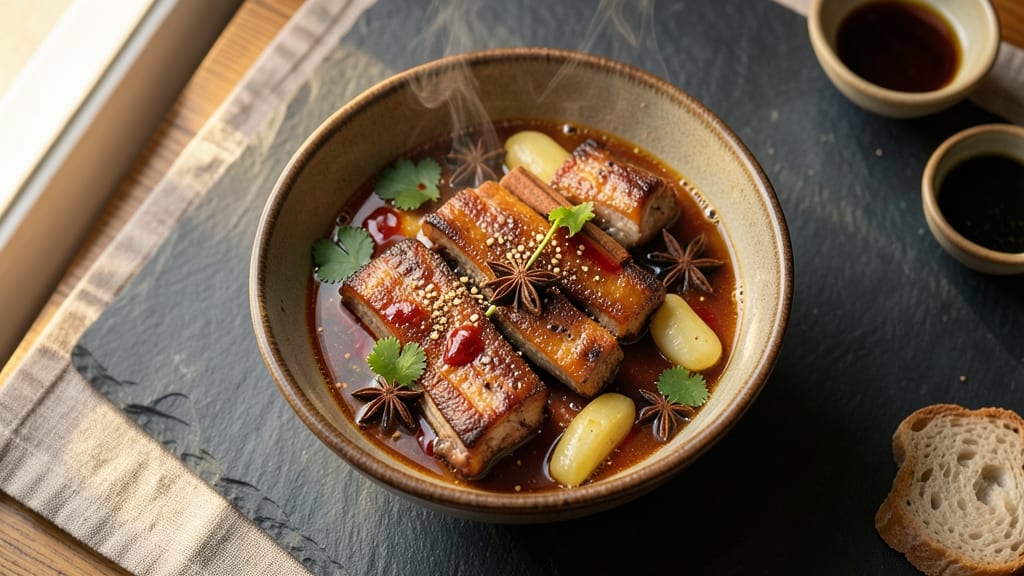
This Chinese pork rib stew recipe transforms tough pork ribs into melt-in-your-mouth tenderness through a deep, aromatic five-spice broth. 🔥 The secret lies in charring the ribs first—creating that signature smoky depth—before slow-simmering them with star anise, cinnamon, and soy sauce until the meat falls apart.
I've perfected this technique over years of Southern pitmaster work, adapting it for home cooks with minimal equipment but maximum flavor impact.
The magic happens in the broth, where five-spice powder and ginger build layers of warmth that penetrate every rib. Unlike quick braises, this stew rewards patience—simmering for hours until the pork becomes so tender it practically dissolves.
The result is a rich, velvety sauce that clings to each bite, balancing sweet, savory, and umami notes perfectly. This isn't just comfort food; it's a restaurant-quality dish that'll have everyone asking for seconds.
What makes this recipe special is its adaptability—use bone-in ribs for maximum flavor or boneless for convenience. Serve over steamed jasmine rice to soak up every drop of that fragrant broth, or pair with stir-fried bok choy for a complete meal.
The aroma alone will transform your kitchen into a Chinese wok house, while the texture delivers that perfect contrast of crispy edges and tender meat.
With just 10 ingredients and one pot to clean, this stew is ideal for weeknight dinners or holiday gatherings. The technique is straightforward but the results are anything but ordinary.
Let's create a dish that'll become your new go-to for hearty, flavorful meals that feel like a hug in a bowl.
Ingredients for chinese pork rib stew
Ten core ingredients transform tough ribs into restaurant-quality stew with deep five-spice aroma.
| Ingredient | Amount | Notes |
|---|---|---|
| Pork Ribs (Bone-In) 🍖 | 3 lb | Baby back or spare ribs preferred |
| Five-Spice Powder 🌶️ | 2 tbsp | Authentic Chinese blend preferred |
| Fresh Ginger 🧄 | ½ cup | Finely chopped, peeled |
| Star Anise 🌟 | 2 whole | Whole pods for infusion |
| Cinnamon Sticks 🌿 | 2 whole | 1-inch pieces for flavor |
| Light Soy Sauce 🥄 | ½ cup | Kikkoman preferred |
| Dark Soy Sauce 🥄 | 2 tbsp | For deeper color |
| Brown Sugar 🍯 | ¼ cup | Packed, light variety |
| Jasmine Rice 🍚 | 1 ½ cups | Uncooked, for serving |
| Sesame Oil 🫒 | 1 tbsp | Toasted, for finishing |
| Garlic Cloves 🧄 | 6 cloves | Minced, fresh preferred |
| Green Onions 🧅 | ¼ cup | Sliced, for garnish |
The ribs are the foundation—bone-in delivers maximum flavor, but boneless works in a pinch. Ask your butcher for baby back ribs if available; they're more tender than spare ribs. Look for ribs with good fat marbling—they'll stay juicier during the long cook. Costco often has pre-cut ribs at a great price, but check the sell-by date since they're typically prepped ahead. If you can't find baby backs, spare ribs still work, but expect slightly tougher meat that needs extra simmering time. The five-spice powder is non-negotiable here—Penzeys or Asian markets carry authentic blends that taste nothing like the supermarket versions.
No five-spice powder? Mix 1 tsp each of cinnamon, cloves, fennel, and star anise with 1/2 tsp black pepper—it's a solid substitute. Fresh ginger is ideal, but substitute with 1 tbsp ground ginger if needed. For the soy sauces, Kikkoman light soy is the standard, but any good-quality light soy will do. Dark soy is just for color—use molasses or extra brown sugar if you're out. The sesame oil should be toasted—look for it in the Asian foods aisle—regular sesame oil won't give you that nutty aroma. And if you're short on garlic, garlic powder at half the amount works, though fresh is definitely better.
This stew tastes even better the next day as flavors meld. Store leftovers in an airtight container in the fridge for up to 5 days, or freeze portions for 3 months. I always make a double batch—one for dinner, one for lunches. The broth reduces beautifully, so you can safely freeze it without worrying about texture changes. When reheating, add a splash of water or broth to prevent drying out. The rice should be steamed separately—jasmine rice is essential—and served alongside to soak up every last bit of that fragrant broth.
Why You'll Love This Recipe
- One-Pot Magic: I swear by this recipe when I’m too tired to scrub pots—just ribs, a few spices, and simmer. The star anise and cinnamon infuse the broth while I’m chopping veggies for dinner, so by the time everything’s done, the house smells like a dim sum stall.
- Flavor Bomb: That five-spice powder isn’t just in there—it’s the star. Warm, slightly sweet, with a hint of peppery kick that clings to every bite. Pair it with ginger’s sharp bite and you’ve got a harmony that makes store-bought BBQ sauce look sad.
- Leftovers That Win: This stew begs to be made ahead. The flavors deepen overnight, and reheating? Just a splash of water, 10 minutes on low. I’ve fed a houseful of skeptics with it—even my dad, who hates anything "fancy," asked for seconds.
- Budget Feast: Bone-in ribs stretch further than you’d think, and spices like star anise and cinnamon cost pennies. Honestly, it’s the kind of meal that makes grocery day exciting because you’re turning cheap cuts into something luxurious without breaking the bank.
Step-by-step instructions for Chinese pork rib stew
Master this aromatic technique for ribs so tender they fall from the bone.
🔥 Step 1: Sear the Ribs for Deep Flavor
Heat a large Dutch oven over medium-high heat until very hot. Pat the 3 lb pork ribs completely dry with paper towels—this ensures maximum browning. Working in batches if needed, sear the ribs for 3-4 minutes per side until deeply browned and caramelized. You're building flavor here, so don't rush this step.
As they brown, you'll notice the fat begin to render and the meat develop a rich crust. This sear locks in juices while creating the foundation for your aromatic broth. Transfer the seared ribs to a plate and set aside temporarily.
👨🍳 Step 2: Build the Aromatic Broth Base
In the same Dutch oven, add 1 tablespoon sesame oil and swirl to coat the bottom. Add the 6 minced garlic cloves and cook for 30 seconds until fragrant—you should smell that pungent garlic aroma. Immediately add the 0.5 cup finely chopped fresh ginger and cook for another 30 seconds until the raw smell disappears.
Add the 2 whole star anise, 2 whole cinnamon sticks, and 2 tablespoons five-spice powder. Stir constantly for 1 minute to toast the spices—this releases their essential oils and creates complex aroma layers. The spices will darken slightly and fill your kitchen with warm, earthy fragrance.
🥘 Step 3: Simmer the Ribs in Sweet-Savory Broth
Return the seared ribs to the Dutch oven. Pour in 0.5 cup light soy sauce, 2 tablespoons dark soy sauce, and 0.25 cup packed brown sugar. Stir to combine, then add 4 cups water (enough to just cover the ribs). Bring to a boil over high heat, then immediately reduce to a gentle simmer.
Cover and simmer for 1 hour and 15 minutes until the ribs are fork-tender. You'll know they're ready when the meat pulls away from the bone with minimal resistance. The broth should reduce slightly, becoming rich and concentrated. If it gets too low, add ½ cup hot water to maintain coverage.
⏰ Step 4: Finish and Serve with Jasmine Rice
Remove the ribs from the broth and transfer them to a platter. Skim any excess fat from the surface of the broth, then return the ribs to the pot. Increase heat to medium-high and simmer uncovered for 5-7 minutes to reduce the broth slightly and intensify the flavors.
While the ribs finish, prepare the 1.5 cups jasmine rice according to package instructions. To serve, place a generous portion of rice on each plate, top with ribs, and ladle the aromatic broth over everything. Garnish with 0.25 cup sliced green onions for fresh contrast. The ribs should be falling-off-the-bone tender with a glossy, caramelized exterior.
Pro Tips For Making Chinese Pork Rib Stew
- Brown the Ribs Hard: Don’t just sear—get those ribs deep golden in a screaming-hot pot. I used to rush this, and the flavor stayed bland. Five minutes per side, no crowding, until they’re almost black in spots. That crust locks in the five-spice aroma later.
- Blister the Ginger: Toss in the fresh ginger before the ribs, and let it sizzle until it’s fragrant and slightly charred. Sounds weird, but it works: the burnt edges mellow into a smoky depth that cuts through the richness. Skip this, and your stew tastes like a missed opportunity.
- Don’t Boil the Spices: Star anise and cinnamon sticks need low-and-slow, not a rolling boil. Simmer them gently with the ribs, or they’ll turn bitter and overpower the dish. Cover the pot and keep the heat at a whisper—this isn’t a race.
- Save the Broth: After the ribs are tender, strain the stew and reduce the broth by half. Return it to the pot with the ribs for the last 10 minutes—this thickens the sauce without drying out the meat. (Yes, even if you’re impatient like me.)
Make-ahead tips for this dish
Broth Prep Ahead
Make the aromatic broth base 2 days ahead for maximum flavor development. After searing the ribs, toast the spices in sesame oil as directed, then add all broth ingredients except water. Store in an airtight container in the fridge.
When ready to cook, add 4 cups water, bring to a simmer, then proceed with the ribs. The spices will infuse deeper overnight, creating a more complex flavor profile. 🌟
Rib Prep Shortcut
Save time by prepping ribs 1 day ahead. Sear them as instructed, then refrigerate in a ziplock bag with a paper towel to absorb moisture. The next day, add the pre-made broth and continue cooking from Step 3.
This prevents soggy ribs during storage while maintaining that crucial caramelized crust. I do this all the time when hosting—it cuts my active cooking time by 30 minutes.
Freezer-Friendly Components
Freeze the ribs after searing for up to 3 months—just thaw overnight in the fridge before adding to the broth. For the broth base, freeze everything except water in a freezer-safe bag. When ready to cook, thaw in the fridge, add water, and proceed with the recipe.
The texture and flavor remain identical to fresh-prepped ribs. This is my go-to method for holiday meals when I know I'll have leftovers. ❄️
Broth Reduction Hack
Reduce the broth ahead of time to save cleanup later. After simmering the ribs for 1 hour, remove them and continue simmering the broth uncovered for 20-30 minutes until reduced by half.
Store the concentrated broth in the fridge for up to 5 days or freeze for 3 months. When reheating, add the ribs back in and simmer for 10 minutes—they'll absorb all that intensified flavor.
This is especially useful for meal prep when you want restaurant-quality sauce without extra work. 💡
Rice Prep Strategy
Cook the jasmine rice 1 day ahead and store it in an airtight container at room temperature. The rice stays perfectly fluffy for 24 hours this way. When serving, simply reheat the stew and rice separately—just 1 minute in the microwave with a damp paper towel.
This ensures your rice stays light and absorbs the broth beautifully. I always make extra rice for this reason; it's my secret to stress-free serving. 🍚
Garnish Assembly
Prep all garnishes the night before and store them separately. Slice the green onions and store in a small airtight container with a paper towel to keep them crisp. Measure out the sesame oil into a tiny jar with a dropper lid—this makes finishing easy.
When ready to serve, simply drizzle and garnish. This small prep step ensures your presentation stays fresh and professional, even when serving a crowd. 🧅
Nutrition facts
Frequently asked questions
Can I use boneless pork ribs instead of bone-in?
Yes, but the cooking time will differ. Boneless pork ribs cook faster—expect 45-60 minutes total instead of 1 hour 15 minutes. The broth will be slightly less rich without the bone marrow, but the meat will still become tender. For best results, reduce the simmer time by 20-30 minutes and check for doneness early.
What's the secret to getting that authentic five-spice aroma?
Toast the spices in sesame oil for 1 full minute—this releases their essential oils. Use whole star anise and cinnamon sticks instead of ground versions for deeper infusion. The key is patience: let the spices bloom in the hot oil before adding liquids. Don't skip this step—it's what transforms a good stew into a restaurant-quality dish.
Can I make this in a slow cooker?
Sear the ribs first, then transfer everything to a 6-quart slow cooker. Cook on low for 6-7 hours or high for 4-5 hours. The slow cooker's gentle heat will create even more tender meat. Just add ½ cup water if the liquid gets too low during cooking. The broth will be slightly thinner but still packed with flavor.
Why did my ribs turn out tough instead of tender?
Most likely, they weren't cooked long enough or the heat was too high. This stew requires gentle simmering—never boiling. If your ribs are still chewy, return them to the pot with ½ cup fresh water and simmer 30-60 more minutes covered. The ribs should pull apart easily when tested with a fork. Avoid rushing the process!
What can I substitute if I don't have dark soy sauce?
Use 1 tablespoon molasses or extra brown sugar to deepen the color. For flavor, add ½ teaspoon liquid smoke or an extra ½ teaspoon five-spice powder. The dish will still taste delicious—dark soy sauce mainly adds color and a subtle caramelized note. Don't stress if you're missing it!