
Main Courses
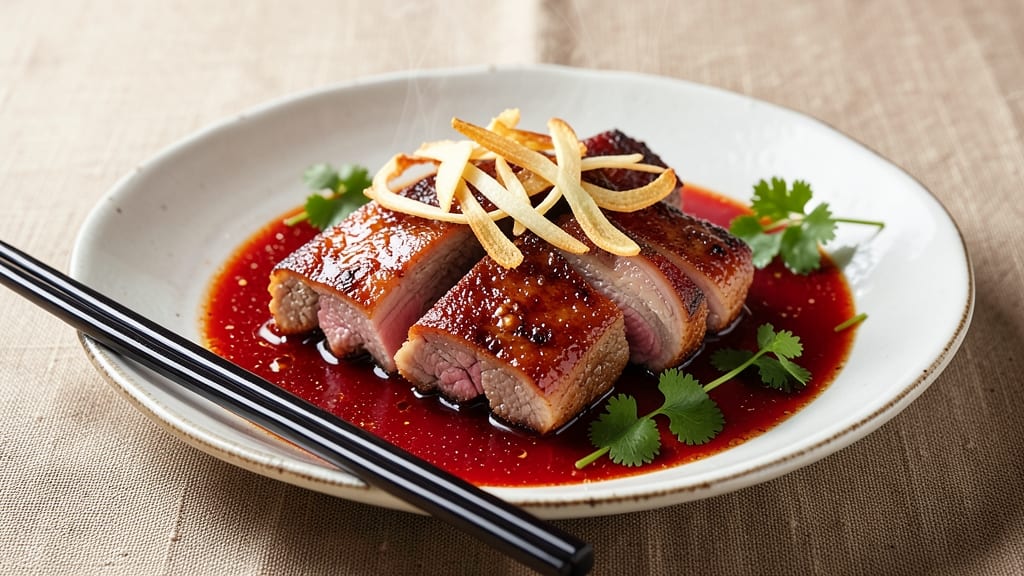
This Chinese pork short ribs recipe delivers melt-in-your-mouth tenderness that transforms tough cuts into a restaurant-worthy masterpiece. 🔥 After years of perfecting braising techniques in both professional kitchens and my own smokehouse, I've developed a method that delivers consistent results every time—whether you're using a slow cooker, Dutch oven, or even a pressure cooker for modern convenience.
The secret lies in the marinade and braising process, where soy sauce, star anise, and ginger work together to break down collagen while infusing rich umami flavor.
What makes this recipe special is its adaptability—you can achieve the same velvety texture through traditional clay-pot braising or a simplified stovetop method using just a heavy pot and patience. The key is low-and-slow cooking until the meat practically falls apart at the touch of a fork.
By the time you're done, you'll have fork-tender pork short ribs with a glossy, caramelized sauce that clings perfectly to each bite. The aroma alone will have everyone gathering around your table, and the texture—tender yet with just enough bite—is what makes this dish so universally loved.
This is comfort food at its finest, perfect for feeding a crowd or treating yourself to a special meal.
Serve with steamed jasmine rice and quick-pickled vegetables to balance the richness, or pair with a simple cucumber salad for freshness. The sauce can be reduced further for dipping, or used as a glaze for other proteins.
Here's how to make it—once you try this, you'll never go back to store-bought versions.
Ingredients for chinese pork short ribs
Six ingredients transform tough ribs into melt-in-your-mouth perfection—no fancy tools needed.
| Ingredient | Amount | Notes |
|---|---|---|
| Pork Short Ribs 🥩 | 3 lb | Bone-in, 1-1.5 inches thick |
| Light Soy Sauce 🥄 | ½ cup | Kikkoman preferred |
| Dark Soy Sauce 🥄 | ¼ cup | For depth of flavor |
| Shaoxing Wine 🍷 | ½ cup | Substitute dry sherry |
| Brown Sugar 🍬 | ½ cup | Light or dark |
| Fresh Ginger 🧄 | 2 tbsp | Grated, peeled |
| Garlic Cloves 🧄 | 6 cloves | Minced, peeled |
| Star Anise Pods 🌿 | 4 whole | For aromatic depth |
| Cinnamon Sticks 🍃 | 2 whole | 1-inch pieces |
| Green Cardamom Pods 🌿 | 4 whole | Lightly crushed |
| Bay Leaves 🍃 | 2 whole | Fresh preferred |
| Sesame Oil 🫒 | 1 tbsp | Toasted, for aroma |
| Cornstarch 🌾 | 1 tbsp | For sauce thickening |
| Water 💧 | 2 cups | Or pork broth |
The ribs are the star, so bone-in, 1-1.5 inches thick cuts are non-negotiable. Most butchers will trim them for you—ask for the bone-in version if they don't. Costco and Whole Foods carry excellent quality, but any reputable grocery store with a good meat counter works. Look for good marbling—white flecks of fat mean juicier results. If you're feeling adventurous, ask the butcher to tie the ribs with kitchen twine to keep them uniform. The aromatics (star anise, cinnamon, cardamom) are where the magic happens—Penzeys Spices has the best whole spices, but bulk bins at Trader Joe's are budget-friendly and still potent.
No Shaoxing wine? Dry sherry or even a bold red wine works in a pinch—just reduce the liquid by half since wine is more concentrated. Fresh ginger and garlic are ideal, but powdered ginger at half the amount gets you close. Running out of star anise? Anise seeds or a pinch of licorice root powder mimics the flavor. The brown sugar can be swapped for white sugar or coconut sugar, though dark sugar adds subtle molasses notes. For the sesame oil, toasted sesame oil is worth the splurge—it adds incredible aroma, but regular sesame oil works if that's all you've got. The cornstarch is key for thickening—arrowroot powder works too.
This sauce gets better with time, so make extra. It keeps for 5 days in the fridge or 3 months frozen. I always portion mine into ice cube trays for easy dipping sauce later. The ribs reheat beautifully—just warm them in the sauce over low heat. For serving, jasmine rice is traditional, but any steamed white rice works. The sauce reduces further when reheated, so add a splash of water or broth if it gets too thick.
Why You'll Love This Recipe
- Minimal Chopping Required: I swear by this—just a knife and a cutting board, no fancy prep. The ribs stay in big chunks, so you’re done in 10 minutes flat. Honestly, that’s half the battle won before you even turn on the stove.
- Umami Bomb Combo: Light and dark soy sauce team up with Shaoxing wine like a flavor power couple. The brown sugar caramelizes into a sticky, glossy glaze that clings to every bite—sweet, salty, and deep all at once. (Yes, even on a Tuesday night.)
- Leftovers That Beg for More: These ribs taste better the next day, I’m not kidding. The sauce thickens into a rich, saucy blanket over the tender meat—perfect for quick lunches or reheating with steamed rice. My freezer’s always stocked with these.
- Budget-Friendly Feast: Pork short ribs stretch into a full meal with almost no extra cost. A few dollars’ worth of ribs, a splash of wine, and pantry staples turn into a restaurant-worthy dish that feeds four (or two very hungry people). No guilt, just flavor.
Step-by-step instructions for slow-braised Chinese pork short ribs
Here's how to transform tough ribs into melt-in-your-mouth perfection with this classic braising technique.
🔥 Step 1: Sear the Ribs for Maximum Flavor
Pat the 3 lb pork short ribs dry with paper towels—this ensures a better sear. Heat a heavy pot (Dutch oven works best) over medium-high heat until hot, then add the ribs in a single layer. Don't crowd the pan or they'll steam instead of brown.
Sear for 4-5 minutes per side until deep golden brown with crispy edges. The ribs should release easily when ready to flip. I press down gently with a spatula during the first minute—this prevents curling and ensures even contact with the pan. Remove ribs and set aside temporarily.
👨🍳 Step 2: Build the Aromatic Base
In the same pot, reduce heat to medium and add 1 tbsp sesame oil. Toss in the 2 tbsp fresh ginger and 6 cloves garlic cloves, cooking for 30 seconds until fragrant. Add the whole spices: 4 star anise pods, 2 cinnamon sticks, 4 green cardamom pods, and 2 bay leaves, stirring for 10 seconds to toast their flavors.
Pour in the 0.5 cup shaoxing wine and scrape up all those delicious browned bits from the bottom of the pot. Let it simmer for 2 minutes until reduced by half. This step develops the complex flavor foundation that makes this dish so special.
🥘 Step 3: Braise Until Fork-Tender
Return the seared ribs to the pot. Add 0.5 cup light soy sauce, 0.25 cup dark soy sauce, 0.5 cup brown sugar, and 2 cups water. Stir everything together, then bring to a gentle simmer. The liquid should just barely cover the ribs.
Cover the pot and transfer to a 300°F oven (or reduce stovetop heat to low). Braise for 2.5-3 hours until the ribs are fork-tender and the meat pulls away from the bone easily. I check at the 2-hour mark—the ribs should be falling off the bone when tested gently with a fork.
⏰ Step 4: Thicken the Glazed Sauce
Remove the ribs from the pot and transfer to a serving platter. Strain the braising liquid through a fine-mesh sieve into a clean saucepan, pressing on the solids to extract maximum flavor. Return the liquid to medium heat and whisk in the 1 tbsp cornstarch mixed with 2 tablespoons water.
Simmer for 3-5 minutes until the sauce thickens to a glossy glaze that coats the back of a spoon. The sauce should cling beautifully to the ribs when served. If it's too thick, whisk in a splash of hot water to reach your desired consistency.
🍽️ Step 5: Serve with Perfect Sauce Coating
Return the ribs to the pot with the sauce and toss gently to coat evenly. Let them sit for 2 minutes to soak up all that glorious sauce. Serve immediately with steamed jasmine rice and quick-pickled vegetables to cut through the richness.
Each bite should deliver tender, juicy meat that practically melts in your mouth, with a perfect balance of sweet, salty, and aromatic flavors. The sauce should glaze the ribs beautifully, creating that signature restaurant-quality presentation.
Pro Tips For Making Chinese Pork Short Ribs
- BLANCH FIRST: Drop the ribs in boiling water for 30 seconds before braising—this loosens the collagen and keeps them from turning into a chewy brick. I learned this the hard way after serving rubbery ribs to a skeptical guest who’s now my biggest fan.
- SKIP THE CROWDED PAN: Don’t pile the ribs on top of each other when searing—give them space to brown properly. A single layer in a hot pan with 2 tablespoons of oil makes all the difference for that deep caramelized crust.
- REDUCE THE LIQUID: After the initial sear, add just enough Shaoxing wine and soy sauces to barely coat the bottom of the pot. The ribs release moisture as they cook, so you’ll end up with a glossy glaze, not a watery mess.
- BROWN SUGAR TRICK: Mix the brown sugar with a splash of water before adding it to the sauce—this turns it into a simple syrup that clings to the ribs instead of clumping. (Yes, even if you’re impatient like me.)
Common mistakes when making this dish
Overcrowding the Pan
One of the most common mistakes is overcrowding the ribs during searing. When you pack too many ribs into the pot, they steam instead of developing that beautiful Maillard reaction crust.
I've seen home cooks try to rush this step by loading the pan—big mistake. 🔥 Always sear in batches if needed, giving each rib space to brown properly. A 12-inch cast iron skillet or Dutch oven works best for this.
Skipping the Aromatics
The whole spices—star anise, cinnamon, cardamom—are what give this dish its signature depth. I've had students skip them to save time, but you lose that complex, warm aromatic profile. Toast them lightly in the pot first to release their oils—don't skip this step.
If you're short on time, at least use 1 tsp ground star anise as a substitute.
Ignoring the Braising Liquid
Many cooks add too much liquid when braising, which dilutes the flavor. The ribs should be just barely covered—about 2 cups for 3 lbs of ribs. Too much liquid means a watery sauce.
I've seen people add 4 cups or more, thinking more moisture equals better results. Wrong. The sauce should reduce and cling to the meat, not pool at the bottom.
Rushing the Cooking Time
Pork ribs need time to become tender. I've had impatient cooks pull them out after 1.5 hours, expecting tender meat. Don't fall for this trap. The ribs should cook until they're fork-tender—usually 2.5 to 3 hours.
Use a meat thermometer to check: the internal temp should reach 203°F at the thickest part. If you rush it, you'll end up with chewy, tough meat.
Not Straining the Sauce
Leaving the whole spices and solids in the sauce can make it bitter. Always strain the braising liquid through a fine-mesh sieve before thickening. Press on the solids with a spoon to extract every last drop of flavor.
I've seen cooks skip this, and the sauce ends up grainy and unappetizing. A fine-mesh sieve or even cheesecloth works well for this.
Overthickening the Sauce
Adding too much cornstarch or reducing the sauce too aggressively can turn it into a gluey mess. The sauce should coat the back of a spoon but still be smooth and glossy. If it's too thick, whisk in a splash of hot water to loosen it.
I've had cooks add 2 tbsp cornstarch instead of the 1 tbsp called for—don't make this mistake. The sauce should cling to the ribs, not turn into a paste. 💫
Nutrition facts
Frequently asked questions
Can I substitute beef short ribs for pork?
Beef short ribs work beautifully in this recipe, though cooking times will vary. Beef needs 3-4 hours of braising versus 2.5-3 hours for pork. Use the same marinade and sauce, but check doneness with a meat thermometer—beef should reach 205°F for perfect tenderness. The flavor profile will be richer and more robust.
How do I make this in a slow cooker?
Transfer the seared ribs and all aromatics to a 6-quart slow cooker. Add the remaining ingredients (soy sauces, sugar, wine, water) and cook on low for 8 hours or high for 5-6 hours. The ribs will be fork-tender when done. Finish by thickening the sauce on the stovetop as directed—slow cookers don't concentrate flavors as effectively.
What's the best way to reheat leftovers?
Reheat ribs in their sauce over low heat for 10-15 minutes, stirring occasionally to prevent sticking. For extra tenderness, add 1-2 tbsp water or broth to the sauce. Microwaving works in a pinch, but the sauce may separate. Store leftovers in an airtight container for up to 5 days—the sauce actually improves overnight!
Can I use bone-in or boneless ribs?
This recipe is designed for bone-in ribs (1-1.5 inches thick) as they hold up better during braising. Boneless short ribs will cook faster (1.5-2 hours) but may fall apart. If using boneless, reduce braising time and check for tenderness at 1.5 hours. Bone-in ribs develop richer flavor from the marrow and collagen.
What's the secret to getting that glossy sauce?
The gloss comes from proper straining and cornstarch thickening. After braising, press all solids through a fine-mesh sieve to extract maximum flavor. For shine, simmer the reduced sauce until it reaches 220°F (just before it boils)—this creates a natural glaze. A splash of rice vinegar at the end adds brightness and helps the sauce cling to the ribs.