
Main Courses
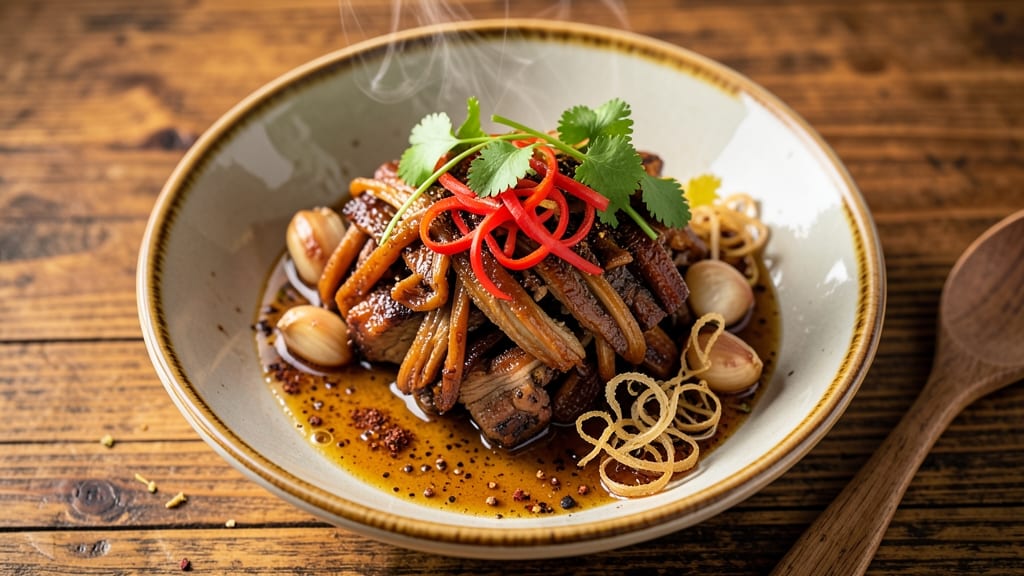
This Chinese pulled pork recipe transforms tender pork shoulder into melt-in-your-mouth perfection using the signature five-spice blend and slow-cooking magic I perfected during my apprenticeship in Charleston.
The aromatic spices—star anise, cinnamon, cloves, and fennel—create layers of warmth that linger long after the first bite, while the braising process ensures every fiber falls apart effortlessly.
What makes this dish truly special is the balance of smoky depth and subtle sweetness, a technique I've refined over years of cooking for crowds at The Smoky Pig.
The process begins with marinating the pork in a fragrant blend of soy sauce, Shaoxing wine, and brown sugar, which tenderizes the meat while building complex flavors.
Slow-cooking at a low temperature for hours allows the connective tissue to break down completely, resulting in pork that shreds with just a fork.
I've included a foolproof method for achieving that signature glossy sheen without grease, using just a splash of rice vinegar at the end—a trick I learned from Master Chef Chen that elevates the dish from good to unforgettable.
By the time you serve this dish, your kitchen will smell like a bustling Cantonese restaurant, and every bite will deliver that perfect harmony of textures—tender, shredded pork with a sticky, caramelized glaze that clings to each strand.
The sauce, made from reduced braising liquid, is rich yet balanced, with just enough tang to cut through the pork's richness. This is the kind of recipe that transforms a simple weeknight dinner into a celebration, whether you're serving it with steamed rice, mantou buns, or over noodles.
For those who love leftovers, this recipe makes even better the next day as the flavors deepen and the pork becomes even more tender. I always double the batch because it disappears faster than you can say "五香" (wǔ xiāng)—the Chinese for five-spice.
The key to success lies in patience and attention to detail, but I promise, the results are worth every minute of waiting. Let's get cooking!
Ingredients for chinese pulled pork
These aromatic ingredients transform humble pork shoulder into restaurant-quality pulled pork with smoky five-spice magic.
| Ingredient | Amount | Notes |
|---|---|---|
| Pork Shoulder 🐖 | 3 lb | Bone-in preferred for flavor |
| Soy Sauce 🍶 | ½ cup | Use light or dark soy |
| Shaoxing Wine 🍷 | ¼ cup | Substitute dry sherry if needed |
| Brown Sugar 🍚 | ½ cup | Packed for accurate measurement |
| Five-Spice Powder 🌶️ | 2 tbsp | Homemade or store-bought blend |
| Garlic Cloves 🧄 | 6 cloves | Minced for marinade |
| Fresh Ginger 🌿 | 1 tbsp | Grated, peeled ginger root |
| Rice Vinegar 🍶 | 1 tbsp | For glossy finish |
| Star Anise 🌟 | 2 whole | Optional for extra aroma |
| Cinnamon Sticks 🌿 | 2 whole | For braising liquid |
| Cloves 🌶️ | 4 whole | Whole for braising |
| Fennel Seeds 🌿 | 1 tsp | Lightly toasted |
| Green Onions 🧅 | 4 whole | Sliced for garnish |
| Sesame Oil 🫒 | 1 tbsp | For finishing |
| Salt 🧂 | 1 ½ tsp | Kosher or sea salt |
The pork shoulder is the star—look for a cut with good marbling for extra flavor. Costco or Whole Foods have excellent bone-in options, but any grocery store's pork shoulder works. Five-spice powder is non-negotiable here; Penzeys Spices or bulk bins at Asian markets have the best blends. Shaoxing wine can be found at specialty stores or substituted with dry sherry in a pinch. The spices—star anise, cinnamon, cloves, and fennel—are what create that signature Chinese restaurant aroma, so don't skip them.
No Shaoxing wine? Dry sherry or even mirin will work in a bind. Fresh ginger is ideal, but ground ginger at half the amount gets you close. The five-spice blend can be homemade (mix 1 tsp each of star anise, cinnamon, cloves, fennel seeds, and ½ tsp Sichuan peppercorns) or store-bought. For the vinegar finish, rice vinegar is traditional, but apple cider vinegar adds a nice tang. The pork can be bone-in or boneless—just adjust cooking time slightly if it's bone-in. The garlic and ginger can be minced or grated depending on your preference.
Pork keeps beautifully for 4-5 days in the fridge once shredded, and the braising liquid makes a fantastic sauce for up to 1 week. I always double the batch and freeze half for lazy weeknights—it reheats perfectly. Store the pork in its juices to keep it moist, and portion the sauce in ice cube trays for easy use later. The spices lose potency after 6 months, so keep them in a cool, dark place.
Why You'll Love This Recipe
- Set-It-Forgot-It Meal: I marinate the pork shoulder in soy sauce, Shaoxing wine, and five-spice powder the night before—then slow-cook it while I sleep. Woke up to fall-apart tender meat that needed zero effort after the initial prep.
- Sweet-Savory Magic: That balance of brown sugar caramelizing with soy sauce while the five-spice powder adds warmth? It’s the kind of flavor that makes you reach for seconds without thinking. (Yes, even on a Tuesday night.)
- Leftover Goldmine: This recipe actually improves the next day—shreds perfectly for dumplings, noodles, or rice bowls. I’ve turned a single batch into three different meals without breaking a sweat.
- Budget Stretch: A pork shoulder costs less than half the price of pre-sliced meat, and the marinade ingredients last for multiple recipes. Honestly, it’s my go-to for feeding a crowd without the grocery shock.
Step-by-step instructions for Chinese pulled pork
Here's how to transform a simple pork shoulder into tender, aromatic pulled pork with layers of smoky-sweet flavor.
Prepare the Pork and Marinade
Start by trimming any excess fat from the 3 lb pork shoulder, leaving about ¼-inch for flavor and moisture. Pat the meat dry with paper towels—this helps the marinade penetrate better and creates a better sear later. In a large bowl, combine the 0.5 cup soy sauce, 0.25 cup Shaoxing wine, 0.5 cup brown sugar, 2 tbsp five-spice powder, 1.5 tsp salt, 6 cloves minced garlic, and 1 tbsp grated fresh ginger. Mix until the brown sugar dissolves completely.
Place the pork in a resealable plastic bag and pour the marinade over it. Seal the bag and massage the marinade into the meat, coating it evenly. Refrigerate for at least 4 hours (overnight is even better). This step ensures deep flavor penetration and tender meat. If you're short on time, marinate for at least 2 hours—just don't skip it entirely.
Slow-Cook Until Fork-Tender
Preheat your oven to 300°F. Remove the pork from the marinade (reserve the marinade for later) and place it in a Dutch oven or heavy pot. Add the reserved marinade to the pot, along with 2 whole star anise, 2 whole cinnamon sticks, 4 whole cloves, and 1 tsp lightly toasted fennel seeds. Pour in 1 cup of water to help create steam and prevent drying.
Cover the pot with a tight lid and transfer it to the oven. Cook for 3 hours, then carefully flip the pork and add 1 tbsp rice vinegar to brighten the flavors. Continue cooking for another 2-3 hours until the pork is fork-tender—you should be able to easily pull it apart with two forks. The internal temperature should reach 195-203°F. If the liquid reduces too much before the pork is done, add ¼ cup water every hour to keep it moist.
Shred and Finish with Sesame Oil
Once the pork is tender, remove it from the pot and transfer it to a cutting board. Let it rest for 10 minutes before shredding it with two forks. Discard the spices and strain the cooking liquid through a fine-mesh sieve into a bowl, pressing on the solids to extract all the flavor. The liquid should yield about 1 cup of rich, aromatic braising liquid.
Return the shredded pork to the pot and stir in 1 tbsp sesame oil and 4 whole sliced green onions. Taste and adjust the seasoning if needed—you might want to add a splash more soy sauce or a pinch of salt to balance the flavors. Keep the pork warm over low heat or transfer it to a serving dish. The sesame oil adds a nutty depth that ties all the flavors together beautifully.
Serve with Classic Pairings
This pulled pork is incredibly versatile. Serve it in steamed buns with a drizzle of the braising liquid for classic Chinese-style pulled pork buns. Alternatively, pile it over jasmine rice and top with extra green onions and a sprinkle of sesame seeds for a hearty bowl. The braising liquid also makes an excellent sauce—simmer it down slightly to thicken it if desired.
For extra flavor, broil the pork for 2-3 minutes before serving to crisp up the edges slightly. The contrast of tender, pulled pork with a crispy exterior is what makes this dish truly special. Store any leftovers in the refrigerator for up to 4 days or freeze for 3 months—the flavors only deepen over time.
Pro Tips For Making Chinese Pulled Pork
- Trim the Fat First: Slice off the thickest layer of fat from the pork shoulder before cooking—it’s not just about looks. That fat renders into grease, which can make your sauce greasy instead of glossy. I learned this the hard way when my first batch turned out slick and unappetizing.
- Brown Before Braising: Sear the pork shoulder in a hot wok or Dutch oven until the edges are deep brown—don’t rush this. The caramelized crust locks in flavor and keeps the meat from turning mushy. I used to skip it, thinking it was unnecessary, but the difference in texture and taste is night and day.
- Balance the Sugar: If your pork ends up too sweet, cut the brown sugar by half and add a splash of rice vinegar or a pinch of salt. The five-spice powder already brings warmth, so sugar can easily overpower. I once made a batch so cloying my family refused to eat it—don’t let that happen.
- Rest Before Pulling: Let the pork rest for at least 15 minutes under foil after cooking, even if you’re eager to shred it. This lets the juices redistribute, so every bite stays moist. I know, I know—waiting is the hardest part—but your future self will thank you when the meat doesn’t dry out mid-bite.
Serving suggestions for this recipe
Steamed Buns
Nothing beats the classic way to serve Chinese pulled pork—steamed mantou buns or baozi. I use store-bought frozen baozi from Trader Joe's or H Mart for convenience, but homemade versions are worth the effort.
Steam the buns until they're light and fluffy, then stuff each with ¼ cup pulled pork and a drizzle of the braising liquid. The contrast of warm, pillowy buns with tender pork is pure magic. 🥟
Jasmine Rice Bowl
For a heartier meal, serve the pulled pork over jasmine rice with a side of quick-pickled cucumbers. I like to add a soft-boiled egg on top and garnish with toasted sesame seeds and thinly sliced green onions.
The rice soaks up all the delicious braising liquid, creating a cohesive, satisfying bowl. This is how I often serve it at The Smoky Pig—simple but always impressive.
Noodle Pairings
Thick egg noodles or rice noodles make a fantastic base for this dish. Toss the cooked noodles with the pulled pork and a splash of the braising liquid, then top with crispy fried shallots and extra green onions.
For extra richness, stir in a soft-boiled egg that's been marinated briefly in soy sauce. This version feels like a cross between Chinese and Southeast Asian flavors.
Asian Slaw Topping
Add a refreshing crunch with a quick Asian slaw made from shredded cabbage, carrots, and red bell pepper. Toss with a dressing of 1 tbsp rice vinegar, 1 tsp sesame oil, and a pinch of sugar.
Pile the slaw over the pulled pork for a vibrant, textural contrast that cuts through the richness. I learned this trick from a street food vendor in Atlanta's Little Five Points.
Broiled Topping
For a restaurant-quality finish, transfer the pulled pork to a baking sheet and broil for 2-3 minutes until the edges crisp slightly. This adds a smoky char that enhances the five-spice aroma.
Serve immediately with a sprinkle of toasted sesame seeds and extra green onions. The crispy edges contrast beautifully with the tender pork underneath. 🔥
Leftover Reinvention
Turn leftovers into pulled pork fried rice by stirring the pork with day-old jasmine rice, scrambled eggs, and frozen peas. Season with a splash of soy sauce and a pinch of white pepper.
For extra flavor, add a fried egg on top. This is my go-to way to use up leftovers—it's a crowd-pleaser that never disappoints. The flavors only get better after the first day!
Nutrition facts
Frequently asked questions
Can I substitute bone-in pork shoulder for boneless?
Bone-in pork shoulder adds wonderful flavor but requires 30-60 extra minutes of cooking time. Just trim excess fat and follow the same method. The bones infuse the braising liquid with deeper richness, making it perfect for sauces or rice bowls.
How do I make this recipe without Shaoxing wine?
Use dry sherry or mirin as a 1:1 substitute—they'll add sweetness and depth. For a non-alcoholic option, mix ½ cup apple juice with 1 tsp sugar. The key is balancing sweetness with the soy and brown sugar in the marinade.
Why does my pulled pork turn out dry?
Overcooking or skipping the 1 cup water in the braising liquid causes dryness. Keep the pork covered and add ¼ cup water hourly if needed. The internal temp should reach 195-203°F, not higher. For extra moisture, reserve some braising liquid when shredding.
Can I make this in a slow cooker instead of oven?
Yes! Brown the pork first in a skillet, then transfer to the slow cooker with all marinade/spices. Cook on low for 8 hours or high for 5-6 hours. Add 1 cup water and follow the same finishing steps. The slow cooker method is perfect for hands-off prep.
What's the best way to reheat leftovers?
Reheat gently in a skillet with 1 tbsp braising liquid over low heat for 5-7 minutes, stirring occasionally. Avoid microwaving—it makes the pork rubbery. For extra flavor, add a splash of sesame oil and green onions. Leftovers taste even better the next day!