
Main Courses
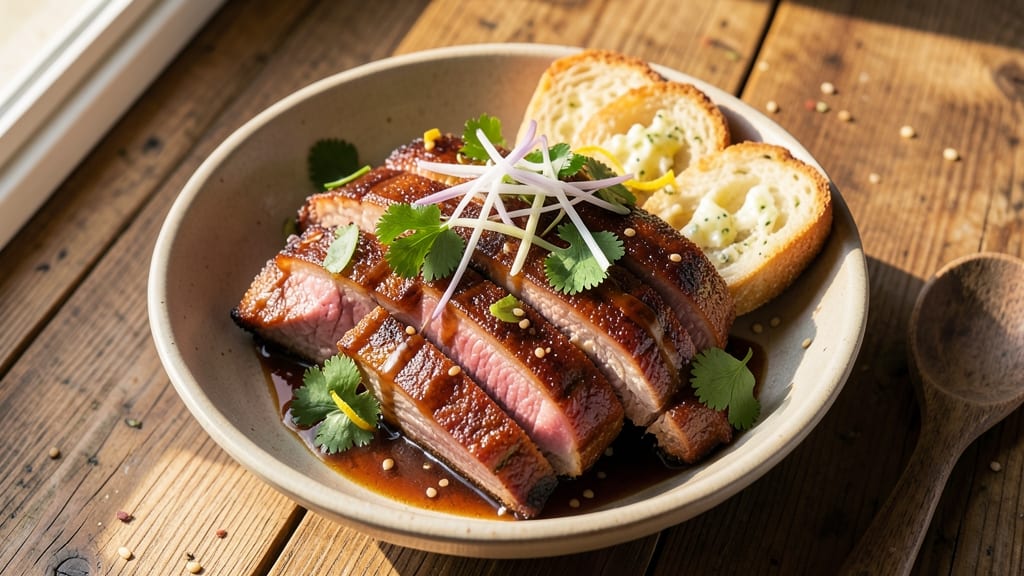
This Chinese roast pork on garlic bread recipe delivers crispy, caramelized pork bites paired with buttery, aromatic bread that's impossible to resist. I developed this dish after years of perfecting braised pork techniques, ensuring the meat stays tender while developing that signature mahogany crust.
The garlic bread isn't just an afterthought—it's a flavorful foundation that elevates every bite.
The secret to the pork lies in a slow braise that transforms tough cuts into melt-in-your-mouth perfection, while the garlic bread gets its signature crunch from a high-heat toast that locks in those garlic and butter flavors.
What makes this complete dish truly special is how the two components complement each other—savory pork meets rich, buttery bread in a way that feels both comforting and sophisticated.
By the time you're done, you'll have a restaurant-quality meal that requires minimal effort but delivers maximum flavor. The pork develops deep, caramelized edges while staying juicy inside, and the garlic bread achieves that perfect balance of crispy exterior and soft interior.
This isn't just a recipe—it's a complete dining experience that transforms a simple weeknight into something memorable.
Serve with a side of quick stir-fried greens or steamed jasmine rice to round out the meal. The pork's rich flavors pair beautifully with both, creating a cohesive dish that feels complete from start to finish. Let's get cooking—this recipe delivers results that will have everyone asking for seconds.
Ingredients for chinese roast pork on garlic bread
Six ingredients for the pork, eight for the bread—simple but game-changing combinations.
| Ingredient | Amount | Notes |
|---|---|---|
| Pork Shoulder (Bone-In) 🐖 | 4 lb | Cut into 2-inch chunks, fat cap left on |
| Hoisin Sauce 🍶 | ½ cup | Store-bought or homemade, thick variety |
| Soy Sauce 🥄 | ¼ cup | Light or dark, not reduced |
| Brown Sugar 🍚 | ½ cup | Packed, not granulated |
| Garlic Cloves 🧄 | 8 whole | Smashed, not minced |
| Fresh Ginger 🌿 | 2 tbsp | Finely grated, not powdered |
| Star Anise Pods 🌟 | 3 whole | Lightly crushed |
| Cinnamon Sticks 🌿 | 2 whole | 2-inch pieces |
| Bay Leaves 🍃 | 2 whole | Dried, standard size |
| Black Peppercorns 🌶️ | 1 tsp | Whole, not ground |
| Unsalted Butter 🧈 | ½ cup | Cold, cubed |
| Garlic Cloves 🧄 | 12 whole | For bread, smashed |
| Sourdough Bread Loaf 🍞 | 1 whole | Crust removed, day-old preferred |
| Olive Oil 🫒 | ¼ cup | For bread, extra-virgin |
| Flaky Sea Salt 🧂 | 1 tbsp | For bread garnish |
The pork shoulder is the star, and bone-in cuts from Whole Foods or your local butcher deliver the best results. Look for thick slabs with visible marbling—Costco often has great deals on these. If you can't find bone-in, use pork butt instead, but trim excess fat to avoid greasy braising liquid. The garlic and ginger? Fresh is non-negotiable—powdered versions won't cut it here. For the star anise and cinnamon, Penzeys Spices or the bulk bins at Trader Joe's have the best quality. If your hoisin sauce is thin, simmer it with 1 tbsp of brown sugar until thickened—trust me on this.
No hoisin sauce? Substitute with 3 tbsp soy sauce plus 1 tbsp honey—it won't be identical, but it works. Short on garlic? Garlic powder at half the amount gets you close, though fresh is ideal. For the bread, day-old sourdough is perfect—it's sturdier and absorbs the butter better. If you must use fresh, slice it 30 minutes ahead to let the gluten relax. The butter matters here—European-style (like Plugrá) has more fat content, which gives that signature crisp. No flaky sea salt? Diamond Crystal kosher salt works in a pinch, but the texture won't be quite the same.
The pork braise keeps for 5 days in the fridge—it actually tastes better the next day as flavors meld. Portion it into containers with some of the braising liquid for easy reheating. For the garlic bread, wrap it tightly in foil and store at room temperature for up to 2 days. To reheat, toast in a 400°F oven for 5-7 minutes until golden. Freeze the bread separately (without butter) for up to 3 months—just add fresh butter and toast when ready. The pork? Freezes beautifully for 6 months, but thaw it in the fridge overnight for best results.
Why You'll Love This Recipe
- One-Pan Magic: That bone-in pork shoulder? It cooks itself while you mix the sauce—just rub it with garlic, hoisin, and soy, then let the oven do the work. Honestly, the messiest part is slicing the bread later.
- Sweet-Savory Crunch: The caramelized sugar from the brown sugar meets that crispy garlic bread? Dangerously addictive. Every bite has that perfect balance—sweet, salty, and herby all at once.
- Leftovers for Days: This recipe practically begs to be made extra. The pork stays tender for sandwiches, fried rice, or even tacos the next day. I’ll be real: my lunchbox gets packed with it for a week.
- Budget Crowd-Pleaser: Pork shoulder is cheap, and this feeds four easily. Add a side of rice or veggies, and you’ve got a meal that’ll have everyone asking for seconds—without breaking the bank. (Yes, even on a Tuesday night.)
Step-by-step instructions for Chinese roast pork on garlic bread
Here's how to transform tender pork shoulder into crispy bites paired with irresistible garlic bread.
Marinate and Prepare the Pork Shoulder
In a large bowl, combine the 4 lb pork shoulder cut into 2-inch chunks, keeping the fat cap intact. This fat renders beautifully during roasting, creating that signature crispy exterior. Add the 0.5 cup hoisin sauce, 0.25 cup soy sauce, 0.5 cup packed brown sugar, 8 smashed garlic cloves, 2 tbsp finely grated fresh ginger, 3 lightly crushed star anise pods, 2 cinnamon sticks, 2 bay leaves, and 1 tsp whole black peppercorns. Mix thoroughly with your hands, ensuring every chunk absorbs the marinade.
Transfer the pork to a resealable plastic bag and refrigerate for at least 4 hours or overnight. This long marinating time allows the flavors to deeply penetrate the meat, ensuring each bite bursts with sweet, savory, and aromatic notes. The sugar in the marinade will caramelize during roasting, creating that signature sticky glaze.
Roast the Pork Until Caramelized
Preheat your oven to 325°F. Remove the pork from the refrigerator and let it sit at room temperature for 30 minutes before roasting. This ensures even cooking throughout. Place the pork in a roasting pan and cover tightly with aluminum foil. Roast for 3 hours, basting with the accumulated juices every 45 minutes. The foil traps steam, keeping the meat tender.
After 3 hours, remove the foil and increase the oven temperature to 425°F. Return the pork to the oven and roast uncovered for an additional 30-45 minutes until the exterior develops a deep caramelized crust. You'll know it's ready when the pork reaches an internal temperature of 195-205°F—this is the "pull" stage where the collagen breaks down, transforming tough meat into tender, pull-apart perfection.
Prepare the Garlic Bread
While the pork roasts, prepare the garlic bread. Slice the 1 whole sourdough bread loaf lengthwise into 6 even pieces, removing the crust as instructed. In a small bowl, mix 0.25 cup olive oil with 12 smashed garlic cloves and 1 tbsp flaky sea salt. Brush this mixture generously over both sides of each bread slice, ensuring every surface is coated. Place the bread on a baking sheet and let it sit at room temperature for 15 minutes to allow the flavors to meld.
Bake the bread at 375°F for 8-10 minutes until the edges are golden brown and the bread is crispy. The garlic should be fragrant, and the bread should have a slight crunch. Keep the bread warm in a 200°F oven while you finish the pork.
Shred and Finish the Pork
Once the pork reaches the perfect internal temperature, transfer it to a cutting board and let it rest for 10 minutes. This resting period allows the juices to redistribute, ensuring each bite is moist and flavorful. Using two forks, shred the pork into bite-sized pieces, discarding the bones and any large fat chunks. Return the shredded pork to the roasting pan and stir in the 0.5 cup cold cubed unsalted butter. This butter melts into the pork, adding richness and helping to create a luscious sauce.
Simmer the pork and butter mixture on the stovetop over medium-low heat for 5 minutes, allowing the butter to fully incorporate and the flavors to meld. The result should be a glossy, slightly sticky glaze coating the pork. Taste and adjust the seasoning if needed—you might want to add a splash of soy sauce or a pinch of brown sugar to enhance the flavor.
Assemble and Serve
To serve, place a generous portion of the shredded pork on each slice of garlic bread. The contrast between the crispy, buttery bread and the tender, caramelized pork is what makes this dish truly special. Garnish with additional flaky sea salt and any remaining garlic cloves if desired. Serve immediately while the bread is still warm and crispy, and the pork is at its most tender and flavorful.
This dish is best enjoyed as soon as it's assembled—every bite delivers a perfect balance of textures and flavors. The crispy bread provides a satisfying crunch, while the pork offers a melt-in-your-mouth tenderness with a hint of sweetness from the caramelized glaze. Pair it with a simple green salad or steamed vegetables for a complete meal.
Pro Tips For Making Chinese Roast Pork On Garlic Bread
- Score the Fat: Use a sharp knife to slice through the pork shoulder’s fat cap in a crosshatch pattern—about ½-inch deep. This lets the fat render out evenly instead of pooling in one spot, so your roast stays juicy and crispy in all the right places. (Yes, it looks butchered, but the flavor stays put.)
- Brown Sugar First: Mix brown sugar with soy sauce and hoisin before slathering it on the pork. The sugar caramelizes faster when it’s dissolved, giving you a sticky, glossy crust instead of a dry, clumpy mess. Trust me, your garlic bread will thank you for the extra shine.
- Skip the Crowding: If you’re roasting the pork on a sheet pan, don’t stack or overlap pieces—even if it looks messy. Cramped meat steams instead of crisps, and the garlic bread underneath gets soggy. Give each slice an inch of space; the extra time in the oven is worth the payoff.
- Garlic Bread Hack: Toss your garlic bread with minced garlic instead of cloves for even flavor. Crush 6–8 cloves into a paste first, then mix with butter and herbs—this way, every bite gets that punchy, aromatic hit without biting into a raw clove. (And no, you don’t need to blister them first.)
Serving suggestions for this recipe
Garlic Bread Variations
For extra richness, swap out half the olive oil for melted butter—I like Plugrá European-style butter for its high fat content. Add 1 tsp smoked paprika to the garlic mixture for a smoky depth, or mix in 1 tbsp chopped fresh parsley right before baking for a bright finish.
Trust me, these tweaks elevate the bread from good to unforgettable. 🧄
Pork Serving Ideas
Serve the pork on the garlic bread as a hearty open-faced sandwich, or use it as a filling for steamed bao buns with pickled vegetables. For a lighter option, plate the shredded pork over jasmine rice with quick-pickled cucumbers and scallions.
The pork's bold flavors stand up beautifully to all these pairings. 🍚
Dipping Sauces
Offer a trio of dipping sauces: hoisin sauce (straight from the jar works perfectly), a spicy sriracha mayo (mix 2 tbsp mayo with 1 tsp sriracha), and a ginger-soy glaze (reduce ¼ cup soy sauce with 1 tbsp honey and 1 tsp grated ginger on low heat).
These sauces let everyone customize their experience. 🥄
Presentation Tips
For restaurant-style plating, arrange the pork on the garlic bread in a diagonal line, slightly overlapping the edges. Garnish with extra flaky sea salt and a sprinkle of toasted sesame seeds for texture contrast.
Serve with a small bowl of the pork's braising liquid on the side for dipping—it's packed with flavor! 💫
Make-Ahead Strategy
Prepare the pork and bread components separately up to 2 days ahead. Store the pork in its braising liquid in the fridge, and keep the garlic bread wrapped in foil at room temperature.
Reheat the pork in a skillet with a splash of water, then assemble with freshly toasted bread. The flavors only get better with time! ⏰
Kid-Friendly Adaptations
For picky eaters, serve the pork deconstructed: let them assemble their own garlic bread with just the pork (no toppings) or offer a side of buttered noodles. Kids love dipping the bread in the pork's sauce—it makes eating fun! I've seen this trick work wonders at family gatherings. 👶
Nutrition facts
Frequently asked questions
Can I use pork butt instead of pork shoulder?
Pork butt (also called Boston butt) works perfectly—it's essentially the same cut from a different part of the pig. Just trim excess fat to prevent greasy braising liquid. The meat will still develop that signature tender texture, though it might have slightly more connective tissue.
How do I get the garlic bread extra crispy?
For maximum crunch, brush the bread with a thin layer of egg wash (1 egg + 1 tbsp water) before adding the garlic butter. Bake at 400°F instead of 375°F for 5-7 minutes until golden brown. The egg creates a barrier that locks in moisture while the higher heat ensures crispiness.
What's the best way to reheat leftovers?
Reheat pork in a skillet over medium heat with 1 tbsp water for 5 minutes to restore moisture. For bread, toast in a 375°F oven for 3-5 minutes until crispy again. Never microwave the bread—it turns soggy. The pork reheats beautifully this way while keeping its texture.
Can I make this vegetarian?
While the pork is the star, you could create a similar dish using mushroom medley (shiitake + oyster) braised with soy sauce, hoisin, and brown sugar. For the bread, keep the garlic butter but add 1 tbsp nutritional yeast for umami depth. The texture won't be identical, but the flavors work surprisingly well!
Why did my pork turn out dry?
Overcooking is the most common issue—pork should reach 195-205°F internal temp, not higher. Always rest the meat for 10 minutes before shredding. If using a meat thermometer, insert it into the thickest part without touching bone. The braising liquid should also be reduced but not evaporated completely.