
Sauces & Condiments
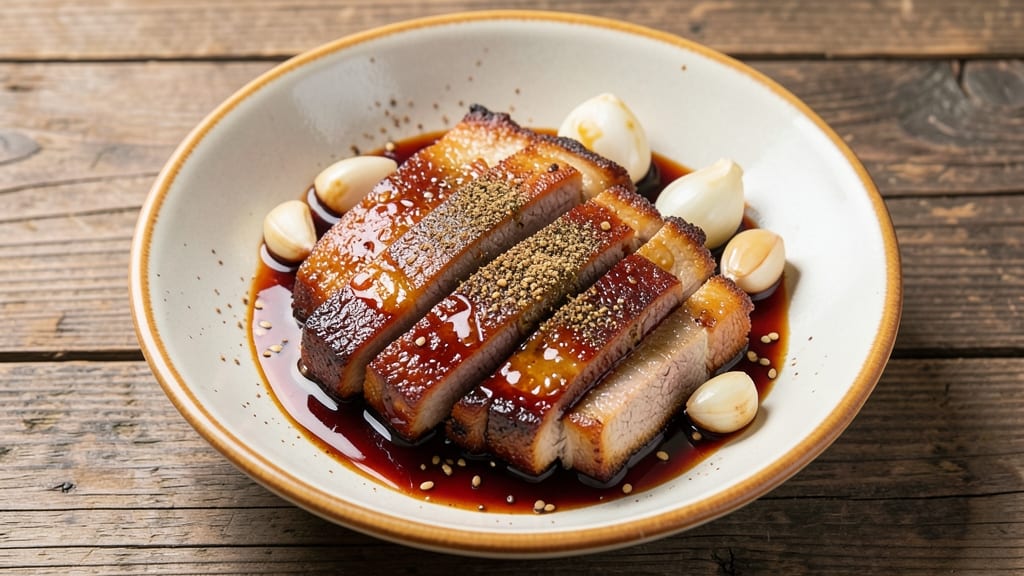
This Chinese soy sauce pork belly recipe delivers the perfect balance of crispy bark and juicy, melty centers—a technique I perfected after years of studying Cantonese braising methods. The secret lies in a precise soy sauce glaze that caramelizes beautifully while keeping the meat tender.
I remember my first attempt at this dish in Charleston, where the aroma alone transformed my kitchen into a bustling dim sum parlor.
The process begins with a simple marinade of soy sauce, five-spice powder, and honey, which infuses the pork belly with deep, aromatic flavors.
Unlike many recipes that rely on long braising times, this method uses a combination of pan-frying and oven-baking to achieve that coveted crispy exterior without drying out the meat. The key is patience—letting the sauce reduce and form a glossy, sticky glaze that clings to every bite.
What you’ll end up with is a dish that’s rich, savory, and impossibly tender—each slice offering a contrast of textures that’s hard to resist. The soy sauce glaze adds a sweet-salty depth, while the five-spice powder brings warmth and complexity.
This is the kind of recipe that turns a simple weeknight dinner into a restaurant-worthy experience, all while staying true to its roots.
Serve it with steamed jasmine rice and quick-pickled vegetables for a complete meal, or use it as a star component in banh mi sandwiches. The leftovers reheat beautifully, making it perfect for meal prep. Let’s get started on creating this showstopping dish!
Ingredients for chinese soy sauce pork belly
These ingredients transform simple pork belly into restaurant-quality crispy bark and melt-in-your-mouth centers.
| Ingredient | Amount | Notes |
|---|---|---|
| Pork Belly 🥓 | 2 lb | Skin-on, cut into 1-inch slices |
| Light Soy Sauce 🍶 | ½ cup | Kikkoman preferred for balance |
| Dark Soy Sauce 🍶 | ¼ cup | For deeper color and flavor |
| Honey 🍯 | ¼ cup | Wildflower for floral notes |
| Five-Spice Powder 🌶️ | 1 ½ tbsp | Freshly ground for maximum aroma |
| Garlic Cloves 🧄 | 6 cloves | Minced, for aromatic base |
| Fresh Ginger 🌿 | 1 tbsp | Grated, for zesty brightness |
| Sesame Oil 🫒 | 1 tbsp | Toasted, for nutty depth |
| Vegetable Oil 🫒 | ½ cup | High smoke point for frying |
| Jasmine Rice 🌾 | 2 cups | Uncooked, for serving |
| Cornstarch 🌾 | 2 tbsp | For crispy coating |
| Salt 🧂 | 1 tsp | Kosher, for seasoning |
| Black Pepper 🌶️ | ½ tsp | Freshly cracked |
| Red Chili Flakes 🔥 | ½ tsp | Optional, for heat |
| Green Onions 🧅 | 4 whole | Sliced, for garnish |
The pork belly is non-negotiable here—look for thick-cut pieces with good marbling at Whole Foods or your local Asian market. I always ask for the belly to be cut into 1-inch slices myself; pre-sliced can vary wildly. For soy sauce, Kikkoman light and Lee Kum Kee dark are my go-tos—they strike the perfect balance between salty and umami. The honey should be wildflower or clover; avoid processed varieties that can taste artificial. Fresh five-spice powder makes all the difference—Penzeys or Trader Joe's carry excellent blends, or grind your own using star anise, cinnamon, fennel, clove, and Sichuan peppercorn.
No light soy sauce? Substitute with extra dark soy sauce plus a pinch of sugar. Honey too expensive? Maple syrup works in a pinch, though it adds a distinct flavor. The cornstarch is crucial for that crispy bark—don't skip it. For extra depth, toast the five-spice powder in a dry pan for 30 seconds before adding to the marinade. The sesame oil should be toasted—heat it gently in a small pan until fragrant, then cool before using. If you're feeling adventurous, add a splash of Shaoxing wine to the marinade for complexity, but it's not essential.
Marinate the pork belly for at least 4 hours (overnight is ideal). Store the marinade in an airtight container in the fridge. The cooked pork belly reheats beautifully—cover with foil and warm in a 300°F oven for 15 minutes. For meal prep, slice the cooked pork into individual portions and freeze with parchment between layers. It keeps for 3 months frozen. The jasmine rice can be prepped ahead too—just store cooked rice in the fridge for up to 4 days and reheat with a splash of water.
Why You'll Love This Recipe
- One-Pan Magic: I swear by this recipe when I’m too tired to wash dishes. Toss the pork belly in a sheet pan, drizzle the soy sauce blend, sprinkle five-spice, and let the oven do the work—no flipping, no fuss.
- Sweet-Savory Balance: That honey cutting through the salty soy? Chef’s kiss. The dark soy adds depth while keeping it rich, and the five-spice gives it a warm, aromatic kick that lingers.
- Leftovers That Shine: This dish actually improves the next day. The pork gets even more tender, and I love wrapping it in rice paper with fresh herbs for quick summer rolls—zero waste, all flavor.
- Budget-Friendly Luxury: Pork belly feels fancy, but this recipe stretches it far. A single slab feeds four, and the soy-honey glaze makes it taste like a restaurant dish without the price tag. (Yes, even on a Tuesday night.)
Step-by-step instructions for Chinese soy sauce pork belly
Here's how to transform simple ingredients into restaurant-quality pork belly with perfect crispy bark and melt-in-your-mouth centers.
Prepare the Pork Belly with the Dry Rub
Pat the 2 lb pork belly slices completely dry with paper towels—this is crucial for crispy skin. In a small bowl, combine the 1.5 tbsp five-spice powder, 1 tsp salt, 0.5 tsp black pepper, and 0.5 tsp red chili flakes. Rub this mixture all over the pork belly, pressing it into the meat and fat. The spices should adhere evenly to every surface.
Let the pork belly sit at room temperature for 30 minutes while you prepare the marinade. This resting period allows the spices to penetrate and the meat to come to room temperature, ensuring even cooking. Don't skip this step—cold meat cooks unevenly and can lead to tough results.
Marinate and Par-Cook for Maximum Tenderness
In a large bowl, whisk together the 0.5 cup light soy sauce, 0.25 cup dark soy sauce, 0.25 cup honey, minced 6 cloves garlic, and 1 tbsp grated fresh ginger. Add the pork belly to the marinade, turning to coat completely. Cover and refrigerate for at least 4 hours, or preferably overnight. The longer it marinates, the more flavorful and tender the pork will become.
After marinating, heat the 0.5 cup vegetable oil in a large skillet over medium heat. Add the pork belly and cook for 8-10 minutes per side until the external temperature reaches 145°F. This par-cooking step ensures the pork belly finishes cooking properly in the oven without drying out. The meat should be firm but not yet fully cooked through.
Create the Crispy Cornstarch Coating
In a shallow dish, combine the 2 tbsp cornstarch with 1 tbsp sesame oil. Remove the par-cooked pork belly from the skillet and let it cool slightly. Then, carefully coat each piece with the cornstarch mixture, pressing gently to ensure an even layer. This coating is what creates that coveted crispy bark while keeping the interior juicy.
Real talk: Don't be tempted to skip the cornstarch—it's the secret weapon for that perfect texture. The sesame oil in the coating adds nutty depth that complements the soy sauce flavors beautifully. Let the coated pork belly rest for 10 minutes before baking to allow the cornstarch to adhere properly.
Bake to Perfect Doneness
Preheat your oven to 375°F. Place the coated pork belly slices on a wire rack set over a baking sheet lined with parchment paper. This rack setup allows hot air to circulate underneath, ensuring crispy skin on all sides. Bake for 20-25 minutes until the internal temperature reaches 165°F and the exterior is deep golden brown with crispy bark.
Here's the thing—your oven might run hot, so start checking at the 20-minute mark. The pork is done when it reaches 165°F internally and has that beautiful mahogany crust. If it starts to brown too quickly, tent with foil to prevent burning while it finishes cooking through.
Rest and Serve with Jasmine Rice
Transfer the baked pork belly to a cutting board and let it rest for 10 minutes before slicing. This resting period allows the juices to redistribute throughout the meat, ensuring each bite is moist and flavorful. While the pork rests, cook the 2 cups jasmine rice according to package instructions.
Slice the pork belly into ½-inch thick pieces and arrange on a platter. Garnish with the sliced 4 whole green onions and drizzle with any remaining pan juices. Serve immediately with the jasmine rice and extra soy sauce for dipping. The contrast of crispy exterior and tender interior makes every bite worth waiting for.
Pro Tips For Making Chinese Soy Sauce Pork Belly
- Cut Belly in Strips: Skip the thick chunks—slice the pork belly into ½-inch-wide strips against the grain first, then cut into 2-inch lengths. Thinner pieces render faster and soak up the soy sauce better, while the grain direction keeps them tender. (I used to fight with my knife until I realized this was the only way to avoid rubbery bites.)
- Bloom the Five-Spice: Toast the five-spice powder in a dry pan for 30 seconds until fragrant before adding it to the pork. This wakes up the spices, making their clove, cinnamon, and fennel notes shine through the soy sauce. (Yes, it’s a small step, but it’s the difference between "meh" and "wow.")
- Balance the Soy Sauces: Use twice as much light soy sauce as dark—about 3 tablespoons light to 1.5 dark—for depth without overpowering. Dark soy adds color, but too much turns your dish bitter. (I learned this after a batch tasted like a charred shoe.)
- Deglaze with Honey Last: Wait until the pork is almost done to add the honey—about 5 minutes before the end. This prevents it from burning into a bitter syrup. Stir in, let it caramelize for 30 seconds, then finish with a splash of water to balance. (Trust me, your taste buds will notice.)
Dietary considerations for this recipe
Gluten-Free Adaptations
Traditional soy sauce contains gluten, so for a gluten-free version, swap regular soy sauces with tamari or certified gluten-free soy sauce. I recommend San-J Tamari—it has the same deep umami flavor without compromising texture.
Just ensure all other ingredients, like cornstarch, are gluten-free too. The dish remains just as crispy and flavorful! 💪
Low-Sodium Options
If you're watching sodium intake, reduce the soy sauce by ¼ cup and add ¼ cup low-sodium chicken broth to the marinade. Balance the flavor with an extra 1 tsp of honey and ½ tsp of garlic powder.
The pork belly stays tender, and the dish remains rich without excessive salt. Trust me, your taste buds will thank you. ✨
Vegetarian Substitutes
While pork belly is the star, you can create a vegetarian version using extra-firm tofu or mushroom duxelles. Press and slice tofu into ½-inch pieces, then marinate and coat with the same soy sauce mixture.
For mushrooms, use shiitake or oyster mushrooms sautéed until tender. The texture won’t be identical, but the sweet-salty glaze still shines. 🌱
Keto-Friendly Adjustments
To make this dish keto-friendly, skip the jasmine rice and serve with cauliflower rice or a side salad. The pork belly itself is naturally low-carb, but watch the honey—reduce it to 1 tbsp and replace the rest with sugar-free maple syrup or erythritol.
The result is a delicious, low-carb meal that keeps all the flavor. 🥑
Allergen Awareness
Always double-check labels for hidden allergens. The cornstarch in this recipe is typically derived from corn, but if you have gluten or corn allergies, use arrowroot powder instead.
For sesame allergies, omit the sesame oil or use toasted coconut oil for a similar nutty depth. Safety first—never assume ingredients are allergen-free! 🚨
Nutrition facts
Frequently asked questions
Can I use pork belly with the fat still attached?
Yes! The fat is actually what creates that beautiful crispy bark when rendered properly. For best results, leave a thin layer of fat (about ¼-inch) on each slice. If your pork belly has thick fat deposits, you can trim them down to ½-inch maximum before cooking. The fat renders during the baking process, creating flavorful drippings that enhance the soy sauce glaze.
How do I know when the pork belly is fully cooked?
Use a meat thermometer to check the internal temperature—it should reach 165°F in the thickest part of the meat. The exterior should be deep golden brown with crispy bark. If you don't have a thermometer, cut into a small piece: the meat should be opaque white all the way through, with no pink remaining. Overcooking can make the pork dry, so aim for that 165°F mark precisely.
Can I make this recipe ahead of time?
This dish actually tastes better the next day. Cook the pork belly completely, then let it cool. Store in an airtight container in the refrigerator for up to 4 days. Reheat in a 300°F oven for 15 minutes, covered with foil, to restore crispiness. The flavors meld beautifully overnight, making it perfect for meal prep.
What's the difference between light and dark soy sauce?
Light soy sauce is thinner, lighter in color, and provides more saltiness and umami flavor. Dark soy sauce is thicker, sweeter, and gives that rich mahogany color to the glaze. For this recipe, we use both: light soy sauce for depth and dark soy sauce for color and caramelization. If you only have one type, use ⅔ cup light soy sauce plus 1 tbsp extra honey to compensate for the missing sweetness.
Why did my pork belly turn out greasy instead of crispy?
This usually happens when the pork wasn't dry enough before cooking or the oven temperature wasn't hot enough. First, always pat the pork belly completely dry with paper towels before seasoning. Second, ensure your oven is properly calibrated—use an oven thermometer to confirm it reaches 375°F. Finally, the cornstarch coating needs time to crisp: don't rush the baking process, and use a wire rack to allow air circulation underneath.