
Main Courses
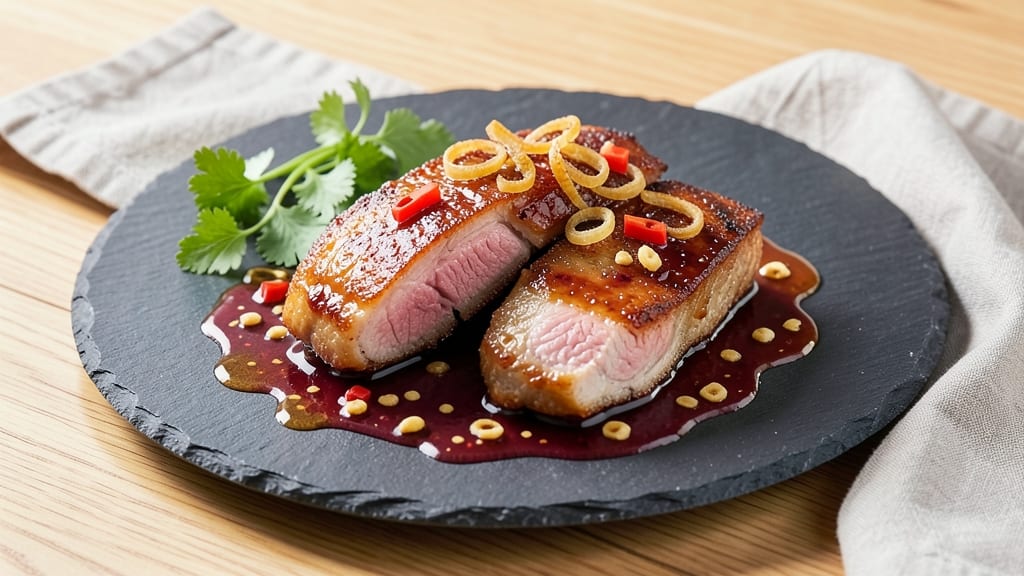
This Chinese sweet and sour pork chops recipe delivers the perfect balance of crispy edges and tangy-sweet sauce that makes every bite unforgettable. 🔥 After years of perfecting this dish in my kitchen, I've developed a method that ensures the pork stays tender while achieving that signature golden crust.
The secret lies in the double-frying technique—a classic Chinese method that creates irresistible texture.
What sets this recipe apart is the homemade sauce, where vinegar and sugar create a dynamic contrast that's both sweet and tangy. I use a simple breading of cornstarch and flour to achieve that signature crispiness without heavy, greasy coatings.
The result is a dish that's restaurant-quality yet simple enough for weeknight dinners.
By the time you serve these pork chops, you'll have golden-brown pieces with a satisfying crunch, perfectly balanced by the glossy, slightly sticky sauce. The combination of tender pork and vibrant sauce makes this a complete meal—just pair with steamed rice or stir-fried vegetables for the full experience.
This recipe works beautifully in both traditional deep-fryers and modern air-fryers, giving you flexibility without sacrificing flavor. Whether you're cooking for family or hosting dinner guests, these pork chops will be the star of your table. Let's get started!
Ingredients for chinese sweet and sour pork chops
Crispy pork chops meet tangy-sweet sauce—just 15 ingredients for restaurant-quality flavor at home.
| Ingredient | Amount | Notes |
|---|---|---|
| Boneless Pork Chops 🍖 | 1 ½ lb | 1-inch thick, pounded even |
| All-Purpose Flour 🌾 | ½ cup | For light coating |
| Cornstarch 🌾 | ½ cup | Key for crispiness |
| Salt 🧂 | 1 tsp | Diamond Crystal preferred |
| Black Pepper 🌶️ | ½ tsp | Freshly ground |
| Vegetable Oil 🫒 | 3 cups | For double-frying |
| White Vinegar 💧 | ½ cup | For tangy balance |
| Granulated Sugar 🍚 | ¾ cup | White or brown |
| Ketchup 🍅 | ½ cup | Heinz preferred |
| Soy Sauce 🥢 | ¼ cup | Kikkoman recommended |
| Garlic Cloves 🧄 | 4 cloves | Minced for sauce |
| Green Bell Pepper 🧅 | 1 whole | Diced for sauce |
| Red Bell Pepper 🧅 | 1 whole | Diced for sauce |
| Water 💧 | ½ cup | For sauce consistency |
| Corn Syrup 🍯 | 2 tbsp | For glossy finish |
The pork chops are non-negotiable here. Look for bone-in, 1-inch-thick cuts—they stay juicier, and the bone adds flavor. Costco or local butchers often have the best quality. Pound them even with a meat mallet (or rolling pin in a pinch) so they cook uniformly. The double-frying technique is where the magic happens—high heat in the first fry sears the edges, while the second fry in less oil creates that signature crispiness without being greasy. Trust me, skipping this step means missing out on the best part.
No cornstarch? Arrowroot powder works 1:1, but cornstarch gives that perfect crunch. The sauce is where you can get creative—substitute pineapple juice for half the vinegar if you prefer fruity notes. Fresh garlic and bell peppers are ideal, but jarred minced garlic and frozen diced peppers save time (just drain them well). For extra depth, add a dash of MSG or a splash of Shaoxing wine—both elevate the umami. If your ketchup is too sweet, balance it with an extra tablespoon of vinegar. The sauce should coat the back of a spoon but still be pourable.
Pork chops stay crispy for about 20 minutes after frying, so keep them warm in a 200°F oven on a wire rack. The sauce thickens as it cools—reheat gently with a splash of water if it gets too stiff. Store leftovers in the fridge for 4 days, but honestly, they're best fresh. For meal prep, freeze the sauce separately and reheat it with the chops. Pro tip: Line your air-fryer basket with parchment paper to avoid cleanup—just spray it lightly with oil first.
Why You'll Love This Recipe
- One-Pan Magic: I swear by this recipe when I need a meal that doesn’t require a million dishes. Just flour, cornstarch, and a quick sear—no deep-frying, no messy sauces—yet it still delivers that classic sweet-and-sour crunch.
- Sweet-Sour Balance: The tangy vinegar-ketchup glaze cuts through the crispy pork chop so perfectly. That cornstarch coating? It’s the secret to the crunch without the grease—light, airy, and ridiculously addictive.
- Leftover Hero: Between us, this dish tastes even better the next day. I make a double batch on Sundays, and by Wednesday, it’s still the star of my lunchbox—no sad takeout needed.
- Budget Dinner Win: Pork chops are cheaper than you think, and this recipe stretches them far. A few extra minutes with the cornstarch mix turns simple protein into something that feels fancy—without breaking the bank.
Step-by-step instructions for sweet and sour pork chops
Here's how to achieve that signature crispy texture and perfect tangy-sweet balance.
👨🍳 Step 1: Prepare the Pork Chops for Double-Frying
Start by pounding the 1.5 lb boneless pork chops to an even ¼-inch thickness using a meat mallet wrapped in plastic wrap. This ensures even cooking and maximum crispiness. Season both sides generously with 1 tsp salt and ½ tsp black pepper, pressing the spices into the meat so they adhere well.
In a shallow bowl, whisk together the ½ cup all-purpose flour and ½ cup cornstarch. This combination creates the perfect crispy coating - the flour helps the batter adhere while the cornstarch gives that signature crunch. Dip each seasoned pork chop into the flour mixture, letting any excess drip off. Place on a wire rack set over a plate to prevent sogginess. Let them rest for 10 minutes - this helps the coating adhere better during frying.
🔥 Step 2: Double-Fry for Maximum Crispiness
Heat 1½ cups vegetable oil in a large skillet over medium heat until it reaches 350°F (use a deep-fry thermometer). Fry the coated pork chops for 2-3 minutes per side until they turn a pale golden color. Don't overcrowd the pan - cook in batches if needed to maintain proper oil temperature. Transfer to a paper towel-lined plate to drain.
Increase the oil temperature to 375°F and fry the pork chops again for 1-2 minutes per side until they develop a deep golden-brown crust. The double-frying technique is what creates that signature crispy exterior while keeping the inside tender. You'll know they're done when the crust is golden and they release easily from the pan. Transfer to a wire rack and keep warm while you prepare the sauce.
🍳 Step 3: Create the Tangy-Sweet Sauce
In the same skillet (no need to clean it - those browned bits add flavor), add 4 minced garlic cloves and cook for 30 seconds until fragrant. Add 1 diced green bell pepper and 1 diced red bell pepper, cooking for 3-4 minutes until softened. Pour in ½ cup white vinegar and scrape up any browned bits from the bottom - this is where all the flavor lives.
Add ¾ cup granulated sugar, ½ cup ketchup, ¼ cup soy sauce, ½ cup water, and 2 tbsp corn syrup. Stir well and bring to a boil over medium-high heat. Let it simmer for 5-7 minutes until the sauce thickens slightly and coats the back of a spoon. The corn syrup helps create that glossy finish while balancing the sweetness.
🥘 Step 4: Combine and Finish
Return the crispy pork chops to the skillet with the sauce. Spoon the sauce over the pork and let it simmer together for 2-3 minutes until the pork is heated through and coated with the glossy sauce. The pork should be 165°F internally - use a meat thermometer to check the thickest part. If the sauce seems too thin, let it reduce a bit longer.
For serving, transfer the pork chops to a platter and drizzle any remaining sauce from the pan over the top. The contrast of crispy edges with the tangy-sweet sauce is what makes this dish so special. Serve immediately with steamed rice to soak up all that delicious sauce. The pork should be tender but not falling apart, with that perfect crispy crust that shatters slightly when you cut into it.
Pro Tips For Making Chinese Sweet And Sour Pork Chops
- Pound Pork Evenly: I learned this the hard way—uneven thickness means some parts overcook into rubber while others stay underdone. Use a rolling pin or heavy pan to press the chops to ¼-inch thickness before seasoning, and pat dry afterward. Wet meat won’t crisp, and crispy pork is non-negotiable for this dish.
- Dredge Twice, Fry Once: Skip the single dip in flour—it’ll turn mushy. First coat the pork with cornstarch-heavy flour mix (1:1 ratio), shake off excess, then dip again in plain flour for a lighter crust. The double layer locks in that golden crunch without sticking. (Yes, it’s messy, but worth it.)
- Sauce First, Pork Second: I used to toss the chops straight into the simmering sauce, and they’d steam instead of caramelize. Fry the pork to 165°F first, then set aside. Add oil to the pan, let it smoke slightly, and then pour in the sweet-and-sour sauce to deglaze. The residual fat in the pan builds flavor that raw pork can’t absorb.
- Rest Before Slicing: Cutting into the pork immediately after frying turns it into a sad, greasy pile. Let it sit 5 minutes under foil—just enough to redistribute juices. Then slice against the grain for clean bites. (Pro move: Tent with foil after resting to keep it warm while you finish the sauce.)
Perfect pairings for this chinese sweet and sour pork chops
Classic Steamed Rice
White jasmine rice is the traditional pairing for sweet and sour pork chops—its mild, floral aroma complements the dish's bold flavors without overpowering them. I use 1 cup uncooked jasmine rice to 1½ cups water for perfectly fluffy grains.
Rinse the rice thoroughly before cooking to remove excess starch, which prevents gummy texture. For extra authenticity, add a ½-inch slice of ginger to the cooking water. 🌱
For a quicker option, use a rice cooker—just follow the manufacturer's rice-to-water ratio. If you prefer brown rice, increase cooking time by 25-30 minutes and use 2 cups water per 1 cup rice.
The nutty texture pairs surprisingly well with the dish's sweet-tangy notes. Serve rice in small bowls so guests can scoop up every last bit of sauce.
Stir-Fried Bok Choy
This quick vegetable side adds freshness and color to your plate. Thinly slice 2 heads baby bok choy and stir-fry in 1 tbsp vegetable oil over high heat for 2-3 minutes until just wilted.
Add 1 tsp soy sauce and ½ tsp sesame oil for depth. The crisp-tender texture contrasts beautifully with the pork's crispy exterior. 🌿
For a spicier kick, toss in ½ tsp chili crisp or ¼ tsp red pepper flakes at the end. If you prefer a sweeter vegetable, swap in snow peas or snap peas.
Both work well with the dish's flavor profile. Garnish with toasted sesame seeds for extra crunch and visual appeal.
Mandarin Orange Salad
Citrus adds a refreshing contrast to the rich pork chops. Toss 2 cups baby spinach with 1 peeled mandarin orange, ¼ cup sliced almonds, and a dressing of 1 tbsp rice vinegar, 1 tsp honey, and 1 tsp sesame oil.
The bright acidity cuts through the sweetness of the pork. 🍊
For a more substantial salad, add ½ cup shredded carrots or ¼ cup diced cucumber. If you can't find fresh mandarin oranges, use canned mandarin segments in juice (drained well). This salad works as a light starter or refreshing side—either way, it balances the meal perfectly.
Fortune Cookies for Dessert
No Chinese meal is complete without a sweet finish. I make homemade fortune cookies using 1 cup all-purpose flour, ¼ cup sugar, ¼ cup butter, 2 egg whites, and ¼ tsp vanilla extract.
Roll the dough thin, bake at 375°F for 8-10 minutes, then fold in the fortune slips. The delicate sweetness provides a satisfying contrast to the savory main course. 🍪
For a quicker option, buy high-quality store-bought fortune cookies and pair them with black tea or jasmine tea. If you want to add a modern twist, fill the cookies with red bean paste or lychee jam. These cookies are simple but always leave a lasting impression.
Tea Pairings
Jasmine tea is the classic pairing for sweet and sour pork chops—its floral notes complement the dish's sweet-tangy balance. Brew 1 tsp loose-leaf jasmine tea per 8 oz hot water for 3-4 minutes. The aroma enhances the dining experience without overpowering the meal. 🍵
For a bolder option, try Pu-erh tea, which adds earthy depth. If you prefer something lighter, green tea like Longjing works beautifully. Avoid overly floral or heavily scented teas that might compete with the dish's vibrant flavors.
Nutrition facts
Frequently asked questions
Why do I need to pound the pork chops so thin?
Pounding the pork chops to ¼-inch thickness ensures they cook evenly and stay tender while achieving that signature crispy crust. Thicker chops often end up chewy, while thinner pieces cook faster and absorb the sauce better. This technique is key for restaurant-quality results at home.
Can I use boneless pork chops instead of bone-in?
This recipe works perfectly with boneless pork chops. If using bone-in, you'll need 1.25 lb instead of 1.5 lb to account for the bone weight. The bone actually adds flavor, but boneless chops are easier to pound evenly and cook through.
What's the secret to getting extra crispy pork chops?
The double-frying technique is your best friend! First fry at 350°F to set the coating, then increase to 375°F for the final crisp. Pat the chops dry before coating and let them rest 10 minutes after breading—this helps the crust form better. Using cornstarch (not just flour) is also crucial for that signature crunch.
Can I make the sauce ahead of time?
Yes, but store it separately. The sauce can be made 1 day ahead and reheated gently with a splash of water. For best results, reheat it just before serving so it maintains that glossy, slightly sticky texture. The sauce thickens as it cools, so you might need to adjust consistency when reheating.
What if my sauce is too sweet or too sour?
Balance is key! For too sweet, add 1 tbsp vinegar and simmer 1-2 minutes. For too sour, stir in 1 tsp sugar and taste test. The ideal sauce should coat your spoon but still be pourable. If you prefer less sweetness, reduce the sugar to ½ cup in the original recipe.