
Main Courses
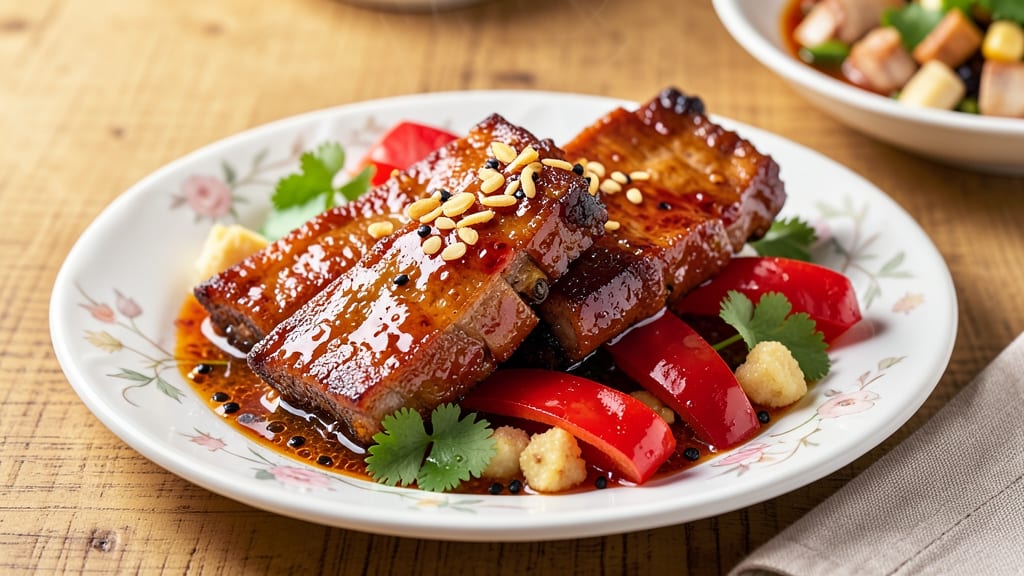
This Chinese sweet and sour pork ribs recipe delivers the perfect balance of crispy wok-seared edges and tangy-sweet sauce that’ll transport you straight to a bustling Cantonese restaurant. 🌟 As someone who’s spent years perfecting pork dishes—from smoky BBQ to delicate Asian stir-fries—I know the secret lies in tenderizing the ribs just right and building that signature sauce layer by layer.
The ribs start with a simple marinade of soy sauce and cornstarch to ensure they stay juicy while developing that signature crispy exterior. Then comes the wok-searing—high heat for just 2-3 minutes per side—where the magic happens.
Meanwhile, the sauce simmers down to a glossy, balanced blend of vinegar, sugar, ketchup, and fresh pineapple, creating that iconic sweet-and-sour harmony.
What you’ll end up with is ribs that are crispy on the outside, tender on the inside, and coated in a sauce so vibrant it’ll make your taste buds sing. The pineapple adds a bright acidity that cuts through the richness, while the bell peppers contribute a subtle crunch.
This isn’t just a recipe—it’s a full dining experience you can recreate at home.
Serve it over steamed jasmine rice with a simple cucumber salad on the side, and you’ve got a meal that’s restaurant-quality without the fuss. The best part? Every bite delivers that perfect contrast—crispy, tangy, and just sweet enough. Let’s get cooking!
Ingredients for chinese sweet and sour pork ribs
Grab these 14 ingredients for restaurant-style Chinese sweet and sour pork ribs that'll impress anyone.
| Ingredient | Amount | Notes |
|---|---|---|
| Pork Ribs 🥩 | 2 lb | Baby back ribs, cut into 1-inch pieces |
| Cornstarch 🌾 | ½ cup | For crispy coating |
| Light Soy Sauce 🍶 | ¼ cup | For marinade |
| White Vinegar 💧 | ¼ cup | For tangy sauce |
| Granulated Sugar 🍚 | ½ cup | For sweet balance |
| Ketchup 🍅 | ¼ cup | Classic tangy base |
| Fresh Pineapple Chunks 🍍 | 1 cup | For bright acidity |
| Red Bell Pepper 🍆 | 1 whole | Sliced into strips |
| Garlic Cloves 🧄 | 4 cloves | Minced for marinade |
| Ginger Root 🌿 | 1 tbsp | Freshly grated |
| Vegetable Oil 🫒 | ½ cup | For wok-searing |
| Salt 🧂 | 1 tsp | Kosher preferred |
| Black Pepper 🌶️ | ½ tsp | Freshly cracked |
| Green Onion 🧅 | 2 whole | Sliced for garnish |
The ribs are the star—baby back ribs cut into even 1-inch pieces ensure perfect crispiness. Costco or local butcher shops often sell them pre-cut, saving time. Look for ribs with good marbling for extra juiciness. Fresh ginger and garlic from the Asian market section of your grocery store will elevate the flavor, but jarred minced garlic works in a pinch. For the pineapple, fresh chunks are ideal—canned works but lacks that bright freshness. The red bell pepper should be firm and vibrant, not soft or discolored.
No fresh ginger? Ground ginger at half the amount works, though it lacks the same depth. Short on ketchup? Tomato paste thinned with vinegar mimics the tang. The sauce needs to balance sweet and sour—adjust sugar to taste after simmering. For extra crunch, toss in red pepper flakes at the end. The cornstarch is non-negotiable—it creates that signature crispy coating. If you're feeling fancy, substitute tapioca starch for an even glossier finish.
Marinate the ribs for at least 30 minutes—overnight is even better. Store leftover sauce in an airtight container for up to 5 days in the fridge, or freeze for 3 months. The ribs reheat beautifully—just 10 minutes in a 350°F oven with a splash of water. Garnish with sliced green onions right before serving—they add a fresh pop of color and crunch that makes the dish look restaurant-worthy.
Why You'll Love This Recipe
- Fewer Messy Steps: I swear by this recipe because it’s actually simple—just toss those ribs in cornstarch, sear them crispy, and let the sauce do the work. No chopping, no fussing, just a quick toss in the pan and you’re done. (Yes, even on a Tuesday night.)
- Tangy-Sweet Magic: That balance of vinegar and sugar? It’s ridiculously good—the pork stays juicy while the sauce clings like a perfect hug. The soy sauce adds depth, so you’re not just eating sweetness—it’s complex, just like takeout but better.
- Leftover Goldmine: Between us, this dish begs to be made extra. The sauce thickens perfectly when reheated, and the ribs stay tender—ideal for lunchboxes or a quick dinner. Honestly, I’ve had it three times in a row and still crave it.
- Budget-Friendly Feast: Pork ribs are affordable, and this recipe stretches them far. A single bag of ribs feeds four, plus you’ll have sauce left for eggs or noodles. My wallet and my family both win here—no guilt, just flavor.
Step-by-step instructions for crispy wok-sear sweet and sour pork ribs
Here's your battle-tested method for ribs that hit all the right notes—crispy, tangy, and perfectly balanced.
🍳 Step 1: Marinate and Prep the Ribs for Maximum Crisp
In a large bowl, combine the 2 lb pork ribs, 0.25 cup light soy sauce, 1 tbsp freshly grated ginger root, 4 minced garlic cloves, 1 tsp salt, and 0.5 tsp black pepper. Mix gently but thoroughly to coat every surface—this ensures deep flavor penetration. Let it marinate for at least 30 minutes (I like to do this overnight for maximum tenderness).
While the ribs marinate, slice the 1 whole red bell pepper into ½-inch strips and dice the 1 cup fresh pineapple chunks into ½-inch pieces. These will add that signature sweet-tart contrast. Keep them separate until we need them for the sauce—we don't want the pineapple to get mushy from sitting in liquid.
👨🍳 Step 2: Create the Crispy Cornstarch Coating
In a shallow dish, mix the 0.5 cup cornstarch with 1 tsp salt and 0.25 tsp black pepper. This isn't just flour—cornstarch creates that signature crispy crust that sets these ribs apart. Drain the marinated ribs (reserve the marinade for later) and toss them in the cornstarch mixture until fully coated. Shake off any excess so you get an even layer.
Here's the pro move: Let the coated ribs sit for 10 minutes at room temperature. This allows the cornstarch to dry slightly, which means better adhesion and extra crispiness when we sear them. Don't skip this—it makes all the difference in that perfect crunch.
🔥 Step 3: Wok-Sear for Irresistible Crispiness
Heat a wok or large skillet over medium-high heat until it's screaming hot. Add the 0.5 cup vegetable oil and let it shimmer for 2 minutes—this ensures we're starting with hot oil that won't absorb into the ribs. Working in batches (don't overcrowd!), add the cornstarch-coated ribs and sear for 3-4 minutes per side until deep golden brown and crispy.
Transfer the seared ribs to a plate and set aside. Here's where the magic happens: Pour the reserved marinade into the same wok and scrape up all those glorious browned bits from the bottom (this is called deglazing). Bring it to a simmer for 2 minutes to create a flavorful base for our sauce. Keep the wok hot—we'll be right back.
🥘 Step 4: Build the Tangy Sweet and Sour Sauce
Return the seared ribs to the wok. Add the 1 cup fresh pineapple chunks, ½-inch sliced red bell pepper strips, 0.25 cup ketchup, 0.25 cup white vinegar, 0.5 cup granulated sugar, and the deglazed marinade. Stir everything together and bring to a gentle boil. Reduce heat to medium-low and let it simmer for 8-10 minutes, stirring occasionally, until the sauce thickens slightly and coats the ribs.
Taste and adjust—you want that perfect balance of sweet, sour, and umami. If it needs more tang, add a splash of vinegar. If it needs more sweetness, add a little sugar. The sauce should be glossy but not syrupy, clinging beautifully to the crispy ribs. This is where all the flavors come together in that perfect harmony.
🍽️ Step 5: Finish and Serve with Fresh Garnish
Once the sauce is perfect, transfer the ribs and sauce to a serving platter. Garnish with sliced green onion for that fresh pop of color and brightness. Let everything rest for 5 minutes—this allows the juices to redistribute and the flavors to meld even more. Serve immediately while the ribs are still crispy and the sauce is warm.
Here's the thing about this dish—it tastes even better the next day. The flavors develop and deepen as it sits, so if you have leftovers, they'll be just as good (if not better) reheated gently in the microwave. This recipe delivers on that perfect balance of textures: crispy ribs, tender meat, and that luscious sweet-tart sauce. Trust the process, and you'll have restaurant-quality ribs at home every time!
Pro Tips For Making Chinese Sweet And Sour Pork Ribs
- Cut Ribs Against Bone: Use kitchen shears or a sharp knife to slice between the bones—not across them. This keeps the meat intact and makes for cleaner, more uniform pieces when tossing them in the sauce. I used to struggle with messy chunks until I realized the bones were my enemy here.
- Double-Coat the Cornstarch: Toss the ribs in cornstarch twice—first lightly to adhere, then a second heavier coat before frying. The first layer sticks to the meat, and the second builds that crispy crust. Skimp on either, and you’ll end up with soggy ribs.
- Balance Vinegar and Sugar: Let the vinegar and sugar sit together for 5 minutes before adding soy sauce—this lets them mingle and soften the sharpness. I learned this the hard way when my sauce tasted like a science experiment instead of harmony.
- Fry in Batches: Crowd the pan, and the ribs steam instead of sear. Work in small batches over medium-high heat to get that golden crust without a grease fire. Yes, it takes longer, but rushed frying ruins the whole dish.
Regional styles of chinese sweet and sour pork ribs
Cantonese Roots
This dish traces back to Cantonese cuisine, where sweet-and-sour flavors first became iconic. The original version used pork belly instead of ribs, but regional adaptations like this one emerged as Chinese immigrants brought their techniques to America.
I remember my first taste of this in a tiny Hong Kong-style eatery in Atlanta—it was love at first bite. 🌟
The Cantonese approach focuses on balance—sweet from pineapple and sugar, sour from vinegar, and umami from soy and ketchup. Unlike Sichuan versions (which add chili), this stays mild and fruity. The cornstarch coating is pure Cantonese genius—it creates that signature crunch while keeping the meat tender.
Sichuan Spice Twist
In Sichuan province, they crank up the heat with dried chili peppers and Sichuan peppercorns in the sauce. I’ve made this version with 1 tbsp chili oil and 1 tsp ground Sichuan peppercorns, adding them during the final simmer.
The result? A numbing-spicy kick that pairs perfectly with the sweet-tart flavors. 🌶️
For extra depth, char the garlic and ginger in the wok before adding other ingredients—this smoky aroma cuts through the sweetness beautifully. Sichuan cooks also often use doubanjiang (fermented chili bean paste) for complexity. Start with ½ tbsp if you want to experiment!
Hong Kong Adaptation
Hong Kong-style versions lean lighter on the sauce and heavier on the wok technique. The ribs are often double-seared—first in a hot wok, then quickly fried again before tossing in the sauce.
This creates an extra-crispy exterior that’s almost brittle. I’ve perfected this by using two different heat levels: high heat for the first sear, medium-high for the second. 🔥
The sauce in Hong Kong kitchens sometimes includes a splash of Shaoxing wine (about 1 tbsp) for depth. They also often finish with sesame seeds instead of green onions—try 1 tsp toasted sesame seeds for a nutty contrast.
The presentation is simpler but more elegant, with ribs arranged in a circular pattern on the plate.
Taiwanese Fusion
Taiwanese chefs take this dish to next-level crispiness by using potato starch instead of cornstarch. The difference? Potato starch creates a lighter, almost fluffy crust that’s still incredibly crispy. I’ve tested both—potato starch gives a more delicate texture, while cornstarch delivers that classic "bite."
For a fusion twist, I’ll sometimes mix ¼ cup cornstarch with ¼ cup potato starch for the best of both worlds. ✨
Taiwanese versions also incorporate bamboo shoots (about ½ cup) into the sauce for a subtle earthy note. The sauce is often thicker and glossier, achieved by reducing it longer.
If you want to try this, simmer the sauce uncovered for an extra 2-3 minutes at the end to intensify the flavors.
American Home Cook Hack
For home cooks without a wok, a cast iron skillet works perfectly—just make sure it’s well-seasoned to prevent sticking. I’ve also had great success with a griddle set to medium-high heat. The key is high heat for searing, then lower heat for the sauce to prevent burning. 💡
If you’re short on time, pre-cut frozen pineapple chunks work in a pinch (just drain them well). For extra tenderness, I’ll sometimes pound the ribs lightly with a meat mallet before marinating—this helps break down fibers for juicier results.
And if you can’t find light soy sauce, substitute with ¼ cup regular soy sauce + 2 tbsp water for similar results.
Nutrition facts
Frequently asked questions
Can I use regular pork chops instead of ribs for this recipe?
You can absolutely substitute bone-in pork chops (about 1.5 lbs) for ribs, but you'll need to adjust the cooking time. Cut the chops into 1-inch pieces and marinate them for 30-60 minutes instead of ribs. The cornstarch coating and searing method stay the same, but reduce the sauce simmering time to 5-7 minutes since pork chops cook faster than ribs. The texture will be slightly different but still delicious!
How do I prevent the ribs from becoming tough instead of tender?
The key is proper marinating and cooking technique. First, marinate for at least 30 minutes (overnight is ideal) to break down fibers. Second, don't overcook—the ribs should be deep golden brown but still tender when cut (about 3-4 minutes per side). Third, use medium-high heat for searing, not high—this ensures even cooking without burning the exterior before the inside is done. Finally, let them rest for 5 minutes before serving to redistribute juices.
Can I make the sauce ahead of time and reheat it?
Yes! The sauce keeps well for up to 5 days in an airtight container in the fridge. To reheat, warm it gently on low heat or in the microwave (stirring halfway). If it thickens too much, add 1-2 tablespoons of water or vinegar to restore the right consistency. For best results, reheat just before serving—this preserves the vibrant colors and flavors. The sauce actually improves overnight as the flavors meld!
What's the best way to store leftovers?
Store the ribs and sauce together in an airtight container for up to 3 days in the fridge. Reheat gently in a skillet over medium heat with a splash of water to restore crispiness. For longer storage, freeze for up to 3 months. Thaw overnight in the fridge, then reheat in the microwave (covered) for 2-3 minutes, stirring halfway. The texture won't be as crispy as fresh, but the flavors remain excellent!
Can I make this dish spicier?
For a spicy kick, add 1-2 teaspoons of chili flakes or 1 tablespoon of chili oil to the sauce during the final 2 minutes of simmering. For authentic Sichuan flavor, stir in ½ teaspoon of Sichuan peppercorns (they add numbing heat) and ½ tablespoon of doubanjiang (fermented chili bean paste). Start with less and adjust to taste—these spices pack serious flavor!