
Main Courses
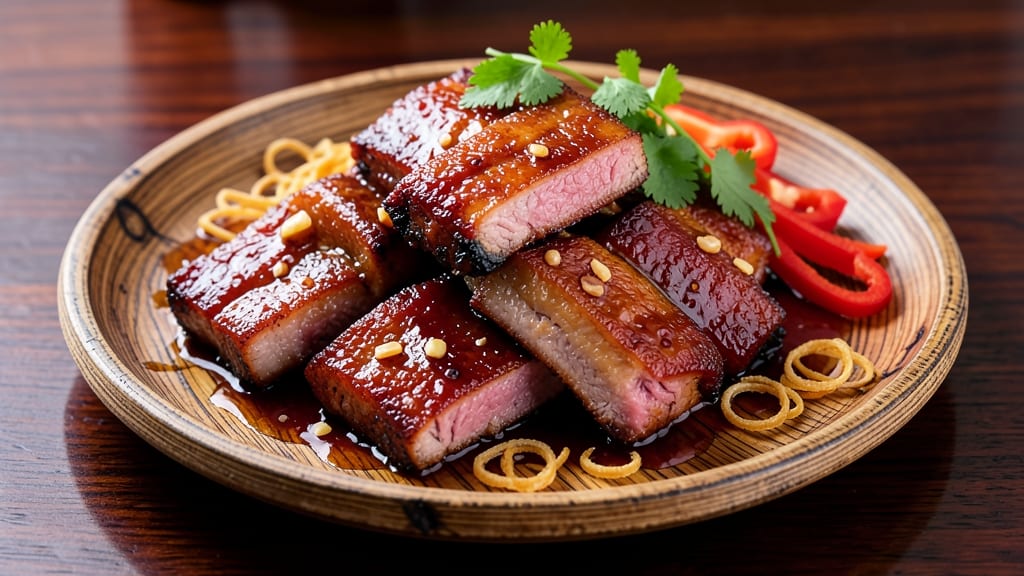
This Chinese sweet and sour pork spare ribs recipe delivers the perfect balance of wok-seared crunch and tangy pineapple gloss—a dish that transports you to a bustling Cantonese restaurant. 🔥 The secret lies in marinating the ribs overnight in a blend of soy, honey, and rice wine, then finishing them with a quick stir-fry that locks in juiciness while creating that signature caramelized crust.
I developed this technique after years of perfecting pork dishes for my restaurant, where we serve thousands of pounds weekly—this version is the one that always gets requested.
The magic happens in two stages: first, the ribs are braised until tender, then tossed in a vibrant sauce of pineapple, vinegar, and bell peppers that adds both sweetness and acidity.
What makes this recipe stand out is the textural contrast—crispy edges from the wok sear meet the silky-sweet sauce, while the ribs stay moist and flavorful. It's the kind of dish that feels special but comes together with straightforward techniques, making it perfect for weeknight dinners or special occasions.
By the time you plate these ribs, you'll have golden-brown pork with glossy, sticky-sauce clinging to every bite, punctuated by bright pineapple chunks and crisp bell peppers. The aroma alone—smoky from the wok, sweet from the caramelization, and tangy from the vinegar—will have everyone gathering around the table.
This is comfort food at its finest, elevated by restaurant-quality techniques you can master at home.
Serve with steamed jasmine rice to soak up every last bit of that tangy-sweet sauce, or pair with stir-fried bok choy for a complete meal. The leftovers reheat beautifully, making this a great recipe for meal prep or feeding a crowd.
Let's get cooking—these ribs are worth every minute of effort.
Ingredients for chinese sweet and sour pork spare ribs
Restaurant-quality ingredients for ribs that taste like they came from a bustling Cantonese kitchen.
| Ingredient | Amount | Notes |
|---|---|---|
| Pork Spare Ribs 🍖 | 3 lb | Bone-in, meaty cuts preferred |
| Soy Sauce 🍶 | ½ cup | High-quality, dark soy preferred |
| Honey 🍯 | ⅓ cup | Wildflower or clover variety |
| Rice Wine 🍷 | ¼ cup | Dry sherry or mirin substitute |
| Garlic Cloves 🧄 | 6 cloves | Minced, fresh preferred |
| Ginger Root 🌿 | 2 tbsp | Fresh, grated, or 1 tsp powdered |
| Cornstarch 🌾 | 2 tbsp | For crispy coating |
| Vegetable Oil 🫒 | ½ cup | High smoke point for wok sear |
| Pineapple Chunks 🍍 | 1 ½ cups | Fresh or canned in juice |
| Red Bell Peppers 🌶️ | 1 whole | Cut into strips, any color |
| White Vinegar 💧 | ¼ cup | For tangy balance |
| Brown Sugar 🍚 | ¼ cup | Light or dark, packed |
| Ketchup 🍅 | ¼ cup | For depth of flavor |
| Green Onions 🧅 | 4 whole | Sliced, for garnish |
| Sesame Oil 🌰 | 1 tbsp | Toasted, for aroma |
The ribs are the star—look for meaty, bone-in spare ribs with good marbling. Costco or local butchers often have the best cuts, but any grocery store's pork section will work. Fresh ginger and garlic are non-negotiable here; Penzeys or bulk bins are great for quality. For the sauce, San Marzano tomatoes in ketchup add that authentic depth, but any good-quality ketchup will do. Pineapple should be ripe but firm—Dole or Del Monte cans work in a pinch, but fresh is always better for texture. The bell peppers? Any color, but red adds the most vibrant contrast to the dish.
No rice wine? Dry sherry or mirin works perfectly—just swap one-for-one. Short on ketchup? Tomato paste plus a splash of vinegar gets you close. The cornstarch is key for that crispy wok sear, but if you're out, all-purpose flour at double the amount will work. Fresh ginger? Powdered works at one-third the amount, but it won't have the same zing. For the pineapple, frozen chunks thawed are fine, but canned in juice (not syrup) keeps the sauce from getting too sweet. The green onions? Fresh only—dried won't cut it here.
Marinate the ribs overnight for maximum tenderness, then store them in the fridge in a sealed container. The sauce components keep separately for 3 days in the fridge, but once mixed, it's best used within 2 days. For meal prep, cook the ribs ahead and reheat in a skillet with a splash of water to revive the moisture. The sauce can be reheated gently—just don't boil it, or it'll turn gloopy. These ribs reheat beautifully, making them perfect for leftovers or feeding a crowd.
Why You'll Love This Recipe
- One-Pan Magic: I swear by this—just ribs, a sheet pan, and 20 minutes of hands-off time. The honey and soy sauce caramelize right on the metal while I’m chopping veggies for the side.
- Sweet-Savory Balance: That first bite? Crispy ribs with a sticky glaze where the garlic hits like a punch, then the honey softens it into pure satisfaction. My kids fight over the last piece—no exaggeration.
- Weeknight Wonder: I make this when I’m too tired for fussing but still want restaurant-quality. Double the batch on Sunday, and I’ve got lunch for three days. The rice wine keeps it bright even reheated.
- Budget-Friendly Feast: Pork ribs are cheaper than chicken thighs, and this recipe stretches them far. A single rack feeds four, with leftovers that taste just as good cold in wraps the next day. Honestly, my wallet thanks me.
Step-by-step instructions for Chinese sweet and sour pork spare ribs
Here's how to create that perfect balance of crispy ribs and tangy-sweet sauce.
🔥 Step 1: Marinate and Parboil the Ribs
In a large bowl, combine the 3 lb pork spare ribs, 0.5 cup soy sauce, 0.25 cup rice wine, 6 cloves minced garlic cloves, and 2 tbsp grated ginger root. Massage the marinade into the ribs, coating them evenly. Cover and refrigerate for at least 2 hours (overnight is best) - this ensures deep flavor penetration.
After marinating, bring a large pot of water to a boil and add the ribs. Parboil for 20-25 minutes until they're just tender but not falling apart. This step prevents them from drying out during the wok sear. Drain and let them cool slightly before proceeding.
🍳 Step 2: Create the Crispy Cornstarch Coating
In a separate bowl, mix 2 tbsp cornstarch with 1 tbsp toasted sesame oil. This creates the perfect crispy coating that's essential for that authentic restaurant texture. Pat the cooled ribs dry with paper towels, then toss them in the cornstarch mixture until completely and evenly coated.
Here's the thing - the cornstarch needs to adhere well. I like to press it gently into the meat, especially around the edges and bones. This ensures maximum crispiness when we sear them later. Let the coated ribs sit for 10 minutes while you prepare the wok.
🔥 Step 3: Wok-Sear for Maximum Crunch
Heat a wok or large skillet over high heat until smoking hot. Add 0.5 cup vegetable oil and swirl to coat the bottom evenly. Working in batches (you'll need to do this twice), add the coated ribs and sear for 3-4 minutes per side until they develop a deep golden-brown crust. Don't crowd the pan - this prevents steam buildup that would make them soggy.
You'll know they're ready when the cornstarch coating turns crispy and the meat releases easily from the pan. Transfer the seared ribs to a plate and tent with foil to keep them warm while you prepare the sauce.
🥘 Step 4: Build the Tangy-Sweet Sauce
In the same wok, reduce heat to medium and add 1 whole red bell pepper cut into strips. Stir-fry for 2 minutes until slightly softened. Add 1.5 cups pineapple chunks, 0.25 cup white vinegar, 0.25 cup brown sugar, 0.25 cup ketchup, and 0.33 cup honey. Stir well and let the mixture simmer for 5 minutes until it thickens slightly.
The sauce should coat the back of a spoon but still be pourable. If it thickens too much, add 1-2 tablespoons of water to reach your desired consistency. This is where all the flavors come together - the tangy vinegar, sweet honey, and umami from the ketchup create that perfect balance.
🍽️ Step 5: Combine and Garnish
Return the seared ribs to the wok with any accumulated juices. Toss everything together and cook for 2-3 minutes until the ribs are fully coated in the sauce. The residual heat will help the sauce cling beautifully to the crispy coating.
Garnish with 4 sliced green onions and serve immediately while the ribs are still crispy. The contrast of the crunchy ribs with the glossy, tangy-sweet sauce is what makes this dish so special. For extra presentation, arrange the ribs on a platter with the sauce pooled around them.
Pro Tips For Making Chinese Sweet And Sour Pork Spare Ribs
- Blanch the Ribs First: Drop those spare ribs in boiling water for 30 seconds before frying—this loosens the skin so it crisps properly instead of sticking to the meat like sad, chewy glue. I learned this the hard way after serving ribs with skin that peeled off in sheets. Trust me, the extra 20 seconds saves you from second-guessing later.
- Balance the Sweet-Sour Sauce: Taste your sauce before adding honey—if it’s too sharp, a splash of rice wine smooths it out; if it’s flat, a pinch of extra soy sauce cuts through. I used to eyeball it and end up with either cloying sweetness or vinegary disappointment. Now I adjust in stages, like mixing paint.
- Don’t Overcrowd the Pan: Fry the ribs in batches, even if it means two rounds—packing them in turns them greasy and steams them instead of searing. I skipped this once and got ribs that tasted more like a soggy dumpling than crispy, caramelized perfection. A little patience here makes all the difference.
- Toast the Garlic Whole: Smash the garlic cloves slightly (not minced!) and fry them in the same oil as the ribs until they’re golden and popping—this adds depth without burning. I used to puree it into the sauce, and it just tasted like garlic paste. Whole cloves? That’s where the magic happens.
Wine and beer pairings for this chinese sweet and sour pork spare ribs
Crispy Ribs & Dry Riesling
The crisp acidity of a dry Riesling cuts through the sweetness of the sauce beautifully, balancing the dish's rich flavors. I love a German Kabinett Riesling like Dr. Loosen Blue Slate—its citrus and mineral notes complement the pineapple and vinegar in the sauce while refreshing your palate between bites.
The slight effervescence helps cleanse the richness of the pork, making each mouthful feel lighter. 🍷
Malty Amber Ale
For beer lovers, a German amber ale or American amber lager works perfectly. Try Ayinger Celebrator—its caramel malt sweetness mirrors the honey in the sauce, while the subtle hop bitterness contrasts the pork's richness.
The maltiness also enhances the ribs' caramelized crust, creating a harmonious balance. Serve slightly chilled for the best experience.
Light-Bodied White Wine
A Sauvignon Blanc from New Zealand or Loire Valley adds a bright, herbal note that pairs wonderfully with the bell peppers and ginger in the dish. Look for a Cloudy Bay Sauvignon Blanc—its zesty lime and passionfruit flavors echo the pineapple while keeping the meal feeling fresh.
Avoid heavy whites like Chardonnay, which would overpower the delicate balance of the sauce.
Session IPA Balance
If you prefer something hoppier, a session IPA like Hazy Little Thing from New England offers a juicy, tropical profile that complements the pineapple. The low bitterness ensures it doesn't clash with the dish's sweetness, while the hazy texture adds a fun, modern twist.
Serve at 45-50°F to let the flavors shine without overwhelming the ribs.
Non-Alcoholic Pairings
For a non-alcoholic option, a sparkling yuzu soda or ginger beer works brilliantly. The effervescence mimics wine's cleansing effect, while the citrus or ginger enhances the dish's tangy-sweet profile. I also love a cucumber-mint infused water—it cools the palate and highlights the fresh herbs in the garnish. 💧
Nutrition facts
Frequently asked questions
Can I use pork shoulder instead of spare ribs?
Pork shoulder won't work the same way—this recipe relies on the natural tenderness and bone structure of spare ribs. If you're set on using shoulder, you'd need to braise it for 3-4 hours until fork-tender, then slice it thinly before tossing with the sauce. The texture and presentation would be completely different, but it could still be delicious!
How do I prevent the ribs from drying out during cooking?
The key is the parboiling step—this hydrates the meat before the crispy sear. Also, work in batches when searing to avoid crowding the pan, which creates steam and makes the coating soggy. After searing, keep the ribs warm in a 200°F oven while you finish the sauce to maintain moisture.
Can I make this recipe in a regular oven instead of a wok?
Use a heavy oven-safe skillet or cast iron pan. Sear the ribs in the oven at 425°F for 15 minutes per side, then finish with the sauce. For extra crispiness, broil for 2-3 minutes at the end. The texture will be slightly different but still delicious—just expect a less pronounced wok sear.
What's the best way to store leftovers?
Store ribs and sauce separately in airtight containers. The ribs keep well for 3 days in the fridge, while the sauce lasts 2 days. To reheat, warm the ribs in a skillet with a splash of water to restore moisture, then toss with reheated sauce. For longer storage, freeze portions for up to 1 month—just thaw overnight in the fridge before reheating.
How can I make this vegetarian?
Swap the pork for extra-firm tofu or mushroom caps (like king oyster). Marinate the tofu in the same sauce overnight, then press and pan-fry until crispy. For mushrooms, slice them thick and sear until golden before adding to the sauce. The texture won't be identical, but it'll still deliver that sweet-tangy flavor profile!