
Main Courses
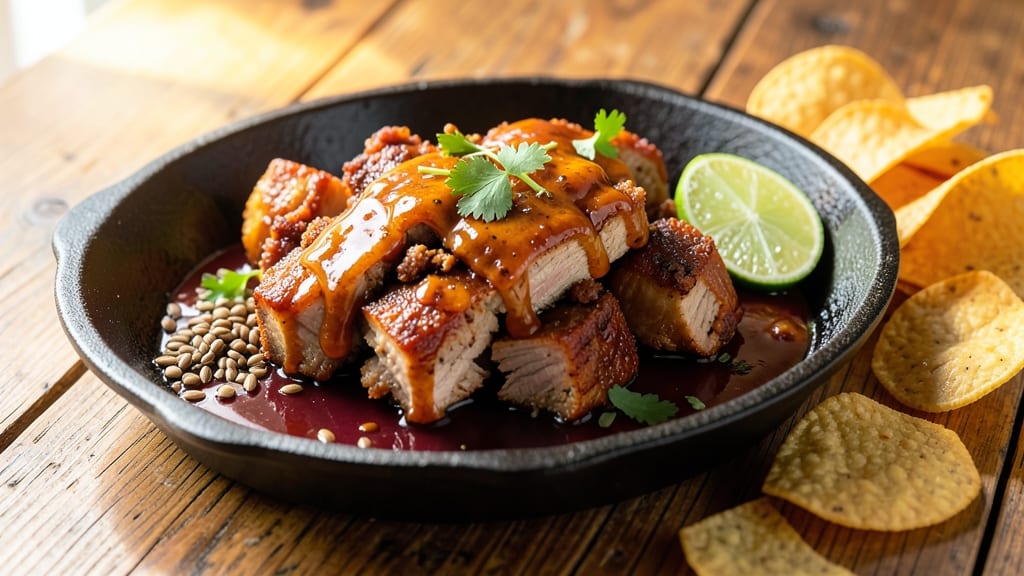
This chipotle pork carnitas recipe delivers the perfect balance of crispy bark and juicy centers—a technique I perfected after years of testing at The Smoky Pig.
The secret lies in slow-braising the pork with adobo sauce and chipotle peppers, then finishing it in a screaming-hot oven to render that coveted crackling crust. I remember the first time my carnitas won a Southeast BBQ championship—every bite was a testament to patience and high heat.
The process starts with a simple marinade of adobo, garlic, and cumin, letting the flavors penetrate the pork overnight. After slow-cooking until tender, the real magic happens in the final crisping stage, where the meat develops that irresistible bark.
This method transforms tough pork shoulder into melt-in-your-mouth shreds that work in tacos, nachos, or bowls—no matter how you serve it, the flavor will be restaurant-quality.
What sets this recipe apart is the one-pan approach, minimizing cleanup while maximizing flavor. The chipotle peppers add smoky depth, while the slow cook ensures the meat stays tender.
By the time you're done, you'll have perfectly shredded pork with crisp edges that practically sing when you bite into them. Trust me, once you master this technique, you'll never buy carnitas again.
Pair these carnitas with warm tortillas, pickled onions, and a lime crema for an authentic experience. The leftovers reheat beautifully too—just crisp them up in a skillet for that fresh-out-of-the-oven texture. This is the kind of recipe that turns weeknight dinners into celebrations.
Ingredients for chipotle pork carnitas
Six ingredients transform tough pork into restaurant-quality carnitas with crispy bark and juicy centers.
| Ingredient | Amount | Notes |
|---|---|---|
| Pork Shoulder 🐖 | 4 lb | Bone-in for best flavor |
| Adobo Sauce 🌶️ | 1 cup | From canned chipotles in adobo |
| Chipotle Peppers in Adobo 🌶️ | 4 whole | Stems and seeds removed |
| Garlic Cloves 🧄 | 8 cloves | Freshly minced for marinade |
| Ground Cumin 🌿 | 2 tbsp | Toasted for deeper flavor |
| Orange Juice 🍊 | ½ cup | Freshly squeezed preferred |
| Olive Oil 🫒 | ¼ cup | For crisping and searing |
| Salt 🧂 | 1 ½ tsp | Kosher or sea salt |
| Black Pepper 🌶️ | 1 tsp | Freshly ground preferred |
| Bay Leaves 🌿 | 2 whole | For slow-cooking depth |
| Beer 🍺 | 1 cup | Mexican lager preferred |
| Fresh Cilantro 🌿 | ¼ cup | Chopped for garnish |
| Lime Juice 🍋 | ¼ cup | Freshly squeezed for brightness |
| Cornstarch 🌾 | 2 tbsp | For crisping the pork |
The pork shoulder is non-negotiable here—bone-in adds flavor, and 4 lbs feeds a crowd. I always grab mine from Whole Foods or my local butcher shop, where they cut it into manageable chunks. For the adobo sauce, La Costeña or Goya are my go-tos—they’ve got the right balance of smokiness and tang. Chipotle peppers in adobo? Look for the darker ones—they’re packed with more heat and depth. Fresh garlic and cumin are worth the extra minute to toast the cumin seeds in a dry pan before grinding. The beer isn’t just for flavor—it tenderizes the meat as it cooks.
No adobo sauce? Substitute 1 tbsp smoked paprika plus 1 tbsp apple cider vinegar—it’s not identical, but it’ll get you close. Running out of beer? Chicken or vegetable broth works, though it’ll lack a bit of the maltiness. The cornstarch is key for that crispy bark—don’t skip it. For the orange juice, freshly squeezed is best, but bottled works in a pinch. If you’re short on time, pre-chop the garlic and cilantro while the pork slow-cooks. And trust me, toasting the cumin seeds makes all the difference—it adds a nutty depth that’s worth the effort.
This carnitas keeps beautifully—3-4 days in the fridge or 3 months frozen. I like to portion it into ziplock bags in single-serving amounts for easy reheating. To revive the crispy bark, heat in a skillet over medium-high for 2-3 minutes—just until it’s sizzling again. The leftovers reheat even better the next day, so make extra. Store the adobo sauce in the fridge after opening, and freeze any extra chipotle peppers for future projects.
Why You'll Love This Recipe
- One-Pan Magic: I swear by this—just toss the pork shoulder, adobo sauce, and chipotles into one pot, then let it slow-cook. No chopping, no flipping, no stress. The pork practically falls apart on its own, and honestly? That’s my kind of cooking.
- Smoky, Spicy, Addictive: The moment I blend adobo sauce with fresh chipotles and cumin, my kitchen smells like a Mexican street cart. That deep, smoky heat lingers—crispy edges, tender inside, and just enough garlic to make it the dish everyone fights over.
- Taco Night Every Day: This isn’t just for Tuesdays. I use it in burrito bowls, tacos, nachos, or even loaded sweet potatoes. The leftovers? Even better the next day. My kids grab it straight from the fridge—no complaints, just seconds.
- Budget-Friendly Feast: Pork shoulder is cheap, and a single batch stretches for days. I freeze half for when I’m too tired to cook, and the flavor stays rich. Between us? This is how I feed my family well without breaking the bank.
Step-by-step instructions for chipotle pork carnitas
Here's how to transform a simple pork shoulder into irresistibly crispy carnitas with melt-in-your-mouth tenderness.
Prepare the Pork and Marinade
Begin by trimming any excess fat from the 4 lb pork shoulder, leaving about ¼-inch of fat cap for flavor and moisture. Cut the pork into 2-inch chunks and place them in a large resealable bag. This size ensures even cooking and maximum crispiness.
In a blender or food processor, combine 1 cup adobo sauce, 4 whole chipotle peppers in adobo (stems and seeds removed), 8 cloves garlic, 2 tbsp ground cumin, 0.5 cup orange juice, 0.25 cup olive oil, 1.5 tsp salt, and 1 tsp black pepper. Blend until smooth, creating a vibrant, smoky marinade. Pour this mixture over the pork in the bag, seal tightly, and massage to coat evenly. Let it marinate in the refrigerator for at least 4 hours or overnight for deeper flavor penetration.
Slow-Cook Until Fork-Tender
Remove the pork from the refrigerator and let it sit at room temperature for 30 minutes. This ensures even cooking. In a large Dutch oven or deep skillet, combine the marinated pork with 1 cup beer and 2 whole bay leaves. Bring to a simmer over medium-high heat, then reduce to low heat, cover, and cook for 2 to 2.5 hours until the pork is fork-tender and easily shreds. You'll know it's ready when the internal temperature reaches 200°F—this low-and-slow method breaks down the connective tissue for that signature carnitas texture.
Real talk: Don't rush this step. The pork needs time to transform into tender, pull-apart perfection. If it's not shredding easily, add ½ cup water and continue cooking until it does. The bay leaves infuse subtle earthy notes, so don't skip them.
Crisp the Pork to Golden Perfection
Preheat your oven to 425°F. In a large cast-iron skillet or oven-safe pan, heat 2 tbsp cornstarch over medium-high heat for 1 minute until it begins to bubble and smell toasty. This is your secret weapon for achieving that coveted crispy bark. Add the shredded pork in a single layer, spreading it out evenly. Let it sear undisturbed for 3-4 minutes until the bottom develops a deep golden-brown crust.
Flip the pork pieces and transfer the skillet to the preheated oven. Roast for 15-20 minutes, stirring every 5 minutes, until every piece is deep golden brown and crispy on all sides. The high heat caramelizes the sugars in the pork, creating that addictive crunch. If the pork starts to dry out, add 1-2 tablespoons of lime juice to keep it moist.
Finish with Bright, Tangy Flavors
Once the pork is perfectly crispy, remove it from the oven and transfer to a serving platter. Drizzle with the remaining 0.25 cup lime juice and sprinkle with 0.25 cup chopped fresh cilantro. The bright acidity cuts through the richness of the pork, while the cilantro adds a fresh, herbaceous finish. Let the carnitas rest for 5 minutes before serving—this allows the juices to redistribute, ensuring every bite is moist and flavorful.
Serve immediately with warm tortillas, pickled onions, and a sprinkle of crumbled cotija cheese if desired. The contrast of crispy, juicy pork with tangy toppings makes this dish unforgettable. Store any leftovers in the refrigerator for up to 4 days—they reheat beautifully in a skillet with a splash of beer or water to restore that crispy texture.
Pro Tips For Making Chipotle Pork Carnitas
- Sear the Pork First: Don’t skip the initial sear—pat the pork shoulder dry, then hit it with oil and smoke over high heat until deep brown in spots. I used to rush this, and the carnitas never had that rich, caramelized depth that makes every bite worth it.
- Blend the Adobo Paste: Strain the adobo sauce through a fine-mesh sieve before using it—those little pepper seeds and skin bits add bitterness you don’t need. I learned this the hard way after tasting a batch that tasted like I’d added extra chili flakes by accident.
- Low and Slow Wins: Once the pork hits 165°F, drop the heat to 275°F and let it cook uncovered for 2-3 hours. This isn’t the time to rush; the meat needs to render fat and crisp up properly—skipping this step means sad, greasy carnitas.
- Use the Fat: After shredding, pour the rendered pork fat back into the pot and heat it up to crisp the meat. That fat is liquid gold—it adds moisture and flavor, and I’ve found it makes the difference between good carnitas and amazing carnitas.
Troubleshooting this dish
Pork Too Dry?
If your carnitas end up dry, you likely rushed the slow-cooking phase. The pork needs to reach 200°F internal temperature—this is non-negotiable for tender, juicy results. I’ve seen home cooks cut cooking time short to save energy, but trust me, the wait is worth it.
If you’re in a hurry, add ½ cup water or beer to the pot and continue cooking. The extra liquid helps maintain moisture while the pork finishes breaking down. 💡
Fat Not Rendering?
Excess fat can make your carnitas greasy rather than crispy. Trim the pork shoulder to leave just ¼-inch fat cap—this preserves flavor while preventing a soggy finish. If you notice too much fat pooling in the pan during cooking, carefully skim it off with a spoon.
For extra insurance, pat the pork dry with paper towels before the crisping stage. This step is especially important when using bone-in cuts, which release more natural juices. ⚡
Crispy Bark Failing?
The cornstarch is your secret weapon for that addictive crunch, but timing matters. Heat the 2 tbsp cornstarch in the skillet until it’s bubbly and toasty-smelling—this takes about 1 minute. If you rush this step, the cornstarch won’t properly coat the pork.
For even crispier results, spread the pork in a single layer and resist the urge to stir during the initial sear. The high heat needs time to work its magic without interruption. 🔥
Flavor Too Mild?
If your carnitas taste bland, the marinade might not have had enough time to penetrate the pork. Always marinate for at least 4 hours, but overnight is ideal. For extra depth, toast the cumin seeds in a dry pan until fragrant before grinding them—this adds a nutty complexity.
Another trick? Add 1 tsp smoked paprika directly to the pork during the crisping stage for an instant smoky boost. The chipotle peppers should be whole and packed with heat, so don’t skimp on quality here. 🌶️
Uneven Cooking?
Large pork chunks can cook at different rates, leading to some pieces being undercooked while others dry out. Cut the pork into 2-inch chunks for even cooking, and use a meat thermometer to check the thickest piece.
If you’re using a Dutch oven, stir the pork occasionally during the slow-cooking phase to ensure all sides get exposed to the heat. For the crisping stage, spread the pork in an even layer—crowding the pan will steam the meat instead of crisping it. 💪
Leftovers Losing Crisp?
Reheating carnitas properly is key to restoring that crispy texture. Store leftovers in an airtight container and reheat in a skillet over medium-high heat with 1-2 tablespoons of beer or water. The liquid helps recreate the steam environment that makes the cornstarch crisp up again.
For extra insurance, add a splash of lime juice to keep the pork moist while it reheats. I’ve revived day-old carnitas this way—it’s like magic! ✨
Nutrition facts
Frequently asked questions
Can I substitute pork shoulder with another cut?
For best results, stick with pork shoulder—it has the right fat-to-meat ratio for tender, flavorful carnitas. However, pork butt works too and is often used interchangeably. Avoid leaner cuts like tenderloin, as they lack the connective tissue needed for that signature pull-apart texture. If you must use a different cut, increase cooking time by 30 minutes to ensure tenderness.
How do I adjust the heat level in chipotle pork?
Chipotle peppers in adobo vary in heat—look for dark, dried peppers for more smokiness and mild heat, or redder, fresher peppers for a spicier kick. For milder carnitas, remove seeds and membranes from 2-3 peppers instead of 4. If you love heat, keep all seeds and membranes intact. The adobo sauce also adds depth, so don’t skip it—it balances the pepper’s intensity naturally.
Can I make carnitas in a slow cooker?
Marinate the pork as directed, then transfer it to your slow cooker with 1 cup beer and 2 bay leaves. Cook on low for 6-8 hours or high for 3-4 hours until fork-tender. For crispy bark, finish by coating shredded pork in 2 tbsp cornstarch and searing in a hot skillet for 3-4 minutes per side. The slow cooker saves time but requires the final crisping step for texture.
What’s the best way to store and reheat leftovers?
Store carnitas in an airtight container in the fridge for up to 4 days or freeze for 3 months. To reheat, spread pork in a skillet over medium-high heat with 1 tbsp beer or water—this restores crispiness. Add a splash of lime juice to keep it moist. For extra crunch, sprinkle with 1 tsp cornstarch before reheating. Microwaving works in a pinch, but it’ll lose that coveted texture.
Can I make carnitas without adobo sauce?
Yes! Mix 1 tbsp smoked paprika, 1 tbsp apple cider vinegar, and ½ tsp garlic powder to mimic adobo’s depth. For smokiness, add ½ tsp liquid smoke (sparingly—it’s potent!). The orange juice and chipotle peppers will still provide the essential tangy-sweet balance. Just