
Main Courses
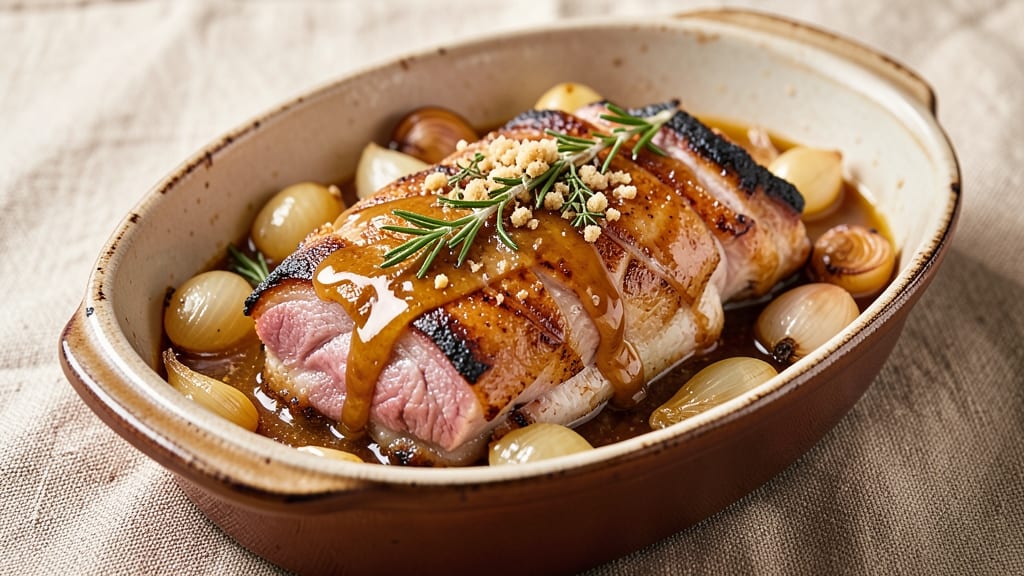
This cider-braised pork belly recipe delivers the perfect balance of crispy edges and fall-off-the-bone tenderness—a technique I perfected after years of experimenting with braising methods in my grandmother’s Sicilian kitchen.
The secret lies in slow-cooking the pork belly in aromatic cider until it becomes so tender it practically melts in your mouth, then finishing it with a high-heat sear for that irresistible crispiness.
There’s nothing quite like the rich, caramelized flavors that develop when pork belly and cider work their magic together.
The process starts with a simple prep: scoring the pork belly to render fat evenly, then searing it until golden brown. After that, it’s all about patience—braising the pork in cider with onions, garlic, and herbs for hours until it’s fork-tender.
The cider not only infuses the meat with deep, fruity notes but also creates a luscious, slightly tangy sauce that’s perfect for drizzling over the top.
This dish is ideal for special occasions or when you want to impress guests with a restaurant-worthy meal that’s surprisingly easy to make at home.
By the time you’re done, you’ll have a dish that’s rich, flavorful, and impossible to resist—crispy on the outside, melt-in-your-mouth tender on the inside, all thanks to the magic of slow braising.
The sauce reduces to a glossy, caramelized glaze that clings to every bite, making this one of those recipes that tastes even better the next day. Serve it with roasted potatoes or a simple green salad to round out the meal.
Here’s where the real magic happens: the cider selection makes all the difference. A dry cider adds brightness, while a slightly sweet one enhances the natural sweetness of the pork. Don’t skip the resting step—letting the pork rest for 15 minutes before slicing ensures every bite is juicy and perfect.
This is the kind of dish that turns a simple weeknight into a memorable feast.
Ingredients for cider braised pork belly
Pork belly, cider, and patience create this restaurant-worthy masterpiece with crispy edges and melt-in-mouth tenderness.
| Ingredient | Amount | Notes |
|---|---|---|
| Pork Belly 🐷 | 2 ½ lb | Skin-on, scored in diamond pattern |
| Dry Apple Cider 🍎 | 2 cups | Unsweetened, dry variety preferred |
| Yellow Onions 🧅 | 1 ½ whole | Thinly sliced, caramelized |
| Garlic Cloves 🧄 | 6 cloves | Mince, aromatic and fresh |
| Fresh Rosemary 🌿 | 1 tbsp | Chopped, fragrant sprigs |
| Fresh Thyme 🌿 | 1 tbsp | Leaves only, finely chopped |
| Salt 🧂 | 1 ½ tsp | Kosher or sea salt |
| Black Peppercorns 🌶️ | 1 tsp | Freshly ground, coarse |
| Dijon Mustard 🍯 | 1 tbsp | For depth, not tanginess |
| Brown Sugar 🍚 | 2 tbsp | For caramelization balance |
| Olive Oil 🫒 | ½ cup | Extra-virgin, for searing |
| Unsalted Butter 🧈 | 4 tbsp | Cubed, for finishing |
The pork belly is your star—look for thick-cut, well-marbled pieces from specialty butchers or Costco’s premium selection. Score it like a crossword puzzle (diamond pattern) to render fat evenly. Fresh cider from local orchards adds depth, but any dry apple cider works. I always grab Woodchuck or Strongbow—they’re reliable and widely available. The onions should be caramelized until golden brown, which takes about 20 minutes of slow cooking. Don’t rush this step—it’s what gives the dish its sweetness.
No dry cider? Unsweetened apple juice plus 1 tbsp vinegar mimics the tang. Fresh herbs are ideal, but dried thyme and rosemary at half the amount work in a pinch. Want extra richness? Swap brown sugar for maple syrup—it adds a subtle depth. The Dijon mustard is non-negotiable for that savory punch. If your cider is too sweet, add 1 tbsp apple cider vinegar to balance. The butter finish is what seals the deal—don’t skip it!
This dish tastes even better the next day. Store in an airtight container for 4-5 days in the fridge. Freeze portions for up to 3 months—just thaw overnight in the fridge. Serve with roasted potatoes or crusty bread to soak up that glorious sauce. The pork belly crispiness happens during the last 5 minutes of searing—use a cast-iron skillet for best results. Trust me, this is worth the effort!
Why You'll Love This Recipe
- Oven-Friendly Magic: Honestly, this is the kind of dish that thrives in your oven while you do other things. Just score that pork belly, sear it golden, and let the oven do the heavy lifting for 2½ to 3 hours. No babysitting required—just check for doneness around the 2-hour mark. It’s the ultimate hands-off win for a weeknight or lazy Sunday.
- Crispy Skin, Creamy Center: That crispy edge with the creamy, fall-apart meat? Chef’s kiss. The diamond-scored pork belly gets that perfect texture when seared in olive oil, then braised in dry apple cider until fork-tender. The caramelized onions and fresh rosemary add depth, while the butter finish makes the sauce so silky it’ll make you lick the plate.
- Leftovers That Shame You: This dish is that good—it tastes even better the next day. Store it for 4-5 days in the fridge, and honestly, your future self will thank you. Freeze portions too, and you’ve got a secret weapon for busy nights. Just thaw overnight, reheat gently, and boom: dinner sorted.
- Budget’s Best Kept Secret: Pork belly isn’t cheap, but this recipe stretches it into something special. The dry apple cider and caramelized onions add richness without breaking the bank, and the herbs and mustard keep costs low while packing maximum flavor. It’s the kind of dish that makes you feel fancy without feeling guilty.
Step-by-step instructions for cider-braised pork belly
Here's how to transform tough pork belly into melt-in-your-mouth perfection with crispy edges.
Score and Sear the Pork Belly
Begin by scoring the skin of the 2½ lb pork belly in a diamond pattern using a sharp knife. Cut through the fat layer but stop before reaching the meat—this creates channels for flavor to penetrate. Pat the skin completely dry with paper towels, then season both sides generously with the 1½ tsp salt and 1 tsp freshly ground black peppercorns.
Heat a heavy oven-safe skillet over medium-high heat and add the ½ cup olive oil. Once the oil shimmers (about 2 minutes), carefully place the pork belly skin-side down. Press down gently with a spatula for 1 minute to help it lay flat. Cook undisturbed for 8-10 minutes until the skin is golden brown and crispy, and the fat begins to render out. Flip once and sear the other side for 4-5 minutes until golden. The pork belly should register about 160°F internally when checked with a meat thermometer—it won't be fully cooked yet, but it's ready for braising.
Build the Braising Liquids and Aromatics
Remove the pork belly from the skillet and set it aside. Reduce the heat to medium and add the 1½ thinly sliced yellow onions to the same skillet. Cook for 5-6 minutes until softened and beginning to caramelize. Add the 6 minced garlic cloves and cook for 30 seconds until fragrant—don't let them burn. Stir in the 1 tbsp chopped fresh rosemary and 1 tbsp fresh thyme leaves, cooking for another 30 seconds to release their oils.
Deglaze the skillet with the 2 cups dry apple cider, scraping up all the browned bits from the bottom. Add the 1 tbsp Dijon mustard and 2 tbsp brown sugar, stirring to combine. Let this mixture simmer for 3-4 minutes until slightly reduced and syrupy. This aromatic liquid will form the rich, tangy base for your braise.
Braise Until Fork-Tender
Return the seared pork belly to the skillet, skin-side up, and carefully pour the braising liquid over it. The liquid should come about halfway up the sides of the pork belly. Transfer the skillet to a preheated 300°F oven and braise for 2½ to 3 hours, depending on your oven. Here's the thing—your oven might run hot, so start checking at the 2-hour mark. The pork belly is done when it's fork-tender and the internal temperature reaches 195-203°F.
During braising, the pork belly will release juices that combine with the cider, creating a luscious sauce. If the liquid reduces too much (it should remain about 1 cup), add ¼ cup water to maintain moisture. The skin should become irresistibly crispy while the meat transforms into melt-in-your-mouth tenderness.
Finish with Butter and Rest
Once the pork belly reaches the proper temperature, remove it from the oven and transfer it to a cutting board. Tent loosely with foil and let it rest for 15-20 minutes. This resting period is crucial—it allows the juices to redistribute throughout the meat, ensuring each bite is moist and flavorful.
While the pork belly rests, return the braising liquid to the skillet over medium heat. Add the 4 tbsp cubed unsalted butter and whisk until melted and incorporated, creating a silky, glossy sauce. Taste and adjust seasoning with additional salt if needed. The sauce should be rich, slightly tangy, and perfectly balanced.
Serve with Crispy Skin and Sauce
After resting, slice the pork belly into ½-inch thick slices, cutting through both the meat and crispy skin. Arrange the slices on a warm platter and ladle the buttery braising sauce over the top. The contrast of crispy skin, tender meat, and flavorful sauce makes every bite incredible.
For serving, I like to pair this dish with roasted potatoes or a simple green salad. The crispy edges stay crispy, the meat pulls apart easily, and the sauce clings beautifully to each slice. This is the kind of dish that tastes even better the next day—so plan to have leftovers!
Pro Tips For Making Cider Braised Pork Belly
- Press for Flat Skin: That first sear is where crispy magic happens, but only if the pork belly lays flat. I used to rush this step and end up with uneven skin—press firmly with a spatula for that full minute, even if it feels like overkill. A flat surface = even crisping, no soggy spots.
- Caramelize Onions Slow: The recipe says 5-6 minutes, but I’ve learned to push it to 8-10 if your stove runs hot. Deep golden onions make the sauce sing—just keep the heat medium and resist the urge to stir constantly. Burnt bits? That’s flavor, but charred onions ruin the balance.
- Check Temp Early: Your oven’s “300°F” might actually be 325°F (guilty). Start checking internal temp at 2 hours—pork belly hits 195°F faster than you’d think. A meat thermometer is non-negotiable here; guessing leads to dry, overcooked pork or underdone fat.
- Butter Last, Not Sooner: Adding butter too early turns the sauce greasy. Wait until the pork belly rests, then melt those 4 tbsp into the reduced cider over medium heat—just enough to coat, not melt like ice cream. The sauce should coat the back of a spoon; if it’s too thin, simmer it down.
Flavor customization for this recipe
Sweet and Spicy Twist
For those who love a little kick, swap the 2 tbsp brown sugar for 1 tbsp honey and add ½ tsp cayenne pepper to the braising liquid. The honey caramelizes beautifully while the cayenne adds subtle heat that lingers.
I like to finish with a drizzle of hot honey (mix ½ cup honey with 1 tbsp cayenne) for extra zing. This version is perfect for guests who enjoy a little warmth with their sweet flavors. 🌶️
Herb-Infused Depth
Boost the flavor profile by adding 1 bay leaf and 2 sprigs fresh sage during the braising step. Remove them before finishing with butter, but their aromatic essence will infuse the pork and sauce beautifully.
I also toss in 1 crushed juniper berry for a touch of earthiness—it’s a Sicilian trick Nonna taught me. The result is a dish with layers of complexity that make every bite unforgettable.
Smoky BBQ Fusion
For a smoky twist, replace 1 tbsp fresh thyme with 1 tbsp smoked paprika and add 1 tbsp liquid smoke to the braising liquid. The smoky notes pair perfectly with the cider’s natural sweetness.
I also like to finish with a sprinkle of crushed red pepper flakes and a drizzle of BBQ sauce (like Sweet Baby Ray’s) for a touch of tang. This fusion brings a Southern flair to the classic dish. 🔥
Citrus Zing
Brighten up the dish by adding 1 tbsp orange zest and 1 tbsp fresh lemon juice to the braising liquid. The citrus cuts through the richness of the pork belly and cider, adding a refreshing contrast.
I also like to finish with a sprinkle of flaky sea salt like Maldon and a few drops of orange liqueur for a sophisticated touch. This variation is especially lovely in spring when fresh citrus is in season.
Cheesy Comfort
For a cheesy twist, stir in ½ cup grated Gruyère cheese into the braising liquid during the last 15 minutes of cooking. The cheese melts into the sauce, creating a rich, velvety finish.
I also like to top the slices with a sprinkle of aged Gouda before serving for extra depth. This version is pure comfort food—perfect for chilly evenings when you crave something hearty and indulgent. 🧀
Nutrition facts
Frequently asked questions
Why does scoring the pork belly matter?
Scoring creates tiny channels in the fat layer that let flavors penetrate deeper during braising. This ensures even cooking and helps render the fat more evenly, giving you that perfect crispy skin while keeping the meat tender. Think of it like giving your pork belly a flavor highway!
Can I use sweet apple cider instead of dry?
You can, but it will make the dish sweeter. For balance, reduce the 2 tbsp brown sugar by half and add 1 tbsp apple cider vinegar to keep the tang. The dry cider gives a brighter acidity that cuts through the richness of the pork belly beautifully.
What if my pork belly isn't fork-tender after 2 hours?
Check the internal temperature—it should reach 195-203°F. If not, return it to the oven for another 30-60 minutes, checking every 20 minutes. The oven temperature might be lower than 300°F, so adjust accordingly. Patience is key to that perfect melt-in-your-mouth texture!
How do I prevent the braising liquid from reducing too much?
Keep the skillet partially covered with foil during the first 2 hours of braising. If it still reduces too much, add ¼ cup water as needed. The liquid should remain about 1 cup by the end. This keeps the sauce rich and glossy without drying out the pork.
Can I make this dish ahead of time?
The flavors actually improve overnight. Store in an airtight container for 4-5 days in the fridge or freeze portions for up to 3 months. Reheat gently in the oven at 300°F until warmed through, adding a splash of water or cider if needed. Leftovers are always a hit!