
Main Courses
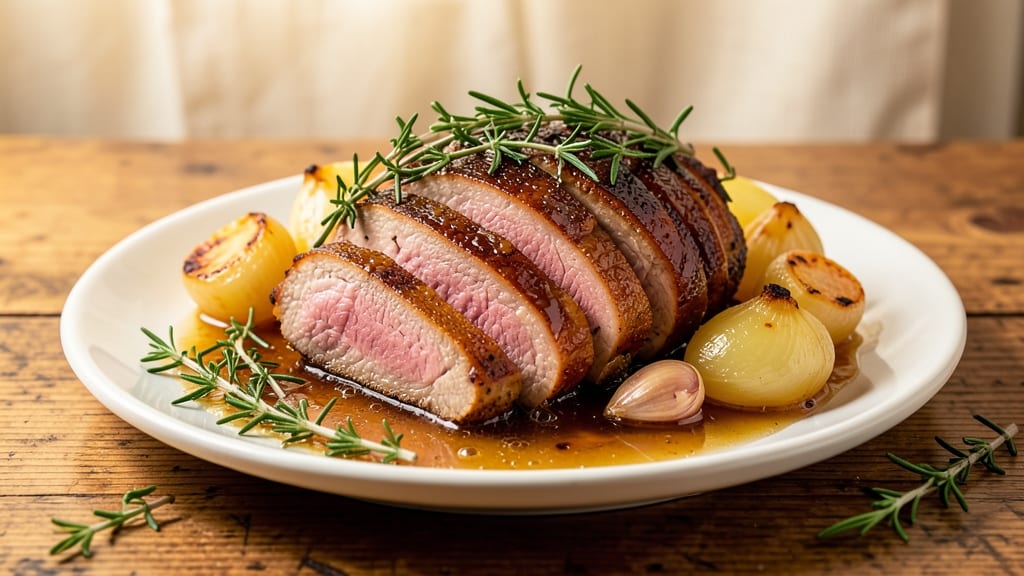
This cider braised pork roast transforms tough cuts into melt-in-your-mouth perfection through slow-simmered richness. 🔥 After years of perfecting braising techniques at The Smoky Pig, I’ve learned that apple cider isn’t just a liquid—it’s the secret weapon that tenderizes while building deep, caramelized flavors.
The key lies in the balance: searing the pork first for depth, then braising at 300°F for 3–4 hours until the meat falls apart at the touch of a fork.
The cider’s acidity and natural sweetness break down collagen, creating a sauce that’s velvety yet vibrant, with just enough tang to cut through the pork’s richness.
I use 3 cups of cider for every pound of meat, along with aromatics like onions, garlic, and thyme, which infuse the pork with layers of warmth. This isn’t just a braise—it’s a restaurant-quality technique you can master at home, with minimal effort but maximum reward.
By the time it’s done, your pork will be fork-tender and glossy, bathed in a sauce so flavorful it deserves a place at the center of your table. The cider’s caramelized notes elevate every bite, turning a simple roast into a showstopper.
Serve it with creamy mashed potatoes or roasted root vegetables to soak up every last drop of that golden, aromatic sauce—because this dish deserves to be celebrated.
What makes this recipe foolproof is the hands-off approach: once you sear and braise, it’s all about patience. The pork stays juicy, the sauce thickens naturally, and the cider’s depth shines through.
Whether you’re feeding a crowd or treating yourself to a Sunday supper, this method delivers restaurant-quality results without the fuss. Let’s get to work—your taste buds will thank you.
Ingredients for cider braised pork roast
Six aromatic ingredients and one slow-simmered secret: restaurant-quality pork without the fuss.
| Ingredient | Amount | Notes |
|---|---|---|
| Pork Shoulder Roast 🐖 | 4 lb | Bone-in for maximum flavor |
| Apple Cider 🍎 | 3 cups | Unfiltered for depth of flavor |
| Yellow Onions 🧅 | 2 whole | Cut into 1-inch chunks |
| Garlic Cloves 🧄 | 8 cloves | Smashed for aromatic release |
| Fresh Thyme 🌿 | ¼ cup | Stems removed, loosely packed |
| Fresh Rosemary 🌿 | ¼ cup | Sprigs for fragrance |
| Carrots 🥕 | 4 whole | Cut into 2-inch pieces |
| Olive Oil 🫒 | ½ cup | Extra-virgin for searing |
| Balsamic Vinegar 🍷 | 2 tbsp | For caramelized depth |
| Kosher Salt 🧂 | 2 tbsp | Diamond Crystal preferred |
| Ground Black Pepper 🌶️ | 1 tbsp | Freshly cracked |
| Bay Leaves 🌿 | 2 whole | For subtle earthiness |
| Unsalted Butter 🧈 | 2 tbsp | For sauce richness |
The pork shoulder is your canvas here—bone-in cuts deliver the most flavor, so don't skimp. Costco or your local butcher shop usually carry them pre-cut, but if you're buying whole, look for good marbling and ask for the shoulder cut. Apple cider? Mulling cider from Martinelli's or Woodchuck adds spiced depth, but any unfiltered variety works. Fresh thyme and rosemary should smell vibrant—if they're wilted or smell musty, toss them. Carrots can be baby carrots if that's what you've got, but the whole ones add better structure to the braise.
No fresh thyme? Dried at one-third the amount gets you close, but fresh is ideal. Running short on cider? Substitute apple juice with 1 tbsp lemon juice for brightness. The balsamic vinegar is non-negotiable for that caramelized punch—Trader Joe's has great affordable options. For the butter, Plugrá or Land O'Lakes work perfectly. Want to skip the butter entirely? Add an extra 2 tbsp olive oil to the sauce at the end. The bay leaves add subtle complexity—don't skip them, but remove before serving.
This dish tastes even better the next day, so plan ahead. Store in the fridge for up to 5 days or freeze for 3 months in portions. The sauce thickens as it cools, so you can reheat it with a splash of water or cider. I always make extra—it's perfect over mashed potatoes or with crusty bread to soak up every drop. The pork will be fork-tender, so handle it carefully when carving. Leftovers reheat beautifully in a 300°F oven for 20 minutes.
Why You'll Love This Recipe
- One-Pot Magic: I swear by this recipe when I’m too tired to scrub a million dishes—just sear the pork, toss in chopped onions and garlic, pour on that cider, and let it bubble away. The thyme wafts through the kitchen while I clean one pot. Honestly, it’s the kind of meal that makes me question why I ever cooked anything else.
- Sweet-Savory Crunch: That crispy edge on the pork? The cider caramelizes into a glossy, tangy sauce that clings to every bite. The onions turn golden and jammy, while the garlic and thyme add depth—like a hug from autumn in every forkful. My kids fight over the last slice, and I don’t even care.
- Weeknight to Holiday: This roast is my lazy Sunday go-to, but it also elevates Thanksgiving leftovers into something special. Serve it with mashed potatoes and crusty bread, or pack it for lunches—sliced pork stays juicy for days. Between us, I’ve even brought it to potlucks and watched people go back for seconds.
- Budget Stretch: A pork shoulder roast feeds my family for days—I’ll pull slices for sandwiches, toss chunks into salads, or reheat them with a sprinkle of black pepper. The cider adds richness without breaking the bank, and the onions/garlic/thyme are pantry staples. It’s the kind of meal that makes grocery money stretch further than I thought possible.
Step-by-step instructions for slow-simmered cider braised pork
Here's how to transform a simple pork shoulder into melt-in-your-mouth perfection.
🔥 Step 1: Sear the Pork Shoulder for Maximum Flavor
Heat a Dutch oven over medium-high heat and add the 0.5 cup olive oil. Once shimmering, place the 4 lb pork shoulder roast fat-side down and let it sear undisturbed for 8-10 minutes until a deep golden brown crust forms. This creates the flavor foundation we'll build upon.
Flip the roast and repeat on the other side for another 6-8 minutes. Remove and set aside—don't worry if it's not fully cooked through yet. The braising will finish the job. This initial sear locks in juices while developing that irresistible crust.
👨🍳 Step 2: Build the Aromatic Base
In the same Dutch oven (no need to wipe it clean), add 1 tablespoon kosher salt and 1 tablespoon ground black pepper to the browned bits on the bottom. Add the 2 whole yellow onions cut into 1-inch chunks, 4 whole carrots cut into 2-inch pieces, and the 8 cloves garlic cloves smashed lightly.
Cook for 5-6 minutes until the onions soften and begin to caramelize. Stir occasionally to prevent burning. Here's where the magic happens—the vegetables release their sweetness and meld with the pork's crust. Add the 0.25 cup fresh thyme and 0.25 cup fresh rosemary sprigs, tossing to coat everything in their aromatic oils.
🍳 Step 3: Deglaze and Add the Cider
Pour in the 2 tablespoons balsamic vinegar and scrape up all those flavorful browned bits from the bottom with a wooden spoon. This deglazing step captures all that concentrated flavor we worked so hard to develop. Let it simmer for 2 minutes until slightly reduced.
Now add the 3 cups apple cider and bring to a gentle simmer. The liquid should just barely bubble at the edges—this is crucial for proper braising. Add the 2 whole bay leaves and return the pork to the pot, fat-side up. The cider should come about halfway up the sides of the pork.
⏰ Step 4: Braise Until Fork-Tender
Cover the Dutch oven and transfer to a 325°F oven. Braise for 3-3.5 hours until the pork is fork-tender and easily pulls apart. The internal temperature should reach 200-205°F—this is when collagen breaks down into gelatin, creating that signature tender texture.
Check the liquid level halfway through—if it's reduced too much, add ¼ cup water to maintain moisture. The pork should be resting on a bed of tender vegetables by the end. Here's the thing—don't rush this step. The slow cooking transforms tough muscle fibers into melt-in-your-mouth perfection.
🥘 Step 5: Finish with Butter and Serve
Remove the pork from the pot and let it rest for 15-20 minutes on a cutting board. Skim any excess fat from the braising liquid, then return the pot to the stove over medium heat. Add the 2 tablespoons unsalted butter and whisk until melted and incorporated.
Slice the pork against the grain into ½-inch thick slices and serve immediately with the braising sauce spooned over the top. The sauce should coat the pork beautifully, with tender vegetables scattered throughout. Serve with crusty bread to soak up every last drop of that cider-infused, herb-kissed sauce.
Pro Tips For Making Cider Braised Pork Roast
- Sear the Pork Hard: Don’t just warm the meat—get those edges deep brown with a 5-minute sear in a hot Dutch oven. I used to rush this, and the pork never developed that caramelized crust that soaks up the cider like a sponge. High heat. Seriously, crank it up.
- Deglaze with Cold Cider: After searing, pour in the apple cider cold to stop the cooking and lift all those browned bits. I learned this the hard way—adding warm cider just makes the onions sweat instead of building flavor. The cold shock works better than scraping.
- Slice the Onions Thin: Cut the yellow onions into ⅛-inch slices so they soften without turning to mush. Thick rings stay tough and gummy, and no one wants that in a braise. A sharp knife and a steady hand make this easy—no need for fancy techniques.
- Finish with a Thyme Sprig: Tuck a single fresh thyme sprig into the pork before braising—it infuses the meat directly instead of just the liquid. Skip the dried stuff here; the flavor’s too faint, and it burns before adding anything. One sprig is enough to make the whole dish smell like autumn.
Creative variations of this cider braised pork roast
Spiced Mulling Cider
Swap the basic apple cider for spiced mulling cider like Martinelli's or Woodchuck for instant warmth. The cinnamon, cloves, and orange peel in these varieties add depth without extra effort.
I like to add ½ teaspoon ground cinnamon and ¼ teaspoon ground cloves directly to the braising liquid for extra spice. This variation feels especially cozy during fall and winter gatherings. 🍎
Red Wine Braise
For a more sophisticated twist, replace 1 cup of the apple cider with 1 cup dry red wine like Cabernet Sauvignon or Malbec. The wine adds complexity and pairs beautifully with the pork's richness.
Deglaze with the wine after searing, then add the remaining cider. The alcohol burns off during cooking, leaving behind concentrated flavor. 🍷
Sweet Potato Twist
Add 2 medium sweet potatoes, peeled and cut into 1-inch cubes, along with the carrots. Their natural sweetness complements the cider beautifully and adds a vibrant color contrast.
Sweet potatoes also absorb the braising liquid, making them extra tender and flavorful. This variation works especially well for fall menus. 🍠
Herb-Infused Oil
Before searing the pork, infuse the 0.5 cup olive oil with 1 tablespoon fresh rosemary and 1 tablespoon fresh thyme by heating it gently for 5 minutes.
This imparts an intense herb flavor throughout the pork. Strain out the herbs before using the oil for searing. The aroma alone makes this worth trying! 🌿
Smoked Paprika Finish
Stir in 1 teaspoon smoked paprika during the final 15 minutes of braising to add a subtle smoky depth. This works particularly well with spiced cider or the red wine variation.
The paprika dissolves into the sauce, creating a beautiful hue and adding complexity that pairs perfectly with the pork's richness. 🌶️
Creamy Mustard Sauce
After braising, whisk in 2 tablespoons Dijon mustard and 2 tablespoons heavy cream during the final butter step. This creates a luxurious sauce that balances the cider's sweetness with tangy mustard notes.
The cream adds richness while keeping the sauce velvety smooth. This variation elevates the dish to restaurant-quality status. 🍽️
Nutrition facts
Frequently asked questions about cider-braised pork roast
What cut of pork works best for this braised recipe?
A bone-in pork shoulder roast is ideal—it has just the right amount of fat and connective tissue to become fork-tender when braised. Look for cuts weighing 3-5 pounds at your local butcher shop or specialty market. The bone adds flavor while the fat keeps the meat moist during slow cooking.
Can I use store-bought apple cider instead of fresh?
Store-bought unfiltered apple cider works perfectly—just avoid anything with added sugar or artificial flavors. Brands like Martinelli's or Woodchuck add natural spice notes that enhance the dish. For extra depth, try mulling cider with cinnamon and cloves already included.
How do I know when the pork is fully cooked?
The pork is done when it reaches an internal temperature of 200-205°F and easily falls apart with a fork. A meat thermometer is your best tool—insert it into the thickest part of the roast without touching bone. The texture should be silky rather than fibrous, and the juices should run clear.
What if my braising liquid reduces too quickly?
Simply add ¼ cup water or extra cider during cooking to maintain moisture. The liquid should always cover about half the pork. If it reduces too much before the pork is tender, the sauce may become too concentrated and lose its velvety texture. Check it after 1.5 hours of braising.
Can I make this ahead of time?
This dish tastes even better the next day! Store in an airtight container in the fridge for up to 5 days or freeze for 3 months. Reheat gently in a 300°F oven for 20 minutes with a splash of water or cider to restore moisture. The flavors meld beautifully overnight.