
Main Courses
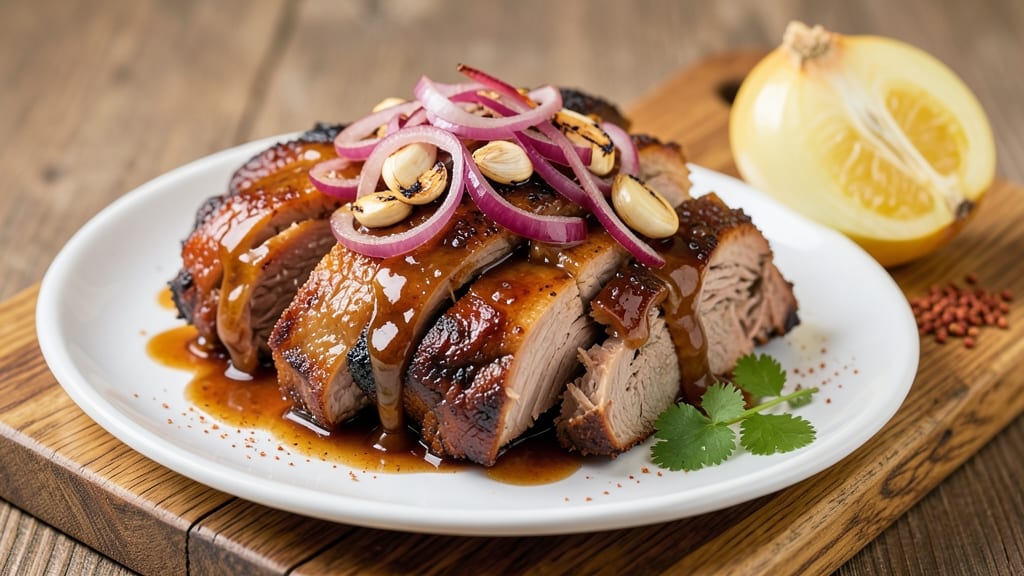
This city BBQ pulled pork recipe delivers the kind of fall-apart tenderness that makes every bite worth the wait. 🔥 After years of perfecting my technique—from brining to smoking—I’ve cracked the code for restaurant-quality pork that’s juicy, smoky, and packed with that signature sweet-tangy flavor profile. The secret?
A slow cook that transforms tough shoulder meat into melt-in-your-mouth perfection without drying it out.
What sets this apart is the one-pot method, where the pork cooks low and slow in its own juices, absorbing the flavors of apple cider vinegar, brown sugar, and a blend of spices that create that unmistakable city BBQ taste.
No fancy equipment needed—just time, patience, and a little smoke (or your oven) to work its magic. The result? A dish so tender it practically shreds at a touch, with a sauce that clings to every strand.
By the time you’re done, you’ll have a foolproof pulled pork that’s ready to serve on sliders, sandwiches, or straight from the pot with a spoon. The smoky-sweet aroma alone will have your guests lining up for seconds, and the leftovers? Even better the next day.
This is the kind of recipe that turns weeknight dinners into a celebration—no matter the occasion. Pair it with classic sides like creamy coleslaw, buttery cornbread, and baked beans for the full Southern BBQ experience. Let’s get started on making pork that’ll have everyone asking for your recipe.
Ingredients for city bbq pulled pork
Sixteen ingredients for pork that practically melts in your mouth—smoky, sweet, and packed with that signature city BBQ flavor.
| Ingredient | Amount | Notes |
|---|---|---|
| Pork Shoulder (Bone-In) 🥩 | 4 lb | Well-marbled, 3-4 inches thick |
| Apple Cider Vinegar 🍎 | ½ cup | Braeburn or Granny Smith preferred |
| Brown Sugar 🍚 | ½ cup | Light or dark, packed |
| Yellow Onion 🧅 | 1 whole | Medium, sliced into wedges |
| Garlic Cloves 🧄 | 6 cloves | Peeled, smashed slightly |
| Smoked Paprika 🌶️ | 2 tbsp | For authentic smoky flavor |
| Ground Black Pepper 🌶️ | 1 ½ tsp | Freshly cracked |
| Dried Thyme 🌿 | 1 tsp | Or 1 tbsp fresh thyme |
| Ground Cumin 🌿 | 1 tsp | Toasted for deeper flavor |
| Salt 🧂 | 1 ½ tbsp | Kosher or sea salt |
| Beef Broth 💧 | 1 cup | Low-sodium preferred |
| Vegetable Oil 🫒 | 1 tbsp | For searing pork |
| Fresh Rosemary 🌿 | ¼ cup | Chopped, stems removed |
| Honey 🍯 | 2 tbsp | Wildflower preferred |
The pork shoulder is non-negotiable here. Look for bone-in cuts—they stay juicier during the long cook. Costco or local butchers usually have the best deals on big pieces, but any grocery store will carry it. If you can't find bone-in, bone-out works too, just expect slightly faster cooking. The apple cider vinegar? Braeburn or Granny Smith adds that tangy depth—don't use white vinegar. For the spices, Penzeys or bulk bins are your friends, but the regular grocery store stuff works fine if it's fresh. Smoked paprika is the secret weapon for that authentic BBQ flavor without needing a smoker.
No apple cider vinegar? Substitute white vinegar at half the amount, but trust me on the real stuff. Running low on rosemary? Fresh thyme works in a pinch, but rosemary's piney note is essential. The beef broth can be swapped for chicken broth in a bind, though it'll be slightly lighter. For the brown sugar, light or dark both work, but dark adds more molasses depth. If you're short on time, pre-cut the onion and garlic—just keep the skins on until you're ready to use them to prevent browning. The honey adds that signature sweetness, but maple syrup works too if you're avoiding refined sugar.
This pork is best made a day ahead—it gets even more tender as it rests. Store leftovers in the fridge for 4-5 days or freeze for up to 3 months. For serving, I like to shred it right in the pot with two forks, then mix it with some of the sauce. The leftovers reheat beautifully—just add a splash of broth or water to keep it moist. If you're making this for a crowd, double the recipe—it disappears fast, especially with those sliders or sandwiches. The sauce thickens as it cools, so don't worry if it looks too thin while it's hot.
Why You'll Love This Recipe
- Foolproof Prep: I swear by this method—just rub the pork shoulder with brown sugar, garlic, and onion, then let the slow cooker do the work. No fancy techniques, no stress, and the vinegar keeps it tender without drying out.
- Smoky-Sweet Magic: That apple cider vinegar? It’s the secret weapon here—cuts through the richness while caramelizing the brown sugar into a sticky, irresistible glaze. Honestly, the first bite makes me want to skip dinner and eat it straight from the bowl.
- Weeknight Wonder: Between us, this is my go-to when I’m too tired to cook but still want something impressive. Serve it on buns for sandwiches, toss it in tacos, or pile it over rice—it’s that versatile. (Yes, even on a Tuesday night.)
- Budget-Friendly Feast: A bone-in pork shoulder stretches for days, and the ingredients cost less than half of what you’d pay for pre-made pulled pork. I’ll be real: my freezer’s always stocked with this—because it’s the only pulled pork that doesn’t break the bank.
Step-by-step instructions for city BBQ pulled pork
Here's how to turn that pork shoulder into melt-in-your-mouth perfection.
🔥 Step 1: Sear the Pork Shoulder for Maximum Flavor
Heat a Dutch oven over medium-high heat and add the 1 tablespoon vegetable oil. Place the 4 lb pork shoulder (bone-in) fat-side down and sear for 5-6 minutes until the fat renders and the skin turns deep golden brown. Flip the pork and sear the other side for another 5 minutes—this step builds incredible flavor and helps create that beautiful bark later.
I press down gently on the pork during the first minute of searing—this prevents it from curling and ensures even contact with the pan. The fat should sizzle and pop as it renders out, filling your kitchen with that irresistible aroma. Don't rush this step; patience here pays off with richer flavor throughout the entire dish.
👨🍳 Step 2: Build the Smoky-Sweet Rub
In a small bowl, combine the 2 tablespoons smoked paprika, 1.5 teaspoons ground black pepper, 1 teaspoon dried thyme, 1 teaspoon ground cumin, and 1.5 tablespoons salt. Rub this mixture all over the seared pork shoulder, pressing it into the meat so it adheres well. This creates that essential smoky backbone flavor that defines city BBQ.
Next, add the 0.5 cup brown sugar and 2 tablespoons honey to the Dutch oven with the seared pork. Stir to coat the pork with the sweet mixture, then add the 1 whole yellow onion (sliced into wedges) and 6 cloves garlic cloves (smashed slightly) around the pork. This combination of sweet and savory creates the perfect balance that makes this pulled pork special.
🔥 Step 3: Slow Cook Until Fork-Tender
Pour in the 0.5 cup apple cider vinegar and 1 cup beef broth around the pork. Bring everything to a simmer over medium heat, then reduce heat to low and cover. Here's the thing—this isn't a quick process. You'll need to cook the pork for 3-4 hours until it's fork-tender and easily pulls apart. I check the internal temperature periodically with a meat thermometer, but don't worry about exact numbers yet—just look for that visual cue of the meat falling apart easily.
About halfway through cooking (1.5-2 hours in), add the 0.25 cup chopped fresh rosemary. This herb adds a fresh, piney note that cuts through the richness of the pork and complements the smoky flavors beautifully. The pork is ready when it reaches an internal temperature of 195-203°F and a probe slides in like butter with no resistance.
⏰ Step 4: Shred and Rest for Perfect Texture
Once the pork is fork-tender, transfer it to a cutting board and let it rest for 15 minutes before shredding. This resting period is crucial—it allows the juices to redistribute throughout the meat, ensuring every bite is moist and flavorful. While it rests, carefully strain the cooking liquid from the Dutch oven into a bowl, discarding the onion and garlic (or save them for another use if you're feeling adventurous).
Using two forks, shred the pork against the grain into 2-inch chunks. The meat should pull apart easily, with no resistance at all. If you find any tough bits, simply cut them away—they'll be minimal at this point. Return the shredded pork to the Dutch oven with the cooking liquid and stir to combine. The liquid should coat the pork nicely, creating that perfect pulled pork consistency.
🍽️ Step 5: Serve with Confidence
Taste the pulled pork and adjust the seasoning if needed. You might want to add a pinch more salt or a splash of apple cider vinegar to balance the flavors. Serve immediately over toasted buns with your favorite BBQ sauce on the side, or use it as a filling for tacos, sandwiches, or loaded baked potatoes. The pork should be tender enough to eat with a fork, with a perfect balance of smoky, sweet, and savory flavors in every bite.
Here's a pro tip: If you have leftovers (and you will), store them in the refrigerator for up to 4 days or freeze for up to 3 months. The flavors actually improve over time as they meld together. When reheating, add a splash of beef broth or apple cider vinegar to keep the pork moist and flavorful.
Pro Tips For Making City Bbq Pulled Pork
- Trim the Fat First: Slice off that thick layer of external fat from the pork shoulder before seasoning—it’s the stuff that renders into grease and steams your meat instead of browning it. I used to skip this, and my pork ended up soggy instead of crispy on the edges.
- Sweat the Aromatics Low: Cook your onions and garlic in the vinegar and brown sugar until they’re deep amber, not just softened. That caramelization builds the sauce’s depth—skip the rush, and you’ll just end up with a sweet glaze instead of real flavor.
- Don’t Crowd the Pan: If you’re searing the pork shoulder in a skillet, work in batches or use a sheet pan. Piling it all in at once just steams it, and you’ll miss that crust that makes pulled pork taste like it came from a pit.
- Braise in the Vinegar: Pour that apple cider vinegar into the braising liquid—it’s not just for flavor, it tenderizes the meat faster. I learned this after a tough cut that took forever to break down, and now my pork shreds like butter every time.
Common mistakes when making this recipe
Overcooking the Pork
One of the biggest mistakes I see is letting the pork shoulder cook too long past the 203°F internal temperature mark. When you push it beyond this point, the meat starts breaking down into a mushy, dry mess instead of maintaining that perfect tender texture.
I’ve seen home cooks walk away from their Dutch oven for hours, only to return with pork that’s lost all its structure. 🔥
Here’s the trick: set a timer for 3-4 hours and check the internal temperature every 30 minutes starting at 195°F. The moment it reaches 203°F and a probe slides in like butter, it’s done.
If you’re unsure, do the fork test—press gently with a fork. If it shreds easily, it’s ready. If not, give it another 15-20 minutes max.
Skipping the Sear
Some cooks rush the searing step or skip it entirely, thinking the slow cook will handle all the flavor development. Big mistake!
That initial 10-minute sear on both sides of the pork shoulder is what creates the Maillard reaction, giving you that deep, caramelized crust that carries through the entire dish. Without it, your pulled pork will taste flat and lack the complexity that makes city BBQ special.
I press down on the pork with a spatula during the first minute of searing to ensure even contact with the pan. This prevents curling and helps render out that fat, which you’ll later use to build flavor.
If your pork isn’t searing properly, your Dutch oven might not be hot enough—let it heat up for 5 minutes before adding oil.
Ignoring the Rest Time
Transferring the pork to a cutting board and shredding it immediately after cooking is another common error. The 15-minute rest allows the juices to redistribute throughout the meat, which is crucial for that juicy, tender texture.
Skipping this step means you’ll end up with dry, stringy pulled pork that falls apart in your hands instead of on your tongue.
While it rests, I like to strain the cooking liquid into a bowl and discard the onion and garlic. This keeps your final pulled pork clean and flavorful without any unwanted bits.
Pro tip: Tent the pork loosely with foil to keep it warm while it rests—just don’t let it sit too long, or it’ll start to cool off.
Using the Wrong Cut
Not all pork cuts are created equal, and using the wrong one can ruin your pulled pork. A bone-in pork shoulder (also called a pork butt) is the gold standard because the bone helps retain moisture during the long cook.
Substituting with a leaner cut like pork loin or tenderloin will leave you with dry, tough meat that’s impossible to pull apart.
If you can’t find bone-in, a bone-out pork shoulder will work in a pinch, but it’ll cook faster. Look for a cut that’s at least 3-4 inches thick—thinner cuts won’t hold up to the slow cook.
I always shop at local butchers or heritage pig farms for the best quality. Trust me, the difference in flavor and texture is night and day compared to store-bought cuts.
Overcrowding the Pot
Another mistake is overcrowding the Dutch oven with too many aromatics or adding all the ingredients at once. When you pack in too much onion, garlic, or other veggies, you steam the pork instead of letting it cook gently.
This traps moisture and can lead to a watery, bland pulled pork instead of the rich, smoky masterpiece you’re aiming for.
I keep it simple: just the 1 whole onion and 6 cloves of garlic around the pork, plus the apple cider vinegar and broth. If you’re feeling adventurous, add the rosemary halfway through cooking, but don’t go overboard.
The goal is to let the pork cook low and slow in its own juices, not in a crowded, steamy environment.
Not Adjusting Seasonings
Finally, many cooks forget to taste their pulled pork before serving and adjust the seasonings as needed. The flavors develop differently depending on the cut of pork, the cooking time, and even the weather.
What tasted perfect in the Dutch oven might need a pinch more salt or a splash of apple cider vinegar to balance the sweetness.
I always taste the pork after shredding and stir in a little more salt if needed. Sometimes, the sauce can be too thin, so I let it reduce on the stovetop for a few minutes to thicken it up.
A little attention to detail here makes all the difference between good pulled pork and restaurant-quality city BBQ. 💪
Nutrition facts
Frequently asked questions
Can I make this pulled pork in a slow cooker instead of a Dutch oven?
This recipe works perfectly in a 6-quart slow cooker. Brown the pork in a skillet first, then transfer it to the slow cooker with all the other ingredients. Cook on low for 8 hours or high for 5-6 hours, checking for doneness at 203°F. The slow cooker method is even more hands-off and great for busy days.
What's the best way to serve this city BBQ pulled pork?
For an authentic city BBQ experience, serve it on toasted buns with your favorite BBQ sauce on the side, or use it for sliders with pickles and coleslaw. It's also fantastic in tacos, loaded baked potatoes, or even as a filling for breakfast burritos. The leftovers make amazing sandwiches the next day too!
How do I know when the pork is done without a meat thermometer?
Use the fork test: When the pork reaches 203°F, a fork should slide in and out like butter with no resistance. If you don't have a thermometer, press gently with a fork—if it shreds easily, it's ready. Another trick is to look for the visual cue of the meat pulling apart naturally when you lift it with tongs.
Can I substitute apple cider vinegar with something else?
Yes, but the flavor will differ slightly. Use white vinegar at half the amount (¼ cup) or balsamic vinegar for a richer taste. For a sweeter option, try orange juice (½ cup) or even pineapple juice (½ cup), but apple cider vinegar gives that signature tangy depth that defines city BBQ.
Why does my pulled pork turn out dry?
Dry pulled pork usually happens from overcooking past 203°F or not resting the meat before shredding. Always let it rest for 15 minutes after cooking to redistribute juices. Also, avoid using lean cuts like pork loin—stick with bone-in pork shoulder for maximum moisture. If it's still dry, stir in a splash of beef broth or apple cider vinegar when reheating.