
Main Courses
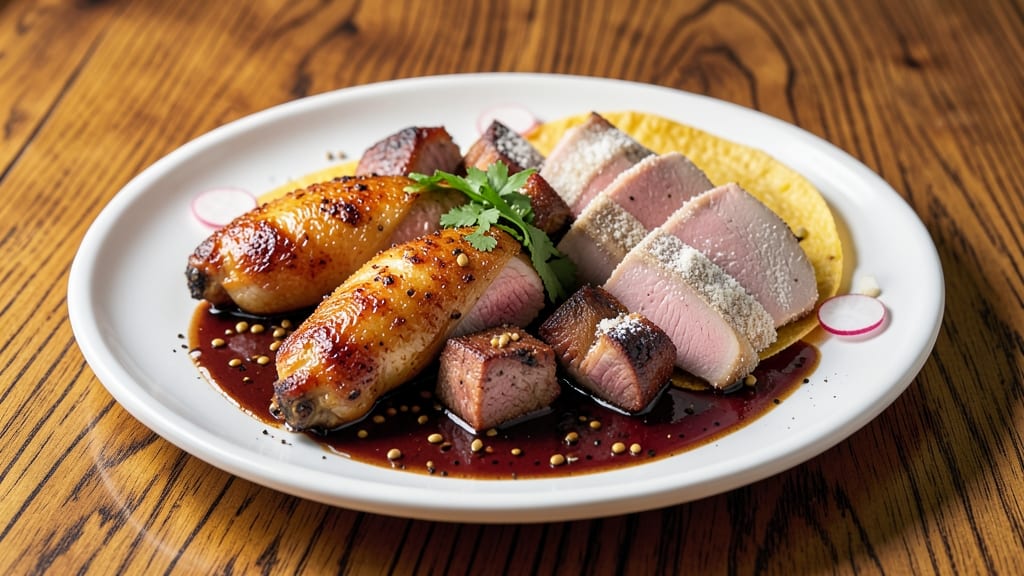
This city chicken recipe with pork and veal transforms humble proteins into a luxurious one-pot masterpiece that tastes like a restaurant-worthy celebration. The secret lies in slow-simmering—where crispy fried edges meet tender, flavorful meat—all while building layers of rich, savory sauce that clings to every bite.
I first discovered this technique while helping my neighbor Mrs. Henderson prepare for her famous Sunday dinners in Cincinnati, where she'd insist "the magic happens in the patience."
What makes this dish truly special is the perfect balance of textures and flavors: the crispy fried exterior from the initial sear, the tender yet firm meat from the slow braise, and that velvety sauce that's just thick enough to coat each forkful.
The combination of pork and veal adds depth and richness that elevates city chicken from simple street food to something worthy of any dinner table. With just a few simple ingredients and one pot, you'll achieve restaurant-quality results that'll have everyone asking for seconds.
The process is straightforward but requires attention to timing—first frying the meat in batches to ensure crispiness, then transferring it to a pot where it'll simmer in a fragrant blend of spices, garlic, and tomatoes until falling-apart tender.
The sauce reduces beautifully, creating a glossy finish that makes every bite irresistible. This is comfort food at its finest: hearty, satisfying, and packed with flavor that lingers long after the last bite.
Serve with crusty bread to soak up every last drop of that delicious sauce, or pair it with a simple green salad to balance the richness. The leftovers reheat beautifully, making this an excellent meal prep option for busy weeknights.
Let's get started on creating this showstopping dish that'll impress even the most discerning diners.
Ingredients for city chicken recipe with pork and veal
Six ingredients transform simple proteins into luxurious one-pot richness.
| Ingredient | Amount | Notes |
|---|---|---|
| Chicken Thighs (bone-in, skin-on) 🍗 | 1 ½ lb | Cut into 2-inch pieces |
| Pork Shoulder 🐖 | 1 lb | Cut into 1-inch cubes |
| Veal Cutlets 🥩 | 12 oz | Pounded to even thickness |
| All-Purpose Flour 🌾 | 1 cup | For dredging meat |
| Vegetable Oil 🫒 | 3 cups | For frying (high smoke point) |
| Garlic Cloves 🧄 | 8 cloves | Minced for sauce |
| Yellow Onion 🧅 | 1 whole | Diced, medium size |
| Tomato Paste 🍅 | ½ cup | For rich base |
| Dry Red Wine 🍷 | 1 cup | Bold variety like Cabernet |
| Chicken Broth 💧 | 2 cups | Low-sodium preferred |
| Ground Black Pepper 🌶️ | 1 tbsp | Freshly cracked |
| Ground Cumin 🌿 | 1 tsp | Toasted for depth |
| Ground Coriander 🌿 | ½ tsp | Freshly ground |
| Bay Leaves 🍃 | 2 whole | For aromatic depth |
| Salt 🧂 | 1 ½ tbsp | Kosher or sea salt |
| Fresh Thyme Leaves 🌿 | ¼ cup | Chopped, or 1 tsp dried |
The meat selection is critical here—bone-in, skin-on chicken thighs develop the best crispy edges during frying, while pork shoulder adds deep, savory richness. For the veal, look for center-cut cutlets at specialty butchers like Whole Foods or D'Agostino—they stay tender during the long simmer. If you can't find veal, pork tenderloin works as a substitute, but it'll be slightly leaner. Mrs. Henderson always swore by local Cincinnati butchers for her meat, insisting freshness made all the difference. For the flour, King Arthur all-purpose is my go-to—it creates a light, crispy crust without overpowering the meat's flavor.
No red wine? Substitute with beef broth and a splash of balsamic vinegar—it mimics the acidity and depth. Fresh thyme is ideal, but dried works at one-third the amount if you're in a pinch. The tomato paste can be swapped for crushed tomatoes (use 1 cup instead), though it'll be slightly less concentrated. For the broth, low-sodium options are key—you'll be adding salt later. The spices are non-negotiable: toast the cumin seeds in a dry pan for 30 seconds before grinding for maximum aroma. If you can't find fresh coriander, cilantro seeds work in a pinch, though the flavor will differ slightly. The bay leaves might seem minor, but they're essential for that subtle earthy note that elevates the dish.
This dish tastes even better the next day as flavors meld. Store leftovers in an airtight container in the fridge for up to 4 days, or freeze for 3 months in portion-sized containers. The sauce thickens as it cools, so add a splash of broth when reheating. For meal prep, double the recipe and freeze half—perfect for busy weeknights. The crispy fried edges soften slightly when reheated, but the sauce remains rich and flavorful. Always bring the sauce to a gentle simmer before serving to restore its glossy texture.
Why You'll Love This Recipe
- No-Fuss Frying: The bone-in thighs and pork shoulder practically cook themselves in hot oil—just a quick dredge in flour, then let the magic happen. I swear, the skin crisps up golden in under 10 minutes with almost no hands-on time.
- Triple-Meat Magic: That combo of chicken, pork, and veal? It’s like a flavor party where everything plays nice. The pork stays juicy while the veal adds a tender, almost buttery bite—no fancy tricks, just pure satisfaction.
- Leftovers That Don’t Suck: Honestly, this recipe makes better second-day meals. The crispy bits soften just enough to soak up sauce, and the meats hold up perfectly for sandwiches or fried rice. (Yes, even on a Tuesday night.)
- Budget-Friendly Feast: You’re getting three different proteins for the price of one fancy cut. Pork shoulder stretches, veal cutlets feel special, and chicken thighs won’t break the bank—plus, the flour and oil are pantry staples. My wallet thanks me.
Step-by-step instructions for city chicken with pork and veal
This rich, slow-simmered dish transforms humble cuts into tender, flavorful bites—here's how to execute it flawlessly.
Prep and Dredge the Meats
Pat the 1.5 lb chicken thighs and 1 lb pork shoulder completely dry with paper towels. Cut the chicken into 2-inch pieces and the pork into 1-inch cubes. Season each piece generously with 1.5 tbsp salt, 1 tbsp ground black pepper, 1 tsp ground cumin, and 0.5 tsp ground coriander. Let them sit for 10 minutes while you prepare the veal.
Pound the 12 oz veal cutlets to an even ¼-inch thickness using a meat mallet. Dredge each piece lightly in 1 cup all-purpose flour, shaking off any excess. The flour creates a golden crust and helps thicken the sauce later. Keep the dredged cutlets on a plate until ready to fry.
Fry the Veal Cutlets Until Golden
Heat 3 cups vegetable oil in a large skillet over medium-high heat until it reaches 350°F—use a thermometer for accuracy. Fry the veal cutlets in batches for 2-3 minutes per side until golden brown and cooked through to 145°F internally. Transfer to a paper towel-lined plate to drain excess oil.
Don't overcrowd the pan—this lowers the oil temperature and results in greasy cutlets. If the oil smokes excessively, reduce the heat slightly. The cutlets should release easily from the pan when ready to flip. Keep them warm while you prepare the remaining components.
Build the Flavor Base in the Same Skillet
Reduce the heat to medium and add 1 whole yellow onion (diced) and 8 cloves garlic cloves (minced) to the same skillet. Sauté for 5-6 minutes until the onions are soft and translucent and the garlic is fragrant. Stir occasionally to prevent burning.
Add 0.5 cup tomato paste and cook for 2 minutes, stirring constantly. This step develops the rich, deep flavor that defines city chicken. The paste should darken slightly and blend seamlessly with the aromatics—this is your flavor foundation.
Deglaze and Simmer the Sauce
Pour in 1 cup dry red wine and scrape up any browned bits from the bottom of the pan with a wooden spoon. Let the wine simmer for 3-4 minutes until reduced by half. Add 2 cups chicken broth, 2 whole bay leaves, and 0.25 cup fresh thyme leaves, then bring to a gentle boil.
Return the veal cutlets to the skillet, along with the seasoned chicken and pork. Reduce heat to low and cover partially. Simmer for 1 hour to 1 hour 15 minutes, stirring occasionally, until all meats are fork-tender and the sauce has thickened to a rich consistency. The pork should pull apart easily, and the chicken should shred with minimal resistance.
Finish and Serve
Remove the lid and increase heat to medium-high to reduce the sauce for 5-7 minutes until it coats the back of a spoon. Taste and adjust seasoning with additional salt or pepper if needed. The sauce should be rich, slightly tangy from the wine, and well-balanced with herbal notes from the thyme and bay leaves.
Serve immediately over steamed rice or crusty bread to soak up every last bit of that luxurious sauce. Each bite should deliver tender, flavorful meat with a deeply aromatic sauce that's both comforting and sophisticated—exactly what makes city chicken a standout dish.
Pro Tips For Making City Chicken Recipe With Pork And Veal
- VELVET THE VEAL: Cut the veal cutlets thin—about ¼-inch thick—before dredging in flour. Thicker slices won’t cook evenly and end up chewy, while thin ones crisp perfectly and soak up the sauce like a sponge. I learned this the hard way after serving rubbery veal to a skeptical in-law.
- SALT THE PORK FIRST: Season the pork shoulder generously with salt and let it sit uncovered in the fridge for at least 2 hours (or overnight if you’re planning ahead). This ensures the meat stays juicy and develops a deep flavor—no one wants bland pork in a rich sauce.
- DON’T CROWD THE PAN: Fry the chicken thighs and pork in batches, even if it takes longer. Overloading the pan drops the temperature, leading to greasy, uneven cooking. A hot pan with space = crispy skin and golden brown edges every time.
- REST THE MEAT UNDER FOIL: After browning, tent the proteins loosely with foil and let them rest for 5–10 minutes before adding liquid. This keeps them from falling apart when the sauce comes in—trust me, you don’t want shredded chicken in a city chicken dish.
Storing and reheating this recipe
Refrigerator Storage
Let your city chicken cool to room temperature (about 30 minutes) before transferring to airtight containers—I swear by Glasslock containers from Portland's New Seasons Market. Store in the fridge for up to 4 days, but trust me, the flavors deepen overnight like a fine wine.
The sauce thickens slightly when chilled, so add 2-3 tablespoons of broth when reheating. 💫
Freezer Magic
This dish freezes beautifully for up to 3 months if stored properly. Portion into quart-sized freezer bags (leave 1-inch headspace for expansion) and flatten to save space. When reheating, thaw overnight in the fridge and simmer gently on the stovetop.
The crispy edges soften slightly, but the sauce remains rich and flavorful—perfect for lazy weeknights. I keep a batch in my freezer for those nights when I'm too tired to cook. ❄️
Stovetop Reheating
My preferred method is stovetop reheating—it preserves the best texture. Add the chilled city chicken to a pot with ¼ cup broth or water, cover, and heat over medium-low heat for 10-12 minutes.
Stir occasionally to distribute the sauce evenly. If the sauce looks too thick, add another splash of liquid. The gentle heat prevents the meat from drying out while restoring that glossy sauce consistency. 🔥
Microwave Shortcut
For quick reheating, use the microwave in 1-minute intervals on 50% power. Cover with a damp paper towel to retain moisture. Stir after each interval and add 1 tablespoon broth if needed.
This method works best for single servings—just be prepared to give it a good stir before serving. It's not as perfect as stovetop, but it's a lifesaver when you're in a hurry. 💡
Sauce Restoration
The sauce often thickens when reheating, so always taste and adjust before serving. A quick fix is to add 1 teaspoon of cornstarch mixed with 1 tablespoon water and simmer for 1-2 minutes until it reaches your desired consistency.
The secret is patience—let the sauce come to a gentle simmer before serving to restore its velvety texture. This is where the magic happens, transforming leftovers into something just as delicious as the original. 🌟
Nutrition facts
Frequently asked questions
Can I substitute chicken with another protein?
While chicken is traditional, you can swap it for duck legs (add 10 minutes to cooking time) or turkey thighs (use bone-in, skin-on for best texture). The pork and veal provide enough richness, so avoid lean proteins like breast meat—they'll dry out during the long simmer. If using duck, increase the red wine to 1.5 cups to balance the fat content.
How do I adjust this recipe for a slow cooker?
Brown the meats first in a skillet, then transfer everything to your slow cooker. Use low heat for 6-7 hours or high heat for 4 hours. The sauce will be thinner, so reduce it on the stovetop for 10 minutes before serving. Add 1 tablespoon cornstarch mixed with water if you prefer a thicker consistency.
What's the best way to make this dish extra crispy?
For maximum crispiness, double-fry the veal cutlets: fry once at 350°F until golden, drain, then fry again at 375°F for 1 minute before adding to the sauce. For the chicken, sear it in the same skillet after frying the veal to maximize flavor transfer. The pork won't get crispy but adds incredible depth to the sauce.
Can I make this vegetarian?
Not traditionally, but you can create a plant-based version using mushroom stems (for meaty texture), tofu (extra-firm, pressed), and tempeh. Replace the meats with 1 lb each, marinate in the same spices, and fry until golden. The sauce will be richer without animal fat—add 2 tablespoons olive oil at the end for depth. Expect a different texture but excellent flavor!
Why did my sauce turn out too thin?
This usually happens from one of three issues: not reducing the sauce long enough, using too much broth, or not enough flour from dredging the meats. For next time, reduce the sauce uncovered for 10-15 minutes at the end, or make a slurry with 1 tbsp cornstarch + 2 tbsp cold water and stir it in. The flour from dredging should thicken the sauce naturally—if you skipped this step, that's your culprit!