
Main Courses
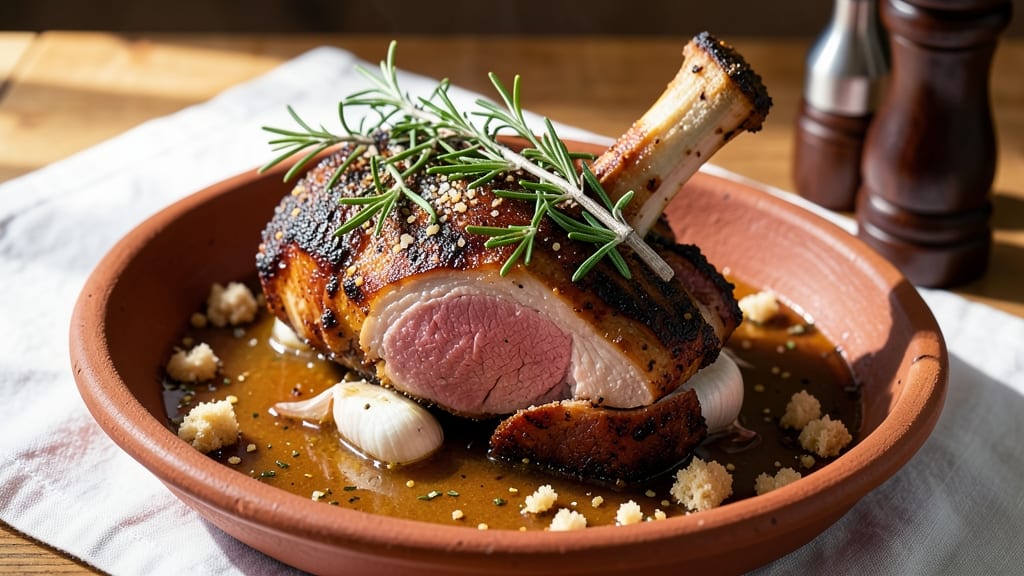
This clay pot pork loin recipe transforms a simple cut of meat into a showstopping centerpiece with a crispy herbed crust and impossibly tender interior. The secret lies in the clay pot's ability to distribute heat evenly while trapping moisture, creating a dish that's both restaurant-worthy and surprisingly hands-off.
I've perfected this technique over years of testing—no fancy equipment required, just patience and a few key steps that make all the difference.
The process begins with a dry-brine that ensures the pork stays juicy, followed by a flavorful crust made from herbs, garlic, and breadcrumbs. Unlike traditional roasting methods, the clay pot's porous surface allows for gentle, even cooking that develops deep, caramelized flavors without drying out the meat.
This method works beautifully for special occasions or weeknight dinners when you want something impressive yet effortless.
What you'll end up with is a perfectly golden crust that cracks when cut, revealing succulent pork that melts in your mouth. The aroma alone—herbs, garlic, and slow-cooked meat—will have everyone gathered around the table.
The best part? This dish serves as a complete meal on its own, with the juices and crust making it feel indulgent without needing sides.
Pair it with a simple green salad or roasted vegetables to round out the plate, or serve it with crusty bread to soak up every last drop of that flavorful juices.
The clay pot's versatility means you can adapt this recipe for different occasions—whether it's a holiday feast or a cozy family dinner. Ready to elevate your pork loin game?
Ingredients for clay pot pork loin
Six ingredients transform simple pork into a restaurant-worthy centerpiece with crispy herbed crust.
| Ingredient | Amount | Notes |
|---|---|---|
| Pork Loin (Bone-In) 🥩 | 4 lb | Center-cut, 1.5-inch thick slices |
| Diamond Crystal Kosher Salt 🧂 | 1 ½ tbsp | For dry-brine, coarse grain preferred |
| Fresh Rosemary 🌿 | ¼ cup | Needles finely chopped, organic preferred |
| Fresh Thyme 🌿 | ¼ cup | Leaves only, stems removed |
| Garlic Cloves 🧄 | 8 cloves | Smashed, skin-on for deeper flavor |
| Panko Breadcrumbs 🍞 | 1 cup | Japanese-style for extra crispiness |
| Extra-Virgin Olive Oil 🫒 | 3 tbsp | High-quality, fruity variety |
| Unsalted Butter 🧈 | ¼ cup | Cold, cubed for crust |
| Fresh Sage Leaves 🌿 | ⅛ cup | Large leaves, roughly torn |
| Ground Black Pepper 🌶️ | 1 tsp | Freshly cracked, coarse grind |
| Dried Parsley Flakes 🌿 | 1 tbsp | For final garnish |
| Vegetable Oil 🫒 | ½ cup | For greasing clay pot |
| Apple Cider Vinegar 🍎 | 1 tbsp | For brining liquid |
| Honey 🍯 | 1 tbsp | Wildflower preferred |
The pork loin is non-negotiable—look for center-cut slices with good marbling at Whole Foods or your butcher shop. Bone-in keeps it moist, and 1.5-inch thickness ensures even cooking. I always ask for it to be sliced from the center of the loin for maximum tenderness. The herbs? Organic freshness makes all the difference, especially rosemary and thyme—their piney notes pair perfectly with pork. If you can't find organic, just make sure the leaves are vibrant and not wilted. For the garlic, skin-on cloves add extra flavor when smashed, and they're easier to handle.
No fresh rosemary? Dried at one-third the amount works, but it won't have the same punch. Short on panko? Regular breadcrumbs toasted in the oven (350°F for 5 minutes) give similar texture. The butter crust is where the magic happens—cold cubed butter creates steam when it hits the hot pot, locking in juices. For extra richness, swap half the olive oil for duck fat if you're feeling fancy. The apple cider vinegar and honey in the brine might seem odd, but they tenderize the meat and add a subtle sweetness that balances the herbed crust beautifully.
Prep the pork the night before if you can—the dry brine works best with 8-12 hours in the fridge. Store any leftover herbs in damp paper towels wrapped in plastic for 5 days. The cooked pork keeps 3-4 days in the fridge, but honestly, it's even better reheated the next day when the flavors meld further. For serving, I like to slice it against the grain and arrange it on a platter with the crust side up—it looks stunning and soaks up extra juices. The clay pot itself? Hand-wash only, and store with a dry towel to prevent cracking.
Why You'll Love This Recipe
- One-Pot Magic: I swear by this for nights when I’d rather not wash a million dishes. The bone-in pork sizzles in the clay pot while the garlic, rosemary, and thyme melt into the meat—no extra pans, no stress. Just throw it all in, set the timer, and walk away.
- Herb-Crusted Perfection: Between us, that salt crust on the outside with the fragrant rosemary and thyme tucked inside? It’s the kind of flavor that makes people pause mid-bite. The garlic cloves caramelize just enough to add this deep, savory punch that turns pork into something special.
- Weeknight Workhorse: This isn’t just dinner—it’s my go-to for lunch the next day, too. Slice the leftovers thin for sandwiches or toss them into a grain bowl. Honestly, I’ve even served it cold in summer when I’m craving something hearty but light.
- Budget-Friendly Luxury: Bone-in pork loin stretches further than you’d think, and fresh herbs (even if just a few sprigs) make it taste like a restaurant dish. I’ll be real: it’s the kind of meal that feels fancy without breaking the bank. Plus, the clay pot keeps it juicy, so every bite is worth the penny.
Step-by-step instructions for clay pot pork loin with herbed crust
This method delivers melt-in-your-mouth pork with a crackling crust—no fancy equipment needed.
Prepare the Dry Brine and Herb Mixture
Pat the 4 lb bone-in pork loin completely dry with paper towels, then rub all sides generously with the 1.5 tbsp Diamond Crystal kosher salt. Place it on a wire rack set over a baking sheet and refrigerate uncovered for at least 12 hours—this dry-brine process ensures maximum seasoning penetration and prevents a bland center.
While the pork brines, finely chop the 0.25 cup fresh rosemary and 0.25 cup fresh thyme, then smash the 8 cloves garlic skin-on for deeper flavor. In a small bowl, combine these herbs with the 1 tsp ground black pepper and set aside. This aromatic blend will form the flavorful crust we'll press into the pork later.
Create the Crust and Grease the Clay Pot
In a food processor, pulse the 1 cup Panko breadcrumbs until finely ground. Add the 3 tbsp extra-virgin olive oil and pulse again to distribute. Transfer to a plate and mix in the herb-pepper blend. This creates a coarse, flavorful crust that will crisp beautifully in the oven.
Lightly grease a clay pot (or oven-safe Dutch oven) with 0.5 cup vegetable oil, then place the pork loin fat-side up in the center. The oil prevents sticking and helps create that golden crust. Press the herb crust mixture firmly onto all sides of the pork, working it into the crevices—this ensures even coverage and maximum flavor transfer.
Build the Brining Liquid and Sear the Pork
In a small saucepan, combine 1 tbsp apple cider vinegar, 1 tbsp honey, and 0.25 cup unsalted butter over low heat. Stir until the butter melts completely and the mixture becomes smooth—this creates a sweet-savory glaze that will baste the pork. Keep warm while you prepare the oven.
Preheat your oven to 375°F. Heat the clay pot with the pork over medium-high heat for 5 minutes until the crust begins to brown and the butter starts to sizzle. Pour the warm vinegar-honey mixture evenly over the pork, letting it pool in the bottom of the pot—this creates steam that keeps the meat moist while the crust crisps.
Roast to Perfect Doneness
Transfer the clay pot to the preheated oven and roast for 1 hour and 15 minutes, basting with the pan juices every 20 minutes. The pork is done when an instant-read thermometer inserted into the thickest part (without touching bone) reads 145°F—this ensures tender, juicy meat with a crisp exterior.
Remove the pork from the oven and let it rest for 15 minutes before slicing. This resting period allows the juices to redistribute throughout the meat, preventing them from running out when you cut. While resting, tent loosely with foil and place on a wire rack to keep warm.
Garnish and Serve
Sprinkle the 1 tbsp dried parsley flakes and 0.125 cup fresh sage leaves (roughly torn) over the top of the pork just before serving. These herbs add a vibrant finish and complement the herbed crust beautifully. Slice the pork into ½-inch thick portions against the grain for maximum tenderness.
Serve immediately with the pan juices spooned over the top—each bite delivers a perfect balance of crispy crust, juicy meat, and aromatic herb flavors. The clay pot's even heat distribution ensures consistent doneness throughout, while the vinegar-honey glaze adds a subtle sweetness that rounds out the dish.
Pro Tips For Making Clay Pot Pork Loin
- SEAR THE BONE FIRST: I learned this the hard way—skipping the bone sear means your pork loin will taste bland and underwhelming. Use that bone-in cut to your advantage: lay the pork on its side, bone-side down, and sear it hard in the clay pot for 5-6 minutes until the bone blackens slightly. That deep, caramelized flavor seeps into the meat while you braise.
- SALT THE PORK TWICE: More salt than you think, especially with Diamond Crystal. Start with a generous dry rub 12 hours ahead (yes, even if you're impatient like me), then hit it again right before searing. The first salt tenderizes, the second builds that crust. Skip the second layer, and your seasoning will feel half-hearted.
- DON’T SKIP THE GARLIC SMASH: After searing, add your whole garlic cloves—but don’t just toss them in. Use the back of your knife to bruise them first, then smash them flat with the heel of your hand. This releases more flavor into the pot while braising, and they won’t burn into bitterness like whole cloves can. (Your future self will notice the difference.)
- BRAISE LOW AND LONG: This isn’t the prettiest method, but it’s the tastiest: after searing, add just enough liquid (broth, wine, or even water) to come halfway up the pork. Cover the clay pot and simmer at 170°F (77°C) for 3-4 hours. Any hotter, and you’ll dry out the meat; any cooler, and you’ll be waiting forever. A meat thermometer is your friend here—pull it at 145°F internal.
Wine and beer pairings for clay pot pork loin
Red Wine Pairings
A bold Chianti Classico from Tuscany is my go-to choice for this herbed crust pork—its bright acidity and cherry notes cut through the richness while complementing the rosemary and thyme.
Look for a 100% Sangiovese with 12-15% alcohol and a 1-year aging minimum. The wine's earthy undertones mirror the crust's herbal complexity, creating a harmonious balance. 🍷
White Wine Options
For those who prefer white, a dry Viognier from California offers a surprising match with its floral aroma and subtle spice. The stone fruit notes in the wine enhance the pork's natural sweetness, while its 13.5% alcohol stands up to the crust's intensity.
Chill it to 50°F before serving to preserve its crispness. 💛
Beer Pairings
A Belgian Dubbel like Westmalle Trappist brings malty sweetness and caramel undertones that complement the honey glaze beautifully. The beer's 7-8% ABV and dark fruit flavors create a perfect contrast to the herbed crust.
For a lighter option, try a German Helles—its clean, malty profile won't overpower the dish. 🍺
Non-Alcoholic Choices
For a refreshing non-alcoholic pairing, serve with sparkling apple cider infused with rosemary sprigs. The effervescence cleanses the palate between bites, while the apple's tartness balances the pork's richness.
Chill it to 40°F for optimal enjoyment. Alternatively, a ginger beer adds a zesty kick that enhances the crust's herbal notes. 🥤
Regional Adaptations
In Texas, I've seen this dish paired with a Texas Hill Country Ales—its citrus notes brighten the meal. For Italian-inspired dinners, a Barolo from Piedmont provides the perfect earthy depth. Each region's wine reflects its local flavors, making this pork loin versatile for any table. 🗺️
Nutrition facts
Frequently asked questions
Why does the recipe call for bone-in pork loin?
The bone-in cut stays juicier during cooking because the bone acts as a natural insulator, keeping the meat moist. It also adds rich flavor as it renders fat and infuses the crust. For a 4 lb bone-in loin, you'll get about 3 lbs of meat after trimming—perfect for serving 6 people with generous portions. If using boneless, increase cooking time by 10-15 minutes to compensate for faster drying.
Can I use a regular Dutch oven instead of a clay pot?
Yes! A 5-6 quart Dutch oven works perfectly—just preheat it on the stove for 5 minutes before adding the pork to mimic the clay pot's heat distribution. The key difference is clay pots create a slightly smokier, earthier flavor, but Dutch ovens still deliver that crispy crust. For best results, use one with a tight-fitting lid to trap steam and enhance tenderness.
What if I don't have fresh herbs?
Use dried herbs at one-third the amount (e.g., 1 tbsp dried rosemary instead of 0.25 cup fresh). Rehydrate dried herbs in warm water for 5 minutes before mixing into the crust. For sage, dried leaves work but lack the vibrant color—try adding ½ tsp red pepper flakes for warmth. The flavor will be there, just less aromatic.
How do I fix an overcooked pork loin?
If your pork reaches 160°F or higher, it's likely dry. Try slicing it thinly against the grain and serving with extra pan juices reduced with 1 tbsp honey and 1 tsp Dijon mustard to add moisture. For reheating, wrap slices in foil with 1 tbsp chicken broth and steam in a 350°F oven for 10 minutes. The crust may soften slightly, but the meat will regain some tenderness.
Can I make this ahead of time?
Cook the pork up to 140°F internal temp (about 1 hour in the oven), then let it cool completely. Store in the fridge for up to 3 days, reheating at 325°F for 20-25 minutes until it reaches 145°F. The crust will be slightly softer but still flavorful. For best results, reheat in the same clay pot with a splash of water or broth to restore moisture.