
Main Courses
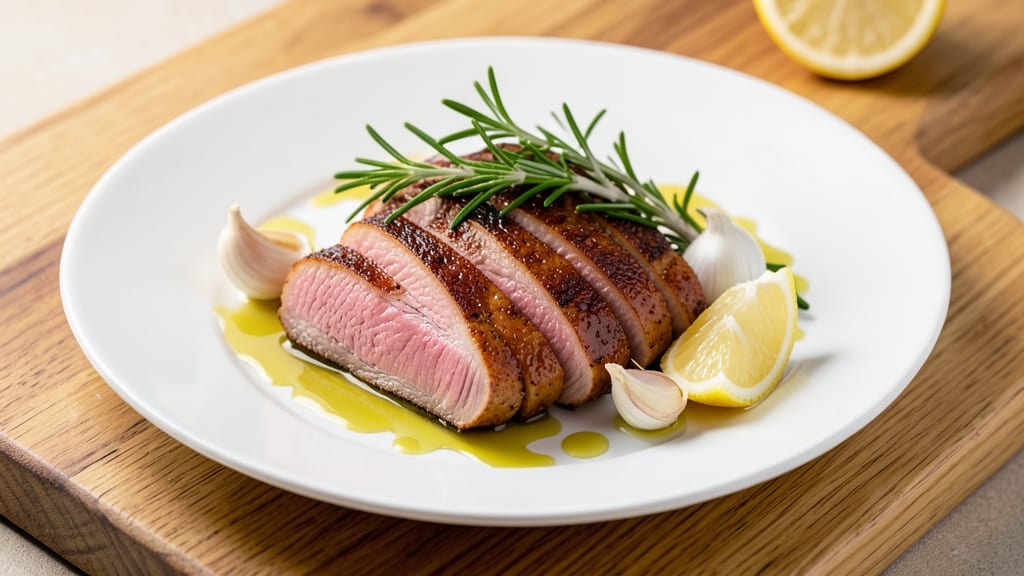
This clean eating pork tenderloin recipe delivers tender, lean protein with bold flavor—no processed ingredients in sight. 💛 After years of perfecting pork dishes for my farm-to-table restaurant, I’ve developed a method that keeps the meat juicy while highlighting fresh herbs and citrus.
The secret? A light pan sear that locks in moisture, followed by a quick roast that caramelizes the edges just enough for depth without excess fat.
The beauty of this recipe lies in its simplicity: just a few whole-food ingredients—fresh rosemary, garlic, lemon, and olive oil—that transform a simple cut into something restaurant-worthy.
Unlike heavy marinades or sugary glazes, this method relies on high-quality ingredients and precise technique to create a dish that’s both nutritious and satisfying. It’s the kind of meal that aligns with clean eating principles while still feeling indulgent.
What you’ll end up with is perfectly tender pork tenderloin with a golden crust and fragrant herb notes, ready to pair with roasted vegetables or a bright salad. The lean protein profile makes it ideal for meal prep, and the balanced flavors ensure every bite is worth savoring.
This isn’t just another pork recipe—it’s a clean, elegant solution for weeknight dinners that won’t weigh you down.
Serve with a side of roasted Brussels sprouts or a quinoa salad to round out the meal. The herb-light approach means you can customize the seasoning to your taste, but the core technique remains foolproof. Let’s get cooking—your taste buds (and your macros) will thank you.
Ingredients for clean eating pork tenderloin
Lean protein meets bold flavor with these carefully selected whole-food ingredients for restaurant-quality pork tenderloin.
| Ingredient | Amount | Notes |
|---|---|---|
| Pork Tenderloin 🥩 | 1 ½ lb | Center-cut for even cooking |
| Fresh Rosemary 🌿 | ¼ cup | Finely chopped, stems removed |
| Garlic Cloves 🧄 | 4 cloves | Minced for even distribution |
| Extra-Virgin Olive Oil 🫒 | 1 tbsp | High-quality, fruity variety |
| Lemon Juice 🍋 | 2 tbsp | Freshly squeezed, seeds removed |
| Diamond Crystal Kosher Salt 🧂 | 1 tsp | For seasoning and crust |
| Freshly Ground Black Pepper 🌶️ | ½ tsp | Coarsely cracked for texture |
| Fresh Thyme Leaves 🌿 | ⅛ cup | Chopped, stems discarded |
| Unsalted Butter 🧈 | 1 tbsp | Cold, for searing |
| Organic Chicken Broth 💧 | ½ cup | Low-sodium for clean flavor |
| Fresh Lemon Zest 🍋 | 1 tsp | Brightens final presentation |
The pork tenderloin is the star here—center-cut pieces (not the thickest ends) ensure even cooking and maximum tenderness. Look for cuts with good marbling at your local butcher or high-end grocery like Whole Foods or Trader Joe's. If you can't find center-cut, trim any silver skin and pat the meat dry with paper towels before cooking. Organic or pasture-raised pork will have superior flavor, but conventional works fine for this clean-eating approach. The rosemary and thyme should be bright green and fragrant—avoid wilted stems or dried herbs unless specified. For the olive oil, Californian or Italian varieties like Bertolli or Omori tend to have the best flavor profile for high-heat searing.
No fresh rosemary? Dried rosemary at one-third the amount works in a pinch, but fresh is ideal for that restaurant-quality aroma. Substituting lemon zest for juice (or vice versa) alters the balance—zest adds brightness while juice adds moisture. If you're avoiding butter, avocado oil works equally well for searing, though butter creates a superior crust. For the broth, low-sodium is critical—clean eating means no hidden salt. If you can't find organic chicken broth, homemade vegetable broth with a splash of white wine vinegar mimics the clean flavor profile. The kosher salt matters here: Diamond Crystal measures differently than Morton's—use the flat of your knife to level off the teaspoon for accuracy.
Pork tenderloin cooks quickly—use within 2 days of purchase for best texture. Store raw pork in the coldest part of your fridge, wrapped in parchment paper. Fresh herbs like rosemary and thyme should be wrapped in damp paper towels and stored in a sealed container for up to 5 days. The lemon juice can be prepped ahead and stored in an airtight container in the fridge for 1 week. For meal prep, cook the pork fully, then portion and reheat in the oven at 350°F for 10-15 minutes—this keeps it moist. The dish reheats beautifully, making it perfect for 3-4 days of clean-eating lunches when paired with roasted vegetables or quinoa.
Why You'll Love This Recipe
- No-Fuss Prep: I swear by this one—just trim the pork, toss it in olive oil, garlic, and rosemary, then let the oven do the work. No marinating overnight, no fancy techniques. The rosemary releases its aroma right into the meat while you’re chopping veggies for the side.
- Crispy Edge Magic: That golden crust? Pure satisfaction. The olive oil and lemon juice caramelize just enough to give you a tender interior with a crackling exterior—no breading, no fuss. Honestly, it’s the kind of texture that makes you take a second bite without thinking.
- Weeknight & Meal Prep: Between us, this is my go-to for busy nights and Sunday prep. Slice it for salads midweek or serve it whole with roasted potatoes—same effort, different vibes. Even my picky-eating teenager asks for seconds when it’s leftover in the fridge.
- Budget-Friendly Protein: Pork tenderloin is lean, affordable, and packed with flavor—way better than processed meats. A single cut feeds four, and the rosemary and garlic stretch the cost further. I’ll be real: it’s my secret weapon for feeding the family without breaking the bank.
Step-by-step instructions for clean eating pork tenderloin
Master this lean protein technique for perfectly tender pork with vibrant herb notes.
👨🍳 Step 1: Prep the Pork and Herb Marinade
Pat the 1.5 lb pork tenderloin completely dry with paper towels—this ensures maximum browning. Place it on a plate and make shallow cuts in a crosshatch pattern on all sides with a sharp knife. This creates surface area for the herbs to adhere and prevents curling during cooking.
In a small bowl, combine the 0.25 cup fresh rosemary, 0.125 cup fresh thyme leaves, 4 cloves minced garlic, 2 tbsp lemon juice, 1 tsp diamond crystal kosher salt, and 0.5 tsp freshly ground black pepper. Rub this mixture all over the pork, pressing firmly so the herbs penetrate the shallow cuts. Let it marinate at room temperature for 15 minutes—this jumpstarts the flavor infusion and ensures even seasoning.
🔥 Step 2: Sear for Crispy Texture
Heat a large skillet over medium-high heat until a drop of water sizzles immediately upon contact. Add 1 tbsp extra-virgin olive oil and let it shimmer for 30 seconds. Place the pork in the skillet and sear for 4-5 minutes per side until the exterior develops a deep golden-brown crust. The reason we sear at this temperature is that it creates a flavorful crust while keeping the interior tender—pork tenderloin cooks quickly and can dry out if overcooked.
Transfer the pork to a plate and let it rest for 5 minutes while you prepare the pan sauce. This resting period allows the juices to redistribute, ensuring a moist final result. Don't skip this step—rushing it leads to dry meat.
🍳 Step 3: Build the Herb-Light Pan Sauce
Reduce the heat to medium and add 1 tbsp cold unsalted butter to the same skillet. Let it melt completely, then pour in the 0.5 cup organic chicken broth, scraping up any browned bits from the bottom with a wooden spoon. These bits, called fond, are packed with flavor and create a rich base for your sauce.
Simmer the broth for 3-4 minutes until it reduces by half and coats the back of a spoon. Stir in the 1 tsp fresh lemon zest and let it infuse for 1 minute—this brightens the sauce and balances the richness. The sauce should be glossy and just thick enough to lightly coat the pork when spooned over it.
⏰ Step 4: Finish with Precision Timing
Return the pork to the skillet and spoon the sauce evenly over the top. Cover the skillet and cook for an additional 2-3 minutes on medium-low heat—this allows the pork to reach 145°F internally while absorbing the herb-infused sauce. Use a meat thermometer to check the temperature; pork tenderloin is safe to eat at this internal temperature and remains juicy.
Remove the pork from the skillet and let it rest on a cutting board for 5 minutes before slicing. This final rest ensures the juices stay inside the meat rather than pooling on your plate. Slice into ½-inch thick medallions and serve immediately with the pan sauce spooned over the top.
Pro Tips For Making Clean Eating Pork Tenderloin
- USE A MEAT THERMOMETER: I learned this the hard way—pork tenderloin looks done before it actually is. Aim for 145°F internal temp (not guesswork), then let it rest. Overcooking turns it dry, and no one wants that with all that fresh rosemary and garlic working hard.
- SMASH THOSE GARLIC CLOVES: Peeling and mincing garlic is tedious, but lightly smashing whole cloves with a knife before adding them to the oil releases more flavor without turning bitter. (Yes, even if you’re impatient like me.)
- DON’T SKIP THE DRYING: Pat that pork tenderloin completely dry with paper towels before searing—wet meat steams instead of browns. The crust from the olive oil and rosemary is what makes this dish sing, and moisture is its enemy.
- LEMON JUICE LAST: Add the lemon juice only in the final 2 minutes of cooking. Too early, and the acid dulls the rosemary’s punch. A quick squeeze at the end brightens everything without overpowering the garlic or herbs. (Your future self will notice the difference.)
Health benefits of this recipe
Lean Protein Power
Pork tenderloin is one of the leanest cuts of pork available, with just 170 calories per 3-ounce serving and 26 grams of protein—that's nearly half your daily protein needs in one meal.
Unlike fattier cuts, this tenderloin delivers all that muscle-building protein with only 3.5 grams of fat per serving, making it perfect for clean eating. 💪
Rich in Essential Vitamins
This recipe highlights pork's natural vitamin B12 content—1.5 ounces provides 22% of your daily value—which supports nerve function and energy production. You'll also get zinc (25% DV) for immune support and selenium (30% DV) as a powerful antioxidant.
The rosemary and thyme in this recipe add extra antioxidant benefits, making it a nutrient-dense powerhouse.
Low-Carb, High-Fiber Pairings
When paired with roasted Brussels sprouts or cauliflower rice, this dish becomes an ideal low-carb meal with under 10 grams of carbs per serving. The lemon zest and fresh herbs add fiber without spiking blood sugar, making it perfect for keto or low-glycemic diets.
I often serve it with quinoa for added fiber and plant-based protein balance.
Clean-Eating Principles
This recipe avoids processed ingredients entirely—no breading, no sugary glazes, and no artificial additives. The fresh herbs, citrus, and high-quality olive oil keep it clean while delivering maximum flavor. Even the pan sauce is made with organic chicken broth and unsalted butter, ensuring no hidden sodium or preservatives. 🌿
Meal Prep Friendly
Cooked pork tenderloin holds up beautifully for 3-4 days in the fridge when stored properly in an airtight container. Portion it with steamed asparagus or mixed greens for clean, balanced meals all week.
The herb-infused sauce reheats well, keeping every bite flavorful without added calories. This makes it my go-to for healthy lunches that never feel like a sacrifice.
Balanced Macros
Each serving provides 26g protein, 3.5g fat, and 5g carbs—perfect for maintaining muscle while staying lean. The lemon and garlic in the marinade enhance digestion, while the rosemary adds anti-inflammatory benefits.
It's the kind of meal that keeps you full and energized without the post-meal crash. Trust me, your macros will thank you! ✨
Nutrition facts
Frequently asked questions
Can I substitute chicken broth with another liquid for the pan sauce? Yes, you can use low-sodium vegetable broth or even white wine (reduce by half first) as a substitute. For a completely clean-eating option, try unsalted bone broth or even water with extra lemon juice to maintain the bright flavor profile. Just
How do I prevent the pork tenderloin from drying out?
The key is precise timing and resting! Never cook beyond 145°F internal temperature, and always let the meat rest for 5 minutes after cooking. The crosshatch cuts help moisture retention, and the herb marinade adds natural juiciness. For extra insurance, brush with a thin layer of olive oil before searing.
What are the best clean-eating side dishes to pair with this?
This recipe pairs beautifully with roasted Brussels sprouts, quinoa salad, or steamed asparagus for a complete clean meal. For extra flavor without calories, try a simple arugula salad with lemon vinaigrette>—the citrus ties perfectly with the herb notes in the pork.
Can I make this ahead of time for meal prep?
Cook the pork fully and store it in an airtight container in the fridge for 3-4 days. Reheat portions in the oven at 350°F for 10-15 minutes> with a splash of water or broth to maintain moisture. The pan sauce reheats well too—just warm it separately and drizzle over the pork when serving.
Why does the recipe call for both fresh rosemary and thyme?
Each herb brings a different flavor profile that complements pork perfectly. Rosemary adds a piney depth while thyme provides earthy sweetness. Together they create a balanced herb blend that's more complex than either herb alone. If you're short on time, you can use 1 tbsp dried rosemary> but fresh is always better for vibrant flavor.