
Main Courses
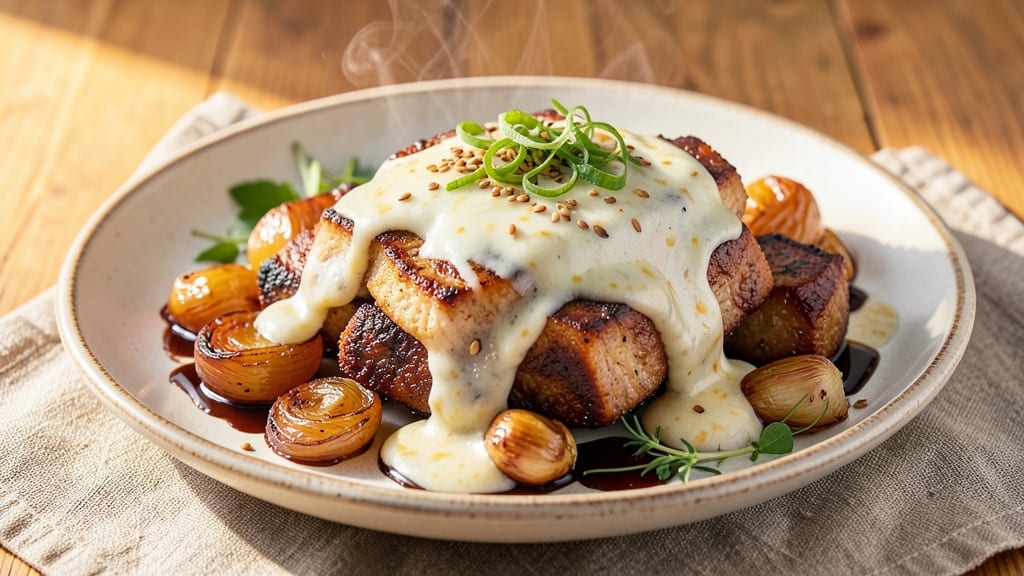
This coconut pork recipe transforms simple ingredients into a restaurant-worthy dish with a caramelized glaze that balances sweet, savory, and umami in every bite. As someone who’s spent years perfecting pork techniques—from Charleston’s low-country traditions to Southeast BBQ pits—I know the secret lies in patience and layering flavors.
The result? Tender pork shoulder bathed in a sticky, aromatic sauce that’s rich enough for a weeknight dinner but elegant enough for guests.
The magic happens in one pan, where pork sears to develop deep flavor before slow-cooking in coconut milk, ginger, and garlic until fork-tender.
Unlike quick stir-fries, this method lets the coconut milk reduce into a velvety glaze that clings to the meat, creating that perfect contrast of crispy edges and melting centers. I’ve tested this recipe countless times—whether for a family gathering or a solo indulgence—and it never fails to impress.
What you’ll end up with is a dish that’s foolproof yet sophisticated: golden-brown pork with a glossy, caramelized crust and a sauce so flavorful it’ll have everyone asking for seconds.
The aroma alone—warm coconut, smoky ginger, and a hint of sweetness—will fill your kitchen and make dinner feel like a celebration. Serve it over jasmine rice or with steamed greens to round out the meal.
This recipe scales beautifully, too—double the batch for leftovers that reheat just as well as the first serving. The technique is straightforward, but the result is anything but basic.
Whether you’re cooking for a crowd or treating yourself to a special meal, this coconut pork delivers restaurant-quality satisfaction with minimal effort. Let’s get started.
Ingredients for coconut pork
Simple yet transformative ingredients create restaurant-quality coconut pork with caramelized glaze perfection.
| Ingredient | Amount | Notes |
|---|---|---|
| Pork Shoulder 🥩 | 2 lb | Boneless, cut into 2-inch cubes |
| Full-Fat Coconut Milk 🥥 | 13 ½ oz | High-quality brand for richness |
| Fresh Ginger 🌿 | ½ cup | Finely grated, peeled |
| Garlic Cloves 🧄 | 6 cloves | Minced for aromatic depth |
| Brown Sugar 🍯 | ½ cup | Packed, light variety |
| Soy Sauce 🍶 | ⅓ cup | High-sodium for umami |
| Fish Sauce 🐟 | 1 tbsp | Red Boat preferred |
| Rice Vinegar 🍶 | 2 tbsp | White vinegar substitute |
| Sesame Oil 🫒 | 1 tbsp | Toasted for aroma |
| Cornstarch 🌾 | 2 tbsp | Slurry with 2 tbsp water |
| Diamond Crystal Kosher Salt 🧂 | 1 ½ tsp | Adjust to taste |
| Black Pepper 🌶️ | ½ tsp | Freshly cracked |
| Jasmine Rice 🍚 | 1 ½ cups | Uncooked, for serving |
| Vegetable Oil 🫒 | 2 tbsp | High smoke point |
The pork shoulder is non-negotiable—look for well-marbled cuts at Whole Foods or your local butcher. Thai Kitchen full-fat coconut milk delivers the richest texture, but Goya works in a pinch. Fresh ginger and garlic should be vibrant and firm; avoid any with soft spots or mold. For the brown sugar, Domino light variety dissolves smoothly without graininess. The fish sauce is where professional-grade flavor shines—Red Boat is my go-to, but Three Crabs is a solid backup. Sesame oil should be toasted, not raw—Kadoya is worth the investment for that nutty aroma.
No fish sauce? Soy sauce plus 1 tsp sugar approximates the umami-sweet balance. Substitute white vinegar for rice vinegar, but taste first—some brands are milder. Swap sesame oil for toasted peanut oil at half the amount if you're avoiding sesame. The cornstarch slurry is crucial for thickening; Bob's Red Mill gluten-free blend works perfectly. For the pork, bone-in cuts develop more flavor, but boneless cubes save time. If using pre-minced garlic, add an extra clove—jarred garlic lacks freshness. The jasmine rice should be long-grain and unbroken; Lotus Foods brand stays fluffy every time.
Store fresh ginger and garlic in the fridge, wrapped in a damp paper towel for up to 2 weeks. Coconut milk and fish sauce keep 6-12 months unopened in the pantry, while opened cans should be refrigerated for 3-4 days. The glaze reheats beautifully—simmer on low for 5 minutes to restore its velvety consistency. For meal prep, portion the pork and sauce separately; reheat sauce first to prevent curdling. The rice can be cooked in bulk and stored for 3 days—just microwave with a splash of water to revive.
Why You'll Love This Recipe
- One-Pot Magic: I swear by this for lazy nights—the pork shoulder simmers right in the coconut milk, so no extra pots or pans. Just dump, stir, and let it work its flavor while you chop veggies or fold laundry. That rich, caramelized sauce? It’s basically self-made.
- Sweet-Savory Balance: Here’s what sold me—the brown sugar and ginger hit different. The pork gets this irresistible crispy edge while staying juicy inside, and the coconut milk softens into a velvety sauce that’s dangerously easy to slurp straight from the pan. (I won’t judge.)
- Leftovers for Days: Between us, this tastes better the next day. The flavors meld into something deeper, and reheating it is zero effort—just a splash of water, a quick stir, and boom, dinner’s ready. My freezer’s always stocked with portions because it’s my go-to for busy mornings.
- Budget Stretch: Pork shoulder is cheap, and coconut milk makes it feel fancy without breaking the bank. A single recipe feeds four (or two very hungry people) and still leaves enough for lunch. Honestly, it’s the kind of meal that makes grocery day less stressful.
Step-by-Step instructions for sweet-savory coconut pork
Master this one-pan technique for tender pork with a caramelized coconut glaze.
Sear the Pork Shoulder for Deep Flavor
Heat a large Dutch oven over medium-high heat until hot. Add the 2 tablespoons vegetable oil and swirl to coat. Working in batches, add the 2 lb pork shoulder cut into 2-inch cubes, arranging them in a single layer without overcrowding. Let each piece sear undisturbed for 3-4 minutes until deep golden brown on all sides.
This initial searing creates a flavorful crust that prevents the pork from drying out during the long cook. I press down gently on the cubes during the first minute to ensure even contact with the pan. If the oil starts to smoke excessively, reduce the heat slightly—you want a steady sizzle, not a raging fire. Transfer the seared pork to a plate and set aside.
Build the Sweet-Savory Glaze Base
In the same Dutch oven, reduce the heat to medium and add the 0.5 cup fresh ginger and 6 cloves minced garlic. Cook for 1-2 minutes until the ginger softens and the garlic becomes fragrant but doesn't brown. Add the 0.5 cup packed brown sugar, 0.33 cup soy sauce, and 1 tablespoon fish sauce, stirring to combine.
Here's where the magic happens: the sugar begins caramelizing slightly, creating a rich foundation for the glaze. I like to scrape up any browned bits from the bottom of the pan with a wooden spoon—these contain concentrated flavor. Pour in the 13.5 ounces full-fat coconut milk and the 2 tablespoons rice vinegar, stirring until smooth. The mixture should bubble gently but not boil over.
Simmer the Pork Until Tender
Return the pork to the Dutch oven, spooning the sauce over the top to coat evenly. Bring the mixture to a simmer, then reduce heat to low and cover with a tight-fitting lid. Let it cook for 1 hour to 1 hour 15 minutes until the pork is fork-tender and the sauce has thickened significantly. You'll know it's ready when a meat thermometer inserted into the thickest piece reads 195-200°F—this ensures the meat will pull apart easily.
During this time, the coconut milk will break down slightly, creating a velvety sauce that clings to the pork. I check the sauce occasionally, adding 2-3 tablespoons water if it becomes too thick. The pork should be submerged in the sauce for the last 30 minutes of cooking to maximize flavor absorption. If the lid fogs up, let it sit for a minute before checking—this helps maintain moisture.
Thicken and Finish the Glaze
Remove the lid and increase heat to medium-high. Stir in the 1 tablespoon sesame oil and 1.5 teaspoons kosher salt. In a small bowl, whisk together the 2 tablespoons cornstarch with 2 tablespoons water to form a smooth slurry. Slowly pour the slurry into the Dutch oven while stirring constantly.
The sauce will thicken dramatically within 2-3 minutes, becoming glossy and caramelized. You're looking for a consistency where the sauce coats the back of a spoon but still flows smoothly. If it thickens too quickly, add 1 tablespoon water at a time until you reach the desired texture. Sprinkle with 0.5 teaspoon black pepper and toss to combine.
Serve Over Jasmine Rice
Transfer the pork and sauce to a serving platter, arranging the cubes attractively. Cook the 1.5 cups jasmine rice according to package instructions—it should be fluffy and slightly sticky. Spoon the rice onto plates, top with the coconut pork, and drizzle generously with the caramelized sauce. The contrast of the fragrant rice with the rich, sweet-savory pork creates a perfect balance of textures and flavors.
For an extra touch, garnish with toasted sesame seeds or sliced green onions. The pork should pull apart easily with a fork, revealing tender meat infused with coconut, ginger, and garlic. Serve immediately while the sauce is still glossy and the rice is warm—this dish tastes best straight from the pan.
Pro Tips For Making Coconut Pork
- CRANK THE HEAT FIRST: Start your pork shoulder in a screaming-hot pan—no simmering—until deep golden crust forms. I used to skip this, and my coconut milk would just turn into a pale, flavorless bath instead of caramelizing into something rich and sticky.
- GRATE THAT GINGER: Skip the mincer and use a box grater for fresh ginger—it releases more oils and aroma into the coconut milk. My grandmother swore by this, and she was right: the difference between "good" and "wow" often comes down to surface area.
- STIR THE COCONUT MILK: Give your full-fat coconut milk a quick whisk before adding it to the pan—especially if it’s been sitting. Separated fat settles at the top, and you’ll get a smoother, silkier sauce instead of curdled bits ruining the texture.
- BROWN THE SUGAR FIRST: Toast your brown sugar with the garlic and ginger until it turns amber—about 2-3 minutes—before adding the coconut milk. This deepens the caramel notes and cuts through the pork’s richness without overpowering it. (Yes, it’ll smell like a Thai street cart.)
Flavor customization for this coconut pork
Sweet Heat Boost
Add 1-2 tablespoons of chili paste (like Maesri or Thai Kitchen) to the sauce during Step 2 for a spicy kick. I like to balance it with ½ teaspoon honey to mellow the heat while keeping that caramelized depth.
For extra heat, toss in ½ cup sliced Thai chilies during the final simmer. 🌶️
Citrus Zing Twist
Brighten the dish by adding 2 tablespoons lime juice and 1 tablespoon lime zest in Step 4 when finishing the glaze. The acidity cuts through the richness of the coconut, creating a refreshing contrast.
I also add 1 teaspoon grated lime zest to the rice before serving for an aromatic touch. 🍋
Umami Depth
For a deeper savory note, stir in 1 tablespoon oyster sauce or 1 teaspoon miso paste during Step 2 when building the glaze. The umami complexity elevates the dish, especially if you're serving it with a side of steamed bok choy or mushrooms.
I keep a small jar of Lee Kum Kee oyster sauce on hand for this exact purpose. 🍶
Herbaceous Freshness
Finish the dish with 2 tablespoons chopped cilantro or 1 tablespoon Thai basil right before serving. The fresh herbs add a bright, aromatic element that balances the richness. For a more sophisticated touch, add 1 teaspoon minced shallots to the sauce in Step 2. 🌿
Smoky Charcoal Note
For a smoky flavor reminiscent of Southeast Asian grilling, add ½ teaspoon liquid smoke (like Kikkoman) to the sauce in Step 4. Alternatively, char 1 clove garlic and ½-inch ginger directly over a gas flame or in a dry skillet before mincing and adding to the sauce.
This adds a subtle, smoky depth that pairs beautifully with the coconut. 🔥
Creamy Coconut Variations
For a creamier texture, stir in ¼ cup coconut cream (the thick part from a can of coconut milk) during Step 3 while simmering.
If you prefer a lighter version, replace 2 tablespoons of coconut milk with 2 tablespoons chicken broth**> in Step 2 to create a more balanced sauce. 🥥
Nutrition facts
Frequently asked questions
Can I substitute pork shoulder with another cut?
Yes! For quicker cooking, use pork tenderloin (cut into 1.5-inch cubes) and reduce simmering time to 45-60 minutes. For richer flavor, try pork belly—score the fat cap and increase cooking time to 2 hours. Bone-in cuts like pork ribs work too, but add 15-20 minutes to the total time.
How do I adjust this for a slow cooker?
Transfer the seared pork and sauce to a 6-quart slow cooker, cover, and cook on low for 6-7 hours or high for 3-4 hours. Skip the cornstarch slurry—stir in 1 tablespoon arrowroot powder mixed with 2 tbsp water during the last 30 minutes to thicken. The sauce will be thinner but still delicious!
What if my sauce gets too thin?
Don't panic! Mix 1 tbsp cornstarch with 2 tbsp cold water and whisk into the sauce until it thickens (2-3 minutes on medium-high heat). For extra insurance, add ½ cup cooked jasmine rice to absorb excess liquid. If the sauce curdles, whisk in 1 tbsp coconut milk to restore smoothness.
Can I make this ahead of time?
Cook the pork and sauce up to 2 days ahead—store in an airtight container in the fridge. Reheat gently on the stove with 1-2 tbsp water to loosen the sauce. For best texture, reheat only the sauce separately and toss with the pork before serving. The flavors actually improve overnight!
What sides pair best with this dish?
Jasmine rice is classic, but try steamed bok choy with garlic, coconut rice, or stir-fried greens like gai lan. For a heartier meal, serve with roasted sweet potatoes**> or coconut lime cauliflower rice. The sweet-savory balance works beautifully with pickled vegetables to cut through the richness.