
Main Courses
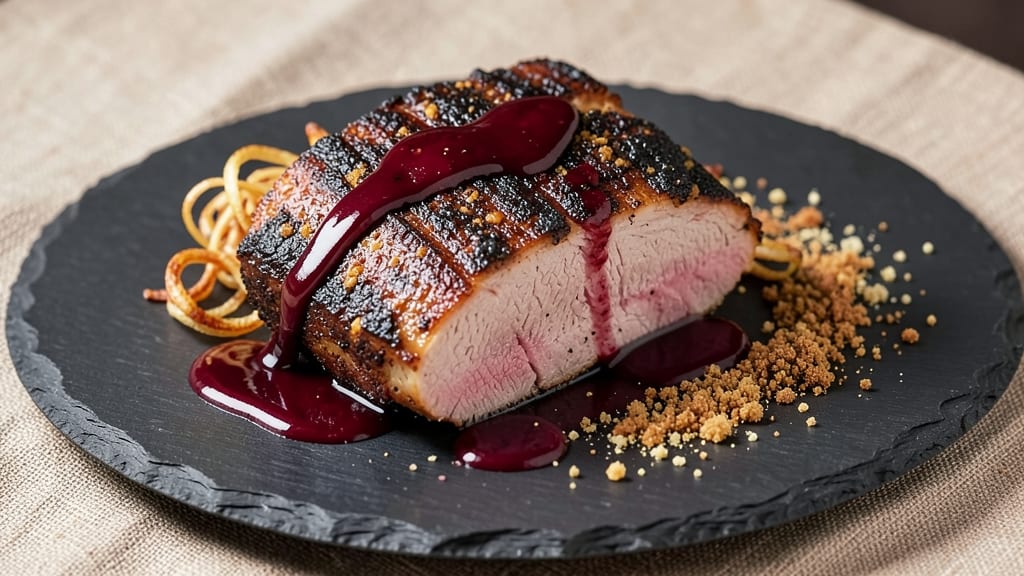
This coffee-crusted pork tenderloin delivers a perfect marriage of tender meat and bold coffee crunch that will redefine your dinner table. 🔥 The technique I developed after years of perfecting pork crusts transforms simple ingredients into a restaurant-worthy centerpiece with minimal effort.
What makes this recipe special is the coffee crust—ground coffee and spices create a caramelized, aromatic crust that pairs beautifully with the juicy pork inside.
The secret lies in the balance: a 30-minute marinade ensures tenderness, while the coffee crust adds depth and texture without overpowering the pork's natural flavor. This method works equally well on the grill, in the oven, or even cast iron—giving you flexibility for any cooking setup.
The crust isn't just flavorful; it's also crispy and satisfying, making every bite worth the effort.
By the time you plate this dish, you'll have perfectly seared pork with a golden coffee crust that holds its shape and delivers that addictive crunch. The internal temperature of 145°F ensures juicy meat, while the resting period locks in all those flavors.
This isn't just pork—it's an experience that combines comfort food with unexpected sophistication.
Pair it with roasted root vegetables or a tangy apple slaw to complete the meal. The coffee notes in the crust make this dish especially impressive for dinner guests, proving that pork can be both approachable and extraordinary. Let's get cooking—your taste buds won't know what hit them.
Ingredients for coffee crusted pork tenderloin
The secret to this restaurant-worthy pork lies in these bold, aromatic ingredients that marry tender meat with addictive coffee crunch.
| Ingredient | Amount | Notes |
|---|---|---|
| Pork Tenderloin 🥩 | 1 ½ lb | Center-cut, trimmed of fat |
| Freshly Ground Coffee ☕ | ½ cup | Medium or dark roast, finely ground |
| All-Purpose Flour 🌾 | ¼ cup | For crust binding |
| Brown Sugar 🍯 | 2 tbsp | Light or dark preferred |
| Granulated Garlic 🧄 | 1 tbsp | For crust depth |
| Onion Powder 🧅 | 1 tbsp | For aromatic balance |
| Smoked Paprika 🌶️ | 1 tsp | For smoky richness |
| Ground Black Pepper 🌶️ | ½ tsp | Freshly cracked preferred |
| Kosher Salt 🧂 | 1 ½ tsp | Diamond Crystal preferred |
| Olive Oil 🫒 | 2 tbsp | Extra-virgin for searing |
| Butter 🧈 | 2 tbsp | Unsalted, softened |
| Fresh Lemon Juice 🍋 | 1 tbsp | For brightness |
| Fresh Rosemary 🌿 | 1 tbsp | Chopped, for marinade |
| Fresh Thyme 🌿 | 1 tbsp | Chopped, for marinade |
The pork tenderloin is non-negotiable here—center-cut, uniform pieces ensure even cooking. Grab one from Whole Foods or your local butcher; they'll trim it perfectly. For the coffee, Starbucks dark roast or any finely ground medium/dark blend works best—coarse grounds won't stick. The crust trio of flour, brown sugar, and spices is where the magic happens. Bob's Red Mill flour has the perfect texture, and McCormick granulated garlic adds consistent depth. Pro tip: Toast your spices for 30 seconds in a dry pan to wake up their flavors before mixing.
No freshly ground coffee? Instant espresso powder at half the amount works in a pinch, but the texture won't be identical. Short on rosemary? Thyme alone works—just double the amount. The crust can handle substitutions, but the coffee is the star: decaf works too, though it'll lack depth. For the marinade, Trader Joe's lemon juice is my go-to—bright and consistent. Want extra crunch? Add 1 tbsp crushed cornflakes to the crust mix. The butter matters too—Plugrá unsalted has the perfect melt. If you're grilling, use all-purpose charcoal for even heat distribution.
Marinate the pork for 30 minutes max—longer can make it mushy. The crust keeps best at room temp for 20 minutes before cooking; don't rush this. Leftover crust? Store in an airtight container for 3 days—great for breading other proteins. The pork reheats beautifully in a 350°F oven for 10 minutes, wrapped in foil with a splash of broth. For make-ahead meals, freeze the uncooked pork with crust for up to 2 months—thaw overnight in the fridge before cooking.
Why You'll Love This Recipe
- Pantry Magic: I swear by this trick—no specialty ingredients, just what’s already lurking in your cupboard. That coffee crust? It’s the secret weapon turning basic flour into something ridiculously addictive with zero effort.
- Crispy-Creamy Magic: The moment that coffee crust hits the pan, you get this perfect contrast—crunchy outside, juicy inside. Honestly, the brown sugar and garlic make it taste like you slaved over it for hours (but you didn’t).
- Weeknight Hero: Between us, this is my go-to when I’m staring at a half-empty fridge and a hungry family. Slice it for sandwiches, dice it for tacos, or serve it whole—it’s the one dish that actually works for everything.
- Leftovers That Don’t Suck: Most pork recipes turn to rubber on day two, but not this one. The coffee crust keeps it tender, and the flavor only gets better. I’ve reheated mine in foil for days—still crave-worthy, still foolproof.
Step-by-step instructions for coffee crusted pork tenderloin
Here's how to transform simple ingredients into a showstopping main course with perfect tenderness and bold coffee crunch.
👨🍳 Step 1: Create the Coffee Crust Mixture
In a medium bowl, whisk together the 0.5 cup freshly ground coffee, 0.25 cup all-purpose flour, 2 tbsp brown sugar, 1 tbsp granulated garlic, 1 tbsp onion powder, 1 tsp smoked paprika, 0.5 tsp ground black pepper, and 1.5 tsp kosher salt. This is your flavor bomb crust that will encase the pork and deliver that addictive coffee bite with every bite.
I like to use a whisk for this step to ensure the coffee grounds are evenly distributed throughout the dry ingredients. The coffee will look like it's too much, but trust me—it's the secret to that perfect balance of smoky, slightly bitter crunch that pairs beautifully with the tender pork. Set this mixture aside while you prep the pork.
🍳 Step 2: Marinate the Pork Tenderloin
In a small bowl, combine the 1 tbsp fresh lemon juice, 1 tbsp chopped fresh rosemary, and 1 tbsp chopped fresh thyme. Rub this marinade all over the 1.5 lb pork tenderloin, making sure to coat every surface. The acidity in the lemon juice helps tenderize the meat while the herbs add bright, aromatic notes that cut through the richness of the coffee crust.
Let the pork marinate at room temperature for 15-20 minutes while you preheat your oven to 400°F. This brief marinating time is enough to infuse flavor without over-tenderizing the meat. The pork should feel cool to the touch when you handle it—if it's still icy, let it sit a few more minutes.
🔥 Step 3: Sear the Pork for Maximum Flavor
Heat a large oven-safe skillet over medium-high heat until hot. Add 2 tbsp olive oil and 2 tbsp softened butter, swirling to coat the pan. Once the butter foams and the oil shimmers, add the pork tenderloin and sear for 2-3 minutes per side until deeply golden brown. You're looking for that beautiful Maillard reaction—those caramelized patches that signal serious flavor development.
Don't press down on the pork with your spatula during searing. I press down gently during the first minute to prevent curling, but otherwise let it develop its crust naturally. The pork should release easily from the pan when it's ready to flip. This searing step creates a flavor foundation that the coffee crust will build upon.
🥘 Step 4: Coat and Bake to Juicy Perfection
Remove the pork from the skillet and place it on a plate. Working quickly, press the coffee crust mixture firmly onto all sides of the pork, packing it on thickly. The crust should adhere well to the seared surface. Return the pork to the skillet and transfer everything to the preheated oven.
Bake for 20-25 minutes, or until the internal temperature reaches 145°F and the crust is deeply browned and crispy. Here's the thing—your oven might run hot, so start checking at the 20-minute mark with an instant-read thermometer. The crust will continue to crisp up during resting, so don't worry if it's not perfectly set when you pull it out.
⏰ Step 5: Rest and Serve with Confidence
Transfer the pork to a cutting board and let it rest for 10 minutes before slicing. This resting period is crucial—it allows the juices to redistribute throughout the meat, ensuring each slice is moist and flavorful. During this time, you can make a quick pan sauce by deglazing the skillet with a splash of water or broth, then reducing it with a pat of butter for serving.
Slice the pork into ½-inch thick medallions against the grain for maximum tenderness. The coffee crust should crackle with each bite, delivering that perfect balance of sweet, smoky, and slightly bitter notes alongside the juicy, herb-infused pork. Serve with your favorite sides—roasted vegetables or a fresh salad work beautifully to complement the rich flavors.
Pro Tips For Making Coffee Crusted Pork Tenderloin
- USE COLD COFFEE GRIND: Freshly ground coffee loses its punch fast—it gets stale in minutes. Pop those grounds in the freezer for 10 minutes before mixing with flour and sugar; the cold keeps the oils sharp and the crust from tasting dull. I used to skip this, and the coffee flavor always felt muted. Not worth it.
- SEAR IN TWO STAGES: Start the pork over medium-high heat until it releases its first crust, then drop the heat to medium and finish searing. The first stage builds flavor, the second locks it in without burning the coffee crust. I learned this after charring three batches—now the crust stays rich, not bitter.
- DON’T SKIP THE BROWN SUGAR MIST: Spritz the crust with water or apple cider vinegar before broiling—it caramelizes the brown sugar into a sticky glaze that clings to the pork. Without it, the crust cracks and falls off. Sounds fussy, but it’s the thing that makes the dish look (and taste) restaurant-worthy.
- REST THE PORK WRONG: Tent it with foil, not a plate—steam builds up and turns the crust soggy. Let it rest uncovered on a wire rack for 5 minutes first, then tent if you’re worried. I used to rush this, and the crust would sweat off. Patience here keeps the texture perfect.
Creative variations of these flavors
Spiced Coffee Crust
For a deeper flavor profile, swap the smoked paprika for 1 tsp cinnamon and ½ tsp cayenne pepper—this adds warmth and a subtle kick that pairs perfectly with the coffee notes.
I first tried this variation after a trip to Charleston, where I saw how coffee and spices blend in Southern-style rubs. The cinnamon gives a sweet undertone, while the cayenne adds just enough heat to make it interesting. 🌶️
Espresso-Infused Glaze
Take this dish to the next level by brushing the pork with an espresso glaze made from 2 tbsp reduced coffee, 1 tbsp honey, and 1 tbsp balsamic vinegar after searing but before applying the crust.
Simmer these ingredients together for 5 minutes until syrupy, then brush generously over the seared pork. The glaze enhances the coffee flavor while adding a glossy finish that’s irresistible.
Herb-Forward Variations
If you love fresh herbs, boost the marinade with 1 tbsp chopped sage and 1 tsp lemon zest for an Italian-inspired twist. The sage adds earthiness, while the zest brightens the coffee’s bitterness.
I’ve also used fresh tarragon in place of thyme for a more anise-like note—it’s a game-changer for those who love bold, aromatic herbs. Pair this with a white wine reduction for an elevated dish.
Sweet & Smoky Grill Version
For a smoky, caramelized twist, grill the crust-coated pork over indirect heat at 375°F for 25-30 minutes, flipping occasionally. Before serving, drizzle with 2 tbsp maple syrup and broil for 2 minutes to create a sticky, caramelized crust.
This method works especially well on a Traeger pellet grill or charcoal smoker, where the smoke infuses the coffee crust with an extra layer of depth.
Coffee-Butter Sauce
Save the drippings from the skillet and turn them into a luscious sauce by whisking in 2 tbsp softened butter, 1 tbsp heavy cream, and a pinch of salt. Simmer for 2 minutes until smooth, then drizzle over sliced pork.
The coffee notes in the sauce mirror the crust, creating a cohesive, restaurant-quality finish. This sauce also works as a marinade for chicken or salmon if you want to repurpose the technique.
Make-Ahead Coffee Crust
Prep the crust mixture ahead of time and store it in an airtight container for up to 5 days. The flavors meld beautifully, and you can even freeze the coated pork (uncooked) for 2 months.
When ready to cook, thaw overnight in the fridge, then proceed with searing and baking as directed. I’ve found that prepping the crust in advance cuts active cooking time by 15 minutes, making it perfect for busy weeknights.
Nutrition facts
Frequently asked questions
Can I use decaf coffee for the crust?
Yes, you can use decaf coffee, but expect a milder flavor profile. The crust will still hold its shape and provide texture, but the rich, bold notes from regular coffee will be noticeably reduced. For best results, use a dark roast decaf—it retains more body than lighter blends.
How do I adjust the recipe for a larger crowd?
Double the ingredients for 8 servings, but keep the pork tenderloin size consistent—stick to 1.5 lbs per batch for even cooking. Use two oven-safe skillets or a larger roasting pan. For extra guests, marinate and crust two pieces simultaneously, then cook them side by side in the oven.
Why is my coffee crust falling off?
This usually happens if the pork isn't properly seared first or if the crust isn't packed firmly. Always sear until golden brown before adding the crust, and press it on thickly—don't just dust it. Chill the coated pork for 10 minutes in the fridge before baking to help the crust adhere better.
Can I grill this instead of baking?
Sear the pork as directed, then coat with the crust and grill over medium heat for 15-20 minutes, turning occasionally. For extra flavor, finish with 2 tbsp maple syrup and broil for 2 minutes to create a caramelized crust. Use indirect heat to prevent flare-ups from the coffee.
What's the best way to reheat leftovers?
Wrap slices in foil with a splash of broth and reheat at 350°F for 10 minutes. For crispy crust, broil for 2-3 minutes after warming. Avoid microwaving—it makes the crust soggy. Store leftovers in an airtight container for 3 days or freeze for 2 months.