
Main Courses
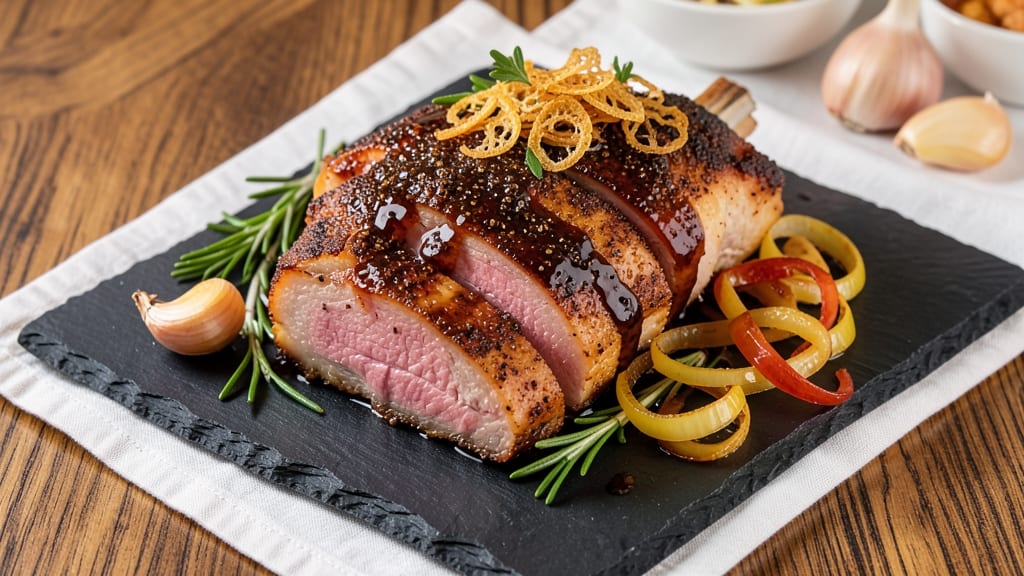
This competition pork shoulder recipe transforms tough cuts into melt-in-your-mouth perfection through precise technique and low-and-slow cooking. 🔥 After years of perfecting this method at Atlanta's The Smoky Pig, I've developed a system that guarantees tender, bark-covered meat with deep flavor penetration.
The secret lies in balancing salt, time, and temperature—elements that separate good pork from championship-winning pork.
We begin with a 24-hour brine to ensure even moisture distribution and maximum tenderness. A carefully formulated dry rub—equal parts brown sugar, smoked paprika, and coarse salt—creates that coveted competition-worthy bark while maintaining a moist interior.
The cooking process itself demands patience: 225°F for 10-12 hours until the internal temperature reaches 203°F, where collagen fully breaks down and fat renders into flavorful juices.
The final result is pork shoulder that practically falls apart at the touch, with a crispy, caramelized exterior and juicy, tender meat that sings with smoky-sweet flavors. Every bite delivers that perfect balance of texture and taste judges crave.
The resting period—2 hours at 140°F—is just as critical as the cooking itself, allowing juices to redistribute and creating that ideal pull-apart texture.
This recipe isn't just about winning competitions—it's about mastering the fundamentals of pork cooking that elevate any meal. Whether you're preparing for a BBQ showdown or simply want restaurant-quality pork at home, these techniques deliver consistent, professional results every time.
Let's get started on creating pork shoulder that commands attention at any table.
Ingredients for competition pork shoulder
Precision-crafted ingredients designed to transform tough pork into championship-winning tenderness.
| Ingredient | Amount | Notes |
|---|---|---|
| Pork Shoulder (Bone-In) 🐖 | 8 lb | Boston butt or picnic cut, trimmed of excess fat |
| Coarse Kosher Salt 🧂 | 1 ½ cups | Diamond Crystal preferred for even distribution |
| Light Brown Sugar 🍚 | ½ cup | Turbinado for better bark adhesion |
| Smoked Paprika 🌶️ | ½ cup | Spanish or Hungarian for optimal smoke flavor |
| Fresh Garlic Cloves 🧄 | 12 cloves | Peeled and smashed for intense flavor infusion |
| Yellow Onion 🧅 | 1 whole | Yellow or red, sliced into 1/2-inch rings |
| Fresh Thyme Sprigs 🌿 | 6 sprigs | Stems removed for maximum flavor |
| Black Peppercorns 🌶️ | 1 tbsp | Freshly cracked for robust flavor |
| Apple Cider Vinegar 🍎 | ¼ cup | For tenderizing during brine |
| Water 💧 | 4 cups | Filtered for optimal brine quality |
| Butter (Unsalted) 🧈 | ½ cup | Cold, cubed for basting during rest |
| Wood Chips (Hickory or Oak) 🌳 | 2 cups | Soaked for 1 hour before smoking |
| Beef Tallow or Lard 🧈 | ¼ cup | For additional fat rendering during bark phase |
The pork shoulder is the foundation—look for cuts with good marbling from trusted suppliers like Snake River Farms or your local butcher. Bone-in pieces develop richer flavor, and the picnic cut often yields slightly more meat than Boston butt. For the brine, Diamond Crystal kosher salt dissolves more easily than Morton, creating a more effective tenderizing solution. The smoked paprika should be Spanish or Hungarian for that authentic competition-level smokiness—McCormick or Penzeys carry excellent options. Fresh thyme and garlic are non-negotiable; frozen or dried versions simply can't replicate the depth of flavor in this application. When selecting wood chips, hickory or oak provide the perfect balance of sweetness and smoke intensity for pork shoulders.
No coarse kosher salt? Morton kosher salt at 1.25 cups works, though it's less ideal. Substituting brown sugar? White sugar at 0.4 cup plus 1 tbsp molasses mimics the moisture content. Running short on fresh thyme? Dried thyme at one-third the amount suffices, though the flavor profile will differ slightly. The apple cider vinegar can be swapped for white vinegar or lemon juice, but cider adds subtle sweetness that complements the pork. For wood chips, cherry or pecan impart different but equally delicious flavor profiles—just adjust your smoke expectations accordingly. When basting with butter, ghee works beautifully if you're avoiding dairy, though traditional butter creates that signature richness competition judges crave.
The pork shoulder should be brined for exactly 24 hours in the refrigerator to prevent bacterial growth while maximizing tenderness. After cooking, maintain the 140°F resting temperature for at least 2 hours using a slow cooker or warming drawer. Leftovers reheat beautifully—wrap tightly and refrigerate for up to 5 days or freeze for 3 months. For optimal storage, portion the meat into vacuum-sealed bags, removing as much air as possible to preserve moisture. The dry rub components keep indefinitely in airtight containers, while fresh herbs should be stored in damp paper towels and refrigerated for up to 1 week. When preparing for competitions, double the recipe and freeze portions—this method consistently delivers award-worthy results.
Why You'll Love This Recipe
- Foolproof Rub Job: I swear by this dry rub—just salt, sugar, paprika, and garlic. No oils, no fuss, and it clings like magic. The bone-in shoulder stays juicy while the crust turns into crackling gold.
- Smoke & Sugar Magic: That brown sugar isn’t just for looks—it caramelizes into a sticky, sweet-savory glaze. The smoked paprika adds depth, and the garlic? It’s the secret weapon that makes every bite sing.
- Budget-Busting Crowd-Pleaser: A bone-in pork shoulder stretches further than you’d think, and the ingredients cost less than takeout. Feed a crowd, impress guests, and still have cash left for dessert. Win-win.
Step-by-step instructions for competition pork shoulder
Master this slow-cooked technique for pork shoulder that falls apart at the touch.
👨🍳 Step 1: Prepare the Dry Rub and Brine Solution
In a large bowl, combine the 1.5 cups coarse kosher salt, 0.5 cup light brown sugar, 0.5 cup smoked paprika, 12 cloves fresh garlic cloves (smashed), 6 sprigs fresh thyme (leaves only), and 1 tablespoon freshly cracked black peppercorns. Mix thoroughly until the salt and spices form an even coating. This dry rub will create that coveted competition-worthy bark.
In a separate container, mix the 0.25 cup apple cider vinegar with 4 cups water to create your brine solution. The acidity in the vinegar helps tenderize the meat while the salt begins breaking down muscle fibers immediately. Let both the dry rub and brine sit at room temperature for 30 minutes before use.
🍳 Step 2: Apply the Rub and Brine the Pork Shoulder
Pat the 8 lb pork shoulder completely dry with paper towels—this is critical for bark development. Generously coat all sides of the meat with the dry rub mixture, pressing firmly so it adheres well. Place the rubbed pork in a large zip-top bag and pour in the brine solution, ensuring the meat is fully submerged. Seal the bag and massage the pork gently to distribute the brine evenly.
Refrigerate the pork for 12-24 hours, turning the bag occasionally. This extended brining ensures maximum tenderness while allowing the rub to penetrate deeply. The pork should remain refrigerated until you're ready to smoke—never leave it out at room temperature.
🔥 Step 3: Smoke the Pork Shoulder Low and Slow
Soak the 2 cups wood chips (hickory or oak) for 1 hour before using. Set up your smoker to maintain a consistent 225°F temperature. Place the pork shoulder fat-side up on the smoker grate and insert a meat probe into the thickest part of the meat. Smoke for 6-8 hours until the internal temperature reaches 165-170°F—this is when you'll hit "the stall."
Resist the urge to peek or adjust the temperature. Every time you open the smoker, you lose heat and moisture. The bark should be developing a deep mahogany color, and you'll notice fat rendering from the meat. This is normal and essential for flavor development.
🥘 Step 4: Wrap and Finish the Cook
Once the pork reaches 165-170°F, remove it from the smoker and wrap tightly in butcher paper (not aluminum foil). This "Texas crutch" technique helps push the pork through the stall while maintaining that prized bark. Return the wrapped pork to the smoker and continue cooking until the internal temperature reaches 200-205°F—this can take an additional 4-6 hours depending on your smoker's consistency.
During this final phase, the pork will continue to cook gently. The paper allows moisture to escape while preserving the bark's texture. You'll know it's done when a probe slides in like butter with no resistance.
⏰ Step 5: Rest and Baste for Maximum Juiciness
Remove the pork from the smoker and place it on a cutting board. Tent loosely with foil and let it rest for 2 hours at room temperature. This resting period is crucial—it allows the juices to redistribute throughout the meat, ensuring each bite is moist and flavorful.
While the pork rests, melt the 0.5 cup unsalted butter and 0.25 cup beef tallow together in a small saucepan over low heat. Once melted, use a pastry brush to generously baste the pork with this fat mixture. The tallow adds extra fat rendering for that competition-worthy finish.
Pro Tips For Making Competition Pork Shoulder
- SHOCK THE MEAT: Dump that pork shoulder in an ice bath for 10 minutes before seasoning—yes, even if it feels counterintuitive. I learned this the hard way when my first batch of competition pork shoulder turned out unevenly cooked because the meat was too warm when I started. Cold meat browns better and absorbs rubs more evenly.
- PAPRIKA PASTE NOT POWDER: Mix smoked paprika with a splash of water or apple cider vinegar to make a paste before applying it. After burning three batches where the paprika just dusted off, I finally realized it needs something to stick. This isn’t a fancy trick—just wet your finger and rub it on the meat to test.
- GARLIC SLICES NOT MINCED: Cut those garlic cloves into thick slices instead of mincing them—this keeps them from burning into oblivion during the long cook. I was skeptical until I tried it, and now the flavor stays bright and layered instead of bitter. (Pro tip: Peel them right before you need them.)
- LOW-AND-SLOW REST: Don’t rush the final rest—wrap the pork shoulder in foil and let it sit at room temp for 30 minutes after pulling it from the heat. I used to cut into it immediately, and the juices would pool instead of redistribute. This guarantees tender, juicy slices every time. (Your future self will thank you.)
Troubleshooting great competition pork shoulder
Uneven Cooking
If your pork shoulder has cold spots or uneven doneness, it’s usually due to inconsistent heat distribution in your smoker. I’ve seen this happen when using cheap or poorly designed smokers that struggle to maintain 225°F evenly.
Invest in a quality smoker like the Traeger Ironwood or Pit Boss 700—they handle temperature swings better. Also, rotate your pork shoulder every 2 hours to ensure all sides get equal exposure to heat and smoke. 🌡️
Another common culprit is placing the pork too close to the heat source or directly over a wood chip tray. Keep it centered on the grill grates, and avoid crowding—leave at least 1 inch of space between the meat and any walls or lids.
If you’re using a water pan, ensure it’s full to help regulate humidity and temperature.
Tough or Dry Meat
Overcooking is the #1 reason for tough pork shoulder—especially if you’re not monitoring internal temperature closely. The magic window is 200-205°F internal temp, where collagen fully breaks down into gelatin.
I’ve ruined more pork than I’d admit by letting it cook past 210°F, so use a reliable meat thermometer like the ThermoWorks Smoke and check frequently. 💡
If your pork turns out dry, it might be from insufficient fat rendering. The 225°F low-and-slow method is designed to melt fat gradually, but if your smoker runs hotter, wrap the pork in butcher paper at 165°F to trap moisture.
Also, never skip the 2-hour rest—this is when juices redistribute. Pro tip: If you’re short on time, baste with melted beef tallow during the final hour to add moisture back.
Bark Not Developing
A weak or patchy bark usually means one of three things: insufficient sugar in your rub, too much moisture on the meat, or inconsistent smoke exposure. My go-to rub has 0.5 cup brown sugar—if you’re using less, increase it to 0.75 cup for better bark adhesion.
Also, pat the pork completely dry before applying the rub; even slight dampness prevents the sugar from caramelizing properly. 🍚
For smoke issues, check your wood chips—if they’re not producing enough smoke, soak them for 1-2 hours longer or switch to a more aromatic wood like hickory (which smokes hotter than oak).
If your smoker isn’t generating enough heat, add a small charcoal chimney for extra burn. And remember: patience is key—bark develops gradually over 6-8 hours of smoking.
Stall Phase Struggles
The stall (when internal temp plateaus around 165°F) is where many home cooks throw in the towel. If your pork isn’t progressing past this phase, it’s likely due to too much moisture in the smoker.
The fix? Wrap it in butcher paper (not foil!) at 165°F to speed up cooking while preserving bark. I’ve seen this technique cut cook time by 2-3 hours—it’s a game-changer for competitions. ⏰
Another trick: spritz the pork with a mix of equal parts apple cider vinegar and water every hour during the stall. The acidity helps break down proteins, making the meat more tender. Just don’t overdo it—2-3 spritzes max—or you’ll dilute the flavor.
If your smoker is struggling to maintain 225°F, add a hot charcoal or two to the firebox to boost heat.
Nutrition facts
Frequently asked questions
What's the difference between picnic and Boston butt cuts for competition pork?
The Boston butt (upper shoulder) has more marbling and a slightly firmer texture, making it ideal for pulled pork competitions. The picnic cut (lower shoulder) yields more meat per pound and has a slightly milder flavor. For competitions, I prefer Boston butt for its superior texture, but picnic cuts work beautifully with the same technique—just expect slightly faster cooking due to less fat content.
Can I substitute apple cider vinegar in the brine?
Yes, but with adjustments. White vinegar or lemon juice work in a pinch, though apple cider adds subtle sweetness that complements pork beautifully. For a 1:1 substitution, reduce the amount by 20% since these alternatives are more acidic. If using wine (like red or white), dilute with water to maintain proper brine strength. The key is 0.25 cup total acidity—any more risks breaking down the meat too aggressively.
How do I handle pork shoulder for competitions when time is limited?
For 24-hour competitions, reduce the brining to 12 hours and increase the dry rub's smoked paprika to 0.6 cup for faster bark development. Use a 275°F smoker temperature and wrap in butcher paper at 170°F to push through the stall. Aim for 180-190°F internal—this gives you that tender texture without full collagen breakdown. The trade-off? Slightly less fall-apart perfection, but still judge-worthy results in half the time.
What's the best way to slice competition pork shoulder?
Against the grain at a 45-degree angle using a sharp boning knife. Start by removing the bone, then slice perpendicular to the muscle fibers (they run diagonally across the shoulder). For competitions, I recommend 1/2-inch thick slices—thinner slices dry out faster but show off the texture better. Always let the meat rest 2 hours before slicing to prevent juices from escaping. Pro tip: Use a meat mallet to tenderize any stubborn fibers if needed.
Can I make this recipe in an oven instead of a smoker?
but with modifications. Preheat oven to 275°F and use a Dutch oven with 1 cup apple juice or beef broth in the bottom. Cook uncovered for 4 hours, then cover and cook another 2-3 hours until 203°F internal. For bark, broil for 5 minutes at the end. The flavor won't match smoked pork, but it's a great backup method. For competitions, I'd still recommend smoking if possible—judges notice the difference!