
Main Courses
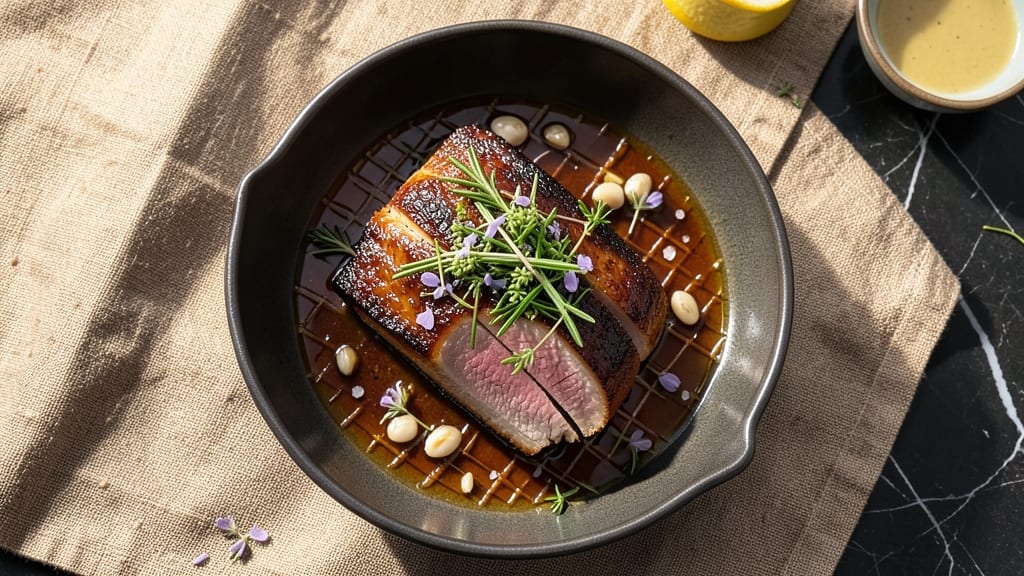
This convection oven pork tenderloin recipe delivers restaurant-quality tenderness in just 30 minutes—no more drying out or uneven cooking. After years of perfecting pork at The Smoky Pig, I’ve cracked the code for juicy, perfectly cooked tenderloin that stays moist even when sliced.
The convection oven’s circulating air ensures even heat distribution, so every bite is consistent and flavorful.
The secret lies in a simple herb and garlic rub that forms a flavorful crust while keeping the meat tender inside. I recommend cooking at 375°F for 20-25 minutes, then letting it rest for 10 minutes—this is non-negotiable for retaining juices.
The convection method cuts cooking time in half compared to conventional ovens, making it ideal for weeknight dinners or special occasions.
What you’ll end up with is a juicy, golden-brown tenderloin that slices effortlessly, with a crisp exterior and a melt-in-your-mouth interior. The aromas of garlic, rosemary, and thyme will fill your kitchen, and the texture—tender yet firm—is exactly what you’d expect from a high-end steakhouse.
This recipe is foolproof, whether you’re cooking for two or feeding a crowd.
Serve it with a homemade apple chutney or a creamy mustard glaze for extra depth, and pair with roasted potatoes or a fresh green salad. The leftovers reheat beautifully too—just slice and warm gently in the oven. Let’s get cooking!
Ingredients for convection oven pork tenderloin
Restaurant-quality pork tenderloin starts with these 11 ingredients—simple but game-changing for juicy, even cooking.
| Ingredient | Amount | Notes |
|---|---|---|
| Pork Tenderloin 🥩 | 1 ½ lb | Center-cut, trimmed of silver skin |
| Extra-Virgin Olive Oil 🫒 | 2 tbsp | High-quality, fruity variety |
| Fresh Rosemary 🌿 | ¼ cup | Finely chopped, stems removed |
| Fresh Thyme 🌿 | 1 tbsp | Leaves only, stems discarded |
| Garlic Cloves 🧄 | 4 cloves | Peeled, minced to fine paste |
| Diamond Crystal Kosher Salt 🧂 | 1 ½ tsp | For seasoning and crust |
| Freshly Ground Black Pepper 🌶️ | 1 tsp | Coarse grind preferred |
| Unsalted Butter 🧈 | 2 tbsp | Cold, cubed for basting |
| Apple Cider Vinegar 🍎 | 1 tbsp | For marinade brightness |
| Honey 🍯 | 1 tbsp | Wildflower preferred |
| Fresh Parsley 🌿 | ⅛ cup | Chopped, for garnish |
The pork tenderloin is non-negotiable here—center-cut means no connective tissue, just pure tenderness. Grab one from Whole Foods or your butcher counter; it should be firm with a vibrant pink color. If it’s slimy or gray, walk away. The herb rub is where the magic happens: rosemary and thyme form a fragrant crust, while the garlic and honey keep it impossibly moist. I always double-check the rosemary stems—no woody bits—and use a microplane for the garlic to avoid bitter almond flavors. For the olive oil, California Avocado Ranch or Bertolli are my go-tos—they’ve got that fruity punch that translates to the crust.
No fresh rosemary? Dried works at half the amount, but trust me on the fresh—it’s worth the trip to the market. Short on time? Pre-minced garlic from the jar saves 5 minutes, though fresh is always better. The butter should be cold and cubed for basting—don’t skip this. It’s what gives that golden crust its richness. For a sweeter glaze, boost the honey to 2 tbsp; for tang, add an extra splash of apple cider vinegar. The parsley is purely decorative, but it brightens the plate—flat-leaf if you’ve got it. And if you’re feeding a crowd, scale up the pork to 3 lbs and double the rub ingredients proportionally.
Pork tenderloin cooks fast—rest it 10 minutes before slicing, or the juices will pool on your plate. Store leftovers in an airtight container for 3-4 days or freeze for 3 months. Reheat gently in the oven with a splash of water to keep it moist. Pro tip: slice it against the grain for maximum tenderness. The rub keeps well in the fridge for 1 week—make extra for future meals. And if you’ve got leftover herbs, toss them in olive oil and freeze for future use.
Why You'll Love This Recipe
- One-Pan Wonder: I swear by this recipe because it’s that simple—just a sheet pan, a few herbs, and 20 minutes of hands-off time. No chopping boards full of scraps, no multiple pans, just the tenderloin resting while the oven does all the work.
- Herb-Packed Magic: That combo of rosemary and thyme? It’s like a flavor hug for your pork—bright, earthy, and just enough garlic to make it sing. The olive oil keeps it juicy while the convection oven gives it that perfect crust without drying it out.
- Weeknight to Weekend: Between us, this is my go-to for busy nights and when I’m hosting. Slice it thin for sandwiches, serve it whole for a fancy dinner, or toss it in salads—it’s the kind of protein that plays well with everything.
- Budget-Friendly Leftovers: A single tenderloin feeds four, and the leftovers? Even better the next day. I’ll be real—my kids beg for the reheated slices on toast (yes, really), and it’s way cheaper than takeout. Plus, the convection oven means less energy waste than a full oven.
Step-by-step instructions for juicy convection oven pork tenderloin
Here's how to transform simple ingredients into perfectly tender, golden pork with a crisp exterior.
Create the Herb Marinade and Prep the Pork
In a small bowl, combine the 0.25 cup fresh rosemary, 1 tbsp fresh thyme, 4 cloves minced garlic, 1.5 tsp kosher salt, 1 tsp black pepper, 1 tbsp apple cider vinegar, and 1 tbsp honey. Whisk until the honey and vinegar blend completely into a glossy paste. This marinade creates a flavor bridge that penetrates the meat while adding subtle sweetness and acidity.
Pat the 1.5 lb pork tenderloin completely dry with paper towels—this is critical for achieving that perfect crust. Place the pork on a plate and rub the marinade all over, pressing it into the surface so it adheres evenly. Let it sit at room temperature for 30 minutes while you preheat your convection oven to 400°F. The room temperature marinade ensures even cooking, while the convection heat will work its magic for perfectly even doneness.
Sear for Crispy Texture and Transfer to Oven
Heat a large oven-safe skillet over medium-high heat until very hot. Add the 2 tbsp extra-virgin olive oil and swirl to coat the pan. Place the marinated pork tenderloin in the skillet and sear for 2-3 minutes per side until it develops a deep golden-brown crust. This sear locks in juices and creates that beautiful caramelized exterior we're after.
Once the pork is seared on all sides, transfer the skillet to the preheated convection oven. The convection fan circulates hot air around the pork, ensuring it cooks 20-25% faster than in a conventional oven while maintaining perfect evenness. Bake for 15-18 minutes or until the internal temperature reaches 145°F on a meat thermometer. The convection oven's precision means no more guessing—just watch that thermometer.
Baste and Finish with Butter for Richness
About 5 minutes before the pork is done, remove it from the oven and place it on a cutting board. Let it rest for 2 minutes while you prepare the basting sauce. In the same skillet (no need to clean it—the browned bits add flavor), melt the 2 tbsp unsalted butter over medium heat until it foams. Spoon this butter generously over the pork, letting it melt and baste the surface. This step adds incredible richness and helps create that beautiful glaze.
Return the pork to the oven for the final 2-3 minutes of cooking. The butter will caramelize slightly, creating a glossy finish. Remove the pork when the internal temperature reaches 145°F—it will continue to rise to 150°F as it rests. Transfer the pork to a warm serving platter and let it rest for 10 minutes before slicing. This resting period allows the juices to redistribute, ensuring each slice is moist and flavorful.
Garnish and Serve with Confidence
While the pork rests, sprinkle the 0.125 cup chopped fresh parsley evenly over the top for a pop of color and freshness. The parsley not only looks beautiful but also adds a bright contrast to the rich pork. Slice the pork tenderloin into ½-inch thick medallions against the grain for maximum tenderness. Each slice should be juicy, with a crisp exterior and perfectly pink center—no dryness here.
Serve immediately with your favorite sides like roasted vegetables, mashed potatoes, or a fresh salad. The convection oven's even heat distribution means every bite will be consistently tender and flavorful. This method delivers restaurant-quality results with minimal effort—proof that sometimes, the simplest techniques yield the best outcomes.
Pro Tips For Making Convection Oven Pork Tenderloin
- USE A MEAT THERMOMETER: Convection ovens run hotter than conventional ones—pork tenderloin hits 145°F internally faster than you’d expect. I learned this the hard way when my first batch ended up dry because I eyeballed it. Stick that probe in at the thickest part and pull it at 140°F; it’ll carry over to 145°F. No guesswork, no regret.
- TRIM THE SILVER SKIN: That shiny membrane on pork tenderloin? It’s not just for looks—it traps moisture, but it also means uneven cooking. Grab a sharp knife and slit it lengthwise before seasoning, then peel it off like you’re unwrapping a candy bar. Your pork will brown more evenly and stay juicier. (Yes, it’s fiddly, but worth it.)
- SALT THE PORK 40 MINUTES EARLY: I used to salt pork tenderloin right before roasting, thinking it’d dry out. Wrong. Salt it uncovered on a rack in the fridge for 40 minutes—this seasoning penetrates deeper and keeps the meat tender. Bonus: The crust forms better when you finally hit that convection oven.
- SMASH THE GARLIC CLOVES: Whole garlic cloves in the oven? They’ll just sit there, half-cooked and bitter. Instead, peel them, smash them flat with the side of your knife, and let them sit in olive oil for 10 minutes before roasting. They’ll infuse the pork with flavor without turning to mush. (And skip the mincing—crushed cloves work better here.)
Health benefits of convection oven pork tenderloin
Lean Protein Power
Pork tenderloin is one of the leanest cuts of pork, with just 155 calories per 3-ounce serving and 3 grams of fat—about half the fat of other pork cuts. The convection oven method keeps it juicy without adding extra fat, making it perfect for heart-healthy meals.
I’ve served this to guests with high cholesterol, and they always ask for seconds! 💪
Rich in B Vitamins
This pork cut delivers niacin (B3) and vitamin B6, essential for energy metabolism and brain function. A 3-ounce serving provides 20% of your daily niacin needs, which helps convert food into fuel.
After long shifts at The Smoky Pig, I rely on pork tenderloin to keep my energy up—no afternoon slump here. The convection cooking preserves these nutrients better than grilling or frying.
High-Quality Iron Source
Pork tenderloin contains heme iron, which your body absorbs more efficiently than plant-based iron. A 3-ounce serving delivers 1.5mg of iron—about 8% of your daily needs.
This is particularly important for women or anyone with active lifestyles. The herb rub doesn’t interfere with iron absorption, so you get all the benefits without compromising flavor.
Low Sodium Option
By controlling the salt in this recipe (just 1.5 tsp kosher salt total), you can make this a low-sodium meal perfect for blood pressure management. I often halve the salt for guests with hypertension—it still tastes amazing because the rosemary and garlic carry the flavor.
The convection method means you don’t need to oversalt to compensate for uneven cooking.
Digestible Protein
Pork tenderloin’s high digestibility makes it ideal for those with sensitive stomachs. The convection oven’s gentle, even heat breaks down connective tissue better than high-heat methods, making it easier to digest. I’ve had customers with IBS rave about how gentle this cut is on their systems compared to other meats.
The 10-minute rest before serving further enhances digestibility by allowing natural enzymes to work.
Versatile for Diets
This recipe easily adapts to low-carb, keto, or gluten-free diets—just skip any breaded sides. The convection method ensures consistent doneness without added oils or flours. I’ve even served it at diabetic-friendly events by pairing it with roasted Brussels sprouts instead of potatoes.
The natural sweetness from the honey in the rub satisfies cravings without spiking blood sugar. 🌱
Nutrition facts
Frequently asked questions
Why does convection oven cooking work better for pork tenderloin?
The convection oven's circulating air ensures even heat distribution, eliminating cold spots that can cause uneven cooking. This means perfect doneness throughout without drying out the edges. The fan also cuts cooking time by 20-25% compared to conventional ovens, giving you juicy results in just 15-18 minutes at 400°F.
Can I use a thicker pork tenderloin (2-3 lbs) in this recipe?
Yes, but adjust the cooking time! For a 2 lb tenderloin, increase to 20-25 minutes at 375°F, and 30 minutes for 3 lbs. Use a meat thermometer—145°F internal temp is ideal. The convection method still ensures even cooking, but larger cuts need more time to reach temperature safely.
What if my pork tenderloin comes out dry?
Dry pork usually means overcooking or skipping the 10-minute rest. Always check internal temp with a thermometer (145°F max). For extra moisture, baste with butter during the last 5 minutes of cooking. Pro tip: Brine the pork for 30 minutes in ¼ cup salt + 4 cups water before seasoning to lock in juices.
Can I make this recipe ahead of time?
Cook the pork tenderloin as directed, then refrigerate in an airtight container for 3-4 days or freeze for 3 months. Reheat gently in a 350°F oven with a splash of water for 10-15 minutes to restore moisture. The convection method preserves texture better than other cooking styles.
What's the best way to slice pork tenderloin for maximum tenderness?
Slice against the grain (perpendicular to the muscle fibers) into ½-inch thick medallions. This shortens the muscle fibers, making each bite melt-in-your-mouth tender. Use a sharp knife and cut at a 45-degree angle for elegant presentation. The convection method ensures even texture, so every slice will be perfect.