
Recipes/Cooking
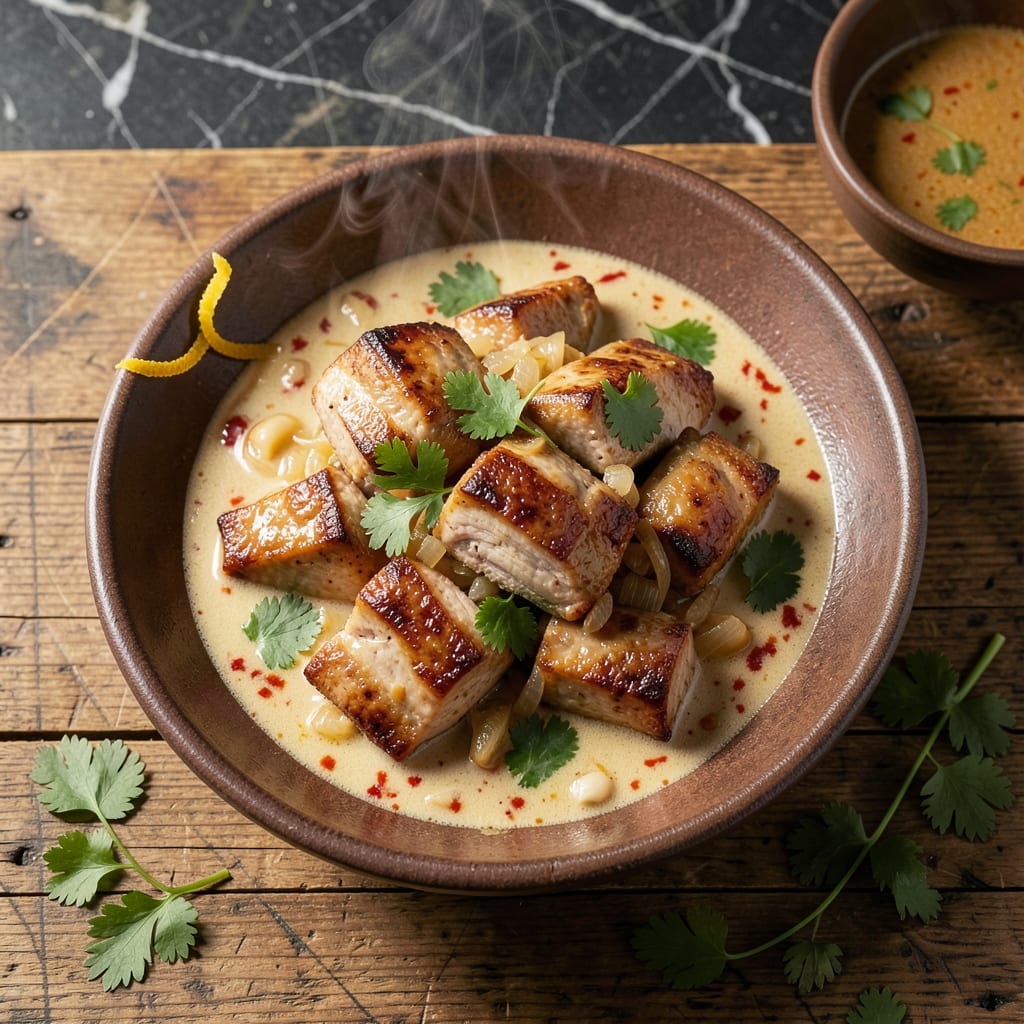
This cooked pork curry recipe delivers tender meat in a rich coconut broth that's deeply aromatic. After years of perfecting pork dishes at The Smoky Pig, I've developed this method for fall-apart texture every time.
The secret lies in slow cooking with a blend of warm spices that infuse the pork with complex flavor. Coconut milk creates a velvety sauce that balances the heat from chili and ginger.
What you'll get is pork so soft it nearly melts, with a sauce thick enough to cling to every bite. The aroma alone will have everyone gathering around the table before it's even served.
This dish proves that great curry doesn't require hours of simmering—just the right technique and a little patience. The results speak for themselves.
Ingredients for Cooked Pork Curry
Rich coconut broth and warm spices transform pork into fall-apart tender bites every time.
| Ingredient | Amount | Notes |
|---|---|---|
| Pork Shoulder 🥩 | 2 lb | Boneless, cut into 1-inch cubes |
| Coconut Milk 🥥 | 2 cups | Full-fat for creaminess |
| Onion 🧅 | 1 whole | Yellow or white, finely diced |
| Garlic Cloves 🧄 | 4 cloves | Minced for depth of flavor |
| Fresh Ginger 🌿 | 1 tbsp | Peeled and grated |
| Red Curry Paste 🌶️ | 3 tbsp | Thai-style for authentic flavor |
| Ground Cumin 🌿 | 1 tsp | Toasted for warmth |
| Ground Coriander 🌿 | 1 tsp | Freshly ground for brightness |
| Turmeric 🌿 | ½ tsp | For color and earthiness |
| Chili Flakes 🌶️ | ½ tsp | Adjust to heat preference |
| Fish Sauce 🐟 | 2 tbsp | Balances sweet and spicy |
| Brown Sugar 🍚 | 1 tbsp | Light or dark for sweetness |
| Lime Leaves 🍋 | 4 pieces | Fresh or dried, for aroma |
| Vegetable Oil 🫒 | 2 tbsp | For searing pork |
| Salt 🧂 | 1 tsp | Kosher or sea salt |
The pork shoulder is non-negotiable here. Look for well-marbled cuts at the butcher counter—it’s the fat that melts into that velvety texture. Costco has great pre-cubed options if you’re short on time. Coconut milk must be full-fat; Thai Kitchen or Chaokoh brands are reliable. Fresh ginger and lime leaves (found at Asian markets) elevate the aroma, but dried work in a pinch.
No pork shoulder? Pork butt is a fine substitute with similar results. Missing fish sauce? Soy sauce with a squeeze of lime gets you close. Red curry paste can be swapped for green or yellow, but adjust the chili flakes to taste. Brown sugar can be replaced with coconut sugar for a deeper flavor. The turmeric is mostly for color, so skip if you’re out.
Leftovers taste even better the next day. Store in the fridge for up to 4 days or freeze for 3 months. Reheat gently to keep the sauce from separating. Always use a tight-sealing container to lock in the aromas.
Why You'll Love This Recipe
- One Pot Wonder: I just toss the pork shoulder, coconut milk, and aromatics in a pot and let it simmer—minimal cleanup, maximum flavor.
- Rich and Aromatic: The garlic, ginger, and coconut milk create a deep, fragrant sauce that soaks into the tender pork.
- Meal Prep Magic: I make a big batch on Sunday and it reheats beautifully for lunches all week.
- Budget Friendly: Pork shoulder is affordable, and this recipe stretches it into multiple hearty servings.
Step-by-Step Instructions for Cooked Pork Curry
This method ensures the pork becomes fall-apart tender while building deep, aromatic flavors.
Sear the Pork Shoulder
Heat the 2 tbsp vegetable oil in a large, heavy-bottomed pot or Dutch oven over medium-high heat. When the oil shimmers, add the 2 lb pork shoulder cubes in a single layer, working in batches if needed to avoid overcrowding.
Sear the pork for 4-5 minutes per side until deeply browned on all sides. You want a rich, caramelized crust—this builds the foundation of flavor for the curry. Don’t stir too often; let the meat develop a good sear. Remove the pork and set aside.
Build the Aromatic Base
In the same pot, add the 1 whole onion (finely diced) and cook over medium heat for 5-6 minutes until softened and just beginning to turn golden brown. Stir in the 4 cloves garlic cloves (minced), 1 tbsp fresh ginger (grated), 1 tsp ground cumin, 1 tsp ground coriander, 0.5 tsp turmeric, and 0.5 tsp chili flakes.
Cook for 1-2 minutes, stirring constantly, until the spices become fragrant. This step blooms the spices, releasing their essential oils and deepening their flavor. Be careful not to let them burn—if it seems too dry, add a splash of water.
Simmer in Coconut Broth
Add the 3 tbsp red curry paste to the pot and stir for 1 minute to coat the aromatics. Pour in the 2 cups coconut milk, stirring to scrape up any browned bits from the bottom of the pot. This deglazing step ensures no flavor is wasted.
Return the seared pork to the pot along with the 2 tbsp fish sauce, 1 tbsp brown sugar, 4 pieces lime leaves, and 1 tsp salt. Stir well to combine. Bring the mixture to a gentle simmer, then reduce the heat to low.
Braise Until Tender
Cover the pot and let the curry simmer gently for 1.5 to 2 hours. Check occasionally and stir to prevent sticking. The pork is done when it shreds easily with a fork and the sauce has thickened slightly.
If the liquid reduces too much before the pork is tender, add a splash of water or broth. The goal is a rich, creamy sauce that clings to the meat. Taste and adjust seasoning if needed—balance is key with the sweet, spicy, and umami flavors.
Pro Tips For Making Cooked Pork Curry
- Brown the Pork: Sear the pork shoulder in batches over medium-high heat until deeply browned—this builds flavor layers that simmering alone can’t achieve.
- Grate the Ginger: Fresh ginger releases more aroma when finely grated rather than minced, and it blends seamlessly into the curry sauce.
- Simmer Uncovered First: Let the curry bubble uncovered for 15 minutes to cook off raw coconut milk taste before reducing the heat and covering.
- Use Full-Fat Coconut Milk: I learned this the hard way—light coconut milk splits and thins the sauce, while full-fat gives that rich, velvety texture.
Perfect Pairings for This Recipe
Rice Companions
I always serve this with jasmine rice—its fragrant aroma complements the curry beautifully. Cook 1 cup rice with 1¾ cups water for perfect fluffiness. For extra richness, swap half the water for coconut milk from the can. 💛
Fresh Garnishes
Brighten each bowl with fresh toppings. I love thinly sliced Thai basil and cilantro for herbaceous notes. A squeeze of lime wedge adds essential acidity to cut through the richness.
Vegetable Sides
Balance the meal with a crisp cucumber salad. Toss 2 cups sliced cucumber with 1 tbsp rice vinegar, 1 tsp sugar, and a pinch of salt. The cool crunch contrasts the warm curry perfectly.
Bread Options
For scooping up every last bit of sauce, offer naan bread or steamed jasmine rice. I pick up fresh naan from Atlanta's local halal markets—it's soft and pillowy, ideal for soaking up the coconut broth.
Beverage Pairings
A cold Thai iced tea with its sweet, spiced profile stands up to the curry's heat. For beer lovers, a crisp pilsner like Singha cleanses the palate between bites. 🍺
Heat Balancers
If the curry's too spicy, serve cool raita on the side. Mix 1 cup yogurt with ½ cup grated cucumber and 1 tsp cumin. The creamy texture and mild flavor provide relief.
Nutrition Facts
Frequently Asked Questions
Can I use a different cut of pork for this curry?
Pork shoulder is ideal, but pork butt works equally well due to its fat content. Avoid lean cuts like tenderloin—they’ll turn dry during the 1.5-2 hour simmer.
How do I make the curry less spicy?
Reduce the chili flakes to ¼ tsp or omit entirely. Use mild curry paste and balance heat with extra 1 tbsp brown sugar or coconut milk.
Can I make this in a slow cooker?
Yes! Sear the pork first, then transfer everything to the slow cooker. Cook on low for 6-8 hours or high for 4-5 hours until tender.
What’s the best way to store leftovers?
Cool completely, then refrigerate in an airtight container for up to 4 days. Freeze for 3 months—reheat gently to prevent sauce separation.