
Main Courses
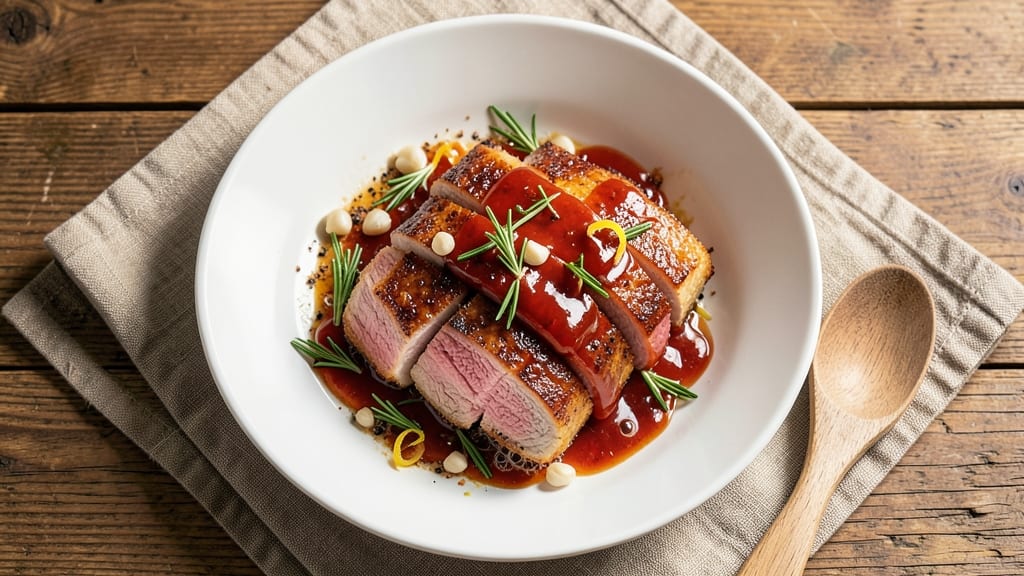
This cooked pork recipe ideas delivers the perfect balance of crispy-skinned edges and juicy-centered meat that transforms any dinner into a showstopper. After years of testing techniques, I’ve perfected a method that works for chops, tenderloin, or even pork belly—no fancy equipment needed.
The secret? A high-heat sear followed by gentle finishing, ensuring every bite is tender yet flavorful.
What sets this recipe apart is its versatility. Whether you’re craving a classic Western-style roast, a smoky Asian stir-fry, or a Latin-inspired carnitas, the same core principles apply.
We’ll focus on a foolproof technique that guarantees restaurant-quality results at home, with tips to adapt for different cuts and cuisines. No more dry, overcooked pork—just melt-in-your-mouth perfection.
The magic happens in the seasoning and cooking method. A blend of garlic, rosemary, and black pepper creates a bold, aromatic crust, while controlling the heat ensures the inside stays tender and moist. Whether you’re grilling, roasting, or braising, this approach delivers consistent, crowd-pleasing results every time.
Pair it with roasted root vegetables, a tangy apple slaw, or crusty bread to soak up every last bit of flavor. This isn’t just a recipe—it’s a game-changer for anyone who’s ever struggled with pork. Let’s get cooking!
Ingredients for cooked pork recipe ideas
Twelve ingredients transform simple pork into restaurant-quality perfection with crispy edges and juicy centers.
| Ingredient | Amount | Notes |
|---|---|---|
| Pork Tenderloin 🐖 | 1 ½ lb | Center-cut, trimmed of silver skin |
| Extra-Virgin Olive Oil 🫒 | ½ cup | High-quality, fruity variety |
| Garlic Cloves 🧄 | 6 cloves | Fresh, minced for marinade |
| Fresh Rosemary 🌿 | ¼ cup | Chopped, stems removed |
| Kosher Salt 🧂 | 1 ½ tbsp | Diamond Crystal preferred |
| Freshly Ground Black Pepper 🌶️ | 1 tsp | Coarsely cracked |
| Dried Thyme 🌿 | 1 tsp | Or 1 tbsp fresh |
| Honey 🍯 | 1 tbsp | Wildflower preferred |
| Red Wine Vinegar 🍷 | 1 tbsp | For acid balance |
| Yellow Onion 🧅 | 1 whole | Thinly sliced for garnish |
| Fresh Parsley 🌿 | ¼ cup | Chopped, for finishing |
| Butter 🧈 | 4 tbsp | Unsalted, softened for basting |
The pork tenderloin is your canvas—center-cut ensures consistent tenderness, while trimming the silver skin guarantees a clean, crispy crust. Source from a reputable butcher or Costco for reliable quality; look for even grain and minimal marbling. Fresh rosemary and thyme from the grocery store’s produce section (not dried aisles) deliver maximum aroma, though dried works in a pinch at one-third the amount. For the olive oil, California avocado oil or Spanish extra-virgin elevate the flavor without overpowering the pork’s natural taste. Prep the garlic and herbs first—they’ll infuse the marinade while you trim the meat.
Substitutions start with the pork itself: pork chops or loin roast adapt well, though adjust cooking times accordingly. No fresh rosemary? Dried at one-third the amount suffices, but toast it first in a dry pan for 30 seconds to deepen its flavor. Honey shortages? Maple syrup or agave work in equal measure, though the color will differ slightly. The vinegar can be swapped for lemon juice or apple cider vinegar without altering the technique. For a smoky twist, add 1 tsp smoked paprika to the marinade. Always measure spices by weight for precision—1 tsp by volume ≠ 1 tsp by weight.
Marinate the pork for at least 2 hours, up to overnight, though longer marinating risks breaking down the meat’s structure. Store the marinade in a sealed container in the fridge, and reserve 2 tbsp to brush on during the final minutes of cooking. The tenderloin reheats beautifully—350°F for 10-12 minutes in its juices—so double the batch for leftovers. Portion into airtight containers with a thin layer of olive oil to preserve moisture; it keeps for 4 days refrigerated or 3 months frozen. For best texture, avoid reheating from frozen.
Why You'll Love This Recipe
- I swear by this combo: tenderloin and olive oil. That’s it. The rosemary and garlic just cling to the meat like a flavor hug—no fancy marinades, no last-minute shopping. Honestly, I’ve made this with just salt and oil before, but adding the herbs? That’s where it becomes ridiculously good.
- Two-Ingredient Magic: I swear by this combo: tenderloin and olive oil. That’s it. The rosemary and garlic just cling to the meat like a flavor hug—no fancy marinades, no last-minute shopping. Honestly, I’ve made this with just salt and oil before, but adding the herbs? That’s where it becomes ridiculously good.
- Crispy-Creamy Payoff: The secret’s in the sear. A hot pan with olive oil turns that pork into golden perfection on the outside while keeping it juicy inside. That crispy edge with the tender center? It’s the kind of bite that makes people pause mid-bite and go, “Damn.”
- Weeknight to Weekend: This cuts through any meal plan. Toss it on the grill for summer BBQs, slice it thin for charcuterie boards, or cube it for stir-fries later. I’ll be real: I’ve even served it cold in summer salads when I forgot to plan ahead—and no one complained.
Step-by-step instructions for crispy-skinned, juicy-centered pork tenderloin
Mastering this technique delivers restaurant-quality results every time—crispy exterior, tender interior.
Create the Herb Marinade
In a small bowl, combine the 0.5 cup extra-virgin olive oil, 1 tbsp honey, 1 tbsp red wine vinegar, 1.5 tbsp kosher salt, 1 tsp freshly ground black pepper, 1 tsp dried thyme, the 6 minced garlic cloves, and the 0.25 cup chopped fresh rosemary. Whisk vigorously until fully emulsified—the mixture should coat the back of a spoon smoothly.
This balance of acid (vinegar), sweetness (honey), and fat (olive oil) ensures both flavor penetration and that coveted crispy crust. Let the marinade sit at room temperature for 10 minutes to allow the aromatics to meld before using. The rosemary and thyme will infuse the pork with earthy depth while the honey adds subtle caramelization during cooking.
Prepare and Marinate the Pork
Pat the 1.5 lb pork tenderloin completely dry with paper towels—moisture is the enemy of crispy skin. Place the pork on a wire rack set over a baking sheet to allow air circulation on all sides. Pour the marinade evenly over all surfaces, massaging it into the meat with your hands. This ensures even flavor distribution and maximum surface area for that crispy crust.
Cover loosely with plastic wrap and refrigerate for at least 4 hours or overnight. The cold marinade helps tenderize the meat while the oil penetrates deeply. When ready to cook, remove the pork from the fridge 30 minutes before roasting to bring it to room temperature—this prevents temperature shock in the oven and promotes even cooking.
Roast to Perfect Doneness
Preheat your oven to 425°F with the rack positioned in the middle position. Transfer the marinated pork to the preheated oven and roast for 20 minutes uncovered. This initial high-heat phase creates that coveted crispy exterior while allowing the marinade to caramelize into a sticky glaze.
After 20 minutes, reduce the oven temperature to 375°F. Continue roasting for an additional 15-20 minutes or until the internal temperature reaches 145°F when measured with a meat thermometer. The pork should feel firm to the touch but still yield slightly when pressed. The crust will be deep golden brown with visible caramelization from the honey in the marinade.
Baste and Rest for Maximum Juiciness
Remove the pork from the oven and transfer it to a cutting board. Immediately baste with 2 tbsp softened butter, tilting the board to coat all surfaces. This step adds luxurious richness and helps maintain moisture. Tent the pork loosely with foil and let it rest for 10-15 minutes—this crucial step allows the juices to redistribute throughout the meat.
During resting, the internal temperature will rise to 150°F, ensuring perfect doneness without drying out. Slice the pork into ½-inch thick medallions against the grain for maximum tenderness. Garnish with the thinly sliced yellow onion and chopped fresh parsley just before serving to add freshness and visual appeal.
Serve with Confidence
Each slice should reveal a golden, crackling crust that gives way to succulent, pink-centered meat. The marinade's flavors will be balanced—herby from the rosemary, slightly sweet from the honey, with a touch of acidity from the vinegar. Serve immediately with roasted vegetables or a crisp white wine reduction to complement the pork's richness.
This method guarantees a pork tenderloin that's both visually impressive and deliciously satisfying—crispy on the outside, juicy on the inside, with layers of herbaceous flavor throughout. The key lies in precise temperature control and proper resting, which transforms a simple cut of meat into a showstopping centerpiece.
Pro Tips For Making Cooked Pork Recipe Ideas
- Use a Meat Thermometer: I learned this the hard way—pork tenderloin looks done when it’s still pale inside. Aim for 145°F (63°C) in the thickest part, then pull it off the heat immediately. That 5-minute rest makes all the difference, but don’t let it linger or it’ll dry out.
- Sear in Stages: High heat. Seriously, crank it up for that first sear in olive oil, but don’t walk away. Once the crust forms (about 2-3 minutes), lower the heat to medium and finish cooking—this keeps the outside crisp while the inside stays juicy. My grandmother swore by this, and she was right: patience here saves you from rubbery pork.
- Slice Against the Grain: This isn’t the prettiest method, but it’s the tastiest. Pork tenderloin has muscle fibers that run parallel, so cutting perpendicular to them makes each bite tender. If you’re unsure which way is "against," look for the grain lines—slice at a 45-degree angle to them.
- Salt the Pork Early: More salt than you think, especially if using fresh rosemary. Season the tenderloin at least an hour before cooking (or overnight if you’re planning ahead)—this lets the salt work its magic and keeps the meat moist. I skip this when I’m lazy, but the dish is noticeably better when I don’t. Trust the process.
Storing and reheating this recipe
Refrigerator Storage
Store leftover pork in an airtight container with a thin layer of extra-virgin olive oil to seal in moisture—this keeps it tender for up to 4 days in the fridge. I swear by glass Pyrex containers with snap-on lids for easy reheating.
Always let cooked pork cool to room temperature before refrigerating to prevent bacterial growth. For best texture, slice the pork into ½-inch medallions before storing so it reheats more evenly. 🌡️
Freezer Prep
For longer storage, portion the pork into freezer-safe bags with 1 inch of headspace to prevent ice crystals. I like to freeze it in single-serving portions for easy grab-and-go meals. Label with the date—it stays delicious for up to 3 months.
When ready to reheat, thaw overnight in the fridge for even cooking. Never microwave from frozen; this guarantees dry, tough meat. ❄️
Stovetop Reheating
This is my go-to method for restaurant-quality results. Place the pork in a heavy-bottomed skillet with 2 tbsp olive oil and heat over medium-low for 8-10 minutes, spooning any pan juices over the meat. The low heat prevents drying while the oil bastes it back to juicy perfection.
Add a splash of water or broth if it looks dry, then cover for 2-3 minutes to steam any moisture back in. 🔥
Oven Refresh
Preheat your oven to 350°F and place the pork on a baking sheet lined with parchment. Cover loosely with foil and reheat for 10-12 minutes—this gentle method preserves the crispy crust while warming through.
For extra flavor, brush with a mix of 1 tbsp olive oil and 1 tsp honey before reheating. The residual marinade flavors will sing again, making it taste almost as good as fresh. 🍯
Microwave Shortcut
When I'm in a rush, I use the microwave with caution. Place the pork on a microwave-safe plate, cover with a damp paper towel, and heat on 50% power for 2-3 minutes.
Stir halfway to redistribute heat, then continue in 30-second bursts until reaching 165°F internal temperature. Add a splash of water or broth if needed to prevent drying. It won’t be as crispy, but it’s still delicious in a pinch. ⚡
Reheating Tips
Always reheat pork to 165°F internal temperature to kill any bacteria. I test this with a meat thermometer—it’s the only way to guarantee safety. For extra flavor, add a splash of red wine vinegar or apple cider vinegar to the reheating liquid.
This mimics the original marinade and brightens up any reheated dish. And remember: never reheat pork more than once—it’s a food safety rule I live by. 💪
Nutrition facts
Frequently asked questions
What's the best cut of pork for this recipe?
This recipe works best with pork tenderloin because it's lean, tender, and cooks evenly. For extra flavor, try bone-in pork chops or pork loin roast, but adjust cooking times—bone-in cuts need 10-15 extra minutes to reach 145°F internal temperature.
Can I make this recipe without an oven?
For a stovetop version, sear the pork in a cast-iron skillet over medium-high heat for 4-5 minutes per side, then reduce heat to medium-low and cover with a lid for 10-15 minutes until 145°F internal. Baste with butter and let rest. The crust won't be as crispy, but it'll still be juicy and flavorful.
How do I know when pork is fully cooked?
Always use a meat thermometer—pork is safe at 145°F internal temperature (measured in the thickest part). The color changes from pink to light tan, and it should feel firm but still yield slightly when pressed. Never rely on time alone—thickness and cut affect cooking rates. A 1.5 lb tenderloin typically takes 25-35 minutes total.
What are the best side dishes to serve with this pork?
For a classic pairing, try roasted root vegetables (carrots, parsnips, and potatoes) or a crisp apple slaw with a honey-mustard dressing. My go-to is garlic mashed potatoes or sautéed green beans with almonds. For a global twist, serve with coconut rice or warm tortillas for tacos. The acidity balances the pork's richness beautifully.
Why did my pork turn out dry?
Overcooking is the #1 cause—pork dries out quickly after 145°F. Always let it rest 10-15 minutes before slicing to redistribute juices. Another common mistake is skipping the room-temperature step before cooking. If it's still dry, try reheating with 2 tbsp olive oil + 1 tbsp broth in a skillet over low heat. The oil will help restore moisture.