
Recipes/Cooking
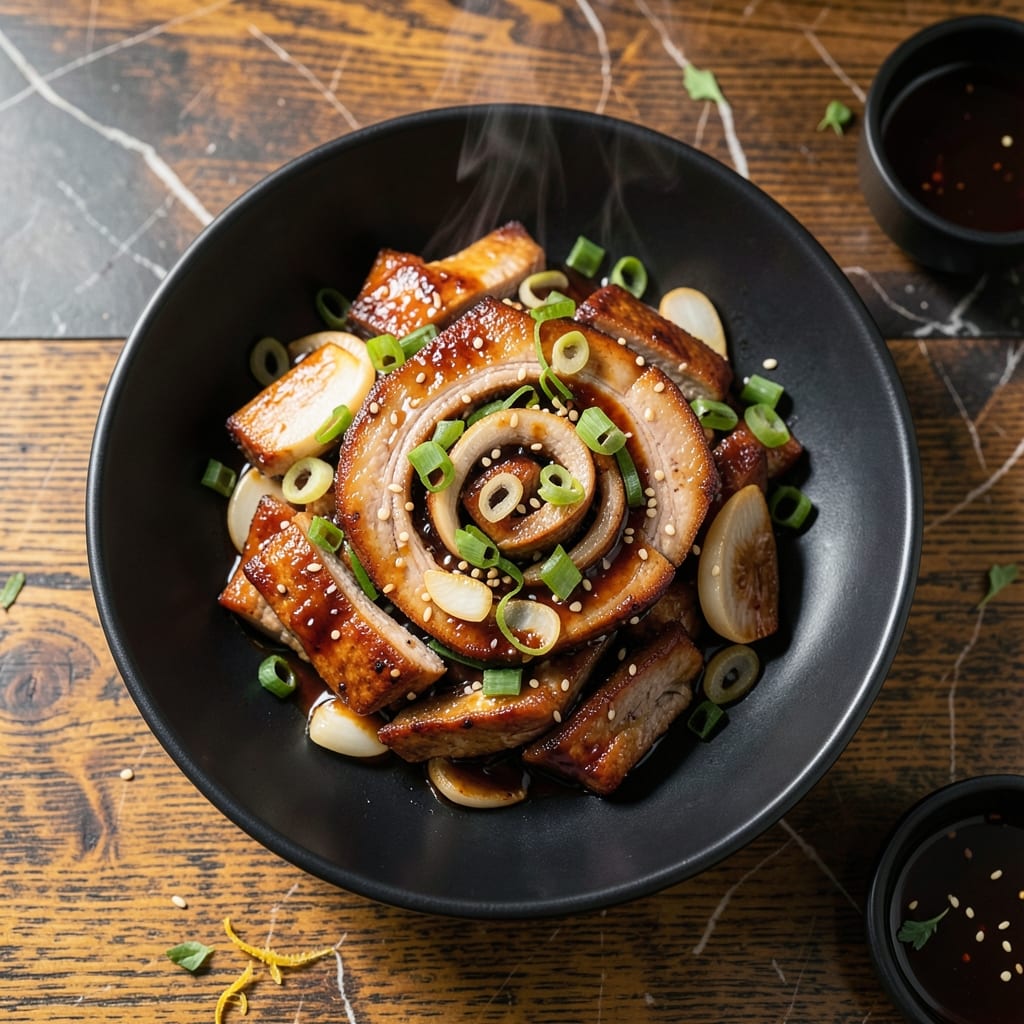
This cooked pork stir fry recipe delivers restaurant-quality results with minimal effort. The key is high heat and quick cooking to preserve the pork's tenderness and the vegetables' vibrant crunch.
I developed this method after years of perfecting stir fry techniques in professional kitchens. The pork should be sliced thinly against the grain, ensuring each bite remains tender and juicy.
What you'll achieve is a dish with perfectly seared pork, crisp vegetables, and a sauce that clings to every ingredient. The flavors meld together beautifully while maintaining their distinct identities.
This versatile recipe works for weeknight dinners or impressive meals for guests. The entire process takes less than 30 minutes from start to finish.
Ingredients for cooked pork stir fry
Restaurant-quality stir fry starts with these precise ingredients and professional techniques for authentic flavor.
| Ingredient | Amount | Notes |
|---|---|---|
| Pork Shoulder 🥩 | 1 ½ lb | Thinly sliced against grain |
| Soy Sauce 🫒 | ⅓ cup | Low-sodium preferred for balance |
| Shaoxing Wine 🍶 | 3 tbsp | Or dry sherry as substitute |
| Oyster Sauce 🫒 | 2 tbsp | Vegan oyster sauce if needed |
| Sesame Oil 🫒 | 1 tbsp | Toasted, for finishing only |
| Cornstarch 🌾 | 1 ½ tbsp | For velveting pork slices |
| Garlic Cloves 🧄 | 4 cloves | Minced finely before cooking |
| Fresh Ginger 🌿 | 1 tbsp | Peeled and minced |
| Red Bell Pepper 🌶️ | 1 whole | Sliced into thin strips |
| Broccoli Crowns 🥦 | 2 cups | Cut into small florets |
| Carrot 🥕 | 1 whole | Julienned for quick cooking |
| Green Onions 🧅 | 4 whole | Sliced thinly on diagonal |
| Neutral Oil 🫒 | 3 tbsp | High smoke point for stir-frying |
| Chicken Stock 💧 | ¼ cup | Low-sodium for sauce control |
| Granulated Sugar 🧂 | 1 tsp | Balances sauce saltiness |
The pork is critical—pork shoulder (or butt) offers the ideal fat-to-meat ratio for stir-frying. Asian markets often carry pre-sliced pork for stir fry, saving prep time. For best texture, slice against the grain yourself (freeze the meat for 20 minutes first for easier cutting). The Shaoxing wine is non-negotiable for authentic flavor; find it at H Mart or any well-stocked international aisle.
No Shaoxing wine? Dry sherry works in a pinch, though the flavor profile differs slightly. Oyster sauce can be replaced with hoisin plus a dash of soy for a similar depth. For vegetables, maintain the color variety—snap peas or bok choy make excellent substitutes. Always slice vegetables uniformly for even cooking at high heat.
Prep all ingredients before heating the wok—stir-fry moves fast. The velveted pork can rest in the fridge for up to 2 hours before cooking. Leftovers keep for 3-4 days refrigerated, though best eaten fresh. Reheat quickly in a hot pan to maintain texture.
Why You'll Love This Recipe
- One Pan Wonder: I toss everything in a single wok—pork, sauces, and aromatics—and dinner’s done in a flash.
- Umami Bomb: The soy, oyster sauce, and Shaoxing wine mix hits that perfect sweet-savory depth every time.
- Meal Prep Hero: I make a big batch on Sunday and it tastes even better reheated for lunch all week.
- Budget Stretcher: Pork shoulder stays tender and affordable, and a little goes a long way with these bold flavors.
Step-by-step instructions for cooked pork stir fry
Master the wok technique with these precise steps for restaurant-quality results every time.
Velvet the Pork Shoulder for Maximum Tenderness
Cut the 1.5 lb Pork Shoulder into thin strips against the grain for optimal tenderness. In a bowl, combine the pork with 1.5 tbsp Cornstarch, 3 tbsp Shaoxing Wine, and 0.33 cup Soy Sauce. Mix thoroughly until every piece is evenly coated.
This velveting process creates a protective layer that locks in moisture during high-heat cooking. Let the pork marinate for 15-20 minutes at room temperature while you prepare the remaining ingredients. The mixture should look slightly glossy and thick.
Prepare the Aromatics and Vegetables
Mince the 4 cloves Garlic Cloves and 1 tbsp Fresh Ginger together until finely textured. Slice the 1 whole Red Bell Pepper into thin strips, cut the 2 cups Broccoli Crowns into small florets, and julienne the 1 whole Carrot. Slice the 4 whole Green Onions thinly on the diagonal for visual appeal.
Have all ingredients measured and within reach—2 tbsp Oyster Sauce, 0.25 cup Chicken Stock, 1 tsp Granulated Sugar, and 1 tbsp Sesame Oil—before heating the wok. This mise en place ensures smooth execution during the quick cooking process.
Stir-Fry the Pork in Batches
Heat 2 tbsp Neutral Oil in a wok or large skillet over high heat until shimmering. Add half the pork in a single layer, being careful not to overcrowd the pan. Cook undisturbed for 1-2 minutes until the bottoms develop a light golden crust.
Stir-fry for another 1-2 minutes until the pork is just cooked through but still slightly pink inside. Transfer to a clean plate and repeat with the remaining 1 tbsp Neutral Oil and pork. The pork should be tender with slightly crispy edges.
Cook the Vegetables and Build the Sauce
In the same wok, add the garlic and ginger, stirring constantly for 30 seconds until fragrant but not browned. Immediately add the red bell pepper, broccoli, and carrot. Stir-fry for 3-4 minutes until the vegetables are tender-crisp and the broccoli turns bright green.
Return all the pork to the wok. Add the oyster sauce, chicken stock, and granulated sugar. Toss everything together for 1-2 minutes until the sauce coats all ingredients evenly and thickens slightly. The mixture should glisten but not be soupy.
Finish and Serve Immediately
Remove from heat and drizzle with the 1 tbsp Sesame Oil. Toss once more to distribute the sesame oil evenly. The finished stir fry should have vibrant colors, with pork that's tender inside and slightly caramelized outside, and vegetables that retain their crispness.
Garnish with the green onions and serve immediately over steamed rice. The sauce should be glossy and cling to each piece of pork and vegetable, with a perfect balance of savory, slightly sweet, and umami flavors.
Pro Tips For Making Cooked Pork Stir Fry
- Slice Against the Grain: Cut the pork shoulder into thin strips against the grain—this makes it tender and prevents chewy bites, especially important for quick stir-frying.
- Deglaze with Shaoxing: After browning the pork, pour in the Shaoxing wine to lift all those flavorful browned bits from the pan; it adds depth you can’t get otherwise.
- Don’t Overcrowd the Pan: I learned this the hard way—cook the pork in batches if needed, or it’ll steam instead of sear, leaving you with a soggy stir fry.
- Finish with Sesame Oil: Drizzle the sesame oil at the very end, off the heat, so its aroma stays bright and doesn’t turn bitter from high temperatures.
Serving suggestions for this cooked pork stir fry
Over Rice Variations
Steamed jasmine rice is my go-to base—its subtle floral notes complement the stir fry's bold flavors without competing. For extra texture, I love using day-old rice that's been slightly dried out in the fridge. It soaks up the sauce beautifully while maintaining separate grains. 💛
No-Rice Options
For a low-carb twist, serve over cauliflower rice that's been quickly stir-fried with 1 tsp sesame oil. Shredded cabbage or butter lettuce cups make excellent vessels for a fresh, crunchy presentation. I often use both for a textural contrast.
Garnish Like a Pro
Always finish with the sliced green onions from the recipe, but add extra flair with toasted sesame seeds or crushed peanuts. A sprinkle of Sichuan peppercorns adds a subtle numbing heat that pairs wonderfully with pork.
For color, add thin red chili slices or cilantro leaves just before serving.
Family-Style Service
At The Smoky Pig, we serve stir fry on a large cast iron platter with rice in a separate bowl. This lets everyone customize their portions. I learned this presentation style during my apprenticeship in Charleston—it makes the dish feel more interactive. 🔥
Sauce on the Side
Some guests prefer less sauce. Offer extra soy-oyster mixture (equal parts soy sauce and oyster sauce) warmed in a small bowl. This is especially popular with kids or anyone watching their sodium intake.
Nutrition facts
Frequently asked questions
Can I use a different cut of pork?
Pork tenderloin works well as a leaner option, but cook it for 1-2 minutes less to prevent dryness. Avoid fatty cuts like ribs—they won’t crisp properly in stir-fry’s quick cooking.
Why velvet the pork first?
Velveting with cornstarch creates a protective layer that keeps the meat juicy during high-heat cooking. It also helps the sauce cling better to each piece.
How do I prevent soggy vegetables?
Cook veggies in small batches over high heat and avoid overcrowding the wok. The steam from too many ingredients at once will soften them.
Can I make this gluten-free?
Substitute tamari for soy sauce and ensure your oyster sauce is gluten-free. Use rice flour instead of cornstarch for velveting.