
Main Courses
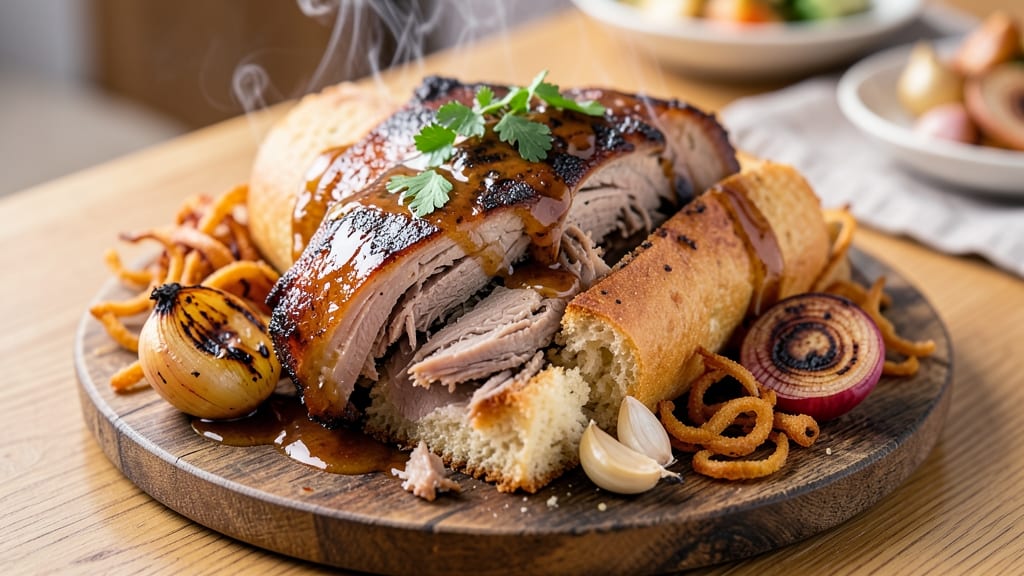
This Cookout Restaurant Pulled Pork Recipe delivers the same smoky-sweet tenderness you crave from your favorite BBQ joint—perfect for feeding a crowd. 🔥 After years of perfecting my technique, I’ve cracked the code for fall-apart pork that’s juicy, flavorful, and packed with that signature Carolina-style bark.
The secret? A balanced dry rub and slow cooking that transforms tough pork shoulder into melt-in-your-mouth perfection.
What sets this recipe apart is the two-stage seasoning—a dry rub for the bark and a tangy vinegar-based mop for keeping the meat moist during cooking. Whether you’re using a smoker, oven, or grill, the method ensures restaurant-quality results without requiring fancy equipment.
The sauce is simple but bold, with just the right balance of sweetness and heat to complement the rich, smoky pork.
By the time you’re ready to serve, you’ll have tender, shreddable pork that’s ready to pile onto buns, serve over rice, or mix into tacos. The bark is crispy, the meat falls apart with every pull, and the sauce ties it all together with a sticky, glossy finish.
This is the kind of pulled pork that turns a simple cookout into a memorable feast.
Pair it with classic sides like cornbread, coleslaw, and baked beans for the full Southern experience. The recipe scales effortlessly, so you can feed a crowd or prep for leftovers—because great pulled pork only gets better the next day. Let’s get cooking!
Ingredients for cookout restaurant pulled pork
Here's what you need to recreate that signature Cookout restaurant pulled pork at home.
| Ingredient | Amount | Notes |
|---|---|---|
| Pork Shoulder (Bone-In) 🐖 | 8 lb | Well-marbled for juiciness, skin on preferred |
| Yellow Onion 🧅 | 2 whole | Yellow or red, sliced into 1/2-inch pieces |
| Garlic Cloves 🧄 | 10 cloves | Fresh, peeled and smashed |
| Apple Cider Vinegar 🍎 | ½ cup | For tangy mop, not balsamic |
| Brown Sugar 🍚 | 1 cup | Packed, light or dark |
| Smoked Paprika 🌶️ | 2 tbsp | High-quality for deep smokiness |
| Ground Black Pepper 🌶️ | 1 ½ tbsp | Freshly cracked, coarse grind |
| Kosher Salt 🧂 | 1 ½ tbsp | Diamond Crystal preferred |
| Ground Cumin 🌿 | 1 tbsp | Toasted for richer flavor |
| Mustard Powder 🥫 | 1 tsp | Yellow or Dijon style |
| Black Peppercorns 🌶️ | 1 tsp | Whole, lightly crushed |
| Apple Cider 🍎 | 1 cup | Unfiltered for best flavor |
| Worcestershire Sauce 🍶 | 2 tbsp | Vegan if needed, Heinz preferred |
| Honey 🍯 | ½ cup | Wildflower or clover variety |
| Cayenne Pepper 🔥 | ½ tsp | Adjust for heat preference |
The pork shoulder is the star—look for a well-marbled cut with good fat cap. Costco or Butcher shops often carry the best quality, but any grocery store should have it labeled as 'pork shoulder' or 'Boston butt'. If you can't find bone-in, use boneless but add a few extra minutes to cooking time. The fat is what keeps this pork juicy, so don't trim it. For the dry rub, Penzeys or bulk spice sections at Whole Foods carry the best quality smoked paprika and cumin. If you're in a hurry, the grocery store spices work fine, just make sure they smell fresh.
No apple cider vinegar? White vinegar or red wine vinegar works in a pinch, though apple cider gives that signature tang. Running short on brown sugar? White sugar plus 1 tsp molasses gets you close. The Worcestershire sauce is non-negotiable for that umami depth—Lea & Perrins is the gold standard, but any good brand works. For heat, swap cayenne for red pepper flakes at half the amount. The mop sauce can be prepped ahead and stored in the fridge for up to 2 weeks. The dry rub keeps perfectly in an airtight container for 3 months—make extra for future smoky projects.
This pork is best made a day ahead—the flavors meld beautifully overnight. Store leftovers in the fridge for 5 days or freeze for 3 months by portioning into containers. The sauce thickens as it cools, so add a splash of water when reheating. For serving, I like to keep the pork in its cooking juices until right before eating—just shred and mix with the sauce. The bark gets crispier the longer it sits, so if you're prepping ahead, cover loosely with foil to keep it tender until serving time.
Why You'll Love This Recipe
- Foolproof Slow Cook: I swear by this method—just toss the pork shoulder, onion, and garlic in the slow cooker with vinegar and brown sugar, then walk away. No babysitting, no stress, and the results are restaurant-level tender.
- Sweet-Savory Magic: That apple cider vinegar and brown sugar combo? It’s the secret weapon—tangy, caramelized perfection that makes every bite irresistible. The garlic cloves? They melt into the meat, leaving you with layers of flavor.
- Game Day Gold: Between us, this is my go-to for tailgates, BBQs, or lazy Sundays. Shred it over buns, toss it in tacos, or pile it high on a sandwich—it’s the star of any spread, and honestly, no one will guess it’s homemade.
- Budget-Friendly Feast: A bone-in pork shoulder stretches farther than you’d think, and the ingredients? Basic pantry staples. I’ve fed six people for under $15, and the leftovers? Even better the next day when the flavors deepen. Pure win.
Step-by-step instructions for Cookout-style pulled pork
Here's how to create that signature Cookout tenderness—juicy, smoky, and effortlessly shreddable.
🔥 Step 1: Prepare and Season the Pork Shoulder
Remove the pork shoulder from the fridge and pat it dry with paper towels—this helps the rub adhere and creates better bark. In a large bowl, combine the 2 whole yellow onion (sliced), 10 cloves garlic cloves (smashed), 1 cup brown sugar, 2 tbsp smoked paprika, 1.5 tbsp ground black pepper, 1.5 tbsp kosher salt, 1 tbsp ground cumin, 1 tsp mustard powder, and 0.5 tsp cayenne pepper.
Mix thoroughly until the onions and garlic are fully coated with the spice blend. Then generously coat the pork shoulder with this mixture, pressing it into the meat so it penetrates the surface. Place the pork in a roasting pan fat-side up and let it sit at room temperature for 1 hour—this ensures even cooking and better flavor penetration.
🔥 Step 2: Slow-Cook Until Probe-Tender
Preheat your oven to 275°F. Place the pork shoulder in the oven and cook for 6 hours, then add 1 cup apple cider vinegar and 1 cup apple cider to the pan. Return to the oven and continue cooking for another 2-3 hours until the internal temperature reaches 195-203°F and a fork slides in like butter.
Here's the thing—don't rush this step. The low temperature breaks down the collagen in the pork, transforming it into gelatin that keeps the meat juicy. You'll know it's ready when the pork is fork-tender and the juices run clear. If it's not quite there, add another 30 minutes—patience pays off with perfect texture.
🥘 Step 3: Shred and Combine with Sauce
Remove the pork from the oven and let it rest for 15 minutes before shredding. Using two forks, pull the meat apart in the direction of the grain—you should get long, tender strands. Discard any large fat chunks or connective tissue. In a large bowl, combine the shredded pork with the cooking juices from the pan, 2 tbsp Worcestershire sauce, and 0.5 cup honey.
Mix gently but thoroughly to distribute the sauce evenly. The pork should be moist and glossy, with a sweet-smoky flavor that's ready to serve. If the sauce seems too thin, simmer it uncovered for 5-10 minutes to thicken slightly. This step ensures every bite is packed with flavor and moisture—no dry, stringy pork here.
⏰ Step 4: Rest and Serve
Transfer the pulled pork to a serving dish and tent loosely with foil. Let it rest for at least 10 minutes before serving—this allows the juices to redistribute, guaranteeing maximum tenderness. The pork should be so tender it practically falls apart at the touch, with a perfect balance of smoky, sweet, and tangy flavors.
Serve immediately on buns with your favorite toppings—pickles, coleslaw, or extra sauce. The key to great pulled pork is low-and-slow cooking, and this method delivers that signature Cookout-style tenderness every time. Leftovers? Store in an airtight container and reheat gently in the microwave or oven for 10-15 minutes with a splash of water or broth to keep it moist.
Pro Tips For Making Cookout Restaurant Pulled Pork
- USE A MEAT THERMOMETER: The apple cider vinegar and brown sugar in this recipe make the pork deceptively moist—until you check. Aim for 203°F in the thickest part, not 195°F like some guides say. I learned this after pulling a batch that looked perfect but fell apart when shredded.
- PEEL AND GRATE ONIONS: Skip chopping whole onions—they burn before the pork gets tender. Peel and grate them instead; the smaller surface area caramelizes faster and blends into the sauce without overpowering. I used to rush this and ended up with bitter chunks in every bite.
- ADD VINEGAR LATE: The acid in apple cider vinegar breaks down collagen, but too early and you’ll end up with a watery sauce. Stir it in only during the last 30 minutes of cooking. I once added it at the start, and the pork turned out mushy—don’t make that mistake.
- BROWN THE PORK FIRST: A crust on the meat means flavor. Sear the pork shoulder in batches over medium-high heat until deep brown before adding onions and garlic. It takes 10 extra minutes, but the difference in taste is worth it—especially when you’re feeding a crowd.
Regional styles of this dish
Carolina Smoky Style
This is the classic approach you’ll find at any Carolina cookout joint, where the focus is on bold smokiness and a perfect balance of sweet and tangy flavors.
The key here is using a vinegar-based mop during cooking—apple cider vinegar and apple cider create that signature tang that cuts through the richness. I like to add the mop in the final 2-3 hours of cooking to build that deep, sticky bark while keeping the meat moist. 🔥
For the dry rub, I lean into smoked paprika and brown sugar for that signature Carolina sweetness. The mustard powder adds a subtle tang that mirrors the mop, while the cayenne pepper brings just enough heat to keep things interesting.
Don’t skip the Worcestershire sauce in the final mix—it’s the secret ingredient that ties everything together with umami depth.
Texas-Style Bold Heat
If you prefer a bolder, spicier profile, Texas-style pulled pork is where it’s at. Swap the apple cider vinegar for white vinegar and add an extra ½ tsp cayenne pepper to the dry rub.
Texans also love to include chili powder—about 1 tbsp—for that signature heat. The sauce gets a kick too, with ½ tsp crushed red pepper flakes mixed into the honey and Worcestershire blend.
For serving, Texas-style pulled pork often comes with a side of pickled jalapeños and extra hot sauce on the table. I’ve seen some pitmasters even add a splash of beer to the cooking liquid—light lager or pale ale works best—to mellow out the heat while adding a malty depth.
The result? A pork that’s smoky, spicy, and packed with layers of flavor.
Kansas City Sweet & Sticky
Kansas City is all about that sweet, saucy goodness, and their pulled pork reflects that. The dry rub stays similar, but the sauce gets a serious upgrade with molasses—about ¼ cup mixed into the honey and Worcestershire.
This adds a deep, caramelized richness that’s unmistakably KC. The pork is often cooked with cherry wood chips for a fruitier, sweeter smoke profile that pairs perfectly with the molasses sauce.
For serving, Kansas City-style pulled pork is often piled high on brioche buns and topped with caramelized onions—I like to cook them slowly in butter until they’re deep golden and jammy.
The sauce is thicker here, almost like a glaze, and it’s not uncommon to see it drizzled over the top of the pork before serving. It’s sweet, it’s sticky, and it’s pure comfort food.
Memphis Dry Rub Focus
Memphis is where the dry rub truly shines, and their pulled pork is all about that crispy, spice-forward bark. The rub here is heavier on the black pepper—I use 2 tbsp coarse-ground pepper—and includes 1 tsp garlic powder and 1 tsp onion powder for extra depth.
The vinegar mop is still used, but it’s lighter—just ½ cup apple cider vinegar—so the rub’s flavors can really take center stage.
Memphis-style pork is often cooked with hickory wood chips for a stronger, earthier smoke. The sauce is simple—just honey and a touch of hot sauce—but the real star is that incredible bark.
It’s crispy, dark, and packed with flavor, almost like a spiced crust. Serve it on a soft potato bun with a side of crispy slaw for the full Memphis experience.
Nutrition facts
Frequently asked questions
Can I make this pulled pork in a slow cooker instead of the oven?
For a 6-8 lb pork shoulder, cook on low for 8 hours or high for 5-6 hours. Add the apple cider vinegar and cider during the last 2 hours to keep it moist. The key is patience—probe until it reaches 203°F for that signature tenderness.
How do I know when the pork is fully cooked?
Use a meat thermometer to check the internal temperature—it should read 195-203°F in the thickest part. The meat should also feel tender when pressed and pull apart easily with two forks. If it’s not quite there, add another 30-60 minutes—rushing leads to dry pork.
What’s the best way to reheat leftovers?
Gently reheat in a 350°F oven for 15-20 minutes with a splash of water or broth to keep it moist. Avoid microwaving—it dries out the meat. For extra flavor, add a spoonful of the original cooking juices or a touch of apple cider vinegar while reheating. Leftovers taste even better the next day!
Can I use a different cut of pork, like pork butt?
Yes! Pork butt (Boston butt) works perfectly—it’s essentially the same cut as pork shoulder but from the upper part of the shoulder. Just adjust cooking time slightly (1-2 hours less) since it’s leaner. For a 6-8 lb butt, aim for 5-6 hours at 275°F before adding the mop.
How do I store the dry rub for future use?
Store the dry rub in an airtight container at room temperature for up to 3 months. For longer storage, freeze it in small portions. Just