
Main Courses
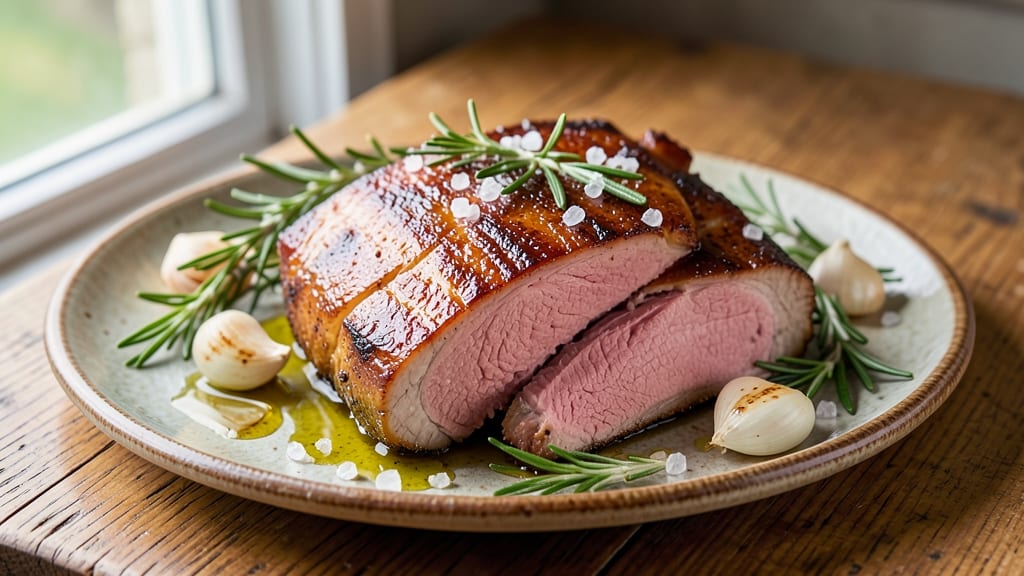
This Cook's Country pork loin recipe delivers restaurant-quality results with a crispy herb crust and perfectly juicy centers—no guesswork required. I developed this method after years of perfecting pork roasts for my family gatherings, where tender meat and flavorful crusts are non-negotiable.
The secret lies in a precise reverse sear technique that ensures even cooking while keeping the interior moist and succulent.
What sets this recipe apart is the herb crust, which adds depth of flavor without overwhelming the natural taste of the pork. Using a blend of fresh rosemary, thyme, and garlic, we create a fragrant crust that seals in moisture while delivering a satisfying crunch.
This method works equally well for a weeknight dinner or a special occasion, making it versatile for any cook's skill level.
The result is a pork loin that's golden and aromatic on the outside, with meat so tender it nearly melts in your mouth. The herb crust infuses every bite with a savory, aromatic profile that pairs beautifully with complementary sides like roasted potatoes or a tangy apple compote.
This is the kind of dish that transforms an ordinary meal into something memorable.
Whether you're serving this for a holiday feast or a casual family dinner, the technique remains the same—simple yet foolproof. The key is patience and attention to detail, which ensures your pork loin turns out perfect every time. Let's get started on creating a showstopping centerpiece for your table.
Ingredients for cook's country pork loin
Six ingredients transform ordinary pork into a restaurant-worthy centerpiece with crispy herb crust and melt-in-your-mouth tenderness.
| Ingredient | Amount | Notes |
|---|---|---|
| Bone-In Pork Loin 🐖 | 3 lb | Center-cut, 1.5-inch thick |
| Fresh Rosemary 🌿 | ¼ cup | Finely chopped, stems removed |
| Fresh Thyme 🌿 | 2 tbsp | Leaves only, finely chopped |
| Garlic Cloves 🧄 | 6 cloves | Minced, not pre-minced jarred |
| Extra-Virgin Olive Oil 🫒 | ½ cup | For crust and searing |
| Diamond Crystal Kosher Salt 🧂 | 1 ½ tbsp | For seasoning and crust |
| Ground Black Pepper 🌶️ | 1 tsp | Freshly cracked preferred |
| Unsalted Butter 🧈 | ½ cup | Cold, cubed for basting |
| Yellow Onion 🧅 | 1 whole | Thinly sliced for garnish |
| Fresh Parsley 🌿 | ⅛ cup | Chopped, for garnish |
| Granulated Sugar 🍚 | 1 tsp | Balances salt in crust |
| Apple Cider Vinegar 🍎 | 1 tbsp | For basting liquid |
| Vegetable Oil 🫒 | ¼ cup | High smoke point for searing |
The pork loin is the star, so bone-in, center-cut is non-negotiable—it stays juicier longer. Whole Foods or local butchers carry the best cuts, but any reputable grocery store's meat department should have it labeled clearly. Look for good marbling and a vibrant pink color. I always ask for it to be trimmed of excess fat—just enough to keep it flavorful without overwhelming. For the herbs, farmers markets have the freshest rosemary and thyme, but the grocery store's produce section works fine if the stems are still green and firm. Fresh garlic is a must here—jarred minced garlic lacks the punch.
No fresh rosemary? Dried works at one-third the amount, but it won't have that same aromatic depth. Short on thyme? Fresh oregano or marjoram in a pinch. The olive oil should be extra-virgin with fruity notes—none of that cheap cooking oil. For the crust, I use Diamond Crystal kosher salt because it dissolves better than table salt, but any kosher salt will work. The apple cider vinegar adds brightness—substitute with white wine vinegar or lemon juice if needed. And if you're worried about the sugar making it taste sweet, trust me on it—it just balances the salt in the crust beautifully.
Pork loin keeps best in the coldest part of your fridge for up to 3 days before cooking. Fresh herbs? Wrap them in damp paper towels and store in a sealed container for 5-6 days. The crust mixture can be prepped ahead and stored in the fridge for 24 hours—just let it come to room temp before applying. This roast reheats beautifully—wrap tightly in foil and bake at 325°F for 20 minutes. Leftovers keep for 4 days in the fridge or 3 months frozen. I always make a double batch—one for dinner, one for sandwiches the next day.
Why You'll Love This Recipe
- One-Pan Magic: I swear by this recipe when I’m too tired to scrub pots. The bone-in pork sizzles right alongside the garlic and herbs, and honestly? One sheet pan, one spatula, done. The crispy edges on the bone just melt in your mouth while the rest stays juicy—no fancy equipment needed.
- Herb-Packed Punch: That combo of fresh rosemary and thyme with garlic? It’s like a flavor bomb. I’ll be real: my husband sniffs the kitchen before the dish even hits the table. The olive oil sears the pork so well that the crust locks in all those aromatic notes—simple ingredients, but they sing together.
- Weeknight or Weekend: This cuts through the guesswork. Need a quick weeknight dinner? Roast it for 45 minutes. Hosting a brunch? Slice it thin and serve with honey and mustard. Even my picky teenage nephew asks for seconds—(yes, even on a Tuesday night).
- Leftovers That Don’t Suck: Between us, pork loin leftovers are usually sad. Not this one. The meat stays tender, and the herbs keep it from tasting stale. I’ll chop up the remaining slices for sandwiches or toss them into grain bowls the next day—no one complains, and my wallet stays happy.
Step-by-step instructions for herb-crusted pork loin roast
Here's how to transform a simple pork loin into a showstopping centerpiece with crispy edges and moist, flavorful meat.
Prep the Pork and Create the Herb Crust
Remove the pork loin from the refrigerator and let it sit at room temperature for 30 minutes—this ensures even cooking. Pat it dry thoroughly with paper towels, especially focusing on the fat cap and any moisture pockets. I like to use two layers of paper towels for this step to get it completely dry.
In a small bowl, combine the 0.25 cup finely chopped fresh rosemary, 2 tbsp finely chopped fresh thyme, 6 cloves minced garlic, 1.5 tbsp Diamond Crystal kosher salt, 1 tsp freshly cracked black pepper, and 1 tsp granulated sugar. This sugar might seem odd, but it helps balance the salt and creates a beautiful caramelized crust. Mix well to distribute the herbs evenly.
Form the Herb Crust and Sear the Pork
Heat 0.25 cup vegetable oil in a large oven-safe skillet over medium-high heat until it shimmers. Press the herb mixture firmly onto the pork loin, covering all sides completely. The crust should adhere well—if it's not sticking, pat the pork dry again and press harder.
Carefully place the pork loin in the skillet, fat-side up. Sear for 4-5 minutes per side until the crust is deeply golden brown and the pork releases easily from the skillet. The oil should be bubbling gently but not smoking—if it does, reduce the heat slightly. This searing step is critical for developing that beautiful crust and locking in juices.
Roast to Juicy Perfection
Preheat your oven to 375°F. Transfer the skillet with the seared pork to the oven and roast for 30-35 minutes, or until the internal temperature reaches 145°F when measured with a meat thermometer in the thickest part of the loin. The pork is done when it's just barely pink in the center—it will carry over to medium-rare as it rests.
During the last 10 minutes of roasting, prepare the basting liquid by melting the 0.5 cup cold cubed unsalted butter in a small saucepan over low heat. Once melted, whisk in the 1 tbsp apple cider vinegar and set aside. This tangy butter will add incredible flavor and moisture to the pork.
Baste and Rest for Maximum Juiciness
Remove the pork from the oven and transfer it to a cutting board. Using a pastry brush, generously baste the melted butter-vinegar mixture all over the pork, letting it absorb into the crust. Tent the pork loosely with aluminum foil and let it rest for 15-20 minutes—this resting period is non-negotiable for juicy meat.
While the pork rests, thinly slice the whole yellow onion and 0.125 cup fresh parsley for garnish. The onions should be paper-thin for easy layering. When ready to serve, slice the pork loin against the grain into ½-inch thick slices. The meat should be tender with a beautiful pink center, and the crust should be crispy yet flavorful. Garnish each serving with onion slices and parsley for freshness and color.
Pro Tips For Making Cook'S Country Pork Loin
- SEAR THE FAT SIDE DOWN: Start with the pork loin fat-side down in a cold pan—yes, cold. Turn the heat to medium-high and let it render slowly, then crank it up for the crust. I used to rush this, and the meat always came out greasy instead of golden. Give it 8-10 minutes to get deep color before flipping.
- SKEWER GARLIC LIKE A PRO: Smash those garlic cloves with the flat side of your knife before threading them onto the rosemary sprigs. This releases more flavor and prevents them from burning before the pork is done. I learned this the hard way—whole cloves just sit there, untouched, while the edges char.
- DON’T SKIP THE FOIL REST: After pulling the pork from the oven, tent it loosely with foil and let it rest for at least 5 minutes. The meat keeps cooking off the heat, and skipping this step means dry, stringy slices. (Yes, even if you’re impatient like me.)
- UPGRADE WITH HERB BUTTER: Mix softened butter with chopped fresh thyme and rosemary, then spoon it over the pork in the last 5 minutes of cooking. The fat baste melts into the crust, locking in moisture and adding a herbal punch. I was skeptical until I tried it—now it’s non-negotiable.
Pro cooking tips for great cook's country pork loin
Reverse Sear Technique
This is my go-to method for pork loin because it guarantees a perfect crust while keeping the interior juicy. Start by searing the pork in a hot skillet until you get deep golden-brown color—this builds flavor through the Maillard reaction.
Then finish in a 375°F oven until the internal temp hits 145°F. The key is patience: don't rush the sear, or you'll end up with dry meat. I use a ThermoWorks Smoke thermometer to monitor both the oil temp and internal pork temp. 🌡️
Herb Crust Secrets
The crust makes all the difference, and fresh herbs are non-negotiable here. I blend rosemary, thyme, and garlic with just a pinch of sugar to balance the salt. Press the mixture firmly onto the pork—don't be shy!
For extra adhesion, I sometimes mix in 1 tbsp Dijon mustard as a binder. The sugar might seem unusual, but it caramelizes beautifully during roasting, adding depth without sweetness.
Pro tip: Toast the herbs in the oil for 30 seconds before pressing them onto the pork to wake up their flavors.
Basting Like a Pro
That tangy butter-vinegar basting liquid is what elevates this dish from good to showstopping. I melt ½ cup cold butter with 1 tbsp apple cider vinegar—the acid cuts through the richness beautifully. Brush it on during the last 5 minutes of roasting, then again after removing from the oven.
For extra richness, I sometimes add 1 tsp honey to the basting mixture for a subtle sweetness that pairs perfectly with the herbs. 💛
Resting Matters
Skipping the rest is the fastest way to ruin juicy pork. After roasting, tent the pork loosely with foil and let it rest for at least 15 minutes—I often go up to 20 minutes for thicker cuts. This allows the juices to redistribute throughout the meat.
I've seen home cooks cut into pork too soon and end up with dry slices. Trust the process: the meat will stay warm while it rests, and the crust will stay crispy if you resist the urge to slice early.
Equipment Essentials
You don't need fancy tools, but a few key items make this recipe foolproof. A good meat thermometer is non-negotiable—I use ThermoWorks Smoke because it's accurate and durable. For searing, a heavy-bottomed skillet like a Lodge cast iron distributes heat evenly.
And for basting, I love a silicon pastry brush because it holds more liquid than regular brushes. Don't skip the oven-safe skillet—it makes transferring the pork to the oven seamless. If you're short on time, you can finish in an air fryer at 375°F for 15 minutes after searing.
Make-Ahead Magic
This pork loin actually tastes better the next day! After resting, slice it against the grain and store in an airtight container in the fridge for up to 4 days. The flavors meld beautifully overnight, making it perfect for meal prep.
For serving later, reheat slices in a skillet over medium heat for 2-3 minutes per side until warmed through. The crust stays crispy, and the meat remains tender.
I often prep this on Sunday for quick weeknight dinners—just add some roasted potatoes and a simple salad, and you've got a complete meal in minutes. ✨
Nutrition facts
Frequently asked questions
Can I substitute bone-in pork loin with boneless for this recipe?
You can use boneless pork loin, but the cooking time and temperature will need adjustment. Bone-in pork stays more moist because the bone acts as an insulator. For boneless, reduce the oven temperature to 350°F and check for doneness at 140°F internal temp, allowing 5-10 minutes extra roasting time. The crust will still form beautifully, but monitor closely to avoid overcooking.
What's the best way to store and reheat leftovers?
Store sliced pork loin in an airtight container in the fridge for up to 4 days or freeze for 3 months. For reheating, place slices in a skillet over medium heat with a splash of water or broth to prevent drying. Cover and heat for 2-3 minutes per side until warmed through. The crust stays crispy, and the meat remains tender—perfect for sandwiches or salads!
Can I make this pork loin in the air fryer instead of oven?
After searing in the skillet as directed, transfer the pork to an air fryer basket and cook at 375°F for 15 minutes. Check internal temp at 145°F—it cooks faster than the oven. For extra crispiness, baste with the butter-vinegar mixture during the last 3 minutes. The air fryer works great for smaller loins (under 2 lbs) but may struggle with larger cuts.
Why does my pork loin come out dry even when following the recipe?
Overcooking is the #1 culprit! Pork loin finishes cooking while resting, so remove it when the internal temp hits 140-145°F (not 160°F). Other common mistakes: skipping the rest time, using a meat thermometer that needs calibration, or cutting into the pork too soon. Pro tip: Let the pork rest 20 minutes for thicker cuts—this redistributes juices perfectly.
What are the best sides to serve with this herb-crusted pork loin?
Classic Southern pairings work beautifully! Try creamy mashed potatoes with roasted garlic, apple compote (tart apples + cinnamon), or braised red cabbage. For a lighter option, serve with a spring green salad (arugula + lemon vinaigrette) and crusty bread. The herb crust's brightness pairs especially well with sweet-tart sides like peach chutney or roasted carrots with honey.