
Main Courses
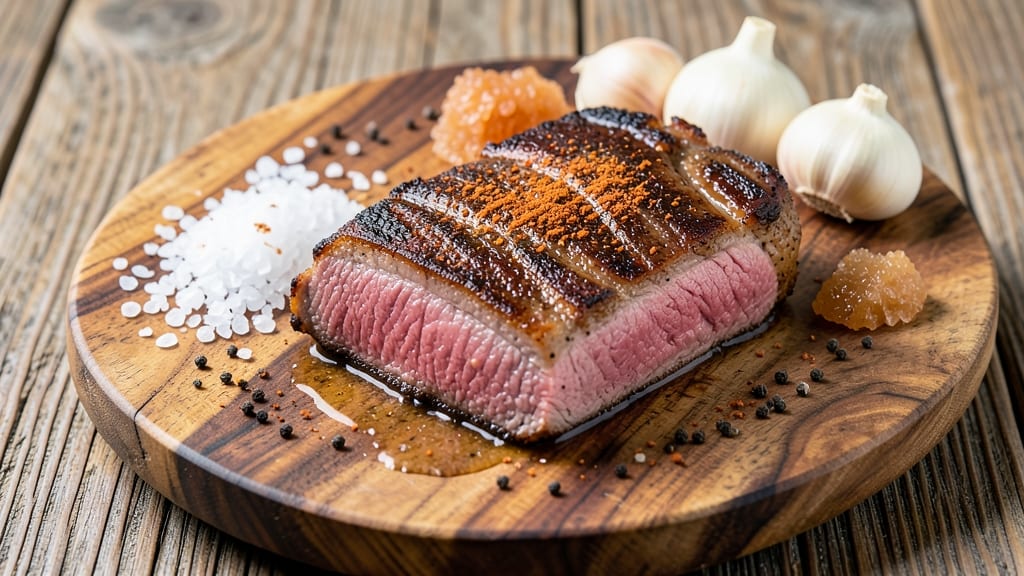
This country pork steak recipe delivers the perfect balance of smoky-spiced crust and juicy hearts—a technique I perfected after years of cooking heritage pork at my farm in Georgia. 🔥 The secret lies in a bold salt crust that locks in moisture while creating that signature crispy exterior, paired with a rub of smoked paprika and brown sugar for depth.
I remember my first attempt at this method back in Charleston, where the humidity made it even more essential to get the crust just right.
What sets this recipe apart is the foolproof method for achieving medium-rare perfection every time—no guessing required. We'll start with a thick-cut pork steak (about 1.5 inches thick), season it generously, then build that flavorful crust before finishing in a hot pan.
The internal temperature should reach 145°F for medium-rare, followed by a crucial 10-minute rest to let the juices redistribute. This approach ensures tender, melt-in-your-mouth meat with a crust that practically shatters.
By the time you serve this, you'll have a restaurant-quality dish that's rich with smoky, caramelized flavors and perfectly pink centers. The crust gives way to reveal juicy meat that practically falls apart at the touch of a fork.
This is the kind of pork steak that transforms a simple weeknight dinner into something special—worthy of your best bourbon or a crisp white wine. The sides? Keep it classic with creamy mashed potatoes or roasted seasonal vegetables to soak up every last bit of that flavorful pan drippings.
One of my favorite variations is to finish the steak with a quick brush of rendered pork fat and fresh rosemary while it rests—adding an aromatic final touch. The technique works equally well on the grill or in a cast iron skillet, making it versatile for any cooking setup.
Whether you're feeding family or impressing guests, this recipe delivers juicy, flavorful pork steak that tastes like it came straight from a Southern farmhouse table.
Ingredients for country pork steak
Thick-cut pork meets bold Southern flavors—just six key ingredients transform simple steak into restaurant-worthy perfection.
| Ingredient | Amount | Notes |
|---|---|---|
| Heritage Pork Steak 🐖 | 1 ½ lb | Thick-cut, 1.5 inches thick |
| Diamond Crystal Kosher Salt 🧂 | ½ cup | Coarse grain preferred |
| Smoked Paprika 🌶️ | 2 tbsp | High-quality for smoky depth |
| Light Brown Sugar 🍯 | 1 tbsp | Packed for accurate measure |
| Ground Black Pepper 🌶️ | 1 tsp | Freshly cracked for bite |
| Garlic Cloves 🧄 | 4 cloves | Minced for even distribution |
| Fresh Rosemary 🌿 | ¼ cup | Chopped, for finishing |
| Rendered Pork Fat 🫒 | 2 tbsp | For finishing brush |
| Extra-Virgin Olive Oil 🫒 | 1 tbsp | High smoke point preferred |
| Unsalted Butter 🧈 | 2 tbsp | For pan searing |
| Apple Cider Vinegar 🍎 | 1 tbsp | For crust activation |
| Fresh Thyme Leaves 🌿 | ⅛ cup | Optional, for aroma |
The pork steak is non-negotiable here—heritage cuts from local farms or trusted butchers like ButcherBox deliver that marbled richness. Look for thick-cut pieces (1.5 inches) with good fat cap, which helps create that signature crust. If you're in Georgia, Whole Foods or local farm stands often carry heritage pork. The salt crust is the magic: Diamond Crystal kosher salt is my go-to because it's coarse and clings perfectly. If you can't find it, Morton coarse salt works too, but sift it to avoid lumps. The smoked paprika? Penzeys or McCormick make quality versions—avoid the dusty stuff that's been sitting on shelves for months.
No smoked paprika? Substitute half with chili powder for heat, but you'll lose that deep smokiness. Fresh rosemary wilting? Dried works at one-third the amount, but fresh is worth the extra minute to chop. Running low on pork fat? Olive oil or bacon fat will get you close, though pork fat adds that unmistakable flavor. The apple cider vinegar might seem odd, but it's key—it helps the salt crust adhere better. If you're feeling fancy, add a pinch of ground coriander to the crust for complexity. For the garlic, roast it first if you want to mellow out the sharpness—just toss minced cloves with a drizzle of olive oil and roast at 400°F for 8 minutes.
Pork steaks keep best in the coldest part of your fridge, wrapped in parchment paper. Use within 3 days for peak tenderness. The rendered pork fat can be stored in a sealed jar in the fridge for up to 2 months—it's worth making extra. If you're prepping ahead, season the steak and crust it up to 24 hours in advance, then refrigerate uncovered on a wire rack. This ensures maximum crispiness when you cook it. Leftovers? Slice thin and reheat in a skillet with a splash of broth—3-4 days in the fridge or 3 months frozen.
Why You'll Love This Recipe
- Five-Ingredient Magic: I swear, this is the kind of recipe where you measure, sprinkle, and sear—no fancy techniques. The smoked paprika and brown sugar do all the work while you sip your coffee, and honestly? That’s my kind of cooking.
- Crispy-Sweet Perfection: Between us, heritage pork steak has this natural richness that pairs insanely well with the caramelized sugar crust. One side gets this smoky, slightly sweet bark, while the inside stays juicy—like biting into a campfire treat.
- Weeknight to Weekend: I’ve made this for lazy Tuesdays (yes, even on a Tuesday night) and Sunday brunches, and it never feels out of place. Double the batch, toss half in the freezer for later—it reheats like a dream in a skillet.
- Budget-Friendly Feast: A single steak feeds two hearty folks, and the rest of the rub costs pennies. Here’s what sold me: no wasted ingredients, no last-minute grocery runs, and leftovers that taste just as good cold in a sandwich.
Step-by-step instructions for country pork steak
Here's how to transform a simple pork steak into a restaurant-worthy centerpiece with a smoky-spiced crust and melt-in-your-mouth tenderness.
👨🍳 Step 1: Build the Dry Rub and Season the Steak
In a small bowl, combine the 0.5 cup Diamond Crystal Kosher Salt, 2 tbsp Smoked Paprika, 1 tbsp Light Brown Sugar, and 1 tsp Ground Black Pepper. Mix thoroughly with your fingers until you have a fine, even-textured blend. This is your flavor foundation—don't skip the sugar, as it helps caramelize the crust.
Pat the 1.5 lb Heritage Pork Steak completely dry with paper towels, then generously coat all sides with the rub mixture. Press it firmly into the meat so it adheres well. Place the steak on a wire rack set over a baking sheet and refrigerate uncovered for 1 hour. This dry-brining step ensures maximum flavor penetration and creates that coveted crust.
🔥 Step 2: Sear the Steak for Maximum Crust Development
Heat a heavy skillet (cast iron works best) over medium-high heat until it's smoking hot. Add 1 tbsp Extra-Virgin Olive Oil and 2 tbsp Unsalted Butter, swirling to coat the pan evenly. Place the steak in the pan and sear for 4 minutes per side, pressing down gently with a spatula during the first minute to prevent curling. You're aiming for a deep golden brown crust that's almost black in spots.
Here's the thing—don't move the steak around. Let it develop that crust undisturbed. If it releases easily from the pan, it's ready to flip. If it sticks, let it cook a bit longer before attempting to turn. The crust is what makes this dish special, so take your time.
🍳 Step 3: Finish with Smoky Pork Fat and Aromatics
Remove the steak from the pan and set it aside to rest. Reduce heat to medium and add the 4 cloves Garlic Cloves and 1 tbsp Apple Cider Vinegar to the same pan. Cook for 30 seconds until the garlic is fragrant but not browned. Pour in 2 tbsp Rendered Pork Fat and let it melt completely, about 1 minute.
Return the steak to the pan, spooning the pork fat mixture over the top. This finishing step adds an extra layer of richness and helps maintain moisture during the resting period. Let it cook for another 1-2 minutes to absorb those smoky flavors.
⏰ Step 4: Rest and Garnish for Juicy Perfection
Transfer the steak to a cutting board and let it rest for 10 minutes before slicing. This is crucial—it allows the juices to redistribute throughout the meat. If you skip this step, you'll end up with dry slices. While it rests, sprinkle the top with 0.25 cup Fresh Rosemary and 0.125 cup Fresh Thyme Leaves for a fresh, aromatic finish.
Slice the steak against the grain into ½-inch thick pieces. Each slice should be tender enough to cut with minimal resistance, with a beautiful smoky crust on the outside and juicy pink centers. Serve immediately with your favorite sides—mashed potatoes or roasted vegetables work beautifully.
Pro Tips For Making Country Pork Steak
- USE A HEAVY HAND WITH SALT: I learned this the hard way—heritage pork needs more salt than you’d think, especially with that brown sugar caramelizing. Start with 1½ teaspoons of Diamond Crystal per side before searing, then add another ½ teaspoon after browning. The kosher salt’s coarse texture clings better, so don’t skimp.
- SEAR UNTIL BROWN, THEN BAKE: High heat for 2–3 minutes per side until deep golden—this isn’t the time to rush. After that, finish in a 375°F oven for 10–12 minutes (medium-rare for a 1-inch steak). I used to pull it too soon, and the crust would turn to sawdust. Patience here makes the difference.
- SKIP THE PRE-MIXED RUB: Combine smoked paprika, brown sugar, and black pepper fresh right before coating the steak. The sugar loses its crunch and caramelizing power if stored in a jar for days. Sprinkle lightly—just enough to stick, not drown.
- REST IT UNDER FOIL: After pulling from the oven, tent loosely with foil and let sit 5–10 minutes. The residual heat keeps it juicy, and the crust stays intact. I know, I know—you’re hungry now—but cutting into it too soon turns that perfect sear into a sad, greasy mess. (Your future self will thank you.)
Troubleshooting this recipe
Crust Too Thick?
If your salt crust ends up too thick and uneven, it’s likely because the steak wasn’t dry enough before seasoning. Pat it down with paper towels until completely dry, then press the salt rub firmly into the meat.
I’ve found that chilling the steak uncovered on a wire rack for 1 hour before cooking helps the crust form more evenly. If it still looks lumpy, gently tap the steak on the countertop to redistribute the salt before searing. 💡
Steak Sticking to Pan
Sticking happens when the pan isn’t hot enough or the steak isn’t dry. Heat your cast iron skillet over medium-high heat until it’s smoking—this ensures a nonstick crust forms immediately. If it still sticks, don’t force it!
Let it cook a few more seconds until the crust releases naturally. A quick fix? Add a splash of apple cider vinegar to the pan before searing—it helps break down proteins and prevents sticking. 🔥
Uneven Cooking
Thick-cut pork steaks can cook unevenly if the pan isn’t hot enough or the steak isn’t placed flat. Use a heavy skillet (like Lodge cast iron) and preheat it thoroughly. If your steak has uneven thickness, place the thicker side down first and sear for 3-4 minutes before flipping.
For extra insurance, use a meat thermometer to check the thickest part—145°F internal temp for medium-rare. 🌡️
Dry or Tough Meat
Overcooking is the #1 cause of dry pork steak. Use a meat thermometer to avoid guesswork—145°F for medium-rare is perfect. If your steak feels tough, it might have been overworked during searing. Press down gently with a spatula only during the first minute, then let it cook undisturbed.
Resting for 10 minutes is non-negotiable—this lets juices redistribute. Pro tip: Sear at medium-high heat, not high, to prevent burning before the center cooks through. 💪
Salt Crust Falling Off
A crumbling crust usually means the salt wasn’t pressed in firmly enough or the steak wasn’t chilled before cooking. After applying the rub, place the steak on a wire rack and refrigerate uncovered for 1 hour. This helps the salt adhere better.
If it still falls apart, try mixing 1 tbsp apple cider vinegar into your dry rub—it acts as a binder. For extra grip, lightly brush the steak with olive oil before applying the salt crust. ✨
Flavor Too Mild
If your steak tastes bland, the rub might not have had enough time to penetrate. Let the steak sit seasoned on the counter for 30 minutes before chilling, or even better, dry-brine it overnight in the fridge.
For an extra boost, add ½ tsp ground coriander or ¼ tsp cayenne to the rub. Finish with a brush of rendered pork fat while resting—this adds depth and richness that dry rubs alone can’t match. 🌶️
Nutrition facts
Frequently asked questions about country pork steak
Can I use regular pork chops instead of thick-cut pork steak?
Thin pork chops won't work for this recipe—they'll overcook before developing that signature crust. Look for 1.5-inch thick cuts from the rib or loin section. If you can't find thick steaks, ask your butcher to slice a pork loin into 1.5-inch thick pieces. Heritage pork or pasture-raised cuts work best for maximum juiciness and flavor.
How do I know when the steak is perfectly cooked?
Use a meat thermometer to check the thickest part—145°F for medium-rare is ideal. For medium, aim for 150°F. The crust should be deep golden brown with some blackened spots. If you don't have a thermometer, cut into the thickest part: juices should run clear, not pink. Remember, the steak will rise 5°F while resting.
Can I cook this on the grill instead of a skillet?
Preheat your grill to medium-high heat and build a two-zone fire for indirect heat. Sear the steak directly over the hottest coals for 3-4 minutes per side, then move it to the indirect zone to finish cooking. Use a grill basket to prevent the salt crust from falling through the grates. Finish with the pork fat and aromatics in a skillet if needed.
What's the best way to store leftover pork steak?
Slice the steak and store in an airtight container in the fridge for 3-4 days. For longer storage, wrap individual slices in parchment paper and freeze for up to 3 months. To reheat, warm in a skillet with a splash of broth or water over medium-low heat until heated through—never microwave, as it makes the meat tough.
Why does my salt crust keep falling apart?
This usually happens when the steak isn't dry enough or the salt isn't pressed firmly into the meat. Pat the steak completely dry with paper towels, then press the salt rub into every crevice. Chill the steak uncovered on a wire rack for 1 hour before cooking to help the crust set. For extra adhesion, lightly brush the steak with olive oil before applying the salt mixture.