
Main Courses
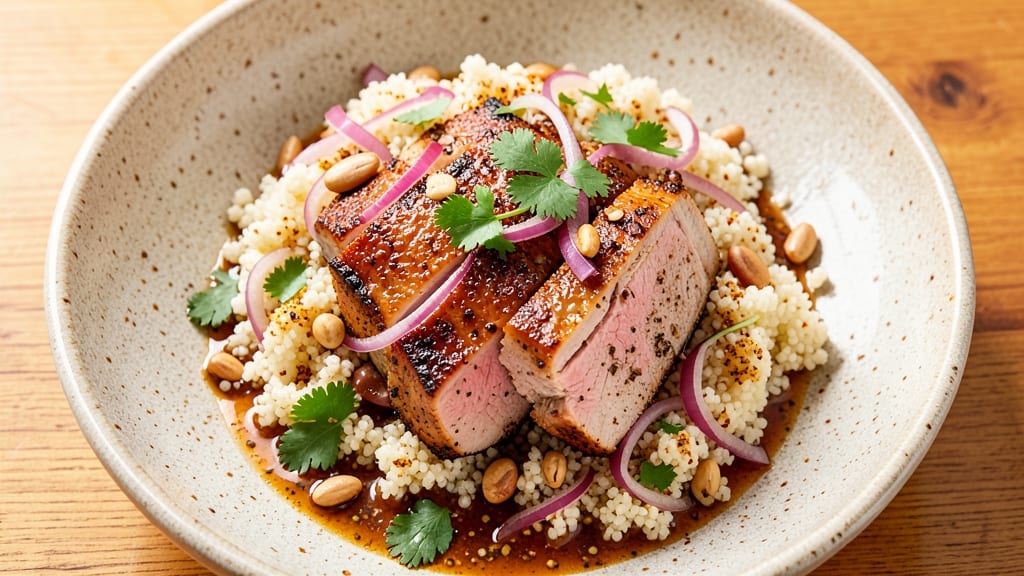
Moroccan-spiced couscous pork transforms a simple weeknight dinner into a flavor-packed adventure with just one pan. I developed this recipe after years of perfecting North African techniques in my Charleston kitchen—where the scent of cumin and cinnamon still lingers in the air. The secret lies in braising the pork until it’s fork-tender while letting the couscous absorb the rich, aromatic broth directly in the same pot.
What makes this dish special is the balance of textures: crispy pork shoulder that falls apart at the touch, fluffy couscous with each grain separate, and a sauce thickened with toasted spices that clings to every bite.
No fancy equipment needed—just a heavy pot and patience. The spices (cumin, coriander, cinnamon) create layers of warmth that cut through the richness of the pork, while a splash of lemon brightens the finish.
By the time you serve this, your table will smell like a bustling Moroccan market, and every forkful will deliver tender meat, fragrant couscous, and a sauce that’s both comforting and complex.
The dish scales beautifully—doubling the spices and pork easily feeds a crowd while keeping the same restaurant-quality results. Perfect for family dinners or special occasions where you want to impress without stress.
Pair it with a simple green salad dressed in lemon vinaigrette or steamed harissa-roasted vegetables for a complete meal. The leftovers, if there are any, reheat beautifully—making this a practical choice for busy weeks. Now let’s get cooking.
Ingredients for couscous pork
Moroccan spices, tender pork, and fluffy couscous—this one-pan dinner delivers restaurant flavors with minimal effort.
| Ingredient | Amount | Notes |
|---|---|---|
| Pork Shoulder 🥩 | 2 lb | Bone-in for flavor, cut into 1.5-inch cubes |
| Instant Couscous 🌾 | 1 cup | Uncooked, pearl or regular variety |
| Ground Cumin 🌿 | 1 ½ tbsp | Toasted for deeper aroma |
| Ground Coriander 🌿 | 1 tbsp | Freshly ground preferred |
| Cinnamon 🌿 | ½ tsp | Ceylon preferred for delicate flavor |
| Turmeric 🌶️ | ½ tsp | Brightens the spice blend |
| Garlic Cloves 🧄 | 6 cloves | Minced for even distribution |
| Onion 🧅 | 1 whole | Yellow or red, diced |
| Chicken Broth 💧 | 2 cups | Low-sodium preferred |
| Dry White Wine 🍷 | ½ cup | Sauvignon Blanc works well |
| Lemon Juice 🍋 | 2 tbsp | Freshly squeezed |
| Olive Oil 🫒 | 2 tbsp | Extra-virgin for richness |
| Salt 🧂 | 1 ½ tsp | Diamond Crystal preferred |
| Black Pepper 🌶️ | ½ tsp | Freshly ground |
| Fresh Parsley 🌿 | ¼ cup | Chopped for garnish |
The pork shoulder is the star—look for cuts with good marbling at Harris Teeter or Whole Foods. Bone-in adds flavor, but boneless works if you're short on time. Toast your spices in the pot before adding liquid—this releases their oils and deepens the aroma. I always grab Penzeys spices when I'm stocking up, but the regular grocery store brands work fine for this recipe. The couscous should be the pearl variety, not the tiny Israeli kind—it holds up better to the braising process.
No white wine? Extra chicken broth with a splash of apple cider vinegar mimics the acidity. Fresh cumin and coriander make all the difference, but dried works at double the amount if that's what you've got. The onion can be swapped for shallots if you're feeling fancy. For extra richness, add a tablespoon of tahini to the sauce at the end. The lemon juice is non-negotiable though—it brightens everything and cuts through the richness of the pork.
This reheats beautifully—honestly better the next day as flavors meld. Store in an airtight container for 4-5 days in the fridge or freeze portions for 3 months. I always make a double batch because it's perfect for lunches. The couscous stays fluffy if you reheat it covered with a damp paper towel. Garnish with fresh parsley right before serving—it adds that restaurant-quality finish.
Why You'll Love This Recipe
- Pantry-to-Table Magic: I swear by this recipe when I’ve got nothing but spices and a pork shoulder in the fridge. No fancy prep—just chop the meat, toss it with cumin, coriander, and cinnamon, then let the slow cooker do the rest. The couscous fluffs up in minutes while the pork falls apart like it’s been braising all day.
- Spice Bomb Flavor: That trio of cumin, coriander, and cinnamon? It’s a warm, earthy hug in every bite. The pork gets this deep, smoky richness, while the couscous soaks up all the juices—like a cozy blanket for your taste buds. (Yes, even on a Tuesday night.)
- Leftovers That Beg for More: Between us, this dish tastes better the next day. The pork stays tender, the couscous stays light, and the spices only get more intense. I’ve reheated portions for lunch three times without getting sick of it—and neither has my family.
- Budget Meal, Big Impact: Pork shoulder is cheap, couscous is cheap, and those spices? A tiny bag lasts forever. I feed four people for under $15, and everyone leaves happy. Honestly, it’s the kind of recipe that makes me feel like I’m feeding a crowd without breaking the bank.
Step-by-step instructions for Moroccan-spiced couscous pork
This one-pan wonder brings rich Moroccan flavors to your table with minimal effort.
Season and Sear the Pork Shoulder
Pat the 2 lb pork shoulder dry with paper towels—this ensures crispy edges later. In a large bowl, combine the 1.5 tbsp ground cumin, 1 tbsp ground coriander, 0.5 tsp cinnamon, 0.5 tsp turmeric, 1.5 tsp salt, and 0.5 tsp black pepper. Rub this spice blend all over the pork, pressing it into the meat so it sticks.
Heat a large Dutch oven over medium-high heat. Add the 2 tbsp olive oil and let it get hot but not smoking. Add the pork shoulder and sear on all sides until deeply browned—about 5-6 minutes total. This step builds incredible flavor through the Maillard reaction. Remove the pork and set it aside temporarily.
Sauté Onions and Garlic for Flavor
In the same Dutch oven, add the 1 whole onion (diced) and cook for 5-6 minutes until softened and golden. The onions should release their moisture and caramelize slightly at the edges. Add the 6 cloves garlic (minced) and cook for 30 seconds until fragrant—don't let it brown or it'll turn bitter.
Here's the thing—don't rush this step. The onions need time to break down and develop sweetness that'll carry through the entire dish. If they're still raw-tasting, keep cooking them another minute or two.
Deglaze and Simmer the Base
Pour in the 0.5 cup dry white wine and scrape up all those browned bits from the bottom of the pan with a wooden spoon. This deglazing step captures all the meaty flavor that would otherwise go down the drain. Let it simmer for 2-3 minutes until the wine reduces by half and becomes slightly syrupy.
Add the 2 cups chicken broth and 2 tbsp lemon juice. Bring to a gentle simmer, then return the pork shoulder to the pot. Cover and cook for 1 hour and 15 minutes, turning the pork occasionally. This slow cooking time ensures tender, fall-apart meat.
Add Couscous and Finish Cooking
After the pork has cooked, remove it from the pot and set it aside. Stir in the 1 cup instant couscous and cook for 3-4 minutes until it absorbs most of the liquid and becomes fluffy. If it looks dry, add a splash of water or broth to finish cooking it.
Return the pork to the pot and let everything cook together for another 5 minutes. The couscous will soak up the remaining juices from the pork, creating a perfect balance of flavors in every bite. Taste and adjust seasoning if needed—sometimes the spices need a little more salt to really pop.
Rest and Garnish for Serving
Let the dish rest for 5 minutes before serving. This resting period allows the juices to redistribute throughout the pork and couscous, ensuring maximum flavor in every bite. Sprinkle with the 0.25 cup chopped fresh parsley just before serving for a pop of color and freshness.
Serve immediately with a simple green salad or warm flatbread. The couscous will be perfectly fluffy, the pork will be tender and infused with Moroccan spices, and the sauce will be rich and aromatic. This dish comes together beautifully with minimal effort, making it perfect for weeknight dinners or special occasions alike.
Pro Tips For Making Couscous Pork
- Sear the Pork Shoulder First: After burning three batches of pork shoulder, I finally learned to sear it hard in a hot pan with 2 tablespoons of oil before slow cooking—this locks in flavor and gives the finished dish a deep, caramelized base that instant couscous can’t compete with. Don’t skip this, even if you’re impatient.
- Toast the Spices Together: Dry-toast the ground cumin, coriander, and cinnamon in the same pan you seared the pork for 30 seconds until fragrant—this wakes up their flavors and prevents the couscous from tasting like dust. I was skeptical until I tried it; now I never skip it.
- Use Chicken Stock, Not Water: The couscous needs liquid to cook, but water makes it bland. Use 1 cup of low-sodium chicken stock instead—it adds richness and depth that water can’t match, especially when paired with the pork’s natural juices. (Yes, even if you’re lazy and reach for bouillon cubes.)
- Rest the Pork Before Slicing: Let the cooked pork shoulder rest for 10 minutes under foil after pulling it from the oven or slow cooker—this guarantees it stays juicy when sliced. I learned this the hard way when my first attempt turned into a dry, sad pile of meat. Patience here makes all the difference.
Creative variations of this couscous pork
Moroccan Spice Blend Twist
Swap ground cumin for harissa paste—just 1 tbsp—to add smoky depth and instant heat. I love using Penzeys Harissa for its balanced spice profile. For extra warmth, add ½ tsp smoked paprika to the spice rub.
This variation is perfect if you're serving guests who enjoy a little kick without overwhelming the dish. 🌶️
Lemon-Herb Couscous
Brighten the couscous by stirring in 1 tbsp lemon zest and 2 tbsp chopped fresh mint or cilantro during the final 5 minutes of cooking. The acidity cuts through the richness of the pork while adding a refreshing herbal note.
For a more pronounced flavor, add 1 tsp grated lemon peel to the initial spice rub. This works especially well with Sauvignon Blanc-infused couscous.
Creamy Tahini Sauce
For a richer finish, stir 2 tbsp tahini into the sauce during the last 5 minutes of cooking. Thin it with 1 tbsp warm water first to prevent clumping. The nutty, creamy texture pairs beautifully with the tender pork.
I also add 1 tsp honey to balance the tahini’s earthiness. This variation is inspired by my time in Charleston, where Middle Eastern and Southern flavors blend seamlessly. 💫
Spicy Harissa Roasted Vegetables
Roast 1 lb mixed vegetables (like bell peppers, zucchini, and red onions) with 1 tbsp harissa and 1 tbsp olive oil at 400°F for 25 minutes before serving. The charred, spicy veggies add texture and contrast to the creamy couscous and tender pork.
This side is a crowd-pleaser and uses the same harissa you might already have in your spice blend twist.
Slow-Cooker Adaptation
For a hands-off version, brown the pork in a skillet first, then transfer everything to a 6-quart slow cooker with the onions, garlic, wine, broth, and spices. Cook on LOW for 6-7 hours or HIGH for 3-4 hours.
Stir in the couscous during the last 10 minutes—no need to remove the pork. This method is perfect for busy weeknights and keeps the flavors just as vibrant. ⏰
Sweet and Tangy Glaze
Add 2 tbsp apricot jam and 1 tbsp apple cider vinegar to the sauce during the final 5 minutes of cooking. The sweet-tangy glaze caramelizes slightly, creating a sticky, flavorful coating on the pork.
This variation is inspired by my childhood memories of Georgia’s sweet-and-sour BBQ traditions. It’s a great way to add a touch of familiarity to the Moroccan-inspired dish.
Nutrition facts
Frequently asked questions
Can I use chicken broth instead of white wine?
Yes, you can substitute 0.5 cup chicken broth for the white wine, but add 1 tbsp apple cider vinegar to mimic the acidity. This keeps the same depth of flavor without alcohol. The dish will still be rich and aromatic, just with a slightly different balance.
How do I make the couscous extra fluffy?
Toast the couscous in the pot for 1 minute after removing the pork before adding liquid. This step activates the starches, creating lighter, more distinct grains. Also, resist the urge to stir while it cooks—just let it sit covered for 3-4 minutes after adding liquid.
Can I prep this dish ahead of time?
Cook the pork and sauce up to 2 days ahead, then refrigerate. When ready to serve, reheat gently with 1-2 tbsp water or broth to restore moisture. Add the couscous fresh to prevent it from becoming gummy. The flavors actually improve overnight as the spices meld.
What's the best cut of pork for this recipe?
Pork shoulder is ideal because it stays tender when braised, but you can also use pork butt or even pork loin if cut into 1.5-inch cubes. Avoid lean cuts like tenderloin—they'll dry out. Bone-in pieces add extra flavor, but boneless works if you're short on time.
How do I adjust the spice level?
For milder heat, reduce the cinnamon to ¼ tsp and omit the turmeric. For extra warmth, add ½ tsp cayenne pepper or 1 tsp harissa paste to the spice rub. Always taste the spices before adding them to the pork—you can adjust as you go!