
Main Courses
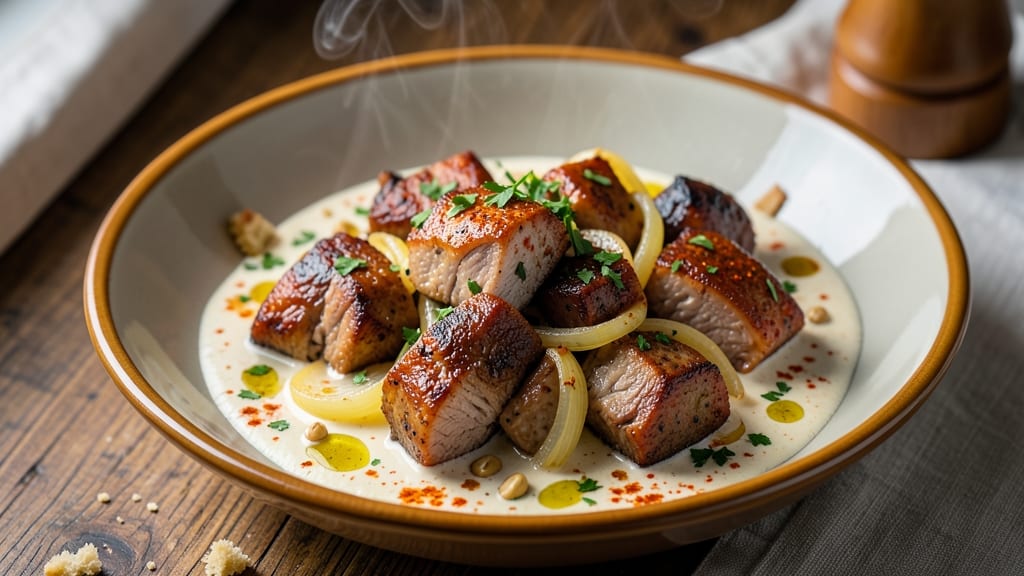
This creamy pork goulash recipe transforms a simple pot of stew into a restaurant-worthy dish with just one key technique: a rich paprika-infused roux that creates that signature velvety texture. I developed this version after years of perfecting goulash for my restaurant, where we serve it as a weekly special—it's the kind of dish that tastes even better the next day, when flavors meld into perfect harmony.
The secret lies in slow-cooking the pork until fork-tender while building layers of flavor through a deep, caramelized paprika base. Unlike traditional goulash, this version incorporates a touch of cream for that luxurious mouthfeel without overpowering the smoky, earthy notes of the spices.
The result? A stew so rich and satisfying, it becomes the centerpiece of any meal.
What makes this recipe truly special is how it balances tradition with modern techniques. You'll start with a classic paprika roux, then let the pork simmer until it nearly falls apart—just like my grandmother used to make.
The cream comes in later, just before serving, to maintain that perfect balance of richness and depth.
Serve this goulash with crusty bread to soak up every last drop of that velvety sauce, or pair it with roasted root vegetables for a complete, hearty meal. The beauty of this dish is in its versatility—it works as a weeknight dinner or a showstopper for guests. Let's get cooking!
Ingredients for creamy pork goulash
Pantry staples plus a few restaurant-quality touches—this creamy goulash comes together in one pot.
| Ingredient | Amount | Notes |
|---|---|---|
| Pork Shoulder 🥩 | 1 ½ lb | Boneless, cut into 1-inch cubes |
| Yellow Onion 🧅 | 1 whole | Medium, chopped |
| Garlic Cloves 🧄 | 4 cloves | Minced for paprika roux |
| Sweet Paprika 🌶️ | ½ cup | Hungarian preferred for depth |
| All-Purpose Flour 🌾 | 2 tbsp | For roux base |
| Beef Broth 💧 | 3 cups | Low-sodium preferred |
| Tomato Paste 🍅 | ¼ cup | Smooth, not chunky |
| Heavy Cream 🥛 | ½ cup | Full-fat for richness |
| Carrots 🥕 | 2 medium | Peeled, chopped into chunks |
| Celery Stalks 🥬 | 2 whole | Chopped, for aromatic base |
| Bay Leaves 🍃 | 2 whole | Dried, removed before serving |
| Thyme Sprigs 🌿 | 1 tbsp | Fresh, chopped (or 1 tsp dried) |
| Salt 🧂 | 1 ½ tsp | Kosher or sea salt |
| Black Pepper 🌶️ | ½ tsp | Freshly ground |
| Olive Oil 🫒 | 2 tbsp | For initial searing |
The pork shoulder is non-negotiable here—it needs to be well-marbled for that melt-in-your-mouth texture. I always grab mine from Whole Foods or my local butcher counter if I'm feeling fancy. For the paprika, Hungarian sweet paprika is a game-changer—it's got that deep, earthy flavor that regular paprika can't match. If you can only find regular paprika, toast it in a dry pan for 2 minutes first to deepen the flavor. The carrots and celery? Baby carrots and celery hearts work just as well if you're short on time—no need to peel them.
No heavy cream? Full-fat coconut milk works in a pinch, though it'll have a slightly different texture. Fresh thyme is ideal, but dried works at one-third the amount. The tomato paste can be the squeeze-tube kind from Trader Joe's—it's perfect for this recipe and lasts forever. For the beef broth, I always use low-sodium to control the seasoning better. If you're using pre-cubed pork, pat it dry with paper towels before searing—this helps get that beautiful crust. And trust me on the roux: don't rush it. Cook that paprika and flour until it's a deep, nutty brown color—about 8-10 minutes.
This goulash tastes even better the next day, so make a big batch. It keeps for 5 days in the fridge, and freezes beautifully for 3 months. I like to portion it into containers with some crusty bread on the side—ready for lunches all week. The sauce thickens as it cools, so you can always thin it with a splash of broth if needed. And if you've got leftovers, reheat them gently on the stove with a little extra broth to keep it from drying out.
Why You'll Love This Recipe
- One-Pot Magic: I swear by this recipe when I’m too tired to scrub a million dishes—just brown the pork, toss in the onions and garlic, then let the flour and paprika thicken everything into a rich, velvety sauce. No strainers, no extra pans, just pure satisfaction.
- Paprika-Powered Depth: That first pinch of sweet paprika? It’s the secret weapon. It starts bright and smoky, then melts into this warm, almost caramelized richness as it cooks, especially when you let it toast with the onions. Honestly, I’ve tried store-bought goulash, and this tastes like something my nonna would’ve made.
- Leftovers That Beg for More: This dish actually improves the next day. The flavors marry overnight, and the sauce gets even creamier—perfect for reheating with crusty bread or tossing into a quick breakfast hash. I’ve sent my kids to school with it in a thermos, and they’ve never complained.
- Budget Stretch: Pork shoulder is cheap, but it feels like a splurge when it turns into this luscious, restaurant-worthy stew. A single cut feeds four, and the leftovers stretch across lunches without breaking the bank. Plus, the flour and spices cost pennies—real value for a dish this hearty.
Step-by-step instructions for creamy pork goulash
Here's how to build a rich, velvety stew that balances smoky paprika with creamy comfort.
Sear the Pork Shoulder for Deep Flavor
Heat the 2 tablespoons olive oil in a large Dutch oven over medium-high heat until shimmering. Add the 1.5 pounds pork shoulder cut into 1-inch cubes, working in batches if needed to avoid crowding. Sear for 3-4 minutes per side until each piece develops a deep golden-brown crust—this creates the foundation for rich flavor.
As you sear, you'll notice the pork releases juices that caramelize in the pan. This isn't just browning—it's building layers of taste that will infuse throughout the stew. Once all pieces are browned, transfer them to a plate and set aside. You'll want to keep them warm while you build the sauce.
Build the Paprika Roux for Smoky Depth
In the same Dutch oven, reduce heat to medium and add the chopped yellow onion and chopped celery stalks. Cook for 5 minutes until softened and slightly translucent, stirring occasionally. Add the chopped carrots and cook for another 3 minutes until they begin to soften.
Now comes the magic: stir in the 4 minced garlic cloves and cook for 30 seconds until fragrant. Immediately add the 0.5 cup sweet paprika and 2 tablespoons all-purpose flour, stirring constantly for 1-2 minutes until the mixture darkens slightly and becomes aromatic. This roux forms the flavor base that will thicken the stew and carry the paprika's signature warmth.
Simmer the Stew with Aromatics
Pour in the 3 cups beef broth, scraping up any browned bits from the bottom of the pot. Add the 0.25 cup tomato paste, 2 whole bay leaves, 1 tablespoon chopped thyme sprigs, 1.5 teaspoons salt, and 0.5 teaspoon black pepper. Return the pork to the pot, bring to a gentle boil, then reduce heat to low and cover partially.
Let it simmer for 1 hour and 15 minutes, stirring occasionally, until the pork is fork-tender and the flavors have melded together. You'll know it's ready when the pork easily pulls apart with minimal resistance. The stew should have thickened slightly but still maintain a velvety consistency—this is where patience pays off for that perfect texture.
Finish with Cream for Richness
Remove the 2 bay leaves and stir in the 0.5 cup heavy cream. Simmer uncovered for 5-7 minutes until the sauce has thickened slightly and the cream has warmed through. The stew should now have a luxurious, velvety texture with a beautiful balance of smoky paprika and creamy richness.
Taste and adjust seasoning if needed—this is your chance to perfect the balance. The cream should enhance rather than overpower the paprika flavor. Serve immediately with crusty bread or over buttered egg noodles to soak up every last drop of that creamy goodness.
Pro Tips For Making Creamy Pork Goulash
- Sear the Pork First: High heat. Seriously, crank it up to medium-high and let that pork shoulder brown for 8-10 minutes before anything else. I used to skip this, thinking the slow cook would handle it—wrong. That crust locks in flavor and keeps the meat from drying out later when it’s simmering in the creamy sauce.
- Sweat the Onions Low: Don’t rush the onions—cook them on low heat for 10 minutes until they’re translucent and just starting to caramelize. I learned this the hard way: burning them makes the whole dish taste bitter, and you’ll regret it when that sweetness fades into the background.
- Bloom the Paprika Wet: Mix the sweet paprika with a splash of water or broth before adding it to the pot. This keeps it from clumping and ensures it dissolves smoothly into the sauce. I was skeptical until I tried it—now it’s non-negotiable for that silky texture.
- Check the Flour Often: Stir the roux (flour + fat) every 30 seconds at first—it’s the only way to avoid lumps. I skip this when I’m distracted, and suddenly I’m scraping burnt bits off the bottom. Keep it moving, and the sauce will thicken like it’s supposed to.
Wine and beer pairings for creamy pork goulash
Hungarian Wine Classics
This goulash practically begs for a bottle of Bull's Blood (Egri Bikavér), Hungary's signature red blend. The deep, spicy notes of Cabernet Franc and Merlot mirror the paprika's warmth while the Kékfrankos adds earthy complexity that complements the pork beautifully.
I always reach for a bottle from Disznókő—their 2019 vintage has that perfect balance of fruit and spice that makes every bite taste even richer. 🍷
For a lighter option, try a Tokaji Aszú 5 Puttonyos—the honeyed sweetness cuts through the richness while enhancing the paprika's smoky depth. This dessert wine might seem unusual, but trust me, it's a showstopper when paired with the creamy sauce.
The acidity in Tokaji also helps cleanse your palate between bites of that tender pork.
German Beer Pairings
A Dunkelweizen from Bavaria is my go-to beer pairing—its malty sweetness and subtle spice notes harmonize perfectly with the goulash's paprika and cream. Look for Weihenstephaner Hefeweissbier Dunkel, which has just enough body to stand up to the stew without overpowering it.
The slight tartness also balances the richness beautifully. 🍺
If you prefer something darker, a Münchner Dunkel like Paulaner Dunkel provides a robust malt profile that mirrors the stew's depth. The caramel notes in the beer complement the caramelized onions and pork, while the slight bitterness helps cut through the creaminess.
For a true crowd-pleaser, serve this beer slightly chilled—around 50°F—to let its flavors shine without being too heavy.
Italian White Wine
For those who prefer white wine, an Italian Vermentino from Sardinia is a fantastic choice. The crisp acidity and citrus notes refresh your palate between bites of the rich stew.
I love Cantina Mesa's Vermentino di Sardegna—its mineral finish balances the creaminess while the bright fruitiness enhances the paprika's warmth. Serve it slightly cooler than room temperature, around 48-50°F, to let its vibrant flavors complement the dish. 🍷
Local Craft Beer
If you're in the Southeast like me, a local sour ale can be a fantastic pairing. Try Atlanta's Three Taverns Sour Mash—its funky, slightly tart profile cuts through the richness while the underlying malt sweetness enhances the pork's natural flavors.
The acidity also helps break down the fat in the stew, making each bite feel lighter. For a true Southern twist, serve it in a mason jar with a slice of lemon. 🍺
Non-Alcoholic Options
Don't have alcohol? No problem. A sparkling apple cider like Martinelli's Sparkling adds a refreshing contrast to the creamy stew. The effervescence cleanses your palate, while the apple notes complement the paprika's sweetness.
For something more substantial, try a ginger beer—the spicy kick enhances the goulash's depth without overpowering it. I like Feast Brewing's Ginger Beer for its balanced sweetness and heat. 💫
Nutrition facts
Frequently asked questions
Can I use chicken or beef instead of pork in this recipe?
This recipe is specifically designed for pork shoulder to achieve that signature tender, melt-in-your-mouth texture. Chicken would cook too quickly and become dry, while beef would require a much longer simmer time (3+ hours) to become tender. If you're set on beef, use chuck roast and simmer for 3-4 hours instead of 1 hour 15 minutes.
How do I make this goulash extra creamy without heavy cream?
For a lighter version, substitute the heavy cream with ½ cup sour cream or ½ cup Greek yogurt at the end. You can also blend 1 cup of the cooked stew with a splash of broth, then stir it back in to create a velvety texture. The paprika roux will still provide that rich, smoky flavor without the heaviness.
Why does my goulash turn out too thin or watery?
This usually happens when the roux isn't cooked long enough or too much liquid is added. Always cook the paprika and flour mixture until it's a deep, nutty brown color (8-10 minutes) before adding the broth. If your stew is too thin, simmer uncovered for 10-15 minutes to reduce it, or make a quick slurry with 1 tablespoon cornstarch + 1 tablespoon water and stir it in.
Can I make this goulash in an Instant Pot or slow cooker? For an Instant Pot, sear the pork first, then cook on High Pressure for 30 minutes before adding the cream. For a slow cooker, follow the same steps but cook on Low for 6-7 hours or High for 3-4 hours. The cream should be added just before serving to prevent curdling.
What's the best way to reheat leftovers?
Reheat gently on the stove over medium-low heat with a splash of beef broth to restore moisture. Never microwave directly—it can make the sauce separate. For best results, cover the pot and simmer for 10-15 minutes, stirring occasionally. If the sauce thickens too much, add a little extra broth. This goulash actually tastes better the next day!