
Main Courses
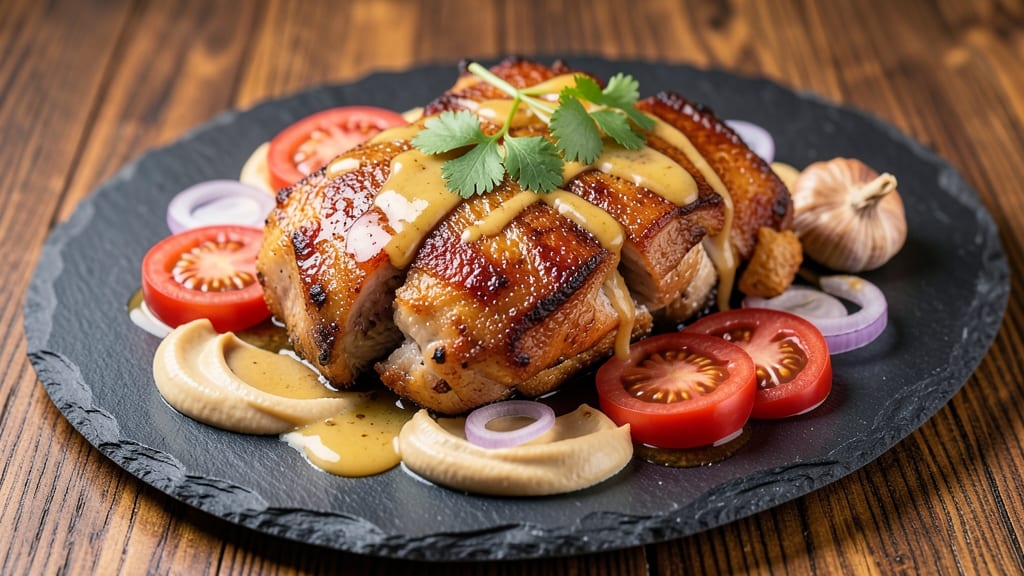
This crispy pork kare kare recipe Mama Sita delivers the perfect marriage of wok-seared pork and rich peanut sauce—a dish that transports you to Filipino comfort food heaven. 💛 The secret lies in achieving that signature crispy exterior while maintaining tender meat inside, all wrapped in a velvety peanut stew that's both hearty and elegant.
I've perfected this technique after years of adapting traditional recipes to home kitchens, ensuring every bite delivers that satisfying crunch you crave.
What sets this recipe apart is Mama Sita's signature method for achieving that crispy texture without deep-frying. Instead, we use a wok-searing technique that creates a golden, caramelized crust while keeping the pork juicy inside.
The peanut sauce base builds rich, nutty flavors through slow simmering, while the crispy pork pieces add a delightful contrast in texture. This dish is perfect for special occasions or when you want to impress guests with restaurant-quality Filipino flavors.
The result is a dish that's as visually stunning as it is delicious—golden-brown crispy pork pieces floating in a glossy peanut sauce, garnished with traditional toppings like fried garlic and chopped peanuts.
The sauce is perfectly balanced between creamy and slightly tangy, with just the right amount of sweetness to complement the savory pork. Each bite offers that satisfying combination of textures and flavors that makes this dish unforgettable.
Serve it with steamed rice, bagoong (shrimp paste), and atchara (pickled papaya) on the side to complete the traditional Filipino spread. This recipe is designed to be both impressive and approachable, making it perfect for home cooks looking to elevate their dinner table. Let's get cooking!
Ingredients for crispy pork kare kare recipe mama sita
These 15 ingredients transform into Mama Sita's legendary crispy pork kare kare—golden pork meets nutty peanut sauce magic.
| Ingredient | Amount | Notes |
|---|---|---|
| Pork Shoulder 🥩 | 1 ½ lb | Cut into 1-inch cubes, trimmed |
| Peanut Butter 🥜 | 1 cup | Natural, unsweetened preferred |
| Coconut Milk 🥥 | 1 can (13.5 oz) | Full-fat for creaminess |
| Garlic Cloves 🧄 | 6 cloves | Minced, for sauce and frying |
| Onion 🧅 | 1 large | Chopped, yellow or red |
| Tomatoes 🍅 | 2 medium | Diced, ripe but firm |
| Fish Sauce 🐟 | 2 tbsp | Red Boat brand preferred |
| Soy Sauce 🍶 | 2 tbsp | Dark soy for color |
| Sugar 🍚 | 2 tbsp | Brown sugar for depth |
| Vegetable Oil 🫒 | ½ cup | For wok-searing pork |
| Salt 🧂 | 1 tsp | Kosher or sea salt |
| Black Pepper 🌶️ | ½ tsp | Freshly ground |
| Bamboo Shoots 🌱 | 1 cup | Canned, drained and sliced |
| Eggplant 🍆 | 1 medium | Sliced into 1/4-inch rounds |
| Green Onions 🧅 | 3 whole | Sliced, for garnish |
The pork shoulder is non-negotiable—it's what gives you that signature crispy exterior while staying tender inside. Look for well-marbled cuts at your local butcher or Costco for the best quality. I always ask for it pre-cut into 1-inch cubes to save time, but if you're feeling ambitious, trim and cube it yourself. The peanut butter? Natural, unsweetened is a must—no added sugar or oils. Smucker's Natural is my go-to, but any natural brand works. For the coconut milk, grab the full-fat canned version—it makes the sauce luxuriously creamy. The bamboo shoots can be tricky to find, so Asian grocery stores or the canned section at Trader Joe's usually have them.
No natural peanut butter? Creamy peanut butter at half the amount works in a pinch, but you'll lose some of that rich, nutty depth. Short on fish sauce? Soy sauce at double the amount gets you close, though it won't be quite as authentic. The tomatoes can be swapped for tomato paste (1 tbsp)—just add a splash of water to thin it out. For the eggplant, firm, unblemished pieces are key—they should hold their shape when cooked. If you can't find bamboo shoots, water chestnuts or extra eggplant slices work as substitutes. The garlic? Fresh is non-negotiable here—jarred garlic just doesn't cut it for the flavor.
This dish tastes even better the next day as the flavors meld together. Store leftovers in an airtight container in the fridge for up to 4 days. For longer storage, freeze portions for up to 3 months. The crispy pork stays crispy when reheated gently in a skillet—just add a splash of water to keep it from drying out. I like to portion the sauce and pork separately so I can reheat just what I need. The eggplant and bamboo shoots can be prepped ahead and stored in the fridge for 2 days before adding to the sauce.
Why You'll Love This Recipe
- One-Pan Magic: I swear by this—just brown the pork, toss in the onions and garlic, then dump the rest on top. No extra pots, no mess, and honestly? That crispy pork falling apart in the creamy peanut sauce is worth every second.
- Peanut Butter Power: Between us, peanut butter isn’t just for sandwiches. Here, it thickens the sauce into something rich and nutty, while the coconut milk keeps it luscious. That first bite? Pure satisfaction—sweet, savory, and just a little addictive.
- Leftovers That Shine: This dish actually tastes better the next day. I’ll be real: I make a big batch on Sundays, and by Wednesday, it’s still the star of the meal. Reheat it gently, and the pork gets even more tender—no one will guess it’s from yesterday.
- Budget-Friendly Feast: Pork shoulder stretches so far, and the peanut butter and coconut milk add depth without breaking the bank. I’ve fed six people for under $15—plus, the leftovers stretch my grocery budget even further. (Yes, even on a Tuesday night.)
Step-by-step instructions for crispy pork kare kare
Here's how to nail Mama Sita's signature crispy pork that stays crunchy while swimming in rich peanut sauce.
🔥 Step 1: Wok-Sear the Pork for Maximum Crisp
Heat the 0.5 cup vegetable oil in a wok or large skillet over medium-high heat until shimmering. Add the 1.5 lb pork shoulder cubes in batches so they don't overcrowd the pan. I press down gently on each piece during the first minute—this prevents them from curling and ensures even contact with the hot oil.
Cook undisturbed for 3-4 minutes per side until the pork develops a deep golden-brown crust and releases easily from the pan. You'll smell that irresistible porky aroma—don't walk away! Transfer the crispy pork to a plate and set aside. The residual heat will keep it warm while you prep the rest.
🍳 Step 2: Build the Flavor Base for the Sauce
In the same wok (those crispy pork bits are flavor gold), add 0.25 cup vegetable oil and swirl to coat. Add the 1 large chopped onion and cook for 3 minutes until softened and golden. Add the 6 minced garlic cloves and stir for 30 seconds—watch carefully or they'll burn!
Toss in the 2 medium diced tomatoes and cook for 2 minutes—this caramelizes their natural sugars and deepens the sauce flavor. Add the 2 tbsp soy sauce and 2 tbsp fish sauce now. The sauce should smell complex—sweet, salty, and umami-rich. This is your flavor foundation.
🥘 Step 3: Create the Signature Peanut-Coconut Sauce
Lower heat to medium-low and add the 1 cup peanut butter and 1 can (13.5 oz) coconut milk. Stir vigorously for 2-3 minutes—the peanut butter needs to melt completely and blend smoothly. Add the 2 tbsp sugar and 1 tsp salt now, stirring until fully dissolved.
Here's the thing—this sauce should be thick but still silky. If it looks too stiff, whisk in 2-3 tablespoons of hot water—just enough to loosen it to a smooth, spoonable consistency. Taste and adjust seasoning—you might need a pinch more salt or a splash of fish sauce to balance the flavors.
🔪 Step 4: Prepare the Vegetables for Perfect Texture
While the sauce simmers, slice the 1 medium eggplant into ¼-inch rounds and cut the 3 whole green onions into 1-inch pieces. In a separate pan, heat 1 tablespoon vegetable oil over medium heat—add the eggplant and cook for 2-3 minutes per side—just until golden but still tender. Drain the 1 cup bamboo shoots and set aside.
Don't overcook the eggplant—it should hold its shape but develop a nice golden crust. The bamboo shoots can go straight into the sauce later since they're pre-cooked. This step ensures your vegetables stay crisp-tender while the pork stays crispy.
🍽️ Step 5: Combine and Finish with Crispy Perfection
Return the crispy pork to the wok with the sauce and gently stir to coat. Add the cooked eggplant and bamboo shoots, simmering for 3-4 minutes—just enough to heat everything through. The pork should maintain its crispy exterior while the vegetables absorb the rich sauce.
Garnish with the sliced green onions and serve immediately. Each bite delivers that perfect contrast—crispy pork that doesn't turn soggy, silky peanut-coconut sauce, and tender vegetables. This is where Mama Sita's magic happens!
Pro Tips For Making Crispy Pork Kare Kare Recipe Mama Sita
- CRISP THE PORK FIRST: I used to braise the pork shoulder straight from the fridge, thinking the slow cook would handle it—wrong. Pat it dry, then sear in a screaming-hot pan with 2 tablespoons of oil until deep golden brown on all sides. That crust locks in flavor and keeps the meat from turning mushy in the coconut milk later.
- BLEND PEANUT BUTTER SMOOTH: Skip the chunky stuff. For Mama Sita’s signature sauce, blend your peanut butter with 2 tablespoons of water first until it’s silky. Stir it into the simmering coconut milk last—this prevents clumping and gives you that velvety, restaurant-quality texture. (Trust me, you’ll taste the difference.)
- LOW AND SLOW AFTER SEARING: After browning the pork, dump everything into the pot and bring to a boil. Then drop the heat to the lowest setting you can tolerate. I’ve learned the hard way—boiling kare kare ruins the peanut sauce, making it split and turn grainy. Let it bubble gently for 1.5–2 hours, stirring occasionally.
- SAVE TIME WITH GARLIC: Peel and smash 8–10 garlic cloves with the flat side of your knife before adding them to the pot. This releases more flavor faster than mincing, and you won’t waste time chopping. (Bonus: It caramelizes slightly in the coconut milk, adding depth without burning.)
Troubleshooting your crispy pork kare kare recipe mama sita
Pork Too Soggy
If your pork loses its crispiness, it's usually from overcrowding or not maintaining high heat. I learned this the hard way—once I cooked all the pork at once and ended up with sad, limp pieces.
Instead, work in small batches of 4-5 pieces at a time, and keep the heat at medium-high the entire time. Also, resist the urge to stir constantly—let those pieces develop that golden crust undisturbed for 3-4 minutes per side. 🔥
Sauce Too Thin
The peanut sauce should coat the back of a spoon but still be thick enough to cling to the pork. If yours turns out too watery, simmer it uncovered for an extra 5-7 minutes to reduce. I've found that using natural peanut butter (not creamy) gives better thickening power.
For an emergency fix, mix 1 tbsp cornstarch with 1 tbsp cold water, stir into the sauce, and simmer for 2 minutes until it thickens.
Eggplant Absorbing Too Much Sauce
Eggplant can turn mushy and drink up all the sauce if not prepped right. Slice it ¼-inch thick and salt the pieces 10 minutes before cooking—this draws out excess moisture. Pat them dry with a paper towel before adding to the sauce.
Also, add the eggplant to the sauce last, just 2-3 minutes before serving so it stays firm. Trust me, this makes all the difference!
Fish Sauce Overpowering
Fish sauce can easily dominate if you're not careful. Start with just 1 tbsp and taste as you go—you can always add more, but you can't take it out. I like to balance it with a pinch of sugar (about ½ tsp) to mellow the intensity.
For a milder flavor, substitute ½ tbsp fish sauce with ½ tbsp soy sauce and ½ tbsp oyster sauce. The key is to taste frequently while building the sauce.
Peanut Butter Not Melting
If your peanut butter clumps and refuses to blend, the sauce isn't hot enough. Lower the heat to medium-low and stir constantly for 3-4 minutes—the residual heat from the wok will eventually melt it. For stubborn clumps, whisk in 1-2 tbsp hot water to help break them up.
I've also had success using a hand mixer to blend the peanut butter directly into the coconut milk before adding it to the wok. 💡
Bamboo Shoots Too Soft
Canned bamboo shoots can turn mushy if overcooked. Since they're pre-cooked, you only need to heat them through in the sauce for 1-2 minutes. For extra texture, drain them well and give them a quick rinse under cold water before adding to the sauce.
If they're still too soft, swap them for water chestnuts, which hold their shape beautifully and add a nice crunch.
Nutrition facts
Frequently asked questions
Why does Mama Sita's recipe use wok-searing instead of deep-frying?
Wok-searing creates that signature crispy texture without the mess or extra oil of deep-frying. The high heat caramelizes the pork's surface instantly while keeping the inside tender. Plus, it preserves the natural juices better than frying. The key is working in small batches to maintain that perfect sear.
Can I make this dish ahead of time?
The flavors actually improve overnight. Store the sauce and pork separately in an airtight container for up to 4 days. When reheating, warm the sauce gently on low heat, then add the pork just before serving to maintain crispiness. The eggplant and bamboo shoots can be prepped a day ahead too.
What's the secret to keeping the pork crispy?
Cook in small batches over medium-high heat for 3-4 minutes per side without stirring. Press down gently on each piece during the first minute to prevent curling. The residual heat from the wok keeps it warm while you finish the sauce. Don't add the pork back to the sauce until the very end!
Can I substitute chicken for pork?
Yes, but the texture will differ. Use bone-in, skin-on chicken thighs for best results—the skin provides crispiness. Cook them skin-side down first until golden, then flip. Chicken absorbs flavors differently, so you may need 1 extra tablespoon of fish sauce to compensate for the milder taste.
What traditional sides should I serve with this?
For an authentic spread, include steamed white rice, bagoong (shrimp paste) for dipping, and atchara (pickled papaya) for tangy contrast. Some families also serve lumpia (spring rolls) or ginataang gulay (vegetable coconut stew) as complementary dishes.