
Main Courses
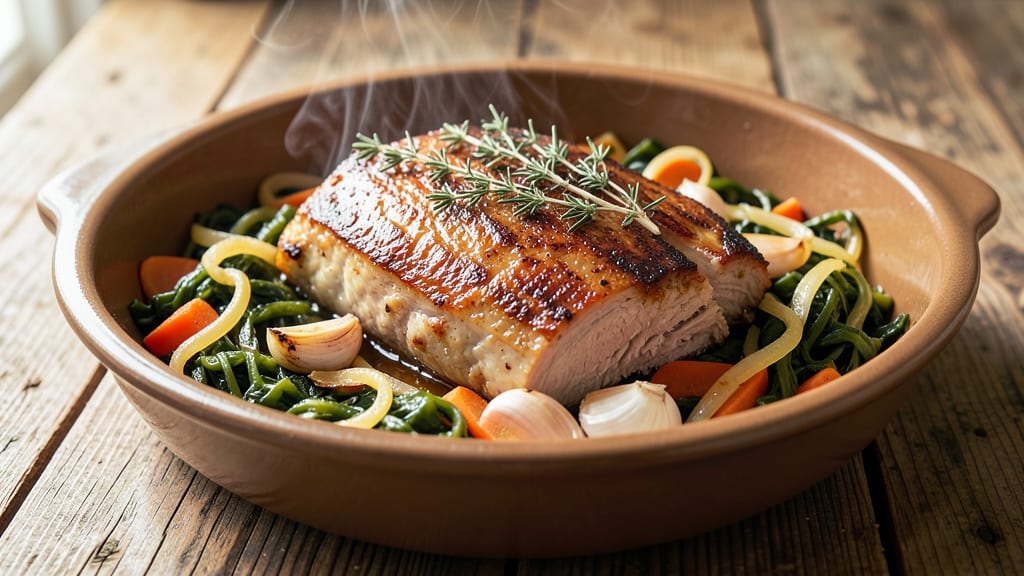
This crockpot pork tenderloin and sauerkraut recipe delivers restaurant-quality results with minimal effort—juicy, perfectly seasoned pork paired with tangy fermented cabbage that transforms a weeknight into a comforting meal.
I developed this during a particularly busy week when I needed dinner to practically cook itself, and it's become a staple in my rotation ever since. The secret lies in balancing the pork's natural tenderness with the sauerkraut's bright acidity, creating a harmony that's both satisfying and simple.
The beauty of this dish is its foolproof technique: simply season the pork tenderloin, layer it with sauerkraut and aromatic vegetables, then let the crockpot work its magic.
This method ensures tender, juicy meat that falls apart easily, while the sauerkraut softens just enough to release its signature tangy flavor. The slow cooking process infuses every bite with depth, turning basic ingredients into something extraordinary without requiring constant supervision.
By the time you're ready to serve, you'll have a dish that's rich in flavor and texture—golden-brown pork with a crisp exterior and moist center, paired with sauerkraut that's softened but still retains its characteristic crunch.
The aroma alone will have everyone gathering at the table, and the first bite delivers that perfect balance of savory, tangy, and slightly sweet. It's the kind of meal that feels indulgent yet effortless, making it ideal for busy weeknights or when you want to impress without stress.
This recipe scales beautifully for families or gatherings, and the leftovers reheat just as well as the first serving. Whether you're feeding a crowd or treating yourself to a comforting solo dinner, this crockpot pork tenderloin and sauerkraut delivers restaurant-quality results with minimal effort. Let's get started!
Ingredients for crockpot pork tenderloin and sauerkraut
Juicy pork tenderloin meets tangy sauerkraut for a slow-cooker masterpiece that's restaurant-quality with minimal effort.
| Ingredient | Amount | Notes |
|---|---|---|
| Pork Tenderloin 🥩 | 1 ½ lb | Center-cut for even cooking |
| Sauerkraut 🥬 | 2 cups | Unopened jar for best flavor |
| Yellow Onion 🧅 | 1 whole | Sliced into half-moons |
| Carrots 🥕 | 3 medium | Whole, peeled, chopped |
| Garlic Cloves 🧄 | 4 cloves | Minced for aroma |
| Fresh Thyme 🌿 | ½ ounce | Or 1 tbsp dried thyme |
| Fresh Rosemary 🌿 | ¼ ounce | Or 1 tsp dried rosemary |
| Apple Cider Vinegar 🍎 | ¼ cup | For tangy depth |
| Honey 🍯 | 2 tbsp | Or maple syrup |
| Olive Oil 🫒 | 1 tbsp | Extra-virgin preferred |
| Salt 🧂 | 1 ½ tsp | Diamond Crystal kosher |
| Black Pepper 🌶️ | 1 tsp | Freshly cracked |
| Bay Leaves 🍃 | 2 whole | For subtle depth |
| Low-Sodium Chicken Broth 💧 | ½ cup | For moisture balance |
The pork tenderloin is the star here—center-cut ensures even cooking without drying out. Grab one from the butcher counter if you can, as they often have fresher cuts than the packaged ones. Look for good marbling but avoid anything with grayish edges or an off smell. The sauerkraut should be unopened for maximum tang—once opened, it lasts about 3 weeks in the fridge. I always buy the Rehrl brand when I can find it, but any quality sauerkraut works. Fresh herbs like thyme and rosemary are non-negotiable for that bright aroma, but dried will do in a pinch (use one-third the amount).
No fresh thyme? Dried thyme at one-third the amount works perfectly—just make sure it's labeled as culinary, not ornamental. Running low on apple cider vinegar? White vinegar or lemon juice will give you similar acidity, though the flavor will differ slightly. The honey can be swapped for maple syrup if you prefer, but it'll have a deeper earthiness. For the carrots, baby carrots are a time-saver, but regular carrots chopped into even pieces work just as well. The bay leaves might seem small, but they add subtle depth—don't skip them unless you're allergic. And if you're using store-bought chicken broth, low-sodium is key to avoid over-salting the dish.
This dish reheats beautifully—3-4 minutes on high in the microwave or until warmed through on the stovetop. Store leftovers in an airtight container for up to 4 days in the fridge, or freeze for 3 months. I like to portion it into individual containers so I can grab a quick lunch all week. The pork will be extra tender the next day, so if you're short on time, make it ahead—it's even better reheated. The sauerkraut keeps its crunch surprisingly well, so you won't lose that satisfying texture.
Why You'll Love This Recipe
- Sauerkraut Magic: Between us, the tangy crunch of sauerkraut transforms this into something special. It’s not just a side—it’s the star, cutting through the pork’s richness with that bright, fermented punch. Add a splash of apple cider vinegar, and you’ve got a flavor combo that sticks with you.
- Weeknight to Potluck: This dish works everywhere. Serve it over mashed potatoes for a hearty weeknight dinner, or bring it as-is to a picnic—it’s sturdy enough to travel. My in-laws even asked for the recipe after I brought it to Thanksgiving. (Between us, that’s a win.)
- Leftovers That Don’t Suck: Most pork dishes dry out by day two, but not this one. The sauerkraut keeps everything juicy, and the carrots get sweeter with time. I’ve reheated portions for breakfast hash or tossed them into sandwiches—no one bats an eye. (Yes, even on a Tuesday night.)
Step-by-step instructions for slow-cooked pork tenderloin with sauerkraut
This method guarantees melt-in-your-mouth pork and perfectly balanced fermented flavors—no fuss, just delicious results.
Prepare the Pork and Vegetables
Pat the 1.5 lb pork tenderloin completely dry with paper towels—this helps create a better sear and crispier exterior later. Season both sides generously with 1.5 tsp salt and 1 tsp black pepper, pressing the seasoning into the meat so it adheres evenly. Let it sit at room temperature for 15 minutes while you prep the vegetables.
Slice the 1 whole yellow onion into half-moons and peel the 3 medium carrots, then chop them into ½-inch chunks. Mince the 4 cloves garlic and strip the leaves from the 0.5 ounce fresh thyme and 0.25 ounce fresh rosemary, then finely chop both. These aromatics will infuse the dish with deep, savory notes as they cook slowly.
Sear the Pork for Maximum Flavor
Heat a large skillet over medium-high heat until hot, then add 1 tbsp olive oil. Once shimmering, add the pork tenderloin and sear for 2-3 minutes per side until it develops a deep golden-brown crust. This step isn't just for looks—it locks in juices and builds a flavor base. Transfer the seared pork to your slow cooker and set it aside.
In the same skillet, add the sliced onion and carrots, cooking for 3-4 minutes until they soften slightly. Stir in the minced garlic, chopped thyme, and rosemary, cooking for another 30 seconds until fragrant. This quick sauté ensures the vegetables contribute their full flavor to the dish.
Layer and Assemble in the Slow Cooker
Add the sautéed vegetables to the slow cooker along with the 2 cups sauerkraut, 0.25 cup apple cider vinegar, 2 tbsp honey, 2 whole bay leaves, and 0.5 cup low-sodium chicken broth. Stir everything gently to combine, ensuring the sauerkraut is evenly distributed. The vinegar and honey will create a sweet-tangy balance that complements the pork perfectly.
Place the seared pork tenderloin on top of the vegetable mixture, nestling it into the center. The slow cooker's gentle heat will allow the pork to cook through evenly without drying out. The sauerkraut's natural juices will keep everything moist while infusing the meat with its signature tang.
Cook to Juicy Perfection
Cover the slow cooker and set it to Low heat for 4-5 hours. The pork is done when it reaches an internal temperature of 145°F and a meat thermometer inserted into the thickest part slides in easily. This low-and-slow method ensures the pork remains tender and juicy, with no risk of toughness.
Here's the thing—don't peek or stir during cooking. Every time you lift the lid, you release heat and moisture, which can extend cooking time. Trust the process and let the slow cooker do its magic. The pork should pull apart effortlessly when sliced, with a glossy sheen indicating it's perfectly moist.
Rest and Serve with Confidence
Once the pork reaches 145°F, remove it from the slow cooker and let it rest on a cutting board for 10 minutes. This resting period allows the juices to redistribute throughout the meat, ensuring every bite is succulent. During this time, carefully remove the bay leaves from the cooking liquid and discard them—they've done their job.
Slice the pork tenderloin into ½-inch thick pieces and serve it over the sauerkraut mixture. The combination of tender pork, sweet-tangy sauerkraut, and caramelized vegetables creates a harmonious balance of flavors. The dish pairs beautifully with crusty bread or mashed potatoes to soak up the delicious juices.
Pro Tips For Making Crockpot Pork Tenderloin And Sauerkraut
- Sear the Pork First: I learned this the hard way—skipping the sear means flavorless pork. Pat the tenderloin dry, then hit it with a hot skillet for 2-3 minutes per side until golden. The caramelized crust locks in juices and adds depth that slow cooking alone can’t match.
- Drain and Rinse the Sauerkraut: That tangy brine is great in dressings, but in this dish, it turns the sauerkraut into a watery mess. Drain the sauerkraut in a colander, then rinse it briefly under cold water to mellow the sharpness. Press out excess moisture with a clean towel—your crockpot will thank you.
- Don’t Overfill the Crockpot: After burning three batches of sauerkraut (yes, it’s possible), I finally realized: fill it no more than halfway. Pork tenderloin shrinks, and crowded veggies steam instead of caramelizing. Leave room for the juices to circulate, or you’ll end up with mushy carrots and sad onions.
- Add Garlic Late: Raw garlic cloves take forever to soften in a crockpot, and they can turn bitter. Instead, smash them with the flat side of a knife or mince them finely, then stir them into the sauerkraut mixture during the last 30 minutes of cooking. This guarantees they’ll infuse flavor without turning to paste.
Storing and reheating this recipe
Refrigerator Storage
Store your crockpot pork tenderloin and sauerkraut in an airtight container with a tight-fitting lid, dividing it into portions if you plan to eat it over several days. I always use glass Pyrex containers because they preserve flavors better than plastic.
Keep it refrigerated at 40°F or below for up to 4 days—the sauerkraut will soften slightly but retain its tangy crunch. The pork stays moist and tender, making it perfect for quick lunches or dinners. 🥫
Freezer Preparation
For longer storage, portion the dish into freezer-safe containers or heavy-duty freezer bags, leaving 1-inch headspace for expansion. I like using quart-sized silicone bags because they're stackable and thaw faster. Label each container with the date and freeze for up to 3 months.
The sauerkraut may release more liquid when frozen, but it won't affect the flavor—just drain any excess before reheating. 🧊
Stovetop Reheating
This is my preferred method because it maintains the best texture. Transfer the pork and sauerkraut to a heavy-bottomed skillet and heat over medium-low heat for 5-7 minutes, stirring occasionally. Add 1-2 tablespoons of water or broth if it looks dry.
The stovetop method helps crisp the edges slightly while keeping the sauerkraut's texture intact. For best results, reheat only what you plan to eat immediately. 🔥
Microwave Reheating
If you're short on time, microwave reheating works well for individual portions. Cover the dish with a microwave-safe lid or damp paper towel and heat on medium power (70%) for 2-3 minutes, stirring halfway. Avoid high power to prevent drying out the pork.
The sauerkraut may soften more than on the stovetop, but it's still delicious. For extra flavor, add a splash of apple cider vinegar or broth before reheating. ⏱️
Oven Refresh
For a restaurant-quality finish, transfer the dish to a baking dish, cover with foil, and bake at 350°F for 15-20 minutes. The oven method helps redistribute any lost juices and gives the pork a slightly crispy exterior.
I sometimes add a drizzle of olive oil and sprinkle of fresh thyme before baking for extra aroma. This works especially well if you're serving a crowd. 🍽️
Leftovers Magic
One of my favorite tricks is to use leftover pork in pork and sauerkraut tacos or breakfast hash the next day. The tender pork pairs perfectly with scrambled eggs and crispy potatoes.
Or try it in a grilled cheese sandwich with sharp cheddar and caramelized onions. The possibilities are endless—just store it properly, and you'll always have a delicious meal ready to go. 💡
Nutrition facts
Frequently asked questions
Can I use frozen pork tenderloin in this crockpot recipe?
It's not recommended for this dish. Frozen pork takes much longer to cook thoroughly in a crockpot and risks uneven cooking or dryness. If you must use frozen pork, thaw it completely in the refrigerator overnight first. The recipe relies on the pork's natural juices and quick sear, which frozen meat can't achieve properly.
How do I adjust this recipe for a larger crowd?
Double all ingredients including the 2 cups sauerkraut and 1.5 lb pork tenderloin. Use a 6-quart crockpot for best results. For even more guests, consider adding an extra 1 lb pork shoulder cut into chunks—it'll absorb the sauerkraut flavors beautifully while keeping the tenderloin as the star. Cook time remains the same on Low heat.
What if my sauerkraut is too watery after cooking?
Drain most of the liquid through a colander, then pat the sauerkraut dry with paper towels. For extra flavor, sauté the drained sauerkraut in a skillet with 1 tbsp butter and 1 tsp caraway seeds for 2-3 minutes before serving. This caramelizes the edges while keeping the center tender. The pork will still be delicious—just serve it with the reduced sauerkraut mixture.
Can I substitute regular cabbage for sauerkraut?
While you can use regular cabbage, you'll lose the signature tangy flavor. If you must substitute, shred 2 cups cabbage and mix it with 2 tbsp apple cider vinegar and 1 tsp caraway seeds before adding to the crockpot. For best results, try to find sauerkraut—its fermented flavor is what makes this dish special. The probiotics in sauerkraut also add a subtle health benefit!
Why did my pork turn out dry?
Overcooking is the most common cause. Always use a meat thermometer to check for 145°F internal temperature. Never cook on High heat—this recipe requires Low heat for 4-5 hours to stay moist. Also, avoid cutting into the pork while it cooks. If it's slightly undercooked, return it to the crockpot for 30 more minutes covered.