
Main Courses
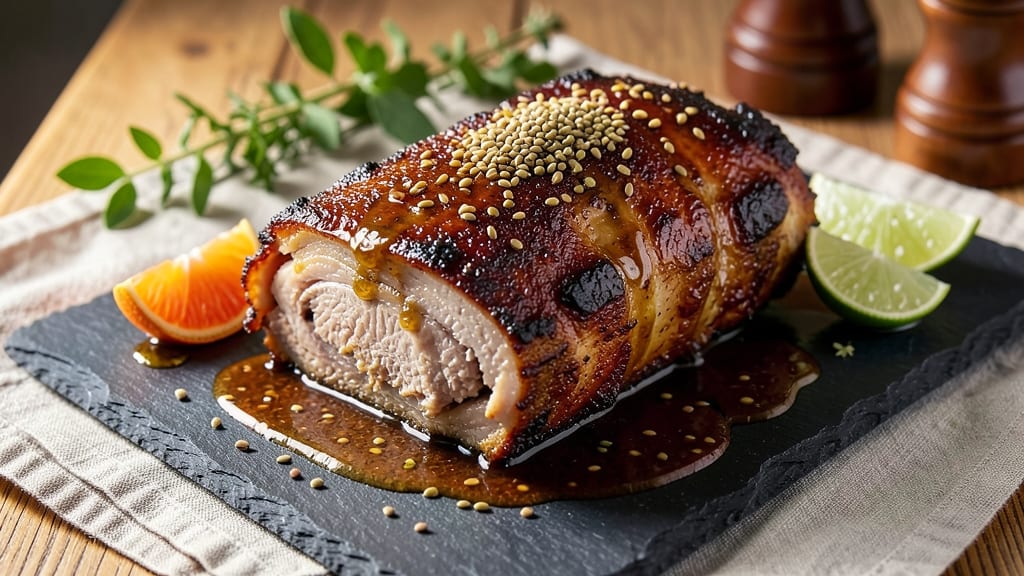
This Cuban mojo marinated pork recipe transforms simple pork into a restaurant-worthy centerpiece with just a few hours of marinating. The secret lies in the mojo marinade—a vibrant blend of citrus, garlic, and bold spices that tenderizes the meat while infusing it with layers of flavor.
I developed this version after years of perfecting it for my family gatherings, where it disappears faster than the mashed potatoes.
The beauty of this dish is its versatility—you can grill it over charcoal for smoky depth, roast it in the oven for hands-off cooking, or even pan-sear it for a quick weeknight meal. The marinade does all the heavy lifting, turning tough cuts into melt-in-your-mouth perfection with minimal effort.
What you'll end up with is pork that's juicy, aromatic, and packed with bright citrus notes that cut through the richness. Pair it with my go-to sides: crispy black beans, charred plantains, and a simple cucumber-tomato salad to balance the bold flavors.
The combination of textures and temperatures makes this a complete meal that feels special without requiring hours in the kitchen. This is the kind of dish that turns a simple dinner into an experience.
Whether you're feeding a crowd or treating yourself to a Sunday feast, this recipe delivers restaurant-quality results with minimal fuss. Let's get started on creating your own mojo magic.
Ingredients for cuban mojo marinated pork
Pork shoulder, citrus juices, and bold spices—just a few ingredients for restaurant-worthy flavor.
| Ingredient | Amount | Notes |
|---|---|---|
| Pork Shoulder 🥩 | 2 lb | Bone-in for best flavor |
| Fresh Orange Juice 🍊 | 1 cup | Freshly squeezed preferred |
| Fresh Lime Juice 🍋 | ½ cup | For bright acidity |
| Garlic Cloves 🧄 | 8 cloves | Peeled and smashed |
| Olive Oil 🫒 | ½ cup | Extra-virgin for richness |
| Cumin Seeds 🌿 | 1 tbsp | Toasted for depth |
| Ground Cumin 🌿 | 1 tbsp | For extra earthiness |
| Dried Oregano 🍃 | 1 tbsp | Mexican oregano if available |
| Salt 🧂 | 1 ½ tsp | Kosher or sea salt |
| Black Peppercorns 🌶️ | 1 tsp | Freshly cracked |
| Bay Leaves 🌿 | 2 whole | For aromatic depth |
| Fresh Cilantro 🌿 | ¼ cup | Chopped, for garnish |
| Fresh Cumin Seeds 🌿 | 1 tsp | Optional for extra aroma |
| White Vinegar 💧 | 2 tbsp | For tangy balance |
| Brown Sugar 🍯 | 1 tbsp | Lightly packed |
The pork shoulder is where the magic happens. Bone-in cuts stay juicier and pack more flavor, but boneless works too if you're in a hurry. I always grab mine from Costco or the butcher section at Whole Foods—look for good marbling. Fresh citrus is non-negotiable here: navel oranges for juice, Key limes if you can find them. The juice should be vibrant, not cloudy. Toast those cumin seeds in a dry pan for 30 seconds—they'll perfume the whole dish. Penzeys or the bulk section at Trader Joe's have great spices if you want to splurge.
No fresh cumin seeds? Ground cumin works fine, but toasting whole seeds first makes a difference. Short on orange juice? Grapefruit juice adds a nice bitter edge. The vinegar might seem odd, but it balances the sweetness beautifully. If you're feeling fancy, add a dash of soy sauce for umami depth. The brown sugar caramelizes during cooking, adding a subtle richness. For extra punch, mix in 1 tbsp of adobo sauce from a can of chipotles in adobo. The marinade keeps for 3 days in the fridge, so make extra if you're planning ahead.
Marinate the pork for at least 4 hours, but overnight is ideal. Use a resealable bag or container with a lid. The longer it sits, the more tender and flavorful it becomes. Cooked pork reheats beautifully—3-4 days in the fridge or 3 months frozen. I like to portion it into individual containers so I can grab a serving straight from the fridge. The marinade itself? Strain and save it for drizzling over rice or black beans—it's just as delicious as the main event.
Why You'll Love This Recipe
- Marinate While You Nap: I toss the pork in that bright orange-lime-garlic mix, slap it in a bag, and let it sit while I handle dinner chaos. No hovering, no stirring—just pure hands-off flavor development.
- Tangy-Garlic Magic: The moment that pork hits the pan, the citrus caramelizes into a sticky, savory crust while the garlic turns golden and almost sweet. It’s the kind of bite that makes you pour another glass of wine just to keep up.
- Leftovers That Beg: This recipe practically insists you make extra. Shred it for tacos, slice it for sandwiches, or toss it in a rice bowl—it’s the kind of pork that tastes better the next day, especially after a night in the fridge.
- Budget Stretch: A single pork shoulder feeds my family for days, and the marinade costs pennies. Fresh citrus and garlic might sound fancy, but they’re the affordable secret to making something feel like a restaurant meal without the price tag.
Step-by-step instructions for Cuban mojo marinated pork
This bold citrus-spice marinade transforms simple pork shoulder into tender, flavorful magic.
Toast the Cumin Seeds and Prepare the Marinade
In a small dry skillet over medium heat, toast the 1 tablespoon cumin seeds for 1-2 minutes until fragrant and lightly golden. Watch closely—they burn quickly. Transfer to a plate and let cool completely before grinding lightly with a mortar and pestle or rolling pin.
In a large bowl, combine the 1 cup fresh orange juice, 0.5 cup fresh lime juice, 0.5 cup olive oil, toasted cumin seeds, 1 tablespoon ground cumin, 1 tablespoon dried oregano, 1.5 teaspoons salt, 1 teaspoon black peppercorns, 2 whole bay leaves, and 1 tablespoon brown sugar. Stir until the sugar dissolves completely. The marinade should smell vibrant and tangy—this is your flavor foundation.
Marinate the Pork Shoulder
Place the 2 lb pork shoulder in a large resealable plastic bag or shallow dish. Pour the marinade over the pork, ensuring it coats all sides thoroughly. If using a bag, seal tightly and massage the marinade into the meat. For best results, marinate in the refrigerator for at least 4 hours, but overnight is ideal. The acidity from the citrus will begin breaking down the fibers, ensuring tender results.
Here's the thing—don't skip the marinating time. The longer it sits, the deeper the flavors penetrate. I usually marinate mine overnight, but if you're short on time, at least 4 hours will make a noticeable difference in tenderness and flavor.
Sear the Pork to Lock in Flavors
Remove the pork from the refrigerator 30 minutes before cooking to bring it to room temperature. Pat it dry with paper towels—this is crucial for achieving a crispy exterior. Heat a large skillet or Dutch oven over medium-high heat and add the pork. Sear on all sides for 3-4 minutes per side until deeply browned. You want that beautiful Maillard reaction happening—this creates the flavor base for your dish.
Don't be tempted to rush this step. The pork should release easily from the pan when it's ready to flip. If it's sticking, your pan isn't hot enough—let it heat up a bit more before continuing.
Simmer Until Fork-Tender
After searing, reduce heat to medium-low and add 2 tablespoons white vinegar and the 8 smashed garlic cloves to the pan. Pour in any remaining marinade from the bag or bowl. Bring to a gentle simmer, then cover and cook for 1.5 to 2 hours, turning the pork occasionally, until it reaches an internal temperature of 195-200°F and is fork-tender. The liquid should reduce significantly, creating a thick, flavorful sauce.
Here's where patience pays off. The pork will continue cooking as it rests, so it's better to pull it out slightly underdone. You'll know it's ready when the meat pulls apart easily with two forks and the internal temperature reaches your target range.
Rest and Garnish
Transfer the pork to a cutting board and tent loosely with aluminum foil. Let it rest for 15-20 minutes—this crucial step allows the juices to redistribute throughout the meat, ensuring each bite is moist and flavorful. During this time, remove the bay leaves from the sauce and discard them.
Once rested, slice the pork against the grain into ½-inch thick slices. Spoon the reduced marinade over the top and garnish with the 0.25 cup chopped fresh cilantro and, if using, the 1 teaspoon fresh cumin seeds for an extra aromatic touch. Serve immediately with warm rice, black beans, and your favorite Cuban sides.
Pro Tips For Making Cuban Mojo Marinated Pork
- USE A MORTAR AND PESTLE: I learned this the hard way—blending garlic for mojo turns it into a sad, watery paste. Crush whole garlic cloves with a pinch of salt first, then let that sit for 10 minutes before adding to the citrus. The flavor concentrates, and you’ll taste the difference in every bite.
- SALT THE PORK BEFORE MARINATING: Don’t skip this—trust me. Generously salt the pork shoulder (at least 1 tsp per pound) and let it sit uncovered in the fridge for 30 minutes before marinating. This ensures the seasoning penetrates deep, and the citrus marinade won’t just sit on top like a weak sauce.
- MARINATE FOR AT LEAST 4 HOURS: This isn’t a 30-minute deal. The acid in the orange and lime needs time to tenderize the pork, and the garlic needs to infuse properly. I’ve rushed it before, and the meat ended up tougher than a boot heel. Plan ahead—overnight is even better if you can.
- SEAR IN BATCHES: Crowding the pork in the pan will steam it instead of sear it, and you’ll end up with soggy edges. Work in batches over medium-high heat until you get a deep, golden crust—about 3-4 minutes per side. The crust is what makes this dish sing, so don’t skimp on the time or space.
Flavor customization for these flavors
Spice Level Control
Adjust the heat to your taste by playing with the cumin and black pepper. For a milder version, reduce the black peppercorns to ½ teaspoon and toast only ½ tablespoon cumin seeds.
If you love spice, add 1 teaspoon crushed red pepper flakes or 1 chopped chipotle pepper in adobo sauce to the marinade.
I once made this for my dad's 70th birthday—he's not a spice fan—so I skipped the pepper flakes entirely and added an extra ½ cup orange juice to keep things bright and balanced. 🌶️
Sweet-Tangy Balance
The brown sugar and white vinegar create a perfect sweet-tangy contrast. For a deeper caramelized flavor, increase the brown sugar to 2 tablespoons and reduce the vinegar to 1 tablespoon.
If you prefer more acidity, swap the brown sugar for 1 tablespoon honey and add 1 extra tablespoon lime juice. I've also experimented with 1 teaspoon molasses for a richer depth, especially when serving with collard greens.
Herb Variations
Swap out the oregano for 1 tablespoon dried thyme for a more Mediterranean twist, or add 1 tablespoon smoked paprika for a subtle smokiness. Fresh herbs like cilantro and mint work beautifully together—toss ¼ cup chopped mint with the cilantro garnish for a refreshing finish.
When I hosted a Cuban-inspired dinner party in Atlanta, I used both herbs and served the pork with a side of mojo-marinated pineapple for a tropical touch.
Umami Boosters
For extra depth, stir 1 tablespoon soy sauce or 1 teaspoon fish sauce into the marinade. A splash of ½ cup chicken or pork broth instead of water when simmering adds richness.
I once made this for a Southeast BBQ competition and added 1 teaspoon Worcestershire sauce to the marinade—it won me second place that year! The umami layers elevate the citrus flavors to new heights.
Smoky Grill Adaptation
If grilling, add 1 teaspoon smoked sea salt to the marinade and cook over indirect heat at 250°F for 3-4 hours until tender. For a smoky finish, brush the pork with ½ cup apple cider vinegar during the last 30 minutes of cooking.
I love grilling this on my Traeger pellet grill—the oak pellets add a subtle charred aroma that pairs perfectly with the citrus.
Slow Cooker Hack
For hands-off cooking, sear the pork as directed, then transfer it to a 6-quart slow cooker with the marinade and ½ cup water. Cook on low for 8 hours or high for 4-5 hours until fork-tender.
The slow cooker method is my go-to for busy weekends—I can prep the marinade in the morning and come home to perfectly tender pork. Just
Nutrition facts
Frequently asked questions about Cuban mojo marinated pork
Can I use pork chops instead of pork shoulder?
For bone-in pork chops (about 1-inch thick), marinate for 2-4 hours instead of overnight, then pan-sear for 4-5 minutes per side over medium-high heat until golden. They'll cook faster than shoulder—aim for an internal temp of 145°F. For boneless chops, reduce marinating to 1 hour max to prevent over-tenderizing. The citrus marinade works beautifully on both cuts!
How do I make this recipe in a slow cooker?
Sear the pork as directed, then transfer to a 6-quart slow cooker with the marinade and ½ cup water. Cook on low for 8 hours or high for 4-5 hours until fork-tender. The slow cooker keeps everything moist—just shred or slice before serving. Pro tip: Add 1 cup of crushed pineapple to the marinade for a tropical twist that works perfectly in slow cooking!
Can I prep the marinade ahead of time?
Yes! Store the marinade in an airtight container in the fridge for up to 3 days or freeze for 3 months. Thaw overnight in the fridge before using. For best flavor, marinate the pork for at least 4 hours even with pre-made marinade. I like to make extra marinade to use as a sauce for rice or black beans—it's just as delicious!
What's the best way to reheat leftover pork?
Slice the pork and reheat in a skillet with 1 tablespoon olive oil over medium heat for 3-4 minutes until warmed through. For larger portions, use the oven at 300°F for 15-20 minutes covered with foil. Never microwave—it makes the pork dry. Leftovers keep well for 3-4 days in the fridge or 3 months frozen.
Why does my pork turn out dry?
Overcooking is the #1 cause! The pork is done when it reaches 195-200°F internally—it'll continue cooking while resting. Always let it rest for 15-20 minutes before slicing. Other culprits: cutting against the grain too early (wait until rested) or not using bone-in cuts (they stay juicier). The marinade's acidity helps tenderize, but don't rush the cooking time!