
Main Courses
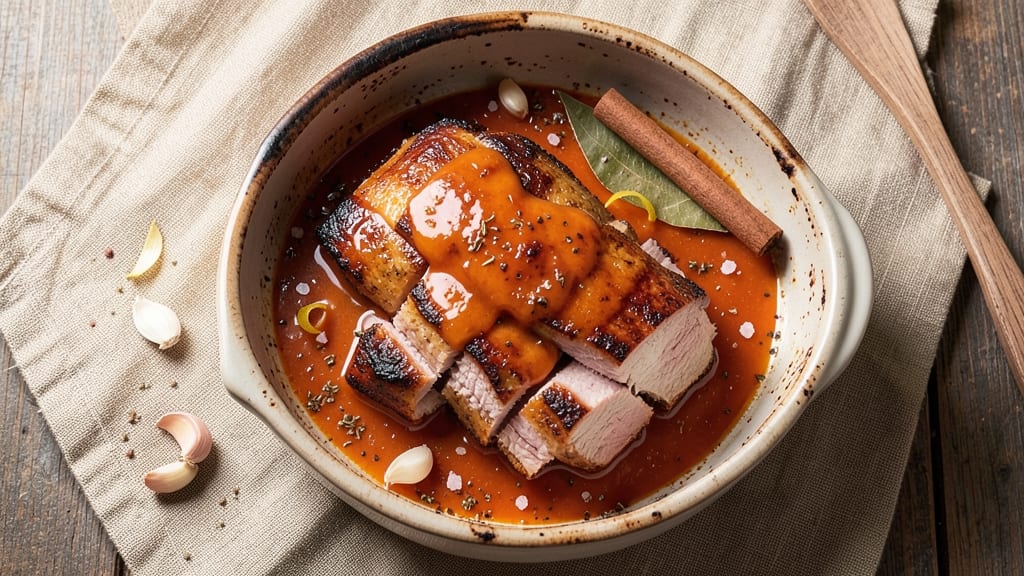
This Cuban pork recipe oven transforms tough pork shoulder into melt-in-your-mouth perfection with a bright mojo glaze that sings of citrus and garlic. The secret lies in slow roasting at 325°F until the meat falls apart, while the marinade infuses every bite with bold, tangy flavor.
I first discovered this technique during a family reunion when my abuela insisted we cook the pork low and slow—no shortcuts, just pure, tender satisfaction.
The magic begins with marinating the pork overnight in a blend of orange juice, garlic, cumin, and oregano, letting the flavors penetrate deeply. As it roasts, you'll baste it regularly with the marinade, creating a caramelized crust that locks in moisture.
This isn't just a recipe—it's a celebration of Cuban home cooking, where simple ingredients become something extraordinary through patience and technique.
By the time it emerges from the oven, you'll have pork so tender it practically shreds itself, coated in a sticky-sweet glaze that balances heat and brightness. Serve it with black beans, fluffy white rice, and warm plantains for the full experience.
The aroma alone will have everyone gathering around the table, eager for their first bite.
This method works beautifully in any oven, and the leftovers reheat just as well—perfect for meal prep or feeding a crowd. The key is never rushing it; let the oven do the work while you focus on basting and savoring the process.
Trust me, the wait is worth every second of that tender, juicy reward.
Ingredients for cuban pork recipe oven
Six ingredients transform tough pork into fall-apart tenderness with bright citrus and smoky warmth.
| Ingredient | Amount | Notes |
|---|---|---|
| Pork Shoulder (Boston Butt) 🐖 | 4 lb | Bone-in for best flavor |
| Fresh Orange Juice 🍊 | 1 ½ cups | From 3-4 fresh oranges |
| Garlic Cloves 🧄 | 8 cloves | Minced for marinade |
| Ground Cumin 🌿 | 1 ½ tbsp | Toasted for deeper flavor |
| Dried Oregano 🍃 | 1 ½ tbsp | Mexican oregano preferred |
| Salt 🧂 | 1 ½ tbsp | Kosher or sea salt |
| Black Pepper 🌶️ | 1 tbsp | Freshly ground preferred |
| Olive Oil 🫒 | ½ cup | For basting |
| Bay Leaves 🍃 | 2 whole | For roasting |
| Cinnamon Stick 🌳 | 1 whole | Optional for warmth |
| Fresh Cilantro 🌿 | ¼ cup | Chopped for garnish |
| Lime Juice 🍋 | ½ cup | Freshly squeezed |
The pork shoulder is the star—bone-in cuts stay juicier and flavorful. Grab one from the butcher counter or pre-cut section at Walmart or Kroger—they usually have it trimmed and ready. Look for good marbling (white flecks) and ask for a 4-5 lb cut if you want leftovers. My abuela swore by overnight marinating, so don’t rush this part. The Mexican oregano is key—find it in the Latin foods aisle or online if your store doesn’t carry it. Fresh garlic and oranges? Farmers markets have the juiciest, but grocery store brands work too.
No fresh oranges? Orange juice from concentrate works in a pinch (just add a splash of water to thin it). Ran out of Mexican oregano? Regular dried oregano at double the amount gets you close. The cinnamon stick is optional but adds warmth—skip it if you’re out. For the lime juice, bottled lime juice works, but fresh is brighter. If you’re prepping ahead, marinate the pork for up to 48 hours in the fridge. The longer it sits, the deeper the flavor. And trust me, toasting the cumin seeds in a dry pan for 30 seconds before grinding makes all the difference.
This pork reheats beautifully—best the next day when the flavors meld. Store leftovers in the fridge for 4-5 days or freeze for 3 months. I like to portion it into meal-sized containers with some of the glaze so it stays moist. For serving, warm the pork in the oven at 300°F for 20 minutes or microwave with a splash of water. The glaze thickens as it cools, so thin it with a little water or orange juice if needed. Garnish with fresh cilantro right before serving—it adds that bright pop of color.
Why You'll Love This Recipe
- One-Pan Wonder: The pork shoulder goes straight from oven to table—no extra dishes. Honestly, I’ve made this on nights when I’m too tired to scrub pots, and it still tastes like I slaved over it.
- Citrus Kiss Magic: That fresh orange juice? It’s not just a splash—it caramelizes into a sticky, bright glaze that cuts through the richness. Between us, the first bite makes me question why I ever skipped the citrus.
- Leftovers That Beg: This pork stays tender for days, so I make it on Sundays and feed the family all week. My kids actually ask for the shredded version on sandwiches—no complaints there.
- Budget Stretch: Pork shoulder is cheap, and it yields enough for a crowd. I’ve fed six people for under $15, plus the spices cost pennies. Solid math for a dish this satisfying.
Step-by-step instructions for slow-roasted Cuban pork
Transform that pork shoulder into melt-in-your-mouth perfection with this foolproof slow-roasting method.
Create the Mojo Marinade
In a large bowl, combine the 1.5 cups fresh orange juice, 8 minced garlic cloves, 1.5 tablespoons ground cumin, 1.5 tablespoons dried oregano, 1.5 tablespoons salt, 1 tablespoon black pepper, 0.5 cup olive oil, 2 whole bay leaves, and 1 whole cinnamon stick. Whisk vigorously until everything is fully incorporated and the mixture is smooth. This marinade is the soul of your Cuban pork—don't skip the whisking.
Place the 4 lb pork shoulder (Boston Butt) in a large resealable bag and pour the marinade over it. Seal the bag tightly, then massage the pork to ensure it's fully coated. Let it marinate in the refrigerator for at least 4 hours, but overnight is even better. The longer it marinates, the more flavor it absorbs, resulting in juicy, tender meat that practically falls apart.
Prep the Pork for Roasting
Remove the pork from the marinade and pat it dry with paper towels. This step is crucial—it helps create that beautiful crispy bark we're aiming for. Preheat your oven to 300°F and place a roasting rack in a large baking dish. Line the dish with aluminum foil for easy cleanup.
Place the pork shoulder fat-side up on the roasting rack. The fat will render down during roasting, basting the meat and keeping it moist. If you want extra flavor, you can place the 2 whole bay leaves and 1 whole cinnamon stick directly on top of the pork. This ensures they infuse the meat with their aromatic essence.
Slow-Roast to Perfection
Transfer the pork to the preheated oven and roast for 2.5 to 3 hours, or until the internal temperature reaches 195°F. This low-and-slow cooking method is key to tender, juicy meat. I know it seems like a long time, but patience pays off here—don't rush it. You'll know it's ready when the meat is fork-tender and the juices run clear.
About halfway through the cooking time, around the 1.5-hour mark, you can baste the pork with the reserved marinade. This adds extra flavor and helps keep the meat moist. Just be careful not to overdo it—basting too often can make the pork tough. After basting, return it to the oven and continue cooking until it reaches the perfect internal temperature.
Rest and Shred
Once the pork reaches 195°F, remove it from the oven and let it rest for 30 minutes. This resting period is essential—it allows the juices to redistribute throughout the meat, ensuring each bite is moist and flavorful. Don't skip this step, even though it's tempting to dive in right away.
After resting, use two forks to shred the pork into bite-sized pieces. Discard the bay leaves and cinnamon stick if you used them. The pork should be so tender that it practically shreds itself apart. If you're serving it for a crowd, you can also slice it against the grain for easier handling. Save any leftover juices from the baking dish—they're perfect for making a quick pan sauce.
Finish with Lime and Cilantro
In a large bowl, combine the shredded pork with the 0.5 cup lime juice and 0.25 cup chopped fresh cilantro. Toss everything together gently to coat the pork evenly with the bright, citrusy flavors. This final step is what truly brings out the Cuban flavors and adds a refreshing finish to the rich, slow-roasted pork.
Serve immediately with your favorite sides like black beans, white rice, and plantains. The pork should be tender, juicy, and bursting with the flavors of the marinade. If you have any leftovers, they'll taste even better the next day as the flavors continue to meld together.
Pro Tips For Making Cuban Pork Recipe Oven
- CRANK THE HEAT FIRST: Start your pork shoulder on the highest oven rack at 450°F for the first 30 minutes—yes, even if it looks like you’re roasting a small sun. This sears the outside fast, locking in juices before the slow cook. I used to skip this, and the crust would turn out pale and sad, like someone forgot to invite it to the party.
- PEEL THAT GARLIC: Use whole garlic cloves, smashed but not minced, tucked into the pork’s crevices with the cumin and oregano. The skins soften into the meat during cooking, adding depth without turning the sauce into a muddy mess. After burning my first batch of garlic paste into oblivion, I learned: less is more, and whole cloves are lazy genius.
- DON’T DROWN THE PORK: Pour the orange juice after the pork has browned, not before. If you add it too early, the acid will turn the meat mushy and the pan into a thin glaze. Wait until the first 20 minutes of searing are done—then let that juice work its magic in the last hour, reducing into a sticky, caramelized sauce.
- SALT THE PORK TWICE: Salt the Boston butt heavily before searing (about 1.5 teaspoons per pound), then add another pinch to the oven tray when you flip it. The first salt seasons deep; the second builds that crispy crust. I was skeptical—"Why double up?"—until I tasted the difference. Now I swear by it.
Perfect pairings for cuban pork recipe oven
Classic Cuban Sides
Start with black beans—the quintessential Cuban side. Cook them with garlic, cumin, and a splash of orange juice (use the same marinade leftovers!) for that signature tang. I like to serve them with white rice (short-grain works best) and a sprinkle of sliced green onions.
For extra richness, stir in a dollop of sour cream or avocado slices at the table. 🌱
Tropical Plantain Magic
Sweet fried plantains are non-negotiable for Cuban pork. Slice 2 ripe plantains into ½-inch strips, then fry in neutral oil (like vegetable or canola) at 350°F until caramelized.
For a healthier twist, bake them at 400°F for 20 minutes, flipping halfway. The natural sugars turn them golden and irresistibly sweet—perfect for balancing the savory pork. 🍌
Citrusy Avocado Salad
Brighten the plate with a mango-avocado salad tossed with lime juice, red onion, and cilantro. Dice 1 ripe avocado and 1 mango, then mix with 1 tbsp lime juice, 1 tbsp chopped red onion, and 2 tbsp chopped cilantro.
Add a pinch of salt and chili powder for a little kick. This salad cuts through the richness of the pork while keeping it light and refreshing. 🥭
Crispy Yuca Fries
For a heartier side, try yuca fries—a Cuban staple. Peel and slice 1 lb yuca into sticks, then boil for 15 minutes to remove toxins. Pat dry, toss with olive oil and salt, and bake at 425°F for 25-30 minutes until crispy.
Serve with garlic mojo sauce (blend garlic, olive oil, lime juice, and oregano) for dipping. These fries hold up perfectly for meal prep too! 🍟
Drink Pairings
Cool down with a Cuban mojito—muddle 6 mint leaves with 2 tbsp lime juice, 2 tbsp sugar, and 2 oz white rum (or skip the rum for a virgin version).
Top with club soda and serve over ice. For a non-alcoholic option, try tamarind soda or hibiscus iced tea—both complement the citrusy pork beautifully. 🍹
Nutrition facts
Frequently asked questions
Can I use pork tenderloin instead of pork shoulder?
While pork tenderloin is leaner and cooks faster, it's not ideal for this recipe. The pork shoulder's fat content and connective tissue create that signature melt-in-your-mouth texture. If you must use tenderloin, reduce oven time to 1.5-2 hours at 325°F and watch closely to avoid drying out. For best results, stick with the pork shoulder—it's worth the wait!
How do I know when the pork is fully cooked?
Use a meat thermometer to check the internal temperature—it should reach 195°F in the thickest part. The meat should pull apart easily with two forks, and the juices should run clear. If you don't have a thermometer, cut into the thickest part: if it's fork-tender with no pink, it's done. Never rely on color alone!
Can I make this in a slow cooker or Instant Pot?
For a slow cooker, marinate the pork as directed, then cook on low for 8 hours or high for 5-6 hours. For an Instant Pot, use the "Meat/Stew" setting for 90 minutes on high pressure. Shred and finish with lime juice and cilantro just like the oven version. The slow cooker method is especially great for busy weeknights!
What if I don't have fresh oranges for the marinade?
No problem! Use orange juice from concentrate (thinned with water) or bottled orange juice—just add a splash of water if it's too thick. For extra brightness, add 1 tablespoon lime juice per cup of orange juice. The flavor won't be identical, but it'll still taste amazing. Citrus is key, so don't skip it entirely!
How can I reheat leftovers without drying them out?
Reheat leftovers in the oven at 300°F for 20-30 minutes with a splash of water or broth in the pan. For the microwave, cover with a damp paper towel and heat in 30-second bursts, stirring between each. Avoid reheating in the air fryer—it can make the pork too crispy. Store leftovers in the fridge for 4-5 days or freeze for 3 months.