
Sauces & Condiments
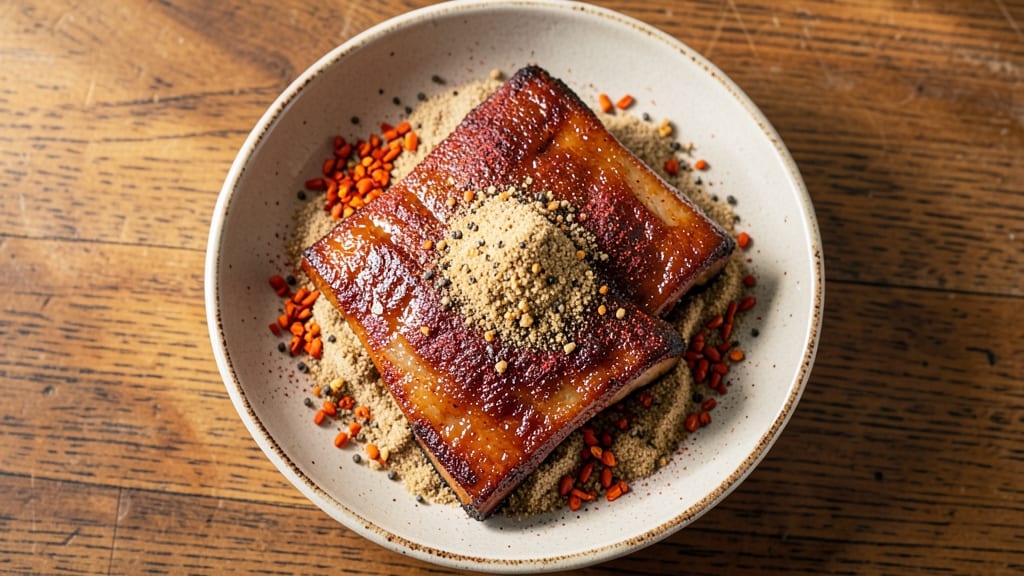
A dry rub recipe for pork spare ribs transforms tough cuts into tender, flavor-packed masterpieces with just 10 minutes of prep. This smoky-sweet blend creates a crust that locks in moisture while delivering bold, complex flavor—no fancy equipment required.
I developed this mix after years of testing what works best for both braising and grilling, balancing sweetness, heat, and depth.
The foundation is simple: brown sugar for caramelization, smoked paprika for that essential smokiness, and a touch of cayenne for controlled heat. Garlic powder and onion powder build savory depth, while a pinch of black pepper adds brightness.
This blend stays shelf-stable for months, making it perfect for stocking your pantry for future rib nights.
What makes this rub special is its versatility—use it on ribs, chicken, or even vegetables for that same smoky-sweet crust that transforms ordinary dishes. The balance of flavors ensures it won’t overpower the natural taste of the pork, while the crust becomes irresistibly crispy when cooked properly.
Store it in an airtight container until ready to use.
Adjust the cayenne to your preferred heat level, or add a pinch of mustard powder for extra tang. This is the kind of seasoning mix that turns weeknight meals into something memorable without requiring extra effort. Let’s get started!
Ingredients for dry rub recipe for pork spare ribs
A smoky-sweet blend that turns ribs into flavor-packed masterpieces with minimal effort.
| Ingredient | Amount | Notes |
|---|---|---|
| Light Brown Sugar 🍯 | ½ cup | Packed for caramelization |
| Smoked Paprika 🌶️ | 2 tbsp | High-quality for smokiness |
| Garlic Powder 🧄 | 1 tbsp | Freshly ground preferred |
| Onion Powder 🧅 | 1 tbsp | Diamond Crystal preferred |
| Cayenne Pepper 🔥 | ½ tsp | Adjust for heat preference |
| Ground Black Pepper 🌶️ | 1 tsp | Freshly ground for brightness |
| Mustard Powder 🍯 | ½ tsp | Optional for tangy depth |
| Kosher Salt 🧂 | 1 ½ tsp | Diamond Crystal preferred |
| Ground Cumin 🌿 | ½ tsp | Toasted for warmth |
| Ground Coriander 🍋 | ½ tsp | For citrusy depth |
The brown sugar is non-negotiable—it caramelizes beautifully during cooking, creating that signature crust. Penzeys or bulk bins at Whole Foods have the best quality smoked paprika, but the regular grocery store stuff works fine if it's fresh. I always grab a small bag of Diamond Crystal kosher salt for this—it dissolves better than table salt. For the cayenne, Trader Joe's carries a great pre-ground blend if you want to experiment with different heat levels. The cumin and coriander are the secret weapons here—they add warmth and complexity without overpowering the smoky-sweet base.
No smoked paprika? Regular paprika plus a pinch of liquid smoke gets you close. Short on mustard powder? Dijon mustard at half the amount works in a pinch. The coriander can be swapped for extra garlic powder if you're not a fan of citrus notes. For extra heat, add a dash of chipotle powder. If you're using this on chicken or veggies, reduce the cayenne by half—it's more sensitive than pork. The salt is key: if you're using table salt, cut it to one-third the amount since it's finer and more concentrated.
This rub stays potent for 6-12 months in an airtight container. I keep mine in a glass jar with a tight seal in my pantry. For extra longevity, add a bay leaf inside the jar—it helps preserve the flavors. Make a double batch if you're planning a cookout; it disappears fast. The beauty of this mix is its versatility—it's just as good on chicken thighs or Brussels sprouts as it is on ribs.
Why You'll Love This Recipe
- No Fuss Flavor Bomb: Honestly, this rub takes less than 10 minutes to mix—just toss everything in a bowl and whisk. The packed light brown sugar and smoked paprika do all the heavy lifting while I stand around sipping coffee. No fancy techniques, just pure, unfussy flavor magic.
- Caramelized Crust Perfection: That 0.5 cup packed brown sugar creates this incredible crust—crispy on the outside, juicy inside. The garlic powder and onion powder deepen the flavor without overpowering, while the ground black pepper adds a little brightness. It’s the kind of rib rub that makes your mouth water just thinking about it.
- Weeknight Hero: I use this rub on ribs for game days, but honestly, it’s my secret weapon for lazy Sundays too. Just slap it on, cook low and slow, and you’ve got a showstopper without the stress. The cayenne pepper and cumin keep it interesting even when you’re craving something simple.
- Budget-Friendly Luxury: This rub costs less than a cup of coffee, but it tastes like a gourmet meal. The kosher salt and mustard powder add depth without breaking the bank. I make a big batch and reuse it for chicken, steaks, or even roasted veggies—every time, it delivers.
Step-by-step instructions for creating a smoky-sweet pork rib rub
This blend delivers a perfect balance of caramelized crust and deep smokiness every time.
Combine the Base Ingredients
In a medium mixing bowl, start by adding the ½ cup light brown sugar (packed for maximum caramelization). I like to use a whisk for this step—it helps break up any sugar clumps and ensures even distribution throughout the rub. The sugar will form the foundation of your crust, creating that beautiful mahogany bark when cooked.
Next, add the 2 tbsp smoked paprika and 1 tbsp garlic powder. These are your flavor anchors—the paprika provides that essential smokiness while the garlic powder adds depth. Give everything a good stir with a silicone spatula, making sure the sugar crystals are fully incorporated. You should see a rich, reddish-brown mixture beginning to form at this stage.
Add the Dry Seasonings
Now it's time for the supporting spices. Add the 1 tbsp onion powder, 1 tsp ground black pepper, ½ tsp cayenne pepper, ½ tsp mustard powder, ½ tsp ground cumin, and ½ tsp ground coriander. Here's where the magic happens—the cayenne brings subtle heat, the mustard adds tangy complexity, and the cumin and coriander contribute earthy warmth that complements the smoky profile.
Use your spatula to fold everything together until you achieve a uniform texture. The mixture should look like fine, moist sandpaper—cohesive enough to stick to your fingers when pressed, but not clumpy. If you notice any dry spots, lightly dampen them with a drop of water from a spray bottle. This ensures even application when you coat your ribs later.
Incorporate the Salt and Final Adjustments
Finish by adding the 1½ tsp kosher salt. This is crucial for both flavor development and moisture retention during cooking. The salt should dissolve completely into the mixture, enhancing all the other flavors. At this point, give your rub one final taste test—you should detect sweetness from the sugar, smokiness from the paprika, and a subtle warmth from the spices.
For best results, transfer the completed rub to an airtight container and let it rest for at least 30 minutes before using. This allows the flavors to meld together more thoroughly. If you're making this ahead of time, store it in a cool, dark place for up to 3 months—it keeps beautifully and tastes even better after a few days of aging.
Pro Tips For Making Dry Rub Recipe For Pork Spare Ribs
- Pack That Sugar: Light brown sugar is stubborn—don’t just scoop it. Use a spoon to press it firmly into the measuring cup, then level it off. That packed consistency means better caramelization, not a dry, clumpy mess. I learned this the hard way when my first batch turned out more like sand than a sticky rub.
- Whisk Before Stirring: Start with the 0.5 cup packed light brown sugar and whisk it first—even if it looks fine. Sugar clumps sneak up on you, and those lumps won’t dissolve when you fold in the 2 tbsp smoked paprika later. A quick whisk ensures the paprika coats every crystal, so your ribs get that even, smoky-sweet crust.
- Dampen Dry Spots: After folding in all the spices, check for dry patches—especially around the 1 tbsp onion powder or 0.5 tsp cayenne. A tiny spray of water (just a drop or two) binds the mixture without making it soggy. This step guarantees the rub sticks to the ribs like glue, not flakes off halfway through cooking.
- Rest the Rub: Skip the 30-minute rest at your own risk. The flavors need time to marry—especially the 1.5 tsp kosher salt cutting through the sweetness and the 0.5 tsp toasted cumin warming up. I used to rush this, and the rub always tasted disjointed until I let it sit. Trust the process.
Storing and reheating this recipe
Pantry Storage Essentials
Store your dry rub in an airtight glass jar with a tight seal to preserve freshness and prevent moisture absorption. I use quart-sized mason jars from Ball—just fill them to the top after shaking the mixture lightly to settle any clumps.
Keep it in a cool, dark pantry away from direct sunlight, which can degrade the spices over time. This blend stays potent for up to 3 months, but I often find it tastes even better after 2-3 weeks as the flavors meld together. 🧂
Freezing for Long-Term Use
For even longer storage, freeze your rub in ice cube trays—yes, really! Portion out 1 tablespoon per cube, then transfer the frozen cubes to a ziplock bag. This makes it easy to grab just what you need without thawing the whole batch.
The rub will keep for up to 6 months this way, though I recommend using it within 4 months for peak flavor. Just let the cubes sit at room temperature for 5-10 minutes before using.
Reusing Leftover Rub
If you have a small amount left after cooking, don’t toss it! Sprinkle it over roasted potatoes, grilled vegetables, or even popcorn for an instant flavor boost. I once used leftover rub to season homemade beef jerky—it added a delicious depth that surprised my family.
Just be mindful of the salt content if using it on smaller portions. This is where Claudine’s advice shines: "Cooking is about fixing things," and a little leftover rub can fix a bland dish in seconds.
Adjusting for Different Proteins
While this rub is perfect for pork spare ribs, you can easily adapt it for other proteins. For chicken or turkey, reduce the cayenne by half since those meats are more sensitive to heat.
Swap the ground coriander for an extra ½ teaspoon of garlic powder if you prefer a stronger garlicky flavor. I’ve also used this rub on Brussels sprouts or cauliflower after roasting—just toss them in 1 tablespoon of the rub and roast at 400°F for 20 minutes.
The caramelized crust becomes irresistible. 🌟
Reviving Old Rub
If your rub loses some potency after a few months, don’t discard it! Sprinkle a small amount (½ teaspoon) of smoked paprika into the jar and shake well. The fresh paprika will help revive the flavors.
For an extra boost, add a few drops of liquid smoke—just a ¼ teaspoon is enough to restore that smoky depth. This trick works wonders for rubs that’ve been sitting too long but still have some life left in them.
Nutrition facts
Frequently asked questions
How long should I let the dry rub sit before using it?
For best flavor development, let the rub rest for at least 30 minutes after mixing. This allows all the ingredients to meld together, creating a more cohesive and flavorful coating for your ribs. You can even make it a day ahead—it keeps beautifully and tastes even better after a few days of aging!
Can I use this rub on other proteins besides pork ribs?
This versatile blend works wonderfully on chicken thighs, turkey, or even vegetables like Brussels sprouts or cauliflower. For chicken or turkey, just reduce the cayenne pepper by half since those meats are more sensitive to heat. Toss roasted veggies in 1 tablespoon of rub and roast at 400°F for 20 minutes for a smoky-sweet crust!
What if I don’t have smoked paprika?
No problem! Use regular paprika and add ¼ teaspoon of liquid smoke to recreate that smoky depth. The flavor will still be delicious, just with a slightly different profile. For extra smokiness, consider adding a pinch of chipotle powder instead.
How do I store leftover rub?
Store any unused rub in an airtight glass jar in a cool, dark pantry for up to 3 months. For longer storage, freeze it in ice cube trays—just portion out 1 tablespoon per cube and transfer to a ziplock bag. Let frozen cubes sit at room temperature for 5-10 minutes before using.
Why does my rub taste bland after storage?
Older rubs can lose potency over time. Revive it by adding ½ teaspoon of smoked paprika and shaking well. For extra flavor, include ¼ teaspoon of liquid smoke—this helps restore that signature smoky depth. Most rubs still have great flavor even after months of storage!