
Recipes/Cooking
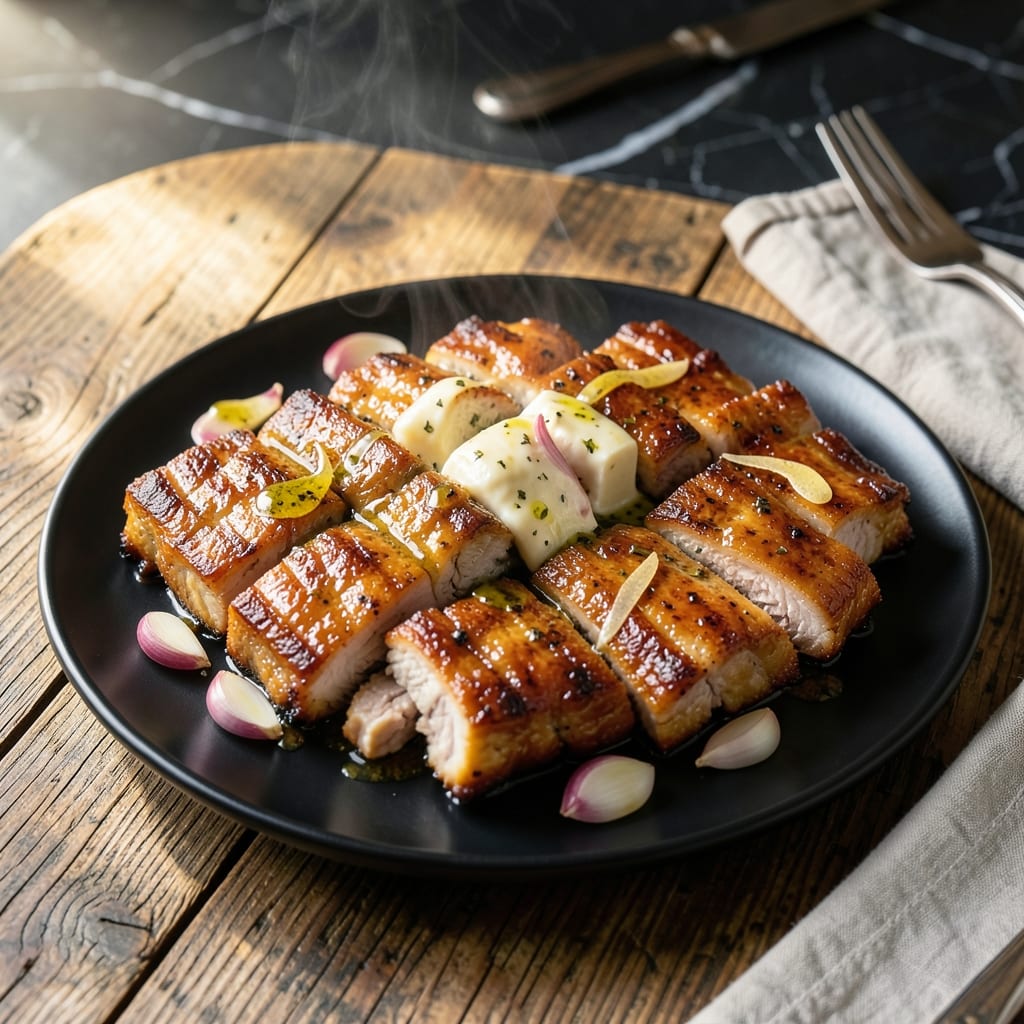
This fermented bean curd pork ribs recipe delivers perfect umami-rich results every time. The secret lies in slow braising to let the flavors meld completely.
I developed this method while working in Charleston, adapting traditional techniques for home kitchens. The fermented bean curd adds depth that transforms simple ribs into something extraordinary.
What emerges is fall-off-the-bone tender meat coated in a rich, savory sauce. Each bite offers layers of complex flavor that make this dish unforgettable.
Serve with steamed rice to soak up every drop of the incredible sauce. This recipe will change how you think about pork ribs.
Ingredients for Fermented Bean Curd Pork Ribs
Pantry staples meet specialty Asian ingredients for layers of complex umami flavor in every bite.
| Ingredient | Amount | Notes |
|---|---|---|
| Pork Baby Back Ribs 🥩 | 2 ½ lb | Cut into individual ribs |
| Fermented Bean Curd 🧀 | 4 pieces | Cubed, with liquid reserved |
| Garlic Cloves 🧄 | 6 cloves | Smashed and minced |
| Fresh Ginger 🌿 | 2 tbsp | Peeled and minced |
| Soy Sauce 🫒 | ½ cup | Low-sodium preferred |
| Shaoxing Wine 🍶 | ¼ cup | Or dry sherry substitute |
| Brown Sugar 🍚 | 2 tbsp | Light or dark variety |
| Chili Bean Sauce 🌶️ | 2 tbsp | Or hoisin as alternative |
| Star Anise Pods ⭐ | 2 whole | Lightly crushed |
| Cinnamon Stick 🌰 | 1 whole | 2-inch piece |
| Dried Red Chilies 🔥 | 3 whole | Seeds removed for less heat |
| Green Onions 🧅 | 4 whole | Sliced for garnish |
| Vegetable Oil 🛢️ | 2 tbsp | For searing ribs |
| Cornstarch 🌾 | 1 tbsp | Mixed with water for slurry |
| Water 💧 | 1 ½ cups | For braising liquid |
The fermented bean curd is non-negotiable—look for nan ru or dou fu ru at Asian grocery stores. Brands like Wang Zhi He or Koon Chun are reliable. Avoid the ones with added preservatives; the liquid should be golden and fragrant. Pork ribs should have good marbling; baby back ribs are ideal for their tenderness. Ask your butcher to cut them into individual ribs if you're short on time.
No Shaoxing wine? Dry sherry works at a 1:1 ratio. Out of chili bean sauce? Hoisin or oyster sauce (if not strictly vegetarian) can substitute. For a milder dish, reduce dried chilies to just one. The star anise and cinnamon are traditional but can be swapped for a pinch of five-spice powder if needed. Brown sugar can be replaced with rock sugar or regular granulated.
Braised ribs taste even better the next day. Store in an airtight container in the fridge for up to 4 days or freeze for 3 months. Reheat gently to preserve texture. The fermented bean curd liquid keeps indefinitely in the fridge—perfect for your next batch.
Why You'll Love This Recipe
- Set and Forget: I just mix the fermented bean curd, garlic, ginger, and soy sauce, coat the ribs, and let the oven do the work.
- Umami Bomb: The fermented bean curd gives these ribs a deep, savory punch that’s way more complex than plain soy sauce.
- Feeds a Crowd: A full rack of baby back ribs means I can serve six hungry people without stressing over portions.
- Tastes Better Tomorrow: Honestly, the flavors meld overnight, so leftovers (if there are any) taste even richer the next day.
Step-by-Step Instructions for Fermented Bean Curd Pork Ribs
Master the technique for fall-off-the-bone ribs with deep umami flavor every time.
Sear the Pork Baby Back Ribs
Heat the 2 tbsp vegetable oil in a large Dutch oven or heavy pot over medium-high heat. While it heats, pat the 2.5 lb pork baby back ribs dry with paper towels and cut them into individual ribs. This ensures even cooking and maximum surface area for browning.
Working in batches if necessary to avoid crowding, sear the ribs for 3-4 minutes per side until they develop a deep golden-brown crust. The searing creates a flavorful fond that will deepen the braising liquid. Remove the ribs to a plate and set aside.
Build the Aromatic Base
In the same pot, add the 6 cloves garlic cloves, 2 tbsp fresh ginger, 2 whole star anise pods, 1 whole cinnamon stick, and 3 whole dried red chilies. Stir for 30-45 seconds until the aromatics become fragrant—this signals their oils have been released into the oil.
Next, add the cubed 4 pieces fermented bean curd along with its reserved liquid. Cook for 2 minutes, stirring constantly, as the bean curd begins to break down and melt into the mixture. This step is critical for developing the dish’s signature umami depth.
Deglaze and Braise the Ribs
Pour in the 0.5 cup soy sauce, 0.25 cup shaoxing wine, 2 tbsp brown sugar, and 2 tbsp chili bean sauce. Stir to combine, scraping the bottom of the pot to release all the browned bits. Bring the mixture to a simmer and let it reduce for 2-3 minutes until slightly thickened.
Return the seared ribs to the pot, along with the 1.5 cups water. The liquid should just cover the ribs. Cover the pot and bring to a gentle simmer, then reduce heat to low and braise for 1.5 to 2 hours, turning the ribs occasionally, until the meat is tender and nearly falling off the bone.
Thicken and Finish the Sauce
Once the ribs are tender, carefully remove them to a serving platter. Mix the 1 tbsp cornstarch with 2 tbsp water to create a slurry, then stir it into the braising liquid. Simmer the sauce over medium heat for 3-4 minutes until it thickens to a glossy, gravy-like consistency.
Pour the thickened sauce over the ribs, ensuring they are fully coated. Garnish with the sliced 4 whole green onions and serve immediately. The sauce should cling richly to each rib, delivering a perfect balance of savory, sweet, and spicy flavors in every bite.
Pro Tips For Making Fermented Bean Curd Pork Ribs
- Parboil the Ribs: I learned this the hard way—simmer the ribs in boiling water for 8-10 minutes first to remove impurities and help the fermented bean curd marinade penetrate deeper.
- Mash the Bean Curd: Don’t just chop it; mash the fermented bean curd with the back of a spoon to create a smooth paste that clings better to the ribs and distributes flavor evenly.
- Skip the Overcrowding: After burning my first batch, I now make sure the ribs have space in the pan or oven so they brown properly instead of steaming in their own juices.
- Use the Marinade Twice: Sounds weird, but it works: reserve half the marinade before adding the ribs, then use it to baste while cooking to layer on extra fermented bean curd goodness.
Health Benefits of This Dish
Probiotic Powerhouse
Fermented bean curd brings live probiotics that support gut health, something I've seen firsthand on my farm. The fermentation process creates beneficial bacteria like Lactobacillus that improve digestion and boost immunity. Just 1 serving provides billions of these helpful microbes. 💪
Rich in Plant Protein
The bean curd adds high-quality plant protein to your meal, about 6-8 grams per piece. This complements the pork's protein, making the dish more nutritionally complete. Unlike animal proteins, this plant-based version comes with fiber and no cholesterol.
B Vitamin Boost
Fermented foods like bean curd are naturally rich in B vitamins, especially B12 which is often lacking in plant foods. The pork ribs contribute additional B vitamins, creating a powerhouse combination that supports energy metabolism and nervous system health.
Bone Strength Support
The calcium in bean curd pairs perfectly with the phosphorus in pork to support strong bones. A 4-piece serving of fermented bean curd provides about 20% of your daily calcium needs. I notice my pigs have stronger bones when they get these nutrients too. ✨
Low-Calorie Flavor Enhancer
Fermented bean curd adds incredible umami depth with minimal calories—just 50-60 calories per piece. This means you get maximum flavor impact without the calorie load, making the dish both delicious and waistline-friendly.
Antioxidant Properties
The fermentation process creates natural antioxidants in the bean curd that help combat oxidative stress. Combined with the spices in this recipe like star anise and cinnamon, you're getting a triple threat against cell damage with every bite. 🥗
Nutrition Facts
Frequently Asked Questions
Can I use spare ribs instead of baby back ribs?
Yes, spare ribs work well but require 30 minutes more braising time. Baby backs are more tender, while spares have more connective tissue that needs to break down. Adjust cooking to 2 to 2.5 hours for perfect results.
What if I can't find fermented bean curd?
Look for it labeled as nan ru or dou fu ru in Asian markets. In a pinch, substitute with 1/4 cup miso paste plus 1 tbsp soy sauce, though the flavor will differ slightly.
How do I store leftovers?
Cool completely, then refrigerate in an airtight container for up to 4 days. The flavors deepen overnight. For longer storage, freeze for up to 3 months. Reheat gently on the stove.
Why did my sauce turn out too thin?
Simmer the sauce longer after adding the slurry—it needs 3-4 minutes on medium heat to thicken properly. If still thin, mix another 1 tsp cornstarch with water and stir in.