
Recipes/Cooking
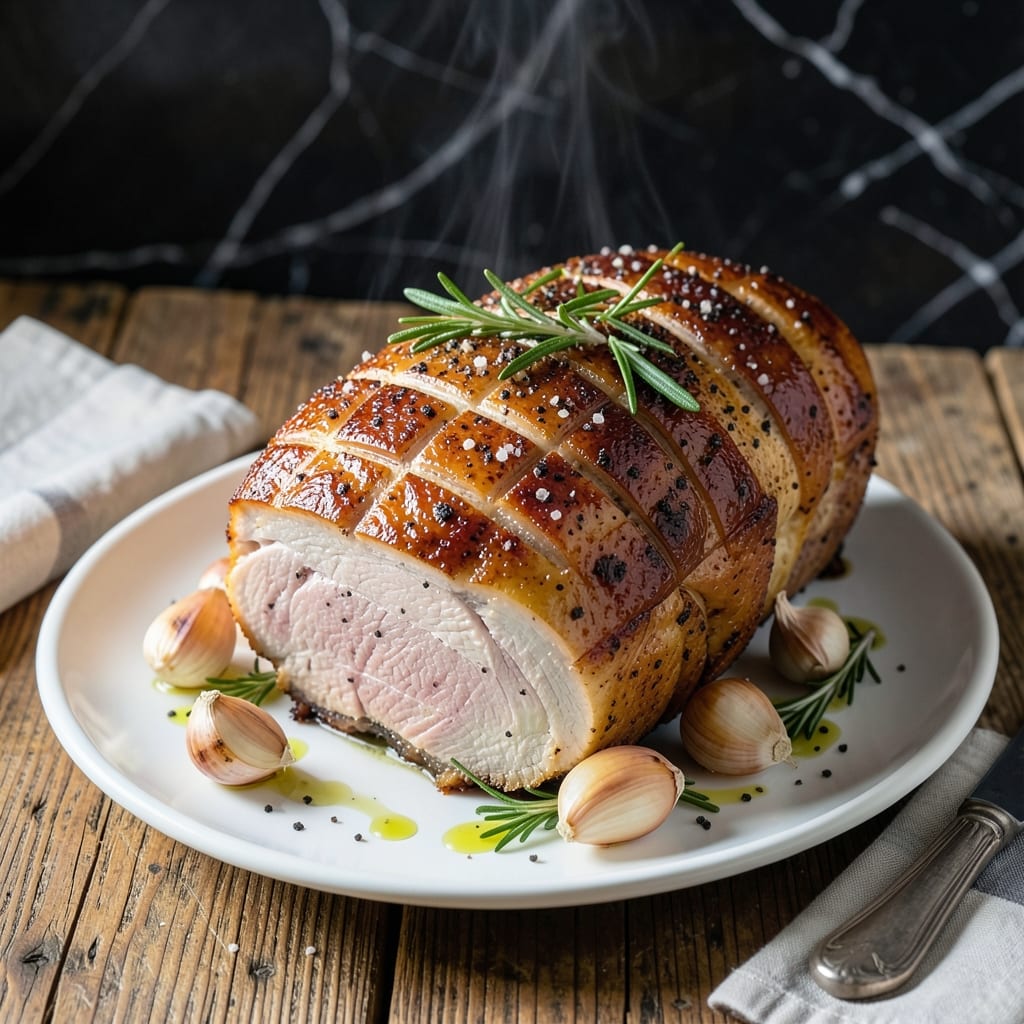
This festive pork roast recipe transforms your holiday table with garlic-rosemary infused perfection. Growing up in Georgia, I learned that pork brings people together like nothing else. The slow-roasting method ensures tender, juicy meat every time.
The secret lies in a simple wet rub of crushed garlic, fresh rosemary, and olive oil that penetrates deep into the meat. I always let it marinate overnight for maximum flavor development. This technique guarantees a restaurant-quality result without complicated steps.
As it roasts, your kitchen will fill with an aroma that announces a special occasion. The exterior develops a beautiful golden crust while the inside stays succulent. This is the centerpiece that makes holidays memorable.
Perfect for serving a crowd, this roast pairs beautifully with mashed potatoes and roasted vegetables. The leftovers make incredible sandwiches the next day.
Ingredients for Festive Pork Roast
Pantry staples plus fresh herbs and a pork roast. Holiday magic in the making.
| Ingredient | Amount | Notes |
|---|---|---|
| Bone-In Pork Shoulder Roast 🥩 | 5 lb | Skin-on for crispy crackling |
| Fresh Rosemary Sprigs 🌿 | 6 pieces | Stems removed, finely chopped |
| Garlic Cloves 🧄 | 8 cloves | Peeled and crushed |
| Extra-Virgin Olive Oil 🫒 | ½ cup | Divided for rub and basting |
| Kosher Salt 🧂 | 1 ½ tbsp | Diamond Crystal preferred |
| Freshly Ground Black Pepper 🌶️ | 1 tbsp | Coarse grind for texture |
| Dijon Mustard 🟡 | 2 tbsp | For depth in wet rub |
| Dry White Wine 🍷 | 1 cup | Sauvignon Blanc or Pinot Grigio |
| Chicken Stock 🍲 | 2 cups | Low-sodium preferred |
| Yellow Onion 🧅 | 1 whole | Roughly chopped for roasting |
| Carrots 🥕 | 3 whole | Peeled and cut into chunks |
| Celery Stalks 🌿 | 3 pieces | Cut into large pieces |
| Fresh Thyme Sprigs 🌿 | 4 pieces | Optional for additional aroma |
The pork shoulder is non-negotiable here—bone-in, skin-on gives you that crackling everyone fights over. I grab mine from Whole Foods or a local butcher if I can swing it. Look for good marbling and a thick fat cap. The rosemary? Fresh only—dried just doesn’t have the same punch for this wet rub. Georgia farms have the best, but any grocery store bunch works.
No white wine? Apple cider vinegar mixed with water (half and half) gets you in the ballpark. Out of Dijon? Regular mustard works, but cut back by half—it’s stronger. The chicken stock can be homemade or Better Than Bouillon (my go-to). If you skip the veggies, the roast won’t be as moist—don’t skip them. Fresh thyme is optional, but honestly, it’s worth the extra dollar.
This roast tastes even better the next day. Carve what you need, then store the rest in its juices for up to 4 days. Freezes beautifully for 3 months—perfect for future sandwiches. Leftovers? Shred for tacos or hash.
Why You'll Love This Recipe
- One roast feeds us twice: first as dinner, then as sandwiches or tacos the next day.
- Hands-Off Cooking: I just rub the pork with olive oil, salt, and rosemary, then let the oven do the work—no babysitting required.
- Herb-Infused Perfection: The garlic and rosemary crust forms this incredible aroma that fills the house, and the flavor? Ridiculously good.
- Holiday or Tuesday: Honestly, I make this for Christmas dinner and random weeknights—it’s that adaptable.
Step-by-Step Instructions for Festive Pork Roast
This method delivers a showstopping centerpiece with crispy skin and fall-off-the-bone tenderness.
Prepare the Herb-Rubbed Pork
Score the skin of the 5 lb bone-in pork shoulder roast in a crosshatch pattern, cutting about ¼ inch deep. This helps render the fat and creates crispy crackling. Pat the roast completely dry with paper towels—this is crucial for browning.
In a bowl, combine 0.5 cup extra-virgin olive oil, 2 tbsp Dijon mustard, 1.5 tbsp kosher salt, 1 tbsp freshly ground black pepper, the chopped leaves from 6 pieces fresh rosemary sprigs, and the 8 cloves garlic cloves (crushed). Rub this mixture all over the pork, working it into every crevice. The pork should be completely coated and smell fragrant with garlic and herbs.
Sear and Begin the Roast
Preheat your oven to 325°F. Place the roast skin-side up on a rack in a roasting pan. Arrange the 1 whole yellow onion (roughly chopped), 3 whole carrots (peeled and chunked), and 3 pieces celery stalks around the pork. These vegetables will flavor the drippings and prevent burning.
Roast uncovered for 2 hours. You'll see the skin start to puff and crisp—this is the fat rendering. The pork will develop a deep golden color and the herbs will begin to caramelize on the surface. The 4 pieces fresh thyme sprigs can be tucked under the roast now for extra aroma.
Baste and Add Liquids
After 2 hours, carefully remove the pan from the oven. Pour 1 cup dry white wine and 2 cups chicken stock into the bottom of the pan, being careful not to wash off the rub. The liquid should come about halfway up the vegetables but not touch the pork skin.
Baste the pork with the pan juices, then return it to the oven. Roast for another 1.5 to 2 hours, basting every 30 minutes. The liquid will reduce and concentrate, creating a rich, aromatic base for the final sauce. The pork is ready when the internal temperature reaches 195-200°F and the meat pulls apart easily with a fork.
Rest and Serve
Transfer the pork to a cutting board, skin-side up. Let it rest for 20-30 minutes—this allows the juices to redistribute and the skin to crisp further. The resting period is non-negotiable; slicing too soon will result in dry meat and lost juices.
While the pork rests, skim excess fat from the pan drippings and reduce the remaining liquid on the stovetop for 5-7 minutes until slightly thickened. Strain and serve this as a sauce alongside the pork. The roast should pull apart with minimal effort, with a mahogany-colored exterior and moist, tender meat throughout.
Pro Tips For Making Festive Pork Roast
- Dry the Pork First: Pat the bone-in pork shoulder completely dry with paper towels before seasoning—I learned this the hard way after my first roast steamed instead of browned.
- Score the Fat: Cut 1/4-inch deep slits in the fat cap at 1-inch intervals so the garlic and rosemary actually penetrate where they matter most.
- Start Hot, Finish Low: Sear the roast at 450°F for 20 minutes, then drop to 325°F for the remaining time—this gives you crackling skin without dried-out meat.
- Rest Before Carving: Tent the roast with foil and let it sit for 15-20 minutes after cooking, or all those juices you worked for will end up on the cutting board.
Pro Cooking Tips for This Recipe
Temperature Control
Keep your oven steady at 325°F—this is the sweet spot for rendering fat while keeping the meat juicy. I use an oven thermometer to verify, as many home ovens run hot or cold. This consistency is what gives you that perfect crispy skin.
Scoring the Skin
Cut the skin in a crosshatch pattern about ¼ inch deep. This isn't just for looks—it helps the fat render out and creates more surface area for crispiness. I learned this trick from Master Chef Chen during my Charleston apprenticeship. 🔥
Basting Technique
Baste every 30 minutes after adding the liquids. Use a bulb baster or spoon to drench the roast with pan juices. This keeps the meat moist and builds layers of flavor. The white wine and chicken stock will reduce into a rich sauce.
Resting is Key
Let the roast rest for 20-30 minutes before carving. This allows juices to redistribute throughout the meat. I know it's hard to wait, but slicing too soon means you'll lose all that beautiful moisture to the cutting board.
Internal Temp Check
Use a meat thermometer to check for 195-200°F in the thickest part. This is when collagen breaks down into gelatin, giving you that fall-apart tenderness. The pork should pull apart easily with a fork when it's ready.
Crispy Skin Secret
For extra crispy crackling, pat the skin dry before roasting and don't cover the roast. The dry heat is what transforms the skin into that coveted crackling. My heritage pigs always deliver the best results. 💪
Nutrition Facts
Frequently Asked Questions
Can I use a boneless pork shoulder instead?
Yes, but bone-in gives better flavor and moisture. A boneless cut will work in a pinch, but reduce cooking time by about 30 minutes and watch for dryness. The bone helps conduct heat evenly.
Why do I need to score the skin?
Scoring helps render fat and creates crispy crackling. The cuts allow heat to penetrate evenly, preventing tough skin. Skip this step, and you’ll miss out on that coveted texture.
How do I know when it’s done without a thermometer?
Pierce the thickest part with a fork—it should slide in like butter. The meat will pull apart easily at 195-200°F. If unsure, err on the side of longer cooking for fall-apart tenderness.