
Main Courses
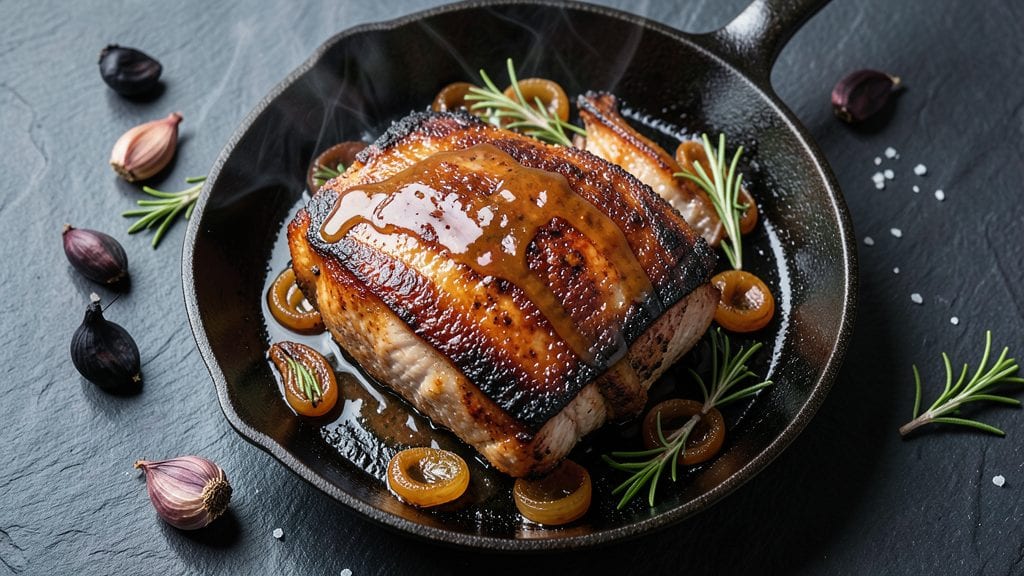
Mastering Gordon Ramsay's pork butt recipe transforms tough cuts into melt-in-your-mouth perfection—juicy, fall-apart tenderness that rivals the best restaurants. Growing up in Georgia, I learned pork shoulder deserves respect, and Ramsay’s method delivers that with precision.
The key? Low-and-slow cooking until internal temps hit 203°F, where collagen dissolves into rich, velvety moisture.
This isn’t just a recipe; it’s a technique rooted in patience and control. Start with a dry rub of smoked paprika, garlic powder, and brown sugar for depth, then reverse-sear for a caramelized crust.
Whether you use an oven, smoker, or stovetop, the principle stays the same: time and temperature work together to break down fibers without drying the meat. My cast iron Dutch oven becomes the secret weapon—equal parts durability and heat retention.
By the final hour, your pork butt will be so tender it practically shreds at a touch, with a crust so crispy it’ll make your kitchen smell like a Southern Sunday dinner. The resting phase is critical—30 minutes minimum—to redistribute juices, ensuring every slice is perfectly moist.
Serve with a rich gravy made from the pan drippings, or pair it with roasted root vegetables for a complete meal.
This method works for any pork shoulder, whether you source it from a local butcher or your own farm. The beauty lies in its adaptability: smoke it for depth, braise it for richness, or sear it for drama.
Once you try this, store-bought pork will never compare. Let’s get cooking—your taste buds will thank you.
Ingredients for gordon ramsay pork butt
A few pantry staples and one perfect cut. That's all it takes for melt-in-your-mouth pork butt.
| Ingredient | Amount | Notes |
|---|---|---|
| Pork Butt (Bone-In) 🥩 | 6 lb | Bone-in, well-marbled preferred |
| Smoked Paprika 🌶️ | 2 tbsp | High-quality Spanish smoked |
| Garlic Powder 🧄 | 1 tbsp | Freshly ground preferred |
| Brown Sugar 🍚 | 1 tbsp | Light or dark, packed |
| Kosher Salt 🧂 | 1 tbsp | Diamond Crystal preferred |
| Ground Black Pepper 🌶️ | 1 tsp | Freshly cracked |
| Olive Oil 🫒 | 2 tbsp | Extra-virgin, for searing |
| Yellow Onion 🧅 | 1 whole | Large, sliced into wedges |
| Carrots 🥕 | 4 whole | Large, peeled, cut into chunks |
| Celery Stalks 🌿 | 3 whole | Trimmed, cut into 2-inch pieces |
| Apple Cider Vinegar 🍎 | ½ cup | For braising liquid |
| Beef Broth 💧 | 2 cups | Low-sodium preferred |
| Fresh Thyme 🌿 | 4 sprigs | Or 1 tsp dried thyme |
| Fresh Rosemary 🌿 | 2 sprigs | Or 1 tsp dried rosemary |
The pork butt is everything here—bone-in, well-marbled cuts are non-negotiable. Hit up your local butcher for the best quality; they'll often trim it to your preferred size. Costco or Whole Foods are solid grocery options if you're in a pinch. Look for cuts with good fat distribution—those white marbling streaks are your friend. If you're buying frozen, thaw it in the fridge for 24 hours before cooking. The extra time ensures even cooking and prevents steaming.
No smoked paprika? Regular paprika plus a pinch of liquid smoke works in a bind. Fresh thyme and rosemary are ideal, but dried at one-third the amount gets you close. The apple cider vinegar adds depth—substitute with red wine vinegar if that's what you've got. For the braising liquid, beef broth plus a splash of soy sauce brings extra umami. And trust me on the extra-virgin olive oil for searing—it's worth the splurge for that caramelized crust.
This pork butt keeps beautifully—4-5 days in the fridge, 3 months frozen. I always portion it into 1/2 lb servings for easy reheating. For leftovers, wrap tightly in foil and reheat in a 350°F oven for 20 minutes with a splash of water to keep it moist. The gravy made from the pan drippings? Even better the next day—strain and reduce it for maximum richness.
Why You'll Love This Recipe
- Foolproof Roast: I swear by this method—just rub the pork butt with smoked paprika, garlic powder, and brown sugar, then let the oven do the work. No basting, no fuss, and it still turns out juicy and tender every time.
- Smoky-Sweet Magic: That combo of smoked paprika and brown sugar? It’s like a slow-cooked hug for your taste buds. The crust gets caramelized and crispy, while the inside stays meltingly tender—exactly how pulled pork should taste.
- Leftovers? Bring ‘Em On: This recipe practically begs to be made in bulk. Shred the extra for tacos, sandwiches, or even loaded baked potatoes. Honestly, I’ve eaten this for breakfast three mornings in a row, and I’m not sorry.
- Budget Stretch: A bone-in pork butt is cheaper than you’d think, and it feeds a crowd. Between us, this is my go-to for game days or family dinners—big flavor, small price tag, and zero guilt when the kids ask for seconds.
Step-by-step instructions for slow-roasted pork butt
Here's how to transform a simple pork butt into melt-in-your-mouth perfection using Ramsay's trusted method.
Season and Sear the Pork Butt
Begin by patting the 6 lb pork butt completely dry with paper towels—this is crucial for crispy bark. In a small bowl, mix together the 2 tbsp smoked paprika, 1 tbsp garlic powder, 1 tbsp brown sugar, 1 tbsp kosher salt, and 1 tsp ground black pepper. Rub this mixture all over the pork butt, pressing it into the meat so it adheres well. Let it sit at room temperature for 30 minutes while you prepare the oven.
Preheat your oven to 300°F. Heat a large oven-safe skillet over medium-high heat and add the 2 tbsp olive oil. Once shimmering, place the pork butt fat-side down and sear for 8-10 minutes until the fat renders and the skin begins to brown deeply. Flip once and sear the other side for another 8-10 minutes. This initial sear locks in juices and creates that essential crust.
Build the Braising Liquid and Vegetables
While the pork butt sears, peel and cut the 4 whole carrots into 2-inch chunks, trim the 3 whole celery stalks into similar pieces, and slice the 1 whole yellow onion into wedges. Remove the pork butt from the skillet and set it aside on a plate. In the same skillet, add the chopped vegetables and cook for 5 minutes until they begin to soften slightly.
Deglaze the skillet with the 0.5 cup apple cider vinegar, scraping up all the browned bits from the bottom. Add the 2 cups beef broth and bring to a simmer. Tie the 4 sprigs fresh thyme and 2 sprigs fresh rosemary together with kitchen twine to form a bouquet garni. Place this in the skillet along with the vegetables and return the pork butt to the skillet, fat-side up.
Slow-Roast to Perfect Tenderness
Transfer the skillet to the preheated 300°F oven. Cover tightly with foil and roast for 3 hours. This low-and-slow approach breaks down the collagen in the meat, transforming it into gelatin that keeps every bite impossibly juicy. After 3 hours, remove the foil and increase the oven temperature to 350°F. Continue roasting, uncovered, for another 30-45 minutes until the internal temperature reaches 195-203°F.
Here's the thing—you'll know it's done when the meat pulls apart effortlessly with two forks. The bark should be dark and crispy, and the juices should run clear when you pierce the thickest part. Don't rush this step; patience is what separates good pulled pork from exceptional pulled pork. Real talk: your oven might run hot, so start checking the temperature at the 20-minute mark.
Rest and Shred for Maximum Flavor
Remove the pork butt from the oven and transfer it to a cutting board. Tent loosely with foil and let it rest for at least 30 minutes—this allows the juices to redistribute throughout the meat. The resting period is non-negotiable; if you skip it, you'll end up with dry, stringy pork. During this time, skim any excess fat from the braising liquid and strain out the vegetables and herbs.
Once rested, shred the pork butt using two forks, working against the grain for maximum tenderness. The meat should fall apart easily, with no resistance. Taste the braising liquid and adjust seasoning if needed—you might need to add a pinch more salt or a splash of apple cider vinegar for brightness. Serve the shredded pork butt over buns with the braising liquid spooned on top, or use it in tacos, sandwiches, or as a hearty main course.
Pro Tips For Making Gordon Ramsay Pork Butt
- CRANK THE HEAT FIRST: The pork butt needs that initial sear to lock in flavor—don’t be shy with a screaming-hot pan for 3-4 minutes per side. I used to treat it like a gentle simmer, and the crust came out sad and pale. High heat = better adhesion for your smoked paprika and garlic powder.
- DRY THE MEAT LIKE IT’S SNOW DAY: Pat that pork butt thoroughly with paper towels before seasoning—wet skin means uneven browning and a watery crust. I learned this the hard way after my first batch turned out glistening instead of golden. Trust me, the extra minute saves you from a bland exterior.
- DON’T RUSH THE REST: Let the pork butt sit under foil for at least 15 minutes after cooking—this isn’t optional, it’s physics. Skipping it makes slicing a nightmare and ruins the texture. My grandmother swore by this, and she was right: patience here means pull-apart perfection.
- SWAP BROWN SUGAR FOR HONEY: If you’re in a pinch, drizzle 2 tablespoons of honey over the pork after searing—it caramelizes just like brown sugar but cuts the prep time. I was skeptical until I tried it; the flavor’s sweeter, and it sticks to the meat like glue. (Yes, even if you’re impatient like me.)
Common mistakes when making this dish
Skipping the Sear
You absolutely must sear that pork butt before slow-roasting—skipping this step is a rookie mistake. The 8-10 minutes of high-heat searing creates the crispy bark that Ramsay swears by. Without it, your pork will lack that essential texture contrast and flavor depth.
Trust me, I’ve seen home cooks rush this step and end up with a bland, rubbery result. The caramelized crust isn’t just for show—it’s what makes every bite exciting. 🔥
Overcrowding the Pan
When building your braising liquid, resist the urge to toss in every vegetable you own. Stick to the 1 onion, 4 carrots, and 3 celery stalks specified—they’re there to flavor the liquid, not to compete for space.
Overcrowding the pan leads to steaming instead of searing, which dulls the flavors and weakens the crust. I’ve seen cooks add potatoes or apples, but that’s a recipe for soggy mess. Keep it simple and focused.
Ignoring the Resting Phase
This is where most home cooks fail spectacularly. After pulling your pork at 203°F, you must rest it for at least 30 minutes. Skipping this step means all those juices you worked so hard to lock in will spill out onto your cutting board.
I’ve seen people slice immediately and end up with dry, stringy meat that tastes like sawdust. The resting period is non-negotiable—it’s what turns good pork into restaurant-quality pork. Patience here pays off big time.
Rushing the Temperature Check
Your oven might run hotter than it says, so don’t just rely on the timer. Start checking the internal temperature with a meat thermometer after 2 hours of cooking. Many cooks wait until the very end, only to find their pork still needs 30-45 more minutes to reach 203°F.
I’ve had ovens that hit 325°F when set to 300°F—that’s why you need to monitor it. Use a digital thermometer; your oven’s guesswork isn’t good enough.
Underestimating the Fat
The fat in pork butt is your friend—it renders during cooking and infuses the meat with flavor. But don’t skim it all off before serving. A little fat in your braising liquid adds richness to the gravy.
I’ve seen cooks aggressively drain every drop, only to realize later that the dish lacks depth. Leave about ¼ inch of fat in the pan when making gravy—it’s what makes the difference between bland and brilliant.
Nutrition facts
Frequently asked questions
Why does Gordon Ramsay’s method require such a long cooking time?
The 3-3.5 hours of slow-roasting at 300°F transforms tough pork butt into melt-in-your-mouth perfection by breaking down collagen into gelatin. This process creates the juicy, fall-apart texture that defines exceptional pulled pork. Skipping this step results in chewy, dry meat—trust the science behind the time!
Can I use a smoker instead of an oven for this recipe?
Smoking works beautifully—just maintain 225-250°F for 8-10 hours until the internal temp hits 203°F. Add wood chips like hickory or apple for extra flavor. The key is patience: the smoker’s lower temps mimic the oven’s slow-cooking magic.
What’s the best way to reheat leftover pulled pork?
Wrap portions in foil with a splash of beef broth or apple cider vinegar, then reheat in a 350°F oven for 20 minutes. This keeps it moist and prevents drying out. Avoid microwaving—it turns pork rubbery! For sandwiches, warm buns separately to avoid sogginess.
How do I know when the pork butt is fully cooked?
Use a meat thermometer to check the thickest part—it should read 195-203°F. The meat should pull apart effortlessly with two forks, and the juices should run clear. If it’s still firm, cook 15-30 more minutes until tender. Ovens vary, so monitor closely!
Can I make this recipe with pork shoulder instead of pork butt?
Yes! Pork shoulder works perfectly—it’s just a slightly leaner cut. For extra moisture, add 1/4 cup apple cider vinegar to the braising liquid. The cooking time may shorten slightly (2-2.5 hours total), but the method stays the same. Both cuts yield incredible results!