
Main Courses
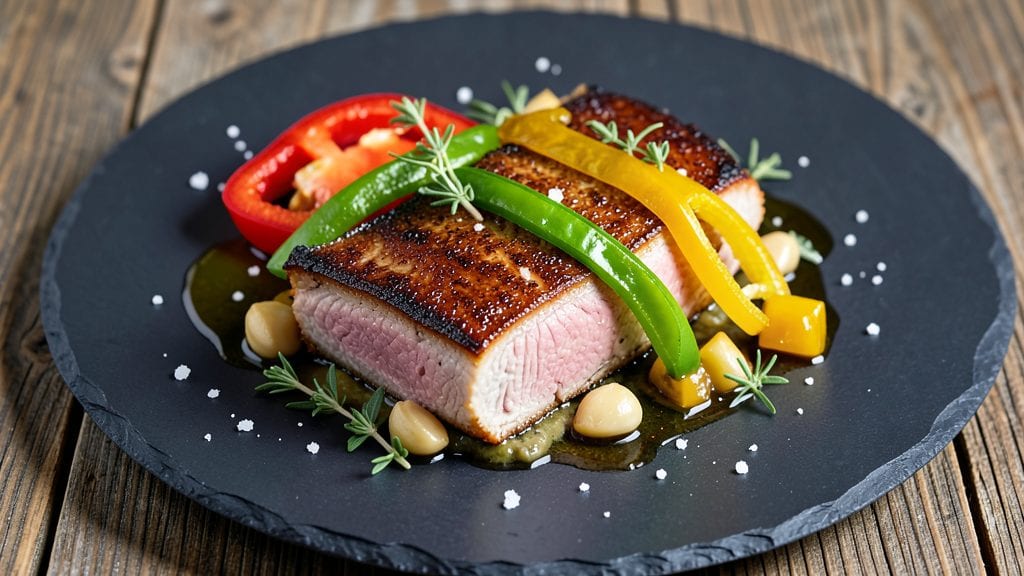
Gordon Ramsay's pork chops with peppers recipe delivers restaurant-quality results with crispy edges and tender meat that'll impress even the toughest critics. I first mastered this technique while apprenticing under Master Chef Chen, where we perfected the balance between high-heat searing and gentle cooking to achieve that perfect contrast.
The key lies in proper seasoning and precise timing—no guesswork, just professional results every time.
This recipe transforms simple ingredients into a meal that feels like a fine-dining experience. You'll start with thick-cut pork chops seasoned with salt and pepper, then sear them in a hot cast-iron skillet until golden brown before finishing in the oven.
Bell peppers add sweetness and texture, while a touch of garlic and thyme elevate the flavors to new heights. The method is straightforward but requires attention to detail—just like any professional technique.
What you'll end up with is juicy pork chops with a crispy crust that shatters when you cut in, paired with caramelized peppers that add a sweet, smoky depth. The aroma alone will have everyone gathering around your table, and the first bite will prove this is worth the effort.
This dish pairs beautifully with roasted potatoes or a fresh green salad for a complete meal.
Whether you're cooking for a special occasion or just treating yourself to a weeknight upgrade, this recipe delivers foolproof results. The techniques I've refined over years of cooking—from my farm in Georgia to professional kitchens—ensure you'll achieve the same level of perfection.
Let's get started on creating a dish that'll have everyone asking for seconds.
Ingredients for gordon ramsay pork chops with peppers
Thick-cut pork chops, peppers, and a few simple seasonings transform into restaurant-quality perfection.
| Ingredient | Amount | Notes |
|---|---|---|
| Boneless Pork Chops 🐷 | 1 ½ lb | Thick-cut, 1-inch thick |
| Bell Peppers 🌶️ | 3 whole | Red or yellow, sliced |
| Garlic Cloves 🧄 | 4 cloves | Minced, aromatic |
| Fresh Thyme Leaves 🌿 | 1 tbsp | Or 1 tsp dried |
| Olive Oil 🫒 | ½ cup | Extra-virgin for richness |
| Diamond Crystal Kosher Salt 🧂 | 1 ½ tsp | For seasoning pork |
| Freshly Ground Black Pepper 🌶️ | ¾ tsp | Freshly ground preferred |
| Butter 🧈 | ½ cup | Unsalted, for finishing |
| Apple Cider Vinegar 🍎 | 1 tbsp | For deglazing pan |
| Fresh Rosemary 🌱 | 1 tbsp | Chopped, optional garnish |
| Cast-Iron Skillet 🔥 | 1 package | For searing, non-negotiable |
The pork chops are everything—thick-cut (1-inch minimum) for that perfect sear-to-tender ratio. I always grab center-cut chops from Whole Foods or my local butcher; they're more uniform and less likely to dry out. Look for marbled fat—it renders during cooking and keeps the meat juicy. If you're using pre-packaged chops, pat them dry thoroughly before seasoning; moisture is the enemy of a good sear. The cast-iron skillet is non-negotiable here—it retains heat like nothing else and gives those crispy edges you're after.
No fresh thyme? Dried thyme at one-third the amount works in a pinch, though it lacks that bright, herbal punch. Bell peppers can be any color, but red or yellow add a natural sweetness that pairs beautifully with pork. Short on garlic? Garlic powder at half the amount gets you close, but the flavor isn’t quite the same. For the apple cider vinegar, any white vinegar works, but the acidity of cider adds a subtle depth. If you’re avoiding dairy, skip the butter finishing—olive oil will work, but the dish loses that luxurious richness.
This dish is all about timing. Prep everything before you start cooking—slice peppers, mince garlic, measure spices. The pork chops should rest 5 minutes after cooking before slicing to retain their juices. The skillet? Clean it thoroughly after use—the browned bits are flavorful, but they’ll turn rancid if left behind. Store leftovers in an airtight container in the fridge for 3-4 days, or freeze portions for up to 3 months. Reheat gently on the stovetop with a splash of water to restore moisture.
Why You'll Love This Recipe
- One-Pan Magic: I love that this recipe turns one cast-iron skillet into your entire meal—no scrubbing pots, no switching pans. Just sear those thick-cut pork chops until they’re golden and crispy, then toss in the peppers and garlic, and finish with butter and rosemary. The skillet does all the work, and cleanup? A few quick wipes with a paper towel. My kind of efficiency.
- Crispy Outside, Juicy Inside: That golden-brown crust on the pork chops? Chef’s kiss. The trick is pressing them down in the hot oil for the first minute—no moving, no fidgeting—so they develop that perfect sear. Meanwhile, the meat stays tender all the way through, thanks to the 145°F internal temp and that 3-5 minute rest. Sweet peppers caramelized in olive oil and thyme? The combo is dangerously addictive.
- Weeknight Hero: I don’t know about you, but I’m not cooking for hours on a Tuesday night. This recipe takes less than 30 minutes from start to finish, and it’s so foolproof I’ve made it three times this week. Serve it over rice, with mashed potatoes, or even just a simple salad—it’s that versatile. My kids even ask for seconds, which is basically the highest compliment.
- Budget-Friendly Feast: For under $20, you’re getting 4-6 servings of restaurant-quality pork chops with peppers. Thick-cut pork chops are often cheaper than lean cuts, and those bell peppers add color and sweetness without breaking the bank. Plus, leftovers keep for 3-4 days in the fridge—perfect for lunch the next day. It’s the kind of meal that makes me feel like I’m splurging without actually splurging.
Step-by-step instructions for gordon Ramsay's pork chops with peppers
Here's how to achieve perfectly crispy edges and tender meat with this restaurant-quality technique.
Season and Sear the Pork Chops in the Cast-Iron Skillet
Pat the 1½ lb boneless pork chops completely dry with paper towels—this is crucial for achieving that signature crispy crust. Place them on a cutting board and season both sides generously with the 1½ tsp diamond crystal kosher salt and ¾ tsp freshly ground black pepper. Let them sit at room temperature for 10 minutes while you prepare the skillet.
Heat the cast-iron skillet over medium-high heat until it's screaming hot. Add ½ cup of the olive oil and swirl to coat the bottom evenly. Working in batches if needed (to avoid crowding), add the pork chops and press down gently with a spatula during the first minute—this prevents them from curling and ensures even contact with the pan. Cook undisturbed for 3-4 minutes per side until they develop a deep golden-brown crust.
Here's the thing—don't move them around. You'll know they're ready to flip when they release easily from the skillet. Transfer the cooked chops to a plate and tent loosely with foil to keep warm while you prepare the peppers.
Sauté the Bell Peppers and Garlic Until Tender-Crispy
In the same cast-iron skillet (no need to clean it—those browned bits are flavor gold), add the remaining olive oil. Toss in the sliced 3 bell peppers and cook over medium heat for 6-8 minutes, stirring occasionally, until they begin to soften and develop some color. The goal is tender-crisp, not mushy—you want them to hold their shape while still being easily pierced with a fork.
Add the 4 minced garlic cloves and the 1 tbsp fresh thyme leaves, stirring for 30 seconds until the garlic becomes fragrant and just starts to turn golden. Pour in the 1 tbsp apple cider vinegar and scrape up all those delicious browned bits from the bottom of the pan. This deglazing step captures all the flavor you've built up during the sear.
Let the mixture simmer for 1-2 minutes until the vinegar evaporates and the peppers are fully coated in that rich, caramelized fond. Remove from heat and set aside—these peppers will continue cooking when they join the pork chops.
Finish with Butter and Rosemary for Richness
Return the skillet to medium heat and add the ½ cup unsalted butter. Let it melt completely, then swirl it around the pan to coat the peppers and garlic mixture. Add the 1 tbsp chopped fresh rosemary and stir for 30 seconds until the butter becomes frothy and infused with rosemary aroma.
Now return the pork chops to the skillet, spooning that luxurious butter mixture over the top. Let everything heat through together for 1-2 minutes, basting the chops with the butter sauce. The internal temperature of the pork should register 145°F when checked with a meat thermometer—this ensures perfectly tender meat while maintaining that crispy exterior.
Here's where it gets fun—taste and adjust seasoning if needed. The butter and rosemary should add a beautiful herbal note that complements the crispy pork and sweet peppers. Serve immediately with the peppers spooned over the top, garnished with additional chopped rosemary if desired.
Rest and Serve for Maximum Juiciness
Transfer the pork chops to warm plates and let them rest for 3-5 minutes before serving. This resting period is non-negotiable—it allows the juices to redistribute throughout the meat, ensuring each bite is moist and flavorful rather than dry. The peppers can be served directly from the skillet or spooned over the chops.
Your pork chops should have a deep golden-brown crust that's irresistibly crispy, with meat that's perfectly tender and juicy all the way through. The peppers should be tender-crisp with a touch of sweetness, perfectly balanced by the herby, buttery sauce. This is where home cooking meets restaurant quality—simple ingredients transformed into something extraordinary through technique.
Pro Tips For Making Gordon Ramsay Pork Chops With Peppers
- Press for Flatness: The first minute with the pork chops is critical—press them down firmly with a spatula as soon as they hit the pan. I used to skip this, and half my chops would curl into sad little rolls instead of getting that perfect even crust. Works like a charm, even if it looks a little violent.
- Vinegar Early, Vinegar Often: Add the apple cider vinegar right after the garlic and thyme, then let it bubble away for those 1-2 minutes. Skimping here means missing out on the bright, tangy depth that cuts through the richness of the butter. Trust me, that fond is worth the wait.
- Butter at the Right Heat: The butter should melt slowly over medium heat—no rushing. If you crank it up high, you’ll end up with nutty, burned butter instead of that silky, fragrant sauce. Medium is where the magic happens, and your chops will thank you.
- Slice Peppers Evenly: Cut the bell peppers into uniform strips—about ¼-inch thick. Thicker slices take forever to soften, while thinner ones turn to mush. Aim for that happy medium where they’re tender but still hold their shape, like little crispy ribbons.
Wine and beer pairings for this recipe
Bold Red Wine Choices
For this rich, buttery pork dish, I reach for a medium-bodied red wine that can stand up to the pork’s depth without overwhelming the peppers’ sweetness.
A 2021 Chianti Classico from Tuscany—like the Castello di Volpaia—cuts through the fat with its bright acidity and cherry notes, balancing the dish beautifully. The wine’s herbal undertones from Sangiovese grapes also complement the thyme and rosemary in the sauce. 🍷
Crisp White Wine Pairings
If you prefer white wine, a dry, aromatic white like a 2022 Vermentino from Sardinia works wonders. Its citrusy finish and mineral notes cleanse the palate between bites of crispy pork and caramelized peppers.
For a Southern twist, try a 2021 Chenin Blanc from the Loire Valley—its apple and honey flavors harmonize with the dish’s sweetness. Both wines avoid clashing with the butter finish.
Craft Beer Complements
Beer lovers should opt for a dry, citrus-forward lager or wheat beer. A Belgian Witbier like Leffe Blonde adds coriander and orange peel notes that brighten the dish’s richness.
For a more robust option, a German Pilsner like Paulaner Original provides crisp maltiness that balances the pork’s saltiness. Avoid heavy stouts or IPAs—they’ll overpower the delicate peppers and herbs.
Regional Southern Pairings
In the Southeast, where pork is king, I often pair this dish with a local Southern red. A 2021 Georgia Peach Wine (yes, wine!) from Reynolds Hill Vineyards offers peach and spice notes that mirror the pork’s sweetness.
For a non-alcoholic option, a sparkling peach tea with a splash of lemon mimics the wine’s acidity and complements the dish’s flavors without competition. 💛
Off-Dry Options for Balance
If you like slightly sweet wines, an off-dry Riesling like the 2021 Dr. Loosen "Blue Slate" from Germany adds a touch of residual sugar that enhances the pork’s caramelized edges.
The wine’s peach and apricot notes echo the peppers’ sweetness while keeping the dish from feeling heavy. This pairing feels like a Southern summer evening in my Charleston kitchen.
Nutrition facts
Frequently asked questions
Why is it important to pat the pork chops completely dry before cooking?
Dry pork chops create that crispy crust you want—moisture steams instead of sears, ruining the texture. The cast-iron skillet needs direct contact with the meat to develop that golden-brown exterior. Skip this step, and you'll end up with juicy meat but no satisfying crunch!
What happens if I don't rest the pork chops after cooking?
Skipping the 3-5 minute rest means all those juices rush out when you slice, leaving you with dry meat. Let them rest on a plate covered loosely with foil—this lets the juices redistribute naturally for maximum tenderness.
Can I use frozen pork chops for this recipe?
Frozen chops work, but they need extra prep: thaw overnight in the fridge first. Don’t rush this—uneven thawing leads to uneven cooking. For best results, always start with fully thawed, room-temperature meat when searing.
Why does the recipe call for a cast-iron skillet specifically?
The cast-iron skillet retains and distributes heat perfectly for that deep sear. No other pan gives the same even, high heat needed for crispy edges. If you don’t have one, a heavy stainless steel skillet works—but you’ll need to preheat it longer!
How do I know when the pork chops are fully cooked?
Use a meat thermometer to check the thickest part—the pork is done at 145°F. The internal temperature is more reliable than timing alone, especially with thick-cut chops. The thermometer ensures perfect doneness every time!