
Recipes/Cooking
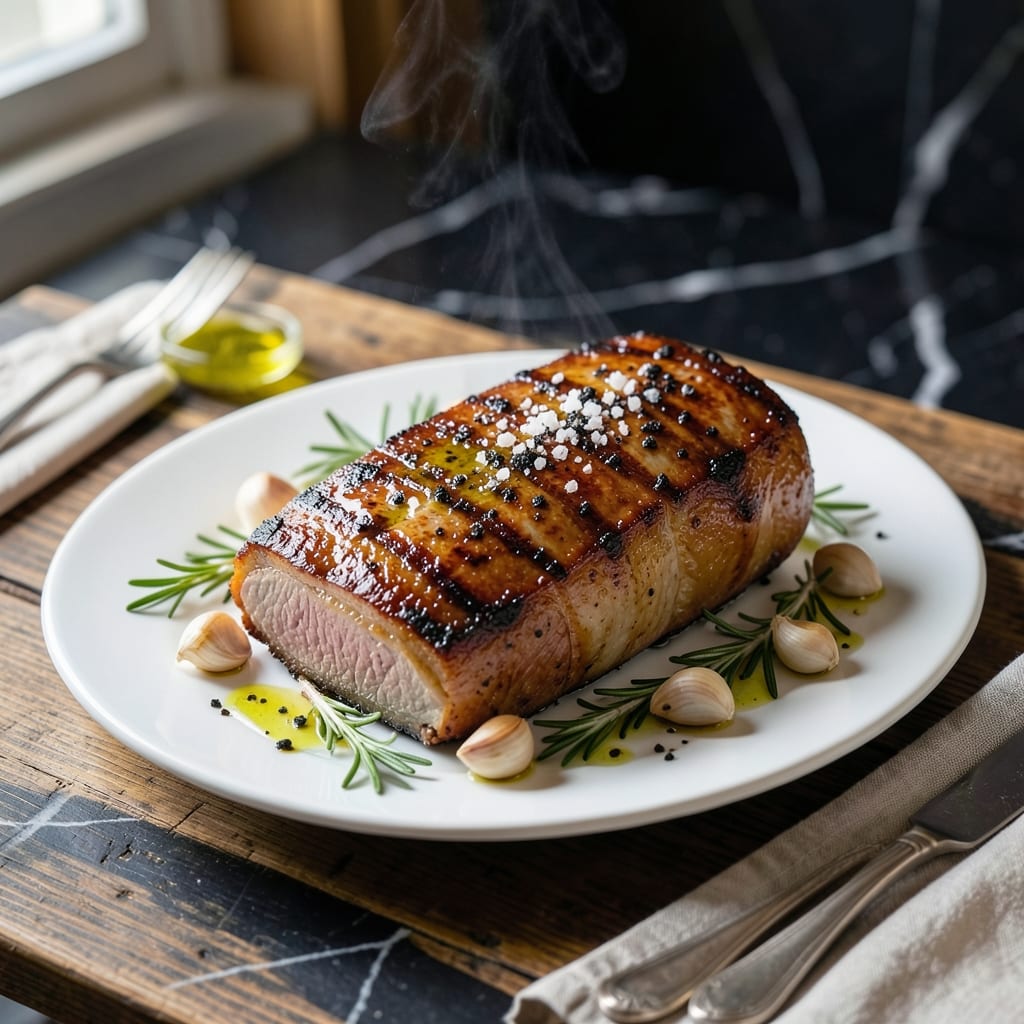
Gordon Ramsay's pork loin recipe transforms a simple cut into a restaurant-quality masterpiece with garlic and rosemary. This method delivers tender, juicy meat with a golden crust every time.
The secret lies in proper seasoning and precise cooking. A hot sear locks in flavors, while finishing in the oven ensures even doneness. The garlic-rosemary infusion penetrates deep for maximum taste in each bite.
You'll achieve perfectly cooked pork with a crispy exterior and succulent interior. The aroma alone will have everyone gathering around the table before it's even ready to serve.
Ideal for Sunday dinners or special occasions, this dish proves impressive results don't require complicated techniques. The recipe stays true to Ramsay's no-nonsense approach to great cooking.
Ingredients for Gordon Ramsay Pork Loin
Restaurant-quality results start with these carefully selected premium ingredients for perfect pork loin every time.
| Ingredient | Amount | Notes |
|---|---|---|
| Pork Loin 🥩 | 2 lb | Boneless, center-cut preferred |
| Kosher Salt 🧂 | 2 tsp | Diamond Crystal brand recommended |
| Black Pepper 🌶️ | 1 tsp | Freshly cracked for best texture |
| Garlic Cloves 🧄 | 6 cloves | Peeled, lightly crushed |
| Fresh Rosemary Sprigs 🌿 | 4 sprigs | About 6 inches long each |
| Olive Oil 🫒 | 2 tbsp | Extra-virgin for superior flavor |
| Unsalted Butter 🧈 | 2 tbsp | European-style preferred for richness |
| Dijon Mustard 🟡 | 1 tbsp | Whole-grain for texture variation |
| Honey 🍯 | 1 tbsp | For glaze balancing acidity |
| Dry White Wine 🍷 | ½ cup | Sauvignon Blanc or Pinot Grigio |
| Chicken Stock 🍲 | ½ cup | Low-sodium for controlled seasoning |
| Shallot 🧅 | 1 whole | Finely minced for aroma base |
The pork loin must be center-cut and boneless for even cooking and presentation. Source from Whole Foods or a trusted butcher—look for rosy pink color with good marbling. Diamond Crystal kosher salt is non-negotiable for professional seasoning precision. The rosemary should be fresh and fragrant; limp sprigs lack the aromatic oils needed for that signature Ramsay infusion.
No white wine? Substitute with additional chicken stock plus 1 tbsp lemon juice for acidity. Dried rosemary works at one-third the amount but lacks freshness. For a wine-free version, apple cider vinegar diluted with water mimics the deglazing effect. The Dijon mustard can be swapped for whole-grain mustard—actually enhances texture. Avoid pre-minced garlic; it oxidizes faster and loses punch.
The pork benefits from a 24-hour dry brine in the fridge (salt it the night before). Prepared dish keeps 3-4 days refrigerated, though best served immediately. Freezing cooked pork loin is possible but texture suffers—maximum 2 months for acceptable quality. Always bring to room temperature before reheating.
Why You'll Love This Recipe
- One Pan Magic: Honestly, I just toss the pork loin with salt, pepper, garlic, and rosemary, then let the oven do the work—minimal effort, maximum payoff.
- Crispy Herb Crust: That combination of garlic and fresh rosemary forms the most aromatic, golden crust I’ve ever tasted on pork.
- Feeds a Crowd: I made this for Sunday dinner and had enough for leftovers the next day—ideal for family gatherings or meal prep.
- Budget-Friendly Luxe: Here's what sold me—it tastes like a restaurant dish but costs a fraction, and the leftovers reheat beautifully.
Step-by-Step Instructions for Garlic-Rosemary Pork Loin
Master the technique that transforms simple ingredients into a restaurant-worthy centerpiece.
Prepare and Season the Pork Loin
Pat the 2 lb Pork Loin completely dry with paper towels. This ensures a proper sear. Season all sides generously with the 2 tsp Kosher Salt and 1 tsp Black Pepper, pressing the seasoning into the meat so it adheres well.
Using the tip of a sharp knife, make small incisions all over the pork loin. Insert the 6 cloves Garlic Cloves and 4 sprigs Fresh Rosemary Sprigs into these slits, distributing them evenly. This infuses the meat with aroma as it cooks.
Sear the Pork Loin for Maximum Flavor
Heat the 2 tbsp Olive Oil in a large oven-safe skillet over medium-high heat until it shimmers. Add the 2 tbsp Unsalted Butter and swirl to combine. Place the pork loin in the pan and sear on all sides for 2-3 minutes per side until deeply golden brown.
This high-heat sear creates a flavorful crust and locks in the juices. You’ll know it’s ready to flip when it releases easily from the pan. Don’t rush this step—patience here builds the foundation of flavor.
Create the Glaze and Deglaze the Pan
Reduce the heat to medium. Stir in the 1 tbsp Dijon Mustard and 1 tbsp Honey, coating the pork loin evenly. Add the 1 whole Shallot (finely minced) to the pan, stirring it into the glaze for 1 minute until fragrant.
Pour in the 0.5 cup Dry White Wine and 0.5 cup Chicken Stock, scraping up any browned bits from the bottom of the pan with a wooden spoon. This deglazing step incorporates rich, caramelized flavors into the sauce.
Roast to Perfection
Transfer the skillet to a preheated 375°F oven. Roast the pork loin for 25-30 minutes, basting it with the pan juices every 10 minutes. The internal temperature should reach 145°F for medium-rare or 155°F for medium.
You’ll see the glaze begin to caramelize and thicken slightly. The pork is done when an instant-read thermometer inserted into the thickest part reads the target temperature. Overcooking will dry out the meat, so keep an eye on it.
Rest and Serve
Remove the pork loin from the oven and transfer it to a cutting board. Tent loosely with foil and let it rest for 10-15 minutes. This allows the juices to redistribute throughout the meat, ensuring every slice is moist and tender.
While the pork rests, place the skillet back on the stovetop over medium heat and reduce the remaining liquid for 3-5 minutes until it thickens into a glossy sauce. Slice the pork loin into ½-inch thick pieces and serve with the sauce spooned over the top.
Pro Tips For Making Gordon Ramsay Pork Loin
- Sear High Heat: I learned this the hard way—crank your pan to smoking hot before adding the pork loin, and don’t move it for at least 2-3 minutes per side to get that deep golden crust.
- Slash the Fat: Before seasoning, score the fat cap in a diamond pattern, about ¼-inch deep—this renders the fat better and lets the salt and rosemary penetrate deeper.
- Rest Under Foil: After pulling it from the oven, tent the pork loosely with foil and let it rest for 10 minutes; skip this and all the juices will end up on your cutting board.
- Smash the Garlic: Lightly crush the garlic cloves with the side of your knife instead of mincing—they’ll infuse the oil and rosemary with flavor without burning or turning bitter.
Regional Styles of This gordon ramsay pork loin
British Pub Style
In the UK, pubs often serve pork loin with a cider-based glaze instead of wine. Use ½ cup dry cider and reduce it with 1 tbsp wholegrain mustard for a tangy twist. The rosemary remains essential, but I’ve seen chefs add thyme for complexity. 🍺
French Herb Crust
French techniques call for a herb crust with breadcrumbs, parsley, and garlic. Press this mixture onto the seared loin before roasting. I like using panko breadcrumbs for extra crunch. The wine deglazing stays, but they often add a splash of cognac for depth.
Asian Five-Spice
For an Asian-inspired version, swap rosemary for star anise and five-spice powder. The glaze becomes a mix of hoisin sauce, soy sauce, and honey. Sear the loin with sesame oil instead of olive oil for a nutty aroma.
American BBQ Rub
In the Southern US, a dry rub of paprika, brown sugar, and cayenne replaces fresh herbs. The pork is slow-roasted at 275°F until fall-apart tender. I’ve had great results with hickory-smoked salt for that classic BBQ flavor. 🔥
Mediterranean Citrus
Greek and Italian cooks often add lemon zest and oregano to the garlic-rosemary mix. The glaze might include ouzo or white wine, and they finish with a squeeze of fresh lemon. Serve with roasted potatoes and olives.
Nutrition Facts
Frequently Asked Questions
What internal temperature should pork loin reach?
For perfect doneness, cook until the center hits 145°F for medium-rare or 155°F for medium. Use a meat thermometer for accuracy. This ensures juicy, tender meat without overcooking.
Can I use dried rosemary instead of fresh?
Yes, but reduce the amount to 1/3 of fresh. Dried herbs are more concentrated. Soak them in warm water for 10 minutes to rehydrate before inserting into the meat.
Why does the pork need to rest after cooking?
Letting it rest for 10-15 minutes allows juices to redistribute. Slicing too soon causes moisture loss, leading to dry meat. This step is crucial for maximum tenderness.
What can I substitute for white wine?
Use ½ cup chicken stock plus 1 tbsp lemon juice for acidity. Apple cider vinegar diluted with water also works. Avoid red wine, as it can overpower the dish.