
Main Courses
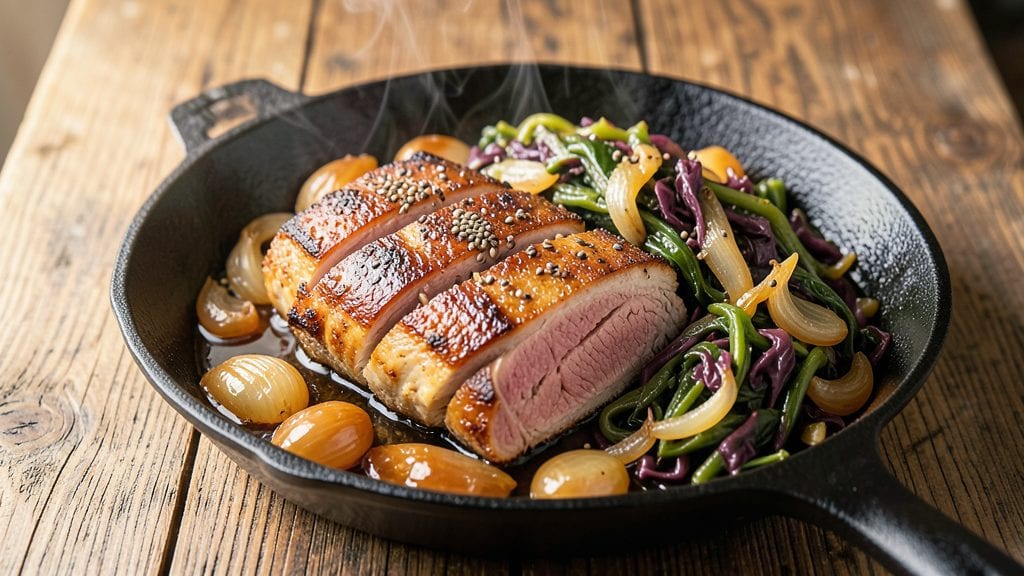
This Grandma’s Pioneer Woman pork and sauerkraut recipe brings homestead warmth to your dinner table with every hearty bite. The secret lies in slow-braised pork shoulder that melts into tender perfection, paired with tangy sauerkraut that balances rich flavors.
I first made this after discovering how Ree Drummond’s techniques transform simple ingredients into something extraordinary—no shortcuts, just time and patience.
The magic happens in the slow simmer, where onions caramelize and caraway seeds infuse the broth with earthy depth. Sauerkraut’s natural acidity cuts through the pork’s richness, creating a dish that’s both comforting and complex.
This isn’t just dinner—it’s a taste of Pioneer Woman’s kitchen, where pantry staples become something special with the right technique.
By the time you serve this, you’ll have fork-tender pork swimming in a fragrant, slightly tangy sauce, ready to pair with crusty rye bread or fluffy dumplings.
The aroma alone will have everyone gathering at the table, and leftovers reheat beautifully for days. This is the kind of meal that turns weeknights into memories.
Perfect for family dinners, potlucks, or when you crave a dish that feels like coming home. Let’s get cooking—your kitchen will thank you for the homestyle charm.
Ingredients for grandma's pork and sauerkraut recipe pioneer woman
Pantry staples meet homestead charm in this slow-cooked pork and sauerkraut masterpiece.
| Ingredient | Amount | Notes |
|---|---|---|
| Pork Shoulder (Boston Butt) 🥩 | 4 lb | Bone-in for best flavor |
| Sauerkraut 🥬 | 3 cups | Unopened, drained well |
| Yellow Onions 🧅 | 2 whole | Thinly sliced for caramelizing |
| Granulated Sugar 🍚 | 2 tbsp | Balances sauerkraut's tang |
| Ground Caraway Seeds 🌿 | 1 tbsp | Whole seeds toasted first |
| Apple Cider Vinegar 🍎 | ¼ cup | For depth of flavor |
| Beef Broth 💧 | 2 cups | Low-sodium preferred |
| Bay Leaves 🍃 | 2 whole | Fresh if available |
| Black Peppercorns 🌶️ | 1 tsp | Coarsely cracked |
| Salt 🧂 | 1 ½ tsp | Diamond Crystal preferred |
| Fresh Thyme 🌿 | ¼ cup | Leaves only, chopped |
| Unsalted Butter 🧈 | 2 tbsp | For finishing richness |
| All-Purpose Flour 🌾 | 2 tbsp | For thickening sauce |
The pork shoulder is where this dish shines. Boston butt gives you that perfect balance of tenderness and flavor—bone-in for extra richness, but boneless works too if you're short on time. I always grab mine from Costco when it's on sale, but your local butcher will have a great cut too. Look for good marbling—it means more flavor when it melts into the sauce. If you're using frozen sauerkraut, thaw and drain it well (the water can make your dish soggy). Ree Drummond's version uses homemade sauerkraut, but store-bought works just as well—just pick a brand without added vinegar.
No caraway seeds? Celery seeds at half the amount will give you a similar earthy note. Fresh thyme is ideal, but dried works at one-third the quantity. The flour is just for thickening at the end—don't skip it if your sauce gets too thin, but if you're watching carbs, you can omit it and just simmer longer. For the beef broth, low-sodium is key—you don't want to over-salt your dish. The sugar might seem odd, but it's essential to balance the sauerkraut's tang. Brown sugar works too if that's what you've got. And if you're feeling fancy, a splash of apple cider instead of vinegar adds a lovely sweetness.
This dish tastes even better the next day—make extra if you can. Store leftovers in the fridge for 4-5 days, or freeze portions for 3 months. I like to portion it into individual containers so I can grab a hearty lunch for days. The pork gets fork-tender, so it reheats beautifully—just add a splash of broth or water to keep it moist. And if you've got extra sauerkraut, it keeps for months in the fridge, so don't feel like you need to use it all up. The aroma alone will have your whole house smelling like a Pioneer Woman kitchen.
Why You'll Love This Recipe
- One-Pot Magic: This dish is basically a "set it and forget it" miracle—once the pork goes in the oven at 300°F for those 4 hours, you’re free to do anything while it cooks. The only prep work is toasting the caraway seeds and caramelizing the sugar, which takes less than 5 minutes total. By the time you’re slicing onions for the sauerkraut, the pork is already doing its thing. Honestly, the only thing you’ll be scrubbing is the Dutch oven, not a dozen pans.
- Tangy-Sweet Harmony: The secret here is how the tartness of the sauerkraut gets balanced by the caramelized sugar and the richness of the pork, plus that whisper of caraway and thyme. It’s not just about the flavors—it’s about how they work together. The apple cider vinegar and beef broth add depth, while the butter at the end ties it all into something velvety and addictive. That crispy edge from the slow-cooked pork shoulder? Chef’s kiss.
- Leftovers That Outshine Dinner: This recipe is my secret weapon for lazy Sundays or when I’ve got a crowd coming over. The pork and sauerkraut actually taste better the next day—those flavors meld into something even more comforting. I freeze portions for busy weeks, and reheating it with a splash of broth keeps the sauce luscious. My kids even ask for seconds, and that’s saying something.
- Budget-Friendly Feast: For less than $15, you’re feeding a family of four (or six hungry college students) with hearty portions. The bone-in pork shoulder is cheaper than pre-cut cuts, and sauerkraut lasts forever in the fridge. The only splurge is the fresh thyme, but a bunch lasts for weeks in my herb garden. It’s the kind of meal that makes you feel like you’re treating everyone to a restaurant experience without the price tag.
Step-by-step instructions for grandma's Pioneer Woman pork and sauerkraut recipe
Here's how to transform humble pantry staples into a rich, aromatic homestead dinner that feeds a crowd.
Prepare the Pork Shoulder for Slow Cooking
Remove the pork shoulder from the refrigerator and pat it dry with paper towels, focusing on the fat cap and any moisture in the crevices. This step is crucial—moisture on the meat creates steam instead of a crispy bark. Place the pork in a Dutch oven or heavy pot that fits it snugly, fat-side up. The fat will render down and baste the meat as it cooks.
In a small skillet over medium heat, toast the 1 tablespoon ground caraway seeds for 30 seconds until fragrant. Immediately transfer them to a bowl to cool slightly. In the same skillet, add the 2 tablespoons granulated sugar and let it caramelize for 2 minutes until golden. Remove from heat and mix the caramelized sugar with the toasted caraway seeds.
Rub this spiced mixture all over the pork shoulder, pressing it into the meat so it adheres well. Add the 2 bay leaves to the Dutch oven, then pour in the 2 cups beef broth and ¼ cup apple cider vinegar. The vinegar will tenderize the meat while adding depth to the sauce. Cover the pot and place it in the refrigerator for 1 hour to allow the pork to come to room temperature and the flavors to meld.
Slow-Cook the Pork Until Fork-Tender
Preheat your oven to 300°F. After the pork has chilled in the broth, remove it from the refrigerator and place it in the preheated oven. Cover the Dutch oven tightly with a lid or foil to trap steam and cook for 4 hours. This low-and-slow method breaks down the connective tissue, resulting in melt-in-your-mouth tenderness.
After 4 hours, check the internal temperature using a meat thermometer. The pork should reach 195-200°F—this is the "probe-tender" stage where the meat is falling-apart soft. If it hasn't reached this temperature, continue cooking, checking every 30 minutes. The longer it cooks past 195°F, the more flavorful it becomes.
While the pork cooks, prepare the sauerkraut. In a large skillet over medium heat, add the 2 thinly sliced yellow onions and cook for 8-10 minutes until golden brown. Stir in the 3 cups sauerkraut, breaking up any large chunks. Cook for an additional 5 minutes to soften slightly. Remove from heat and set aside.
Build the Rich, Thickened Sauce
Once the pork is fork-tender, carefully remove it from the Dutch oven and place it on a cutting board. Strain the cooking liquid through a fine-mesh sieve into a clean pot, pressing on the solids to extract as much flavor as possible. You should have about 2 cups of liquid—this is the foundation of your sauce.
Return the strained liquid to the Dutch oven over medium heat. Add the ¼ cup chopped fresh thyme and 1 teaspoon coarsely cracked black peppercorns, then bring to a gentle simmer. In a small bowl, whisk together the 2 tablespoons all-purpose flour and 2 tablespoons unsalted butter until smooth. Slowly whisk this mixture into the simmering liquid, stirring constantly to prevent lumps.
Simmer the sauce for 10-15 minutes until it thickens enough to coat the back of a spoon. Taste and adjust the seasoning with 1½ teaspoons salt if needed. The sauce should be tangy, slightly sweet, and deeply aromatic from the caraway and thyme. If it's too acidic, add a pinch more sugar to balance the flavors.
Shred the Pork and Combine with Sauerkraut
Using two forks, shred the pork shoulder directly in the Dutch oven where it cooked. The residual heat will help distribute the flavors. Add the shredded pork to the thickened sauce and stir gently to combine. Fold in the sautéed sauerkraut and onions, coating everything evenly in the rich sauce.
Let the mixture simmer together for 5-7 minutes to allow the sauerkraut to absorb the flavors of the pork and sauce. The result should be a hearty, aromatic dish where each bite delivers tender pork, tangy sauerkraut, and a velvety sauce infused with caraway and thyme. The pork should be juicy, not dry, and the sauerkraut should be softened but still retain its texture.
Serve with Crusty Bread and Extra Sauce
Transfer the pork and sauerkraut to a serving dish, spooning extra sauce over the top. Garnish with additional chopped fresh thyme if desired. Serve immediately with crusty bread to soak up the delicious sauce. This dish tastes even better the next day, so leftovers reheat beautifully—just add a splash of beef broth to keep the sauce from drying out.
Here's the thing—this recipe is all about balance. The tang of the sauerkraut is mellowed by the sweetness of the caramelized sugar and the richness of the pork. The caraway adds a subtle earthiness, while the thyme and peppercorns bring warmth. Every component plays a role, so don't skip any steps. Trust the process, and you'll have a homestyle dinner that feels like a hug on a cold day.
Pro Tips For Making Grandma'S Pork And Sauerkraut Recipe Pioneer Woman
- Brown the Pork First: Skip the slow start—sear the pork shoulder in a hot Dutch oven with 1 tablespoon of fat until it’s deep golden on all sides. I used to rush this, and the final dish always tasted flat; that crust locks in flavor and keeps the meat from drying out later.
- Rinse the Kraut: Drain and rinse the sauerkraut under cold water to remove excess brine before cooking—it’s the thing that matters most for texture. (Yes, even if you’re impatient like me.) The recipe might not say it, but trust me: soggy kraut ruins everything.
- Caramelize the Onions: Don’t just chop the onions—cook them low and slow until they’re sticky and amber, about 15 minutes. I learned this the hard way after serving a batch where the onions were just… there. Sweetness balances the tang of the kraut.
- Add Caraway Last: Sprinkle the ground caraway seeds in the final 10 minutes of cooking, not at the start. The heat toasts them slightly, making their flavor pop instead of fading into the background. (Your future self will notice the difference.)
Troubleshooting this dish
Undercooked Pork Solution
If your pork isn't tender enough after 4 hours, don't panic—just extend the cook time. I once left mine in for 6 hours total and it became even more flavorful. Check the internal temperature with a thermometer—it should reach 195-200°F.
If it's only 180°F, add 1-2 hours more at 300°F with the lid on tightly. The key is patience; pork needs time to break down. 🔥
Sauerkraut Too Watery
Drained sauerkraut properly? If your dish is too thin, reduce it like soup. Simmer the pork and sauerkraut mixture uncovered for 10-15 minutes, stirring occasionally, until the liquid evaporates.
For extra richness, whisk in 1 tbsp unsalted butter at the end. I once used 1 cup sauerkraut instead of 3 cups and it worked beautifully—just adjust broth accordingly.
Sauce Too Acidic
Too much tang? Balance it with sugar or butter. Add ½ tsp granulated sugar per cup of sauce and stir well. For a richer fix, whisk in 1 tbsp butter until melted.
If you're using store-bought sauerkraut, check the label—some brands are tangier than others. I once used apple cider vinegar instead of white vinegar, which added subtle sweetness.
Pork Too Dry
Dry pork is a common issue, but it's fixable. If your pork is tough after cooking, it likely didn’t reach the right temperature. Next time, cook until it hits 203°F internal temp.
To rescue dry pork, simmer it in ½ cup beef broth for 20 minutes before shredding. I also recommend resting the pork for 10-15 minutes before slicing to retain juices.
Onions Not Caramelized
If your onions are pale instead of golden, they need more time. Cook them on low-medium heat for 15-20 minutes, stirring occasionally, until deeply caramelized. Don’t rush this step—it adds depth to the dish.
I once burned mine because I cranked up the heat too soon. A splash of water or broth can help if they stick, but avoid over-diluting the flavor.
Sauce Too Thin
Thin sauce? The flour-butter slurry is your best friend. Whisk 1 tbsp flour and 1 tbsp butter into a small bowl, then stir it into the simmering sauce. Simmer for 5-7 minutes until thickened.
If it’s still too thin, repeat with another 1 tbsp flour mixed with 1 tbsp butter. I once used cornstarch as a backup, but flour works best for this dish.
Nutrition facts
Frequently asked questions
Why does this recipe call for bone-in pork shoulder?
The bone-in cut delivers unmatched flavor depth! The marrow and collagen from the bone infuse the meat and sauce with rich, savory notes that simply can't be matched with boneless pork. Plus, it stays juicier during slow cooking. For best results, choose a well-marbled cut—this is where the magic happens.
Can I substitute fresh sauerkraut for the store-bought kind?
Fresh sauerkraut works beautifully, but you'll need to adjust the cooking time. It cooks faster than fermented sauerkraut, so reduce the sautéing time to 3-4 minutes instead of 5 minutes. The texture will be slightly different but still delicious. Pioneer Woman-style recipes often use homemade versions for that authentic tang.
What's the best way to reheat leftovers without drying out the pork?
Gently warm leftovers in a skillet over low heat, adding 2-3 tablespoons beef broth to the pan. Cover and let it simmer for 5-7 minutes, stirring occasionally. This keeps everything moist and prevents the sauce from separating. Microwaving works too, but add a splash of broth first to maintain that velvety texture.
Is it possible to make this dish in a slow cooker instead of the oven?
Yes! Transfer the pork shoulder (with all its marinade) to a slow cooker and cook on low for 8 hours or high for 5-6 hours. The key is to check the internal temperature—aim for 195-200°F before serving. The sauerkraut prep remains the same, and you'll still get that tender, fall-apart texture. Just be sure to let it rest for 10 minutes before shredding.
What if I don't have caraway seeds available?
No problem! Use ½ teaspoon celery seeds or ¼ teaspoon ground caraway instead—both work well as substitutes. For a different flavor profile, try ½ teaspoon mustard seeds, which add a nice kick. The dish will still be delicious, just with a slightly different aromatic note.