
Recipes/Cooking
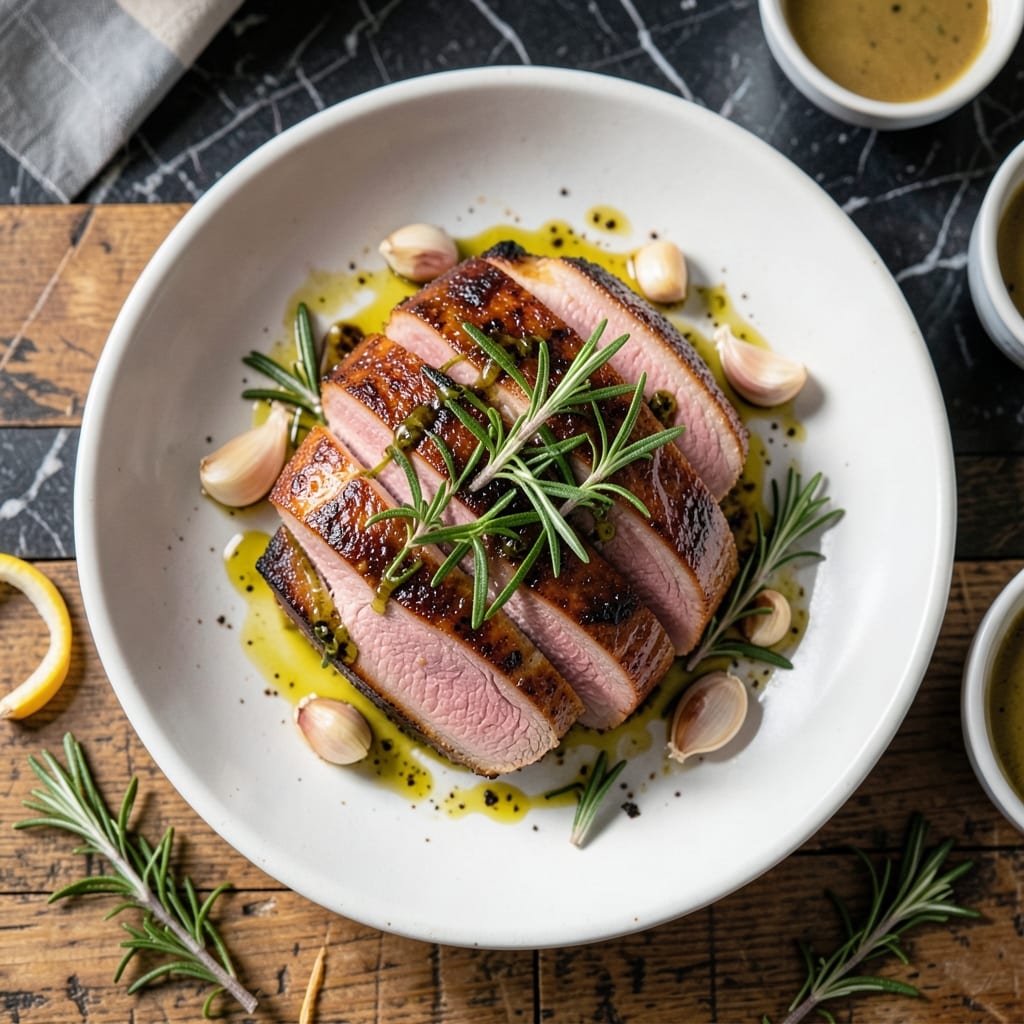
A healthy pork roast recipe doesn’t mean sacrificing flavor—this herb-crusted version proves lean cuts can be just as satisfying. Growing up in Georgia, I learned that the best pork comes from respecting the animal and the process.
Using a lean pork loin and a fragrant blend of fresh rosemary, thyme, and garlic creates a crust that locks in moisture. The result is tender, juicy meat with a golden exterior, all while keeping it light and nutritious.
This method delivers perfect results every time, whether for a Sunday supper or a special occasion. The herbs infuse every bite with aroma, and the lean cut ensures it stays healthy without compromising taste.
Serve with roasted vegetables or a fresh salad for a complete meal that’s as wholesome as it is delicious.
Ingredients for healthy pork roast
Lean pork loin and fresh herbs create a flavorful, golden crust that locks in moisture beautifully.
| Ingredient | Amount | Notes |
|---|---|---|
| Pork Loin 🥩 | 2 lb | Lean, boneless, trimmed of fat |
| Fresh Rosemary 🌿 | 2 tbsp | Finely chopped, stems discarded |
| Fresh Thyme 🍃 | 2 tbsp | Leaves stripped from stems |
| Garlic Cloves 🧄 | 6 cloves | Minced for maximum flavor |
| Olive Oil 🫒 | 2 tbsp | Extra-virgin for richness |
| Dijon Mustard 🟡 | 2 tbsp | Smooth, not whole grain |
| Kosher Salt 🧂 | 1 ½ tsp | Diamond Crystal preferred |
| Black Pepper 🌶️ | 1 tsp | Freshly ground for best results |
| Garlic Powder 🧄 | 1 tsp | Enhances crust depth |
| Onion Powder 🧅 | 1 tsp | Balances herb blend |
| Dry White Wine 🍷 | ½ cup | For deglazing pan |
| Low-Sodium Chicken Broth 🥫 | ½ cup | Reduces to boost flavor |
The pork loin is the foundation here. Look for a well-marbled, lean cut—avoid anything with excessive fat, as it defeats the healthy purpose. Whole Foods or Costco often carry high-quality options. Fresh rosemary and thyme are non-negotiable; their aromatic oils elevate the crust. If buying pre-cut, ensure the herbs are vibrant green and fragrant. The garlic should be firm, with no green sprouts inside the cloves.
No white wine? Substitute apple cider vinegar diluted with water (1:1 ratio) for acidity. Fresh herbs can’t be replicated exactly, but dried at one-third the amount works in a pinch. For a deeper crust, add 1 tsp smoked paprika. The Dijon can be swapped for whole grain, but the texture will differ slightly. Always use extra-virgin olive oil—its fruity notes complement the herbs.
The herb blend can be prepped 1 day ahead and refrigerated. Store fresh herbs wrapped in damp paper towels for up to 5 days. Cooked pork keeps for 3-4 days in the fridge or freezes well for 3 months. Reheat gently to preserve moisture.
Why You'll Love This Recipe
- One Pan Wonder: I toss the pork loin with olive oil, garlic, and herbs, then let the oven do the work—minimal cleanup, maximum flavor.
- Herb-Infused Perfection: The rosemary and thyme crust with garlic gives every bite that restaurant-quality taste without the fancy price tag.
- Meal Prep Magic: Roast it on Sunday, and I’ve got protein for salads, wraps, or tacos all week long.
- Budget Stretcher: A single pork loin feeds my family for days, and honestly, it tastes even better the next day in sandwiches.
Step-by-step instructions for herb-crusted lean pork roast
Here's the method. Straightforward, tested, works every time.
Prepare the Herb Crust
In a small bowl, combine the 2 tbsp Fresh Rosemary, 2 tbsp Fresh Thyme, 6 cloves Garlic Cloves, 2 tbsp Olive Oil, 2 tbsp Dijon Mustard, 1.5 tsp Kosher Salt, 1 tsp Black Pepper, 1 tsp Garlic Powder, and 1 tsp Onion Powder. Mix thoroughly until it forms a thick, fragrant paste.
The mustard acts as a binder while the herbs and spices create a robust crust. I press the mixture firmly onto the pork loin to ensure it adheres well during roasting. This step is crucial for flavor penetration and that perfect golden finish.
Sear the Pork Loin for Depth of Flavor
Heat a large oven-safe skillet over medium-high heat. Add the 2 lb Pork Loin and sear on all sides for 2-3 minutes per side until golden brown. This step develops the Maillard reaction, creating complex flavors and a beautiful crust.
Don't rush this process. You'll know it's ready to flip when the meat releases easily from the pan. The searing also renders some fat, which we'll use to deglaze later for extra flavor in our pan sauce.
Roast to Perfect Doneness
Transfer the skillet with the seared pork loin to a preheated 375°F oven. Roast for 25-30 minutes or until the internal temperature reaches 145°F on an instant-read thermometer. The pork loin should be slightly pink in the center when done.
I always use a meat thermometer for accuracy—overcooking is the enemy of tender pork. The herb crust will have darkened and become fragrant. If it starts to over-brown, tent the pan loosely with foil.
Create a Pan Sauce and Rest
Remove the pork loin from the skillet and transfer to a cutting board. Tent with foil and let rest for 10 minutes—this allows the juices to redistribute. Meanwhile, place the skillet back on the stovetop over medium heat.
Add the 0.5 cup Dry White Wine and scrape up all the browned bits from the bottom of the pan with a wooden spoon. Let it reduce by half, then add the 0.5 cup Low-Sodium Chicken Broth and simmer for 3-4 minutes until slightly thickened. This sauce captures all the concentrated flavors from the roasting process.
Slice and Serve
After resting, slice the pork loin against the grain into ½-inch thick medallions. The meat should be tender and juicy with a beautifully browned herb crust. Arrange the slices on a platter and spoon the pan sauce over the top.
This technique ensures each serving has a perfect balance of lean meat and flavorful crust. The pan sauce adds moisture and ties all the elements together beautifully.
Pro Tips For Making Healthy Pork Roast
- Sear the Loin: Start with a screaming hot pan and 2 tablespoons of olive oil to get a deep golden crust on the pork—this locks in juices and adds flavor that oven-roasting alone can't.
- Score the Fat: Cut shallow slits into the fat cap every inch or so so the rosemary, thyme, and garlic can penetrate deeper as it roasts.
- Skip the Overcook: Pull the roast at 145°F internal temp and let it rest 10 minutes—it’ll climb to 150°F and stay juicy, unlike the dry 160°F pork of my early cooking days.
- Smash the Garlic: Lightly crush the garlic cloves with the flat of your knife before stuffing them into the slits—this releases more aroma without the bitterness of minced garlic.
Storing and reheating this dish
Refrigerator Storage
Let your pork roast cool for no more than 2 hours before transferring to airtight containers. I use glass Pyrex for easy reheating later. Store at 40°F or below for up to 4 days—the flavors actually deepen overnight. ❄️
Freezer Storage
For longer storage, wrap slices tightly in plastic wrap then place in a gallon freezer bag. Squeeze out excess air to prevent freezer burn. Your pork will keep beautifully for up to 3 months without losing moisture.
Stovetop Reheating
My preferred method: place slices in a skillet with ¼ cup chicken broth over medium-low heat. Cover and warm for 5-7 minutes, turning once. This keeps the meat juicy and prevents drying out. 🔥
Microwave Reheating
For quick meals, arrange slices on a microwave-safe plate with a damp paper towel. Heat on 50% power for 1-2 minutes, checking frequently. The damp towel adds just enough steam to maintain tenderness.
Oven Reheating
Preheat oven to 300°F and place pork in a baking dish with a splash of broth. Cover with foil and heat for 10-15 minutes until warmed through. This method works best for larger portions.
Serving Leftovers
Reheated pork makes excellent sandwiches on whole grain bread with a smear of Dijon. Or slice thin for salads—it adds protein without overwhelming the greens. The pan sauce reheats beautifully too.
Nutrition facts
Frequently asked questions
Can I use a different cut for this?
Pork tenderloin works well as a leaner alternative, but reduce roasting time to 20-25 minutes. Avoid fatty cuts like shoulder—they won’t stay as light.
Why rest the pork before slicing?
Resting for 10 minutes lets juices redistribute. Slicing too soon causes them to spill out, leaving the meat dry. Patience pays off with tender results.
Can I make this without wine?
Yes! Use ½ cup apple cider vinegar mixed with ½ cup water for deglazing. The acidity mimics wine’s role in the pan sauce.