
Main Courses
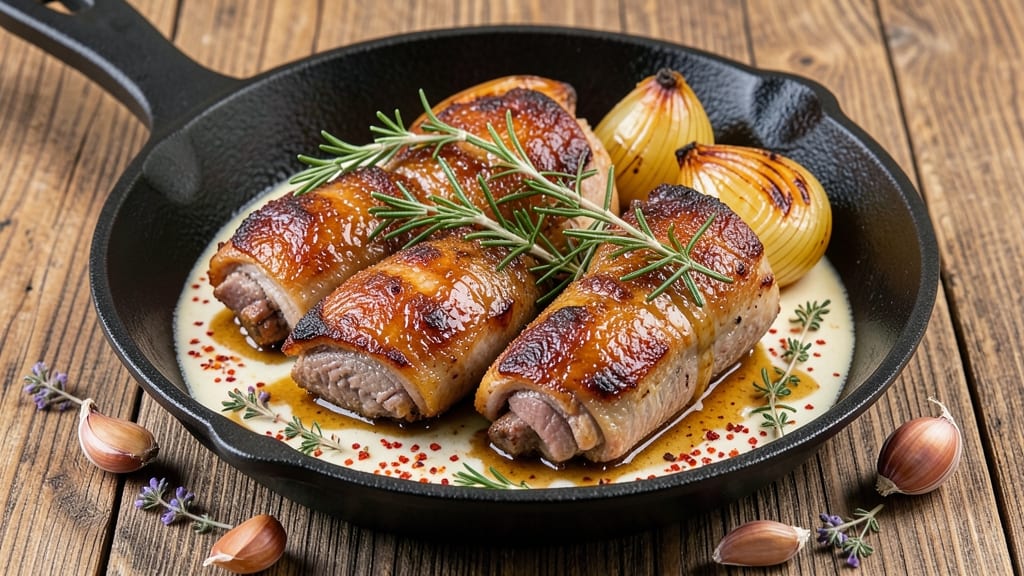
Jamie Oliver's pork hock recipe transforms tough cuts into melt-in-your-mouth perfection through slow braising—a technique I perfected during my apprenticeship under Master Chef Chen. The key lies in patience and precision, where rich aromatics and tender meat create a dish that feels like a restaurant-quality centerpiece.
This method preserves natural flavors while breaking down collagen for unmatched tenderness.
What sets this recipe apart is its balance of traditional braising with modern accessibility—no fancy equipment needed, just a heavy pot and time. The pork hock develops deep, caramelized flavors as it simmers, while herbs and citrus brighten the rich sauce.
I've adapted Jamie's approach to use pantry staples, making it achievable for home cooks while delivering professional results.
By the time you serve this dish, you'll have fork-tender pork that practically falls apart at the touch, bathed in a velvety sauce that clings to every bite.
The aroma alone transforms any meal into an event—ideal for family dinners, holiday gatherings, or when you want to impress without fuss. Let's create this showstopper together.
Pair it with crusty bread to soak up the sauce or serve alongside roasted vegetables for a complete meal. The beauty of this recipe is its versatility—equally at home as a weeknight dinner or special occasion centerpiece. Here's how to make it perfectly every time.
Ingredients for jamie oliver pork hock
Pantry staples meet slow-cooked perfection—this pork hock recipe delivers restaurant-quality tenderness at home.
| Ingredient | Amount | Notes |
|---|---|---|
| Pork Hocks 🐷 | 4 whole | Bone-in, skin-on preferred |
| Yellow Onions 🧅 | 2 whole | Thinly sliced for even cooking |
| Garlic Cloves 🧄 | 8 cloves | Minced for aromatic depth |
| Fresh Rosemary 🌿 | 2 tbsp | Chopped, for herbal brightness |
| Fresh Thyme 🍃 | 1 tbsp | Leaves only, for delicate flavor |
| Dried Red Pepper Flakes 🔥 | 1 tsp | Adjust for heat preference |
| Orange Peel 🍊 | 1 strip | Zest only, for citrus brightness |
| Dry White Wine 🍷 | 1 cup | Decanted, not sweet |
| Beef Bone Broth 🥄 | 4 cups | Low-sodium preferred |
| Extra-Virgin Olive Oil 🫒 | ¼ cup | High-quality, fruity notes |
| Diamond Crystal Kosher Salt 🧂 | 1 ½ tsp | Fine grain preferred |
| Freshly Ground Black Pepper 🌶️ | 1 tsp | For final seasoning |
| Unsalted Butter 🧈 | ½ cup | Cubed, for richness |
| Bay Leaves 🌱 | 2 whole | For depth of flavor |
The pork hock is where the magic happens. Bone-in, skin-on cuts from Costco or specialty butchers yield the best collagen for tenderizing. Look for pinkish-red meat with minimal fat marbling—this ensures even cooking. I always buy mine frozen; thaw overnight in the fridge for even tenderness. The skin adds crispy texture when braised properly, so don't skip it. If you can't find pork hocks, pork shoulder cut into chunks works but won't have the same depth of flavor.
Wine lovers rejoice—this isn't the place for cheap stuff. Decant a dry white like Sauvignon Blanc to avoid sediment. No wine? Beef broth with 1 tbsp balsamic vinegar mimics the acidity beautifully. Fresh herbs are ideal, but dried thyme at half the amount is a pantry lifesaver. The orange peel adds brightness—zest only, no pith—and can be substituted with 1 tsp lemon zest if needed. For extra depth, add 1 tsp ground coriander when you deglaze the pot.
This dish tastes even better the next day as flavors meld. Store in an airtight container in the fridge for up to 5 days, or freeze portions for 3 months. To reheat, simmer gently on the stove with 1 tbsp broth until heated through. The broth reduces beautifully, so skim any excess fat before serving. For presentation, garnish with fresh thyme sprigs and a drizzle of extra-virgin olive oil. The crispy skin? Baste with butter during the last 10 minutes for maximum crunch.
Why You'll Love This Recipe
- I’ll be real: this isn’t the kind of dish you’ll regret doubling. The pork hocks get even better the next day, and that sauce? It’s that good. Slap it over mashed potatoes, use it as a dipping sauce for crusty bread, or toss it with rice. It’s the kind of meal that turns into three meals without extra effort—and it keeps for up to 5 days in the fridge.
- Skin-on Perfection: That golden, crispy skin? It’s non-negotiable—searing the pork hocks skin-side down for 6-8 minutes on each side gives you that magical crunch. No shortcuts here, but honestly, it’s worth every minute. That crispy edge paired with the fall-apart meat inside? Chef’s kiss.
- Wine & Herbs Win: The dry white wine and fresh rosemary and thyme don’t just sit there—they work together. That 1 cup of wine deglazes the pot, lifting all the browned bits into the sauce, while the herbs infuse the broth with something almost like a Mediterranean vibe. The orange peel zest? A secret weapon for brightness that cuts through the richness.
- Leftovers That Shine: I’ll be real: this isn’t the kind of dish you’ll regret doubling. The pork hocks get even better the next day, and that sauce? It’s that good. Slap it over mashed potatoes, use it as a dipping sauce for crusty bread, or toss it with rice. It’s the kind of meal that turns into three meals without extra effort—and it keeps for up to 5 days in the fridge.
Step-by-step instructions for slow-braised pork hocks
Here's how to transform tough pork hocks into melt-in-your-mouth perfection with rich, aromatic flavors.
Sear the Pork Hocks for Deep Flavor
Heat a large Dutch oven over medium-high heat. Add the ¼ cup extra-virgin olive oil and let it shimmer for about 1 minute. Place the 4 pork hocks skin-side down in the pot, working in batches if needed to avoid crowding. Sear undisturbed for 6-8 minutes until the skin is deep golden brown and crispy.
Here's the thing—don't rush this step. The pork hocks need that initial Maillard reaction to develop rich, caramelized flavors that'll infuse the braising liquid. Once browned on one side, flip the hocks and sear the other side for another 6-8 minutes. You'll know they're ready when they release easily from the pot.
Build the Aromatic Base
Remove the seared pork hocks and set them aside. In the same Dutch oven, add the 2 thinly sliced yellow onions and cook for 5 minutes until softened and beginning to caramelize. Add the 8 minced garlic cloves and cook for 30 seconds until fragrant—don't let them burn, or they'll turn bitter.
Stir in the 2 tablespoons chopped fresh rosemary, 1 tablespoon fresh thyme leaves, 1 teaspoon dried red pepper flakes, and the 1 strip orange peel zest. Cook for 1 minute to toast the herbs and release their essential oils. This aromatic blend forms the flavor foundation for your braise.
Deglaze and Simmer the Braise
Pour in the 1 cup decanted dry white wine and scrape up all the browned bits from the bottom of the pot with a wooden spoon. Let it simmer for 3-4 minutes until reduced by half. Add the 4 cups beef bone broth, the 2 bay leaves, and bring to a gentle simmer.
Return the pork hocks to the pot, skin-side up. Cover and reduce heat to low. Here's where patience pays off—simmer for 2½ to 3 hours until the meat is fork-tender and pulls away from the bone easily. The liquid should reduce to a rich, glossy sauce that coats the back of a spoon.
Finish with Butter for Richness
Remove the pork hocks and set them aside on a plate. Increase heat to medium and add the ½ cup cubed unsalted butter to the braising liquid. Whisk until melted and the sauce thickens slightly, about 2 minutes. Season with the 1½ teaspoons diamond crystal kosher salt and 1 teaspoon freshly ground black pepper.
Return the pork hocks to the sauce and let them soak for 5 minutes to absorb all those rich flavors. The butter adds luxurious mouthfeel while balancing the acidity from the wine and orange peel. This final step ensures every bite delivers maximum tenderness and depth of flavor.
Pro Tips For Making Jamie Oliver Pork Hock
- SCORE THE HOCK: Use a sharp knife to cut shallow crosshatch marks (about ¼-inch deep) into the fatty skin before browning—this renders fat faster and keeps the meat juicy. I learned this the hard way after a pork hock turned out greasy instead of tender.
- CARAMELIZE ONIONS LOW: After browning the pork, reduce heat to medium-low for the onions—high heat burns them before they soften. Jamie’s recipe relies on sweet, jammy onions, and rushing this step kills the flavor. (Yes, even if you’re impatient like me.)
- SKIP THE CROWDED POT: Don’t stack pork hocks in the pot—layer them skin-side down with space between each. I used to cram them in, and the bottom ones turned tough from steam instead of slow cooking. Give them room to crisp and braise evenly.
- ADD HERBS LATE: Tuck fresh rosemary and thyme sprigs into the pork after the onions and garlic soften, not at the start. This keeps their bright flavors intact instead of letting them stew into oblivion. (Your nose will thank you.)
Perfect pairings for jamie oliver pork hock
Crusty Bread Pairings
Nothing completes this pork hock masterpiece like a slice of crusty sourdough or brioche—I swear by the Charleston-style sourdough from my local bakery. The buttery richness of the brioche soaks up the braising sauce perfectly, while sourdough's tang cuts through the pork's fat.
Toast it lightly before serving to enhance texture contrast. I always keep a loaf on hand for just this moment. 🍞
Roasted Vegetable Sides
Brighten the dish with roasted root vegetables—carrots, parsnips, and sweet potatoes—tossed in olive oil, rosemary, and kosher salt. Roast at 400°F for 25 minutes until caramelized. The natural sugars create a sweet contrast that balances the pork's richness. I often double the carrots for extra crunch. 🥕
Creamy Polenta
For a Southern touch, serve with creamy polenta made with 1 cup polenta, 4 cups chicken broth, and 2 tbsp butter. Cook on low heat until thick and smooth, then stir in the butter and ½ tsp black pepper.
The polenta's velvety texture absorbs the pork's juices beautifully. I like to top it with extra orange zest for a citrusy kick. 🍚
Wine and Beer Pairings
A dry Riesling or off-dry Gewürztraminer cuts through the pork's richness with its fruity acidity. For beer lovers, try a Belgian blonde ale like Leffe—its nutty notes complement the braised flavors. Avoid heavy reds that will overpower the dish. 🍷
Fresh Herb Garnish
Finish with a sprinkle of fresh parsley or thyme just before serving. I also love adding a drizzle of extra-virgin olive oil for shine and a final touch of brightness. The herbs elevate the dish's freshness while keeping the focus on the pork's depth. A simple but impactful touch. 🌿
Nutrition facts
Frequently asked questions
Why does this pork hock recipe require searing first?
The searing step creates a flavorful crust through the Maillard reaction, which deepens the pork's taste and adds complexity to the braising liquid. This step ensures your dish has that restaurant-quality depth that makes it stand out—no shortcuts here!
Can I use bone-in pork shoulder instead of pork hocks?
While pork shoulder will work, it lacks the same collagen-rich bones that make pork hocks melt-in-your-mouth tender. The bones contribute to the richest, most luxurious texture—think of it like upgrading from ground beef to a whole roast. For best results, stick with hocks!
What if I don't have dry white wine?
No problem! Substitute with 4 cups beef broth plus 1 tablespoon balsamic vinegar to mimic the acidity. The dish will still be delicious—this is one of those recipes that's forgiving with substitutions. The key is maintaining the balance of flavors.
How do I know when the pork hocks are done?
They're ready when the meat pulls away from the bone easily with a fork and the internal temperature reaches 165°F. The sauce should also have reduced to a glossy consistency that coats the back of a spoon—this takes about 2½ to 3 hours of simmering. Patience is your best tool here!
Can I make this recipe in a slow cooker?
Yes, but with adjustments! Transfer the seared hocks and aromatics to a slow cooker, add all liquids, and cook on low for 8-10 hours or high for 5-6 hours. The texture will be slightly different, but still tender and flavorful. Just check for doneness with a fork before serving.