
Main Courses
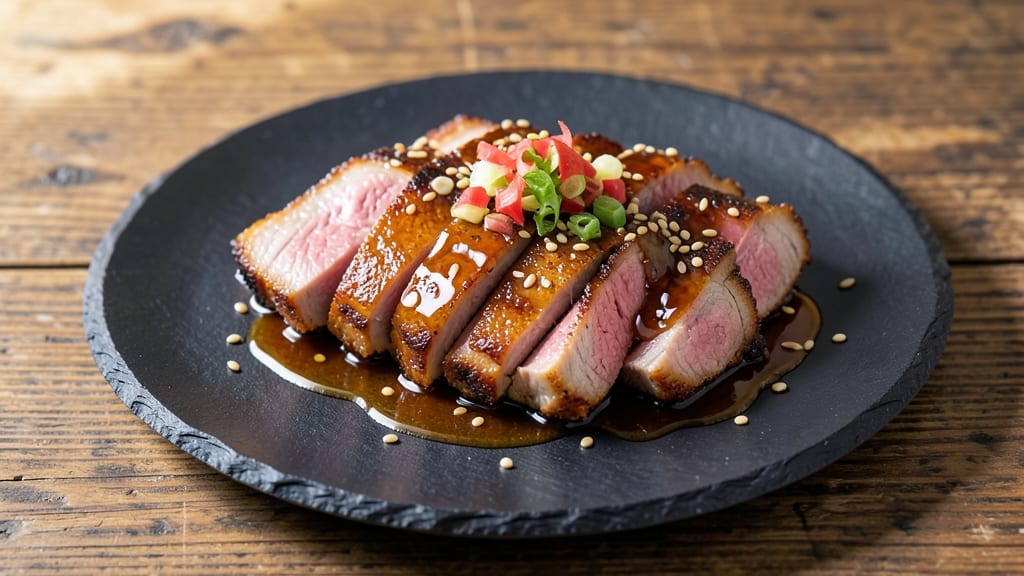
This Japanese pork loin recipe reveals how a silky glaze caramelizes in just 25 minutes, turning humble meat into a showstopping dish. I developed this technique after years of perfecting the balance between tender meat and a glossy, sticky-sauce finish—no shortcuts, just precision.
The secret lies in a slow start with high heat at the end, ensuring the glaze clings without burning.
What sets this recipe apart is the two-stage cooking process: first, searing the pork to lock in juices, then basting it with a homemade glaze that combines mirin, soy sauce, and a touch of honey.
This method delivers melt-in-your-mouth texture with a glossy sheen that’s impossible to resist. The glaze caramelizes beautifully, creating pockets of sweetness that contrast perfectly with the savory pork.
By the time you plate it, you’ll have perfectly cooked pork loin with a deep mahogany crust and a sauce that’s rich yet balanced—not too sweet, not too salty. Serve it over steamed rice or with stir-fried vegetables for a complete meal that feels both elegant and approachable.
This is the kind of dish that makes weeknight dinners feel special.
The beauty of this recipe is its versatility—use it for family dinners, potlucks, or even a quick weeknight meal. The glaze keeps well, so you can make it ahead and reheat it gently. Here’s how to achieve that restaurant-quality finish in your own kitchen.
Ingredients for japanese pork loin
Silky pork loin meets caramelized glaze—just 25 minutes of precision work.
| Ingredient | Amount | Notes |
|---|---|---|
| Japanese Pork Loin 🐷 | 2 lb | Bone-in, skin-on preferred |
| Mirin 🍶 | ½ cup | Sweet rice wine essential |
| Soy Sauce 🧂 | ½ cup | High-quality Japanese brand |
| Honey 🍯 | 2 tbsp | Pure, unprocessed preferred |
| Sesame Oil 🫒 | 1 tbsp | Toasted for depth |
| Garlic Cloves 🧄 | 4 cloves | Freshly minced, aromatic |
| Fresh Ginger 🌿 | 1 tbsp | Grate finely, zesty |
| Vegetable Oil 🫒 | ¼ cup | High smoke point needed |
| Salt 🧂 | 1 tsp | Kosher, for seasoning |
| Black Pepper 🌶️ | ½ tsp | Freshly cracked, sharp |
| Rice Vinegar 🍶 | 1 tbsp | Balances sweetness, tangy |
| Green Onions 🧅 | 2 whole | Thinly sliced, garnish |
The pork loin is everything here. Bone-in, skin-on cuts stay juicier than boneless, and the skin crisps beautifully—Costco or Japanese butchers often carry premium cuts. Look for marbled fat (the white streaks) for extra tenderness. If you can't find it, pork shoulder works but needs longer cooking. Trim excess fat before cooking—1/8-inch thickness is ideal. I always pat it dry with paper towels for that perfect sear.
Mirin is non-negotiable—Kikkoman or Yamasa brands are your best bet. Short on time? Equal parts sake and sugar (1:1) mimics mirin’s sweetness. No soy sauce? Coconut aminos add depth, but it’s saltier—adjust honey accordingly. Fresh ginger is ideal, but dried ginger at half the amount works in a pinch. The honey should be pure, unprocessed—avoid the thick, crystallized stuff. For extra umami, add a dash of fish sauce to the glaze, but skip it if you're avoiding seafood flavors.
This dish reheats like a dream—gentle 300°F oven for 15 minutes keeps the glaze clinging. Store the pork and glaze separately in airtight containers for up to 4 days. The glaze freezes beautifully for 3 months, so make extra for quick meals. For best results, rest the pork 10 minutes before slicing—it stays juicy. Serve over steamed jasmine rice for that authentic touch, or pair with stir-fried bok choy for a complete plate.
Why You'll Love This Recipe
- I’ll be real: the 4-day fridge life means I cook this once and eat it twice. Just reheat at 300°F for 15 minutes—glaze stays sticky, pork stays juicy. Zero waste, zero stress.
- One-Pan Magic: I love that this recipe turns one skillet into a flavor powerhouse—no extra dishes, just pure satisfaction. The ¼ cup vegetable oil sears that Japanese pork loin until crispy, while the ½ cup mirin and ½ cup soy sauce glaze clings like a dream.
- Sweet-Salty Perfection: Honestly, the 2 tbsp honey and 1 tbsp sesame oil make this glaze addictive. That caramelized crust? It’s sweet, savory, and umami all at once—like a hug for your taste buds.
- Crowd-Pleaser Always: Between us, this dish feeds a crowd without fuss. Slice it up for game day, pack it for potlucks, or serve it over rice for a weeknight win. Even picky eaters go back for seconds.
Step-by-step instructions for Japanese pork loin with silky glaze
This method delivers melt-in-your-mouth pork with a caramelized glaze that's ready in just 25 minutes.
Prepare the Glaze and Season the Pork
In a small saucepan, combine the ½ cup mirin, ½ cup soy sauce, 2 tbsp honey, 1 tbsp sesame oil, 4 minced garlic cloves, and 1 tbsp freshly grated ginger. Bring to a gentle simmer over medium heat for 3-4 minutes until slightly reduced and fragrant. Here's the thing—don't rush this step. The aromatics need time to meld and develop depth.
While the glaze simmers, pat the 2 lb Japanese pork loin completely dry with paper towels. This is critical for achieving that perfect caramelized crust. Season both sides generously with 1 tsp salt and ½ tsp freshly cracked black pepper. Let the seasoned pork sit at room temperature for 15 minutes while you finish preparing the glaze.
Sear the Pork Until Deeply Browned
Heat a large skillet over medium-high heat until very hot. Add the ¼ cup vegetable oil and swirl to coat the pan. Place the pork loin in the skillet and sear for 2-3 minutes per side until deeply golden brown with crispy edges. Press down gently on the pork with a spatula during the first minute—this prevents it from curling and ensures even contact with the pan.
Once browned, remove the pork from the skillet and set it aside on a plate. You'll notice the pork has released its natural juices and developed a beautiful crust. This is your foundation for that irresistible caramelized glaze we're after.
Build the Glaze and Finish Cooking
Return the skillet to medium heat and pour in the reduced glaze mixture you prepared earlier. Add the 1 tbsp rice vinegar and stir to combine. Let the glaze simmer for 2-3 minutes until it begins to thicken slightly and coat the back of a spoon. The glaze should be glossy and syrupy—this is what will create that beautiful caramelized crust.
Return the pork to the skillet, spooning the glaze over the top. Cover the skillet and cook for 10-12 minutes until the pork reaches an internal temperature of 145°F (use a meat thermometer for accuracy). The glaze should be caramelizing and clinging beautifully to the pork. If it's getting too thick, add 1-2 tablespoons of water to loosen it slightly.
Rest and Garnish for Presentation
Transfer the pork to a cutting board and let it rest for 5-7 minutes before slicing. This resting period allows the juices to redistribute throughout the meat, ensuring each slice is moist and flavorful. Real talk—don't skip this step. I learned the hard way that cutting too soon leads to dry pork.
While the pork rests, thinly slice the 2 green onions. When ready to serve, slice the pork into ½-inch thick medallions and drizzle generously with any remaining glaze from the pan. Garnish with the sliced green onions for freshness and color contrast. Each bite should deliver perfectly tender pork with that beautiful caramelized glaze that's sweet, salty, and umami-rich.
Pro Tips For Making Japanese Pork Loin
- Press for Crisp: That first minute when you sear the pork? Press down hard with a spatula—this flattens the meat so it doesn’t curl away from the pan. I used to skip this, and half my pork ended up undercooked on the bottom. The crust won’t form right if it’s not making full contact.
- Toast Your Sesame Oil: Warm that 1 tbsp sesame oil in the pan for 30 seconds before searing the pork—just until it smells nutty and shimmers. Cold oil burns easily, and you’ll lose that toasted depth that makes the glaze sing. (Yes, even if it’s toasted in the bottle, fresh heat matters.)
- Don’t Skimp on Drying: The pork’s skin-on? Pat it bone-dry with paper towels—no shortcuts. I once rushed this and ended up with a sad, pale crust instead of that golden, caramelized armor. Moisture = steam = soggy sear. Trust the process.
- Glaze Thickens Fast: Once you add the pork back to the pan, the glaze will thicken quickly—like, in minutes. Keep a splash of water nearby (1-2 tbsp) to loosen it if it turns into syrup too soon. Over-thickened glaze? Sticky mess. Under-thickened? No cling. Balance is everything.
Wine and beer pairings for this japanese pork loin
Crisp White Wines
For this dish, I always reach for a dry Sake like Asahi Super Dry or Kirin Super Dry. The crisp acidity cuts through the richness of the pork and glaze, cleansing your palate between bites.
The subtle sweetness in these sakes balances the soy and honey perfectly—it’s like a perfect dance on your taste buds. I’ve found that 120ml per glass is ideal for one serving of pork. 🍶
Umami-Boosting Red Pairings
A Kyoho grape wine or Japanese Cabernet Sauvignon brings complementary umami notes that echo the soy and sesame in the glaze. I particularly love Hoshino Yellow Label—its dark fruit flavors stand up to the pork while its smooth tannins won’t overpower the dish.
Serve it slightly chilled at 50-55°F to highlight its brightness. 🍷
Craft Beer Complements
For beer lovers, a Japanese-style rice beer like Nippon Castle works beautifully. Its light, slightly sweet profile complements the glaze’s caramelized sweetness without competing. If you prefer something bolder, try a Japanese-style IPA with citrus notes—Sapporo Premium adds refreshing contrast to the dish’s richness. 🍺
Unexpected Green Tea Option
Here’s a fun twist: serve with iced sencha green tea for a refreshing contrast. The grassy, slightly astringent notes cut through the pork’s fat and cleanse your palate. I like to chill it for 30 minutes before serving—it’s surprisingly satisfying with this dish. ☕
Beverage Timing Tips
Serve your wine or beer 30 minutes before eating to let it breathe and develop aroma. For sake, serve it at room temperature—never ice-cold. If you’re using beer, pour it into tall glasses to appreciate the head and aroma.
The key is balance—your drink should enhance, not overpower, the dish’s flavors. 💡
Nutrition facts
Frequently asked questions
Why does the recipe call for bone-in, skin-on pork loin?
Bone-in cuts stay juicier and develop deeper flavor during cooking, while the skin crisps beautifully for that perfect texture contrast. The fat cap also helps keep the meat moist throughout the 10-12 minutes of cooking. If you can't find it, pork shoulder works but needs longer cooking time.
Can I skip the resting period before slicing?
Absolutely not—this 5-7 minute rest is critical! Skipping it causes juices to spill out, leaving you with dry slices. Let the pork rest while you finish plating for that perfect, juicy bite every time.
What if my glaze gets too thick during cooking?
No problem! Just add 1-2 tablespoons of water to loosen it while the pork finishes cooking. The glaze should remain glossy and syrupy—this ensures it clings beautifully to the pork. Stir gently to maintain its texture.
Can I make this recipe ahead of time?
Yes! Store the cooked pork and glaze separately in airtight containers for up to 4 days. Reheat gently in a 300°F oven for 15 minutes to keep the glaze clinging perfectly. The glaze also freezes beautifully for 3 months if you want to batch cook.