
Recipes/Cooking
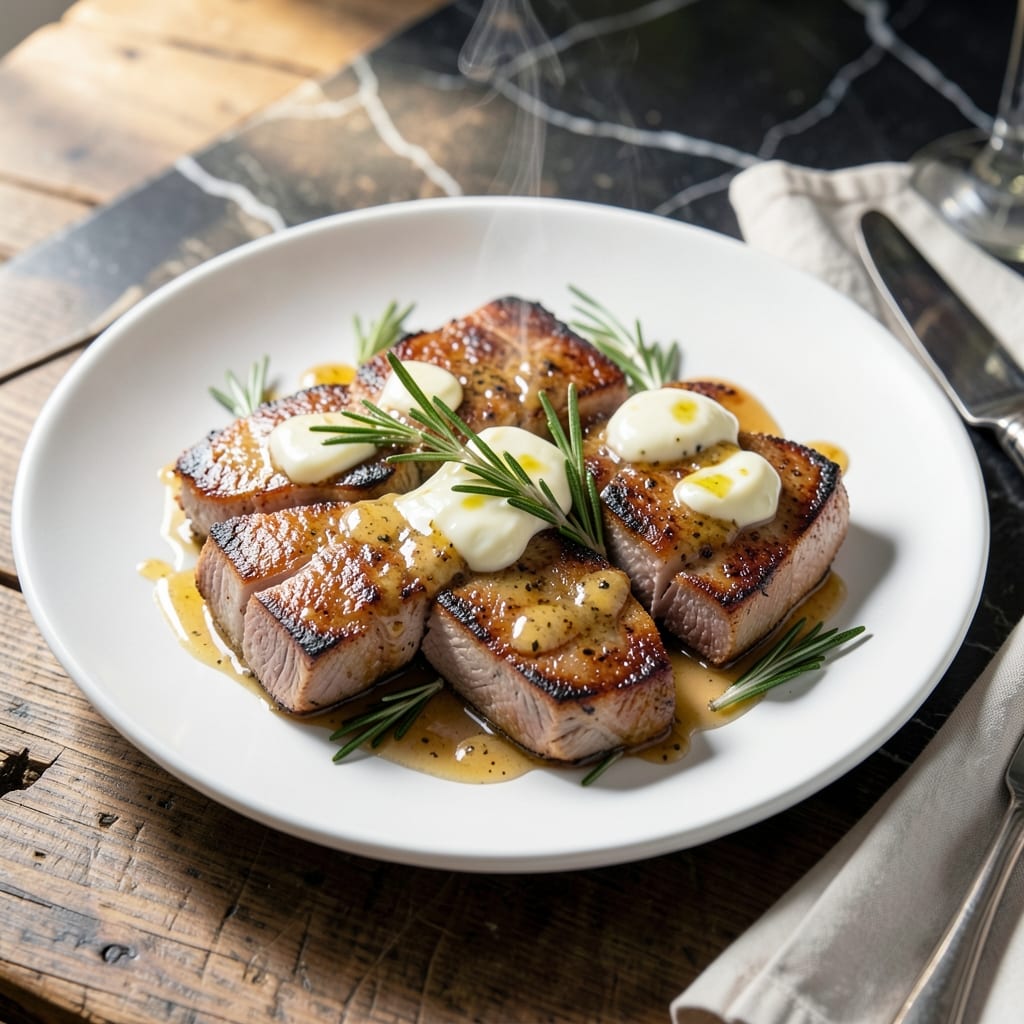
This left over pork tenderloin recipe transforms yesterday’s meal into a tender, restaurant-worthy dish with minimal effort. The key is a quick sear that revives the pork’s natural juices while adding a caramelized crust.
I developed this method to save time and reduce waste, using simple pantry staples and a hot skillet. The pork reheats evenly without drying out, and a splash of broth or sauce keeps it moist.
What you get is succulent, flavorful pork with a golden exterior, ready to serve over rice, pasta, or greens. The technique works with any leftover tenderloin, making it versatile for quick weeknight meals.
Pair with roasted vegetables or a fresh salad for a complete, satisfying dinner. Here’s how to do it right.
Ingredients for left over pork tenderloin
Transform yesterday’s pork with pantry staples and a hot skillet for restaurant-worthy results.
| Ingredient | Amount | Notes |
|---|---|---|
| Cooked Pork Tenderloin 🥩 | 1 ½ lb | Leftover, sliced into medallions |
| Olive Oil 🫒 | 2 tbsp | Divided for searing and finishing |
| Unsalted Butter 🧈 | 1 tbsp | For basting during sear |
| Garlic Cloves 🧄 | 3 cloves | Minced for aroma |
| Fresh Rosemary Sprigs 🌿 | 2 sprigs | Finely chopped, stems discarded |
| Chicken Broth 🍲 | ½ cup | Low-sodium preferred for control |
| Dijon Mustard 🟡 | 1 tbsp | For tangy depth in sauce |
| Honey 🍯 | 1 tsp | Balances acidity in glaze |
| Apple Cider Vinegar 🍏 | 1 tsp | Brightens the sauce |
| Kosher Salt 🧂 | ½ tsp | Diamond Crystal preferred for even seasoning |
| Freshly Ground Black Pepper 🌶️ | ½ tsp | Coarse grind for texture |
| Shallot 🧅 | 1 whole | Finely diced for sauce base |
The pork tenderloin quality matters most. Use leftover cooked tenderloin that’s still moist—dry, overcooked pork won’t revive well. For best results, slice into 1-inch medallions before searing. Whole Foods or local butchers often have high-quality pre-cooked options if you’re short on time. The rosemary should be fresh (dried lacks the aromatic punch), and organic if possible for more vibrant flavor.
No pork tenderloin leftovers? Pork chops or loin work too—just adjust searing time. Swap honey for maple syrup if avoiding bee products. Chicken broth can be vegetable broth for a lighter touch. The Dijon mustard is key for that tangy depth, but whole-grain mustard adds pleasant texture. Shallots not on hand? Red onion at half the amount works in a pinch.
The seared pork holds well for 3-4 days refrigerated in an airtight container. Reheat gently to avoid drying—microwave with a damp paper towel or warm in a skillet with a splash of broth. Freezing isn’t recommended as it can toughen the meat. Best served immediately after searing for that crisp, caramelized crust.
Why You'll Love This Recipe
- No-Fuss Dinner: I just pull out the pre-cooked tenderloin, sear it with butter and rosemary, and we’re eating in 10 minutes flat.
- Garlic Butter Magic: The sizzle of garlic in butter with fresh rosemary smells like a restaurant kitchen—and tastes even better.
- Meal Prep Hero: I slice the leftovers thin for sandwiches, chop for salads, or serve whole with roasted veggies all week long.
- Zero Waste Win: Between us, using every bite of that expensive tenderloin feels like a small victory—and saves me a grocery run.
Step-by-step instructions for second-day pork tenderloin
Transform your leftovers into a restaurant-worthy dish with this refined technique.
Slice and Season the Cooked Pork Tenderloin
Begin by slicing the 1.5 lb cooked pork tenderloin into 1-inch thick medallions. This uniform thickness ensures even reheating and optimal texture. Arrange the medallions on a clean work surface and pat them dry with paper towels—this removes excess moisture that would prevent proper searing.
Lightly season both sides with 0.5 tsp kosher salt and 0.5 tsp freshly ground black pepper. I prefer Diamond Crystal kosher salt for its clean flavor and even distribution. The pork is already cooked, so this seasoning enhances rather than overpowers.
Build the Aromatic Base for the Pan Sauce
Heat 1 tbsp olive oil in a large skillet over medium heat. Add the finely diced 1 whole shallot and saute for 2-3 minutes until translucent and just beginning to caramelize at the edges. This creates a sweet, savory foundation for your sauce.
Add the minced 3 cloves garlic cloves and finely chopped 2 sprigs fresh rosemary sprigs, stirring constantly for 30 seconds until fragrant. Be vigilant here—garlic burns easily and can turn bitter. The rosemary should release its piney aroma, signaling it's ready for the next step.
Sear the Pork Medallions to Revitalize
Increase heat to medium-high and add the remaining 1 tbsp olive oil and 1 tbsp unsalted butter to the skillet. Once the butter foams subsides, carefully add the pork medallions in a single layer. Sear undisturbed for 2-3 minutes per side until golden brown and heated through.
The goal is to create a beautiful crust while warming the pork. Use tongs to flip the medallions—this prevents piercing the meat and losing precious juices. Baste occasionally with the butter and oil mixture to enhance flavor and promote even browning.
Deglaze and Create the Pan Sauce
Transfer the seared pork to a plate and reduce heat to medium. Pour in the 0.5 cup chicken broth, using a wooden spoon to scrape up all the browned bits from the bottom of the pan. These fond bits are packed with flavor and will dissolve into your sauce.
Stir in the 1 tbsp Dijon mustard, 1 tsp honey, and 1 tsp apple cider vinegar. Simmer for 3-4 minutes until the liquid reduces by half and thickens slightly. The sauce should coat the back of a spoon with a glossy sheen, balancing sweet, tangy, and savory notes perfectly.
Finish and Serve with Pan Sauce
Return the pork medallions to the skillet, spooning the sauce over them to coat evenly. Simmer for 1-2 minutes to allow the flavors to meld together. The pork should be heated through and glossy with sauce, while the sauce itself should have a rich, velvety consistency.
Serve immediately, dividing the pork and sauce evenly among 4 plates. The medallions should be tender and juicy, with a beautiful sear on each side. The sauce will pool slightly on the plate, ready to be soaked up with each bite. This technique ensures your leftovers taste even better than the original meal.
Pro Tips For Making Left Over Pork Tenderloin
- Slice Against Grain: Cut the leftover pork tenderloin into thin slices against the grain—about 1/2-inch thick—to prevent chewy bits and make every bite tender. I learned this the hard way after serving stringy pork to guests.
- Bloom the Garlic: Heat the olive oil first, then add minced garlic for just 30 seconds until fragrant before adding the pork. After burning three batches, I finally figured out that raw garlic tastes harsh and burnt garlic tastes bitter.
- Skip Cold Butter: Let the unsalted butter sit out for 10 minutes before using so it melts evenly into the pan sauce. Sounds weird, but it works: cold butter can seize up and leave greasy pockets instead of a silky coating.
- Crush the Rosemary: Lightly crush the fresh rosemary sprigs with the flat of your knife before adding them to release the oils. My grandmother swore by this, and she was right: it actually changes the outcome from subtle to aromatic.
Make-ahead tips for leftovers
Prep Ahead Strategy
Slice the 1.5 lb cooked pork tenderloin into 1-inch medallions and store in an airtight container in the fridge for up to 2 days. This makes dinner prep lightning fast. I often do this right after the original meal.
Sauce Base Prep
Mix the 0.5 cup chicken broth, 1 tbsp Dijon mustard, 1 tsp honey, and 1 tsp apple cider vinegar in a jar. Refrigerate for up to 3 days. Just reheat and reduce when ready to cook. 💡
Aromatics Ready
Finely dice the 1 whole shallot and mince the 3 cloves garlic together. Store in a small container with a damp paper towel for up to 24 hours. Chop the 2 sprigs fresh rosemary just before cooking for maximum flavor.
Storage Tips
Keep seared pork in the fridge for 3-4 days in an airtight container. Reheat gently in a skillet with a splash of broth to maintain moisture. Avoid freezing, as it toughens the meat. ❄️
Equipment Prep
Have your large skillet, tongs, and wooden spoon ready. I use a 12-inch cast iron for even heat distribution. Pre-measure all ingredients to streamline the cooking process.
Time-Saving Tip
Double the sauce recipe and store half for another meal. It pairs beautifully with chicken or vegetables. This simple step saves time on busy nights. ✨
Nutrition facts
Frequently asked questions
Can I use cold pork tenderloin straight from the fridge?
Let it sit at room temperature for 15-20 minutes first. This ensures even reheating and prevents a tough exterior while the center stays cold. Pat it dry before searing for best results.
What if my pork is already dry?
Slice it thinner (1/2-inch medallions) and sear quickly over medium-high heat. A splash of broth in the pan while reheating adds moisture back in.
Can I make this without a pan sauce?
Yes, but the sauce adds moisture and flavor. For a quick alternative, deglaze with 1/4 cup broth and butter only. Still delicious, just simpler.
How do I know when it's reheated through?
Use a meat thermometer—it should read 145°F internally. Without one, check that the center is warm and the outside has a golden crust.