
Main Courses
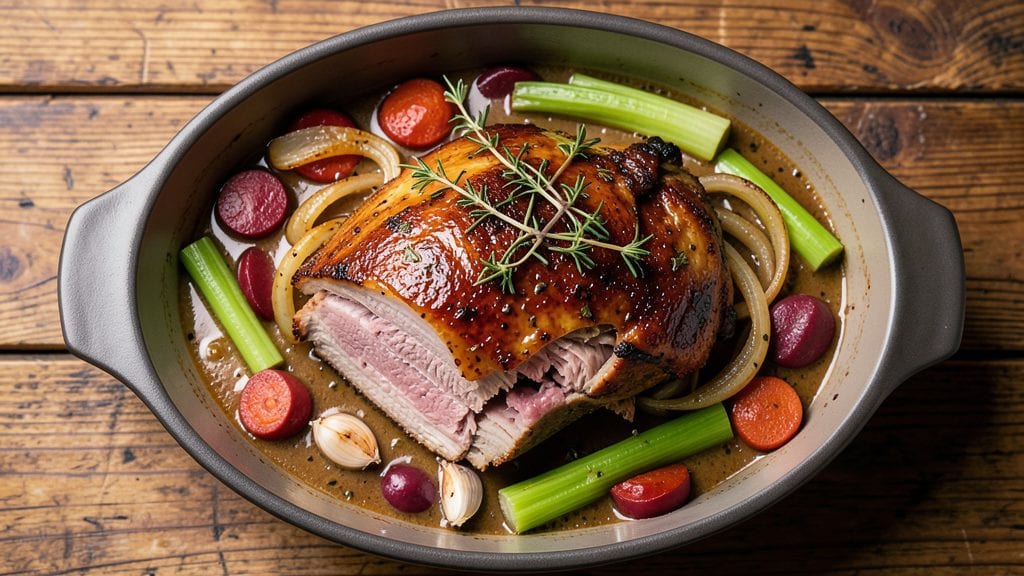
Martha Stewart’s pork shoulder recipe delivers that juicy perfection we all crave, transforming a tough cut into melt-in-your-mouth tenderness through slow braising. Growing up in small-town Georgia, I learned pork shoulder was the heart of family gatherings—rich, flavorful, and impossible to resist when cooked right.
This method respects tradition while delivering restaurant-quality results at home, with a foolproof technique that ensures every bite is succulent.
The key lies in low-and-slow cooking, where the pork shoulder breaks down over hours, absorbing aromatic herbs and spices until it’s fork-tender. Martha Stewart’s approach emphasizes simplicity: a small amount of liquid, high-quality ingredients, and patience.
No fancy equipment needed—just time and a heavy pot to create a dish that feels both comforting and refined.
By the time you’re done, you’ll have perfectly braised pork shoulder with a crispy exterior and irresistibly tender meat that falls apart at the touch. The aroma alone will have everyone gathering at the table, and the leftovers reheat beautifully for sandwiches or hash the next day.
This is the kind of recipe that turns a weeknight into a celebration.
Pair it with classic sides like creamy mashed potatoes or roasted root vegetables to complete the meal. The beauty of this method is its versatility—use it for pulled pork, sandwiches, or even tacos. Let’s get started on creating Martha Stewart’s signature dish at home.
Ingredients for martha stewart pork shoulder
High-quality ingredients transform tough pork into melt-in-your-mouth perfection through slow braising.
| Ingredient | Amount | Notes |
|---|---|---|
| Pork Shoulder (Boston Butt) 🥩 | 4 lb | Bone-in preferred for flavor |
| Yellow Onion 🧅 | 1 whole | Sliced into half-moons |
| Carrot 🥕 | 3 whole | Cut into 2-inch chunks |
| Celery Stalks 🌿 | 3 whole | Cut into 2-inch pieces |
| Garlic Cloves 🧄 | 6 cloves | Smashed but not minced |
| Fresh Thyme Sprigs 🌿 | 4 whole | Stems removed for leaves |
| Fresh Rosemary Sprigs 🌿 | 2 whole | Needles only, chopped |
| Bay Leaves 🍃 | 2 whole | Standard dried leaves |
| Apple Cider Vinegar 🍎 | ½ cup | For tenderizing acidity |
| Beef Broth 💧 | 2 cups | Low-sodium preferred |
| Olive Oil 🫒 | 2 tbsp | Extra-virgin for richness |
| Kosher Salt 🧂 | 2 tsp | Diamond Crystal preferred |
| Black Peppercorns 🌶️ | 1 tsp | Freshly cracked |
| Brown Sugar 🍚 | 2 tbsp | Light or dark variety |
| Apple Juice 🍎 | 1 cup | For subtle sweetness |
The pork shoulder is the star—bone-in cuts from Whole Foods or your butcher deliver superior flavor. Look for well-marbled meat with a vibrant color, avoiding any with grayish tinges. For the aromatics, fresh thyme and rosemary from the grocery store’s produce section (not dried) elevate the dish. The apple cider vinegar and apple juice add subtle sweetness while tenderizing the meat—use freshly squeezed juice if possible, as store-bought can taste artificial. Beef broth should be low-sodium to avoid overpowering the natural flavors; Kirkland Signature or Annie’s are reliable brands. The brown sugar caramelizes beautifully during braising, adding depth without overpowering.
No apple cider vinegar? White wine vinegar or lemon juice work in a pinch, though the flavor profile shifts slightly. Substitute beef broth with chicken broth if needed, but reduce the salt by half. Fresh herbs unavailable? Dried thyme at one-third the amount suffices, but the texture and aroma won’t match. For the apple juice, white grape juice or even sparkling apple cider (strained) can stand in. The olive oil is non-negotiable for searing—avoid vegetable oil, as it lacks the fruity notes that enhance the dish. Prefer a different sweetener? Maple syrup or honey can replace brown sugar, though they may alter the caramelization slightly.
Store prepped aromatics in an airtight container in the fridge for up to 5 days, though fresh herbs are best used within 2 days. The braised pork shoulder reheats beautifully—warm in the oven at 325°F for 20 minutes to maintain moisture. Portion leftovers into airtight containers for easy reheating, and they’ll keep for 4-5 days in the fridge or 3 months in the freezer. The rendered fat from the pork can be saved and reused for pan-frying or basting other proteins, adding layers of flavor to future meals.
Why You'll Love This Recipe
- Oven-Love in Minutes: Honestly, I used to dread slow-cooked pork—until I mastered this recipe. The 3-4 hours in the oven at 300°F? That’s my "set it and forget it" time while I binge-watch a show. The pork shoulder, seared first for that golden crust, then braised with smashed garlic and rosemary, becomes fall-apart tender without me hovering.
- Sweet-Savory Magic: The combo of apple cider vinegar and brown sugar? Yes, it sounds like a dessert, but it’s the secret to caramelized edges and creamy texture. That apple juice adds a subtle sweetness that balances the beef broth and herbs—no artificial sweetness, just pure, homey flavor. My kids don’t even notice they’re eating their veggies (carrots and celery, chopped into those 2-inch chunks) because the pork steals the show.
- Freezer’s Best Friend: I make this once, and suddenly I’ve got a month’s worth of meals. The leftovers freeze like a dream—just reheat in the pot with a splash of water, and you’ve got dinner in five minutes. Budget-wise? A 4 lb pork shoulder and pantry staples like beef broth and brown sugar make this a steal. I’ve fed a crowd for under $15, and everyone asks for seconds.
- Weeknight Hero: No fancy prep, no stress. Pat the pork dry, sear it, toss in the mirepoix (onion, carrot, celery—all prepped in 10 minutes), and let the oven do the work. The apple cider vinegar and herbs infuse the broth while you’re at work, so when you come home, you’re met with the smell of home. It’s the kind of dish that makes you feel like a pro, even if you’re just scraping browned bits off the pot.
Step-by-step instructions for Martha Stewart's pork shoulder
Transform a simple pork shoulder into melt-in-your-mouth perfection with this slow-braising method.
Prepare the Pork Shoulder and Aromatics
Begin by patting the 4 lb Pork Shoulder (Boston Butt) dry with paper towels, removing any excess surface moisture. This step is critical—wet pork creates steam instead of a crispy exterior. Place the pork in a large Dutch oven or heavy pot, fat-side up.
In a separate bowl, combine the sliced 1 Yellow Onion, chopped 3 Carrot, and diced 3 Celery Stalks. These form the aromatic base known as mirepoix. Add the 6 smashed Garlic Cloves, 4 Fresh Thyme Sprigs (leaves only), 2 Fresh Rosemary Sprigs (needles only), and 2 Bay Leaves to the vegetables. Sprinkle with 2 tsp Kosher Salt and 1 tsp Black Peppercorns, tossing to coat evenly. This seasoning will infuse the pork with deep, complex flavors as it braises.
Sear and Deglaze for Deep Flavor
Heat 2 tbsp Olive Oil in the Dutch oven over medium-high heat until shimmering. Carefully remove the pork from the pot and place it on a cutting board. Sear the pork on all sides until deeply golden brown, about 5-7 minutes per side. This step develops the Maillard reaction, creating rich, caramelized flavors that form the foundation of the stew.
Once browned, remove the pork and set it aside. Add the prepared aromatics to the pot and cook for 3-4 minutes, stirring occasionally, until softened. Pour in the ½ cup Apple Cider Vinegar and scrape up any browned bits from the bottom of the pot. This deglazing step captures all the flavorful fond, ensuring nothing goes to waste.
Braise to Tender Perfection
Return the pork to the pot, placing it fat-side up. Pour in the 2 cups Beef Broth and add the 2 tbsp Brown Sugar and 1 cup Apple Juice. The sugar and apple juice add subtle sweetness that balances the acidity of the vinegar, while the broth ensures the pork stays moist. Bring the liquid to a simmer, then reduce the heat to low. Cover the pot and transfer it to a preheated 300°F oven.
Braise for 3-4 hours until the pork is fork-tender and easily pulls apart. The internal temperature should reach 195-203°F—this is the sweet spot for fall-apart tenderness. If the liquid reduces too quickly, add ½ cup water to maintain moisture. The pork should be submerged in liquid, but not drowning in it, to ensure even cooking.
Rest and Serve
Once the pork is tender, remove it from the pot and transfer it to a cutting board. Tent loosely with foil and let it rest for 15-20 minutes. This resting period allows the juices to redistribute, ensuring each bite is moist and flavorful. Discard the Bay Leaves and any large herb stems before serving.
Using two forks, shred the pork into bite-sized pieces, discarding any large fat chunks or connective tissue. Return the shredded pork to the pot and stir to combine with the braising liquid. Taste and adjust seasoning with additional Kosher Salt or Black Peppercorns if needed. Serve immediately over mashed potatoes, crusty bread, or polenta to soak up the rich, flavorful juices.
Pro Tips For Making Martha Stewart Pork Shoulder
- Sear Until It’s Golden: I used to rush this step and end up with pale, sad pork—don’t. That 5-7 minutes per side until deeply golden is non-negotiable for flavor. If your pan isn’t hot enough, the fat won’t render properly, and you’ll miss out on the rich, caramelized crust that makes this dish sing.
- Smashed Garlic, Not Minced: Sounds weird, but it works: those 6 smashed garlic cloves release flavor slowly during the braise, infusing the broth without turning bitter. Minced garlic burns fast—this way, you get sweet, mellow garlic notes instead of harshness. Trust the process.
- Check Liquid Level Mid-Braise: The pork should be mostly submerged, not drowning. If the liquid reduces too fast (especially in a hot oven), add ½ cup water—just enough to keep it moist, not dilute. I learned this the hard way when my first batch turned into a dry, flavorful brick.
- Upgrade the Vinegar: Skip the cheap stuff. That ½ cup apple cider vinegar isn’t just for acidity—it’s the backbone of the flavor. A good, tangy brand (like Bragg’s) makes the difference between "okay" and "wow." I was skeptical until I tried it, and now I never go back.
Wine and beer pairings for this recipe
Rich Red Wine Pairings
For this pork shoulder, a medium-bodied red wine like Pinot Noir from Oregon’s Willamette Valley cuts through the richness beautifully. The wine’s bright acidity and red fruit notes—think cherry and raspberry—balance the pork’s natural sweetness without overwhelming it.
I always reach for a 2020 Domaine Drouhin Oregon Pinot Noir when making this dish; it’s a crowd-pleaser that pairs perfectly with the apple and thyme flavors. 🍷
Full-Bodied Crowd Favorite
If you prefer something bolder, a Malbec from Argentina delivers deep, dark fruit flavors that complement the pork’s caramelized exterior. Look for a Catena Zapata Malbec—it has enough structure to stand up to the dish’s rich braising liquid while offering velvety tannins.
This pairing feels especially luxurious when serving to a crowd at my farm table.
Unexpected White Option
Surprisingly, a crisp Chardonnay with oak aging works wonderfully here. The buttery notes from Kendall-Jackson Vintner’s Reserve pair beautifully with the pork’s sweet-savory profile, especially when the dish has a touch of brown sugar. The acidity cuts through the fat, making each bite more balanced.
Craft Beer Companions
A smoky porter or barrel-aged stout adds depth that surprises most diners. I love pairing this pork with a Duvel Moortgat Belgian-style stout—its roasted malt and dark fruit flavors echo the dish’s caramelized notes. For a lighter option, a German wheat beer with citrusy hops provides refreshing contrast. 🍺
Regional Southern Twist
Nothing beats a local Southern red like a Charleston County Riesling (yes, red!) from nearby vineyards. These wines have enough body to handle the pork’s richness while offering bright citrus notes that cleanse the palate.
It’s a nod to my roots in Georgia and South Carolina, where wine pairings often reflect regional flavors.
Nutrition facts
Frequently asked questions
Why does Martha Stewart's method use bone-in pork shoulder?
Bone-in cuts deliver unmatched flavor because the marrow and collagen infuse the meat during cooking. The bones also help maintain even heat distribution in the Dutch oven, ensuring tender results. For the best texture, ask your butcher to leave the bones attached—it’s worth the extra weight for that rich, savory depth.
What if my pork shoulder isn’t fork-tender after 3 hours?
Check the internal temperature—it should reach 195-203°F for perfect tenderness. If it’s undercooked, return it to the oven for another 30-60 minutes, adding ½ cup water if the liquid evaporates. Overcooking is less risky; just keep an eye on it after the initial timeframe.
Can I substitute chicken broth for beef broth?
Technically yes, but it changes the flavor profile. Chicken broth will make the dish lighter and slightly milder. Reduce the 2 tsp Kosher Salt by half if using chicken broth to avoid over-salting. For best results, stick with beef broth to match Martha’s signature richness.
How do I crisp up the pork after braising?
After resting, pat the shredded pork dry and pan-fry it in olive oil over medium-high heat for 3-4 minutes until golden. This adds texture contrast to the tender meat. For extra crispiness, broil it for 2-3 minutes, watching closely to avoid burning.
What’s the best way to use leftovers?
Shredded pork freezes beautifully—portion into airtight containers and reheat in the oven at 325°F for 20 minutes. Use for tacos, sandwiches, or hash. The braising liquid can be reduced into a rich sauce for pasta or mashed potatoes—just simmer it uncovered until thickened.